How To Bake Chicken In The Oven At 375 For Juicy Results
Baking chicken in the oven at 375°F is the best way to get juicy, tender meat every single time. This temperature cooks chicken evenly and keeps it moist from edge to center. Whether you are using bone-in chicken thighs or boneless chicken breasts, 375°F works beautifully. You will learn the right cooking time, seasoning tips, and how to check for safe internal temperature. Follow this guide for golden brown chicken that your whole family will love.
There is something truly satisfying about pulling a tray of oven baked chicken out of the oven. The kitchen smells incredible, the chicken looks golden and beautiful, and you know you are about to enjoy a delicious meal. Baking chicken in the oven at 375 is one of the simplest and most reliable ways to cook chicken at home.
Whether you are a complete beginner or a seasoned home cook, this guide will walk you through everything you need to know. You will learn why 375°F is the sweet spot, which chicken cuts work best, how to season your meat, and exactly how long to bake each piece. By the end, you will feel confident enough to make juicy chicken every single time without even thinking about it.
The beauty of this method is its simplicity. You do not need fancy equipment or complicated techniques. Just a few basic ingredients, a hot oven, and a little patience. Let us dive in and make your chicken recipe the best it has ever been.
Key Takeaways
- 375°F is the ideal baking temperature for juicy, evenly cooked chicken
- Boneless breasts take about 25-30 minutes while bone-in thighs need 35-45 minutes
- Always use a meat thermometer to confirm the internal temperature reaches 165°F
- Rest your chicken for 5-10 minutes after baking to lock in juices
- Simple seasonings like olive oil, garlic, and herbs create amazing flavor
- Avoid overcooking by checking early and using a reliable meat thermometer
- Line your baking sheet with foil or parchment for easy cleanup
📑 Table of Contents
- Why 375°F Is the Perfect Temperature for Baking Chicken
- Choosing the Right Chicken Cut for Oven Baking
- Essential Seasonings and Marinades for Flavor
- Step-by-Step Guide to Baking Chicken at 375
- Common Mistakes to Avoid When Baking Chicken
- How to Know When Your Chicken Is Done and Safe to Eat
- Quick Tips for Perfectly Juicy Chicken Every Time
- Expert Insights on Baking Chicken at 375°F
- Conclusion
Why 375°F Is the Perfect Temperature for Baking Chicken
Temperature matters more than most people realize when it comes to cooking chicken. Too low and your meat dries out over a long cook. Too high and the outside burns before the inside is done. 375°F hits the sweet spot perfectly for several reasons.
At 375°F, heat circulates evenly around the chicken. This means every piece cooks at a steady, consistent pace. The chicken breast stays moist while the skin gets beautifully crispy and golden brown. You get the best of both worlds.
Science Behind the Perfect Temperature
When chicken cooks at a moderate temperature like 375°F, the proteins in the meat break down slowly. This slow breakdown keeps the meat tender and juicy. If you crank the heat to 425°F or higher, the proteins tighten too fast and squeeze out moisture. That is how you end up with dry, rubbery chicken.
At 375°F, the cooking time is also very manageable. Most pieces finish within 30 to 45 minutes. This makes it easy to plan dinner without spending hours in the kitchen. You can prep a side dish, set the table, and still have everything ready at the same time.
Benefits of Baking at 375°F
- Even cooking from edge to center
- Juicy, tender meat that does not dry out
- Crispy skin without burning
- Predictable timing so you can plan your meal
- Works for all chicken cuts from breasts to thighs to wings
- Minimal risk of overcooking or undercooking
Choosing the Right Chicken Cut for Oven Baking
Not all chicken pieces are created equal when it comes to baking. Different cuts have different thicknesses and fat content, which affects how they cook at 375°F. Picking the right cut makes a big difference in your final result.
Bone-In vs. Boneless Chicken
Bone-in chicken like thighs and drumsticks has more flavor and stays juicier during baking. The bone insulates the meat and slows down cooking slightly. This gives you a wider window of perfect doneness. Bone-in pieces also look more impressive on the plate.
Boneless chicken breasts cook faster and are more convenient for quick meals. However, they can dry out easily if you are not careful. The key is to not overbake them. A boneless breast at 375°F typically needs only 25 to 30 minutes.
Best Chicken Cuts for 375°F Baking
| Chicken Cut | Approximate Baking Time | Best For |
|---|---|---|
| Bone-in thighs | 35-45 minutes | Flavorful, forgiving, hard to overcook |
| Bone-in breasts | 35-40 minutes | Juicy with crispy skin |
| Boneless breasts | 25-30 minutes | Quick meals, meal prep |
| Drumsticks | 35-40 minutes | Kid-friendly, easy to eat |
| Whole chicken | 60-75 minutes | Sunday dinner, feeding a crowd |
| Chicken wings | 25-30 minutes | Appetizers, game day snacks |
Essential Seasonings and Marinades for Flavor
Baking chicken at 375°F gives you a blank canvas. The real magic happens with your seasoning choices. A great chicken seasoning blend transforms simple oven baked chicken into something extraordinary.
Simple Seasoning Combinations
You do not need a long list of ingredients to make delicious chicken. Here are some easy combinations that work wonderfully at 375°F:
- Classic Herb: olive oil, garlic, rosemary, thyme, salt, and pepper
- Lemon Garlic: olive oil, lemon juice, minced garlic, salt, and paprika
- Smoky BBQ: smoked paprika, brown sugar, garlic powder, onion powder, and cayenne
- Mediterranean: olive oil, oregano, basil, lemon zest, and black pepper
- Buffalo Style: hot sauce, melted butter, garlic powder, and a pinch of salt
How to Season Chicken Properly
Pat your chicken dry with paper towels before seasoning. This helps the seasoning blend stick to the surface. Drizzle olive oil over the chicken first. The oil acts as a glue and helps the flavors penetrate the meat.
Season generously on all sides. Do not be shy with your salt and pepper. Many people under-season their chicken, and that is the number one reason homemade chicken tastes bland. Sprinkle your seasoning evenly and rub it in with your hands.
Marinating Tips for Extra Juicy Chicken
Marinating your chicken for even 30 minutes makes a noticeable difference. A simple marinade of olive oil, acid (like lemon juice or vinegar), and seasonings tenderizes the meat. For best results, marinate for 2 to 4 hours in the refrigerator.
Do not marinate for more than 24 hours. The acid in the marinade can break down the proteins too much and make the texture mushy. Keep it between 30 minutes and 4 hours for optimal results.
Step-by-Step Guide to Baking Chicken at 375
Now let us get into the actual process. Follow these steps and you will have perfectly baked chicken every time.
Step 1: Prep Your Chicken
Take your chicken out of the refrigerator about 15 to 20 minutes before baking. Letting it come closer to room temperature helps it cook more evenly. While you wait, preheat your oven to 375°F. Make sure your oven rack is in the center position.
Step 2: Season Generously
Pat the chicken dry and apply your chosen seasoning blend. Drizzle with olive oil and rub everything together. Place the seasoned chicken on a lined baking sheet or in a baking dish. Leave space between pieces so hot air can circulate freely.
Step 3: Bake and Monitor
Put the chicken in the oven and set your timer. Use the cooking time guidelines from the table above as a starting point. At the halfway point, check on the chicken. If pieces are browning too quickly, you can loosely cover them with aluminum foil.
Step 4: Check Internal Temperature
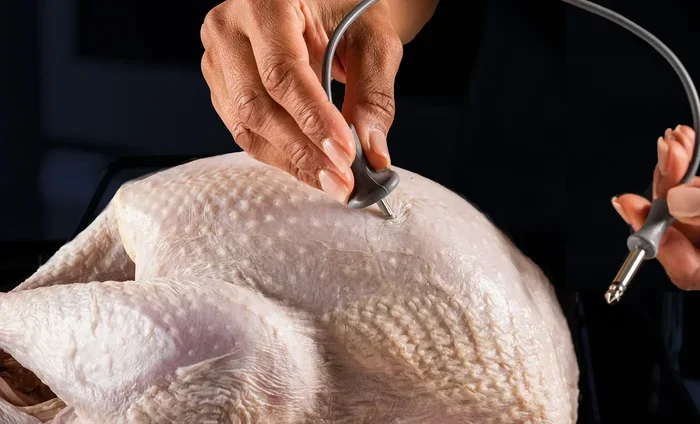
This is the most important step. Insert a meat thermometer into the thickest part of the chicken, avoiding bone. The internal temperature must reach 165°F for food safety. If it has not reached 165°F yet, keep baking and check again every 3 to 5 minutes.
Step 5: Rest the Chicken
Once your chicken hits 165°F, take it out of the oven. Let it rest on the baking sheet or a cutting board for 5 to 10 minutes. This resting period allows the juices to redistribute throughout the meat. If you cut into it immediately, those juices will run out and your chicken will be less juicy.
Step 6: Serve and Enjoy
After resting, your oven baked chicken is ready to serve. Slice it, plate it, and enjoy. Pair it with roasted vegetables, rice, salad, or mashed potatoes for a complete meal.
Common Mistakes to Avoid When Baking Chicken
Even experienced cooks make mistakes sometimes. Knowing what to avoid saves you from dry, overcooked chicken and disappointing meals.
Skipping the Meat Thermometer
This is the single biggest mistake people make. Relying on time alone or cutting into the chicken to check is not reliable. A meat thermometer takes the guesswork out completely. Invest in a good instant-read thermometer and keep it in your kitchen drawer.
Overcooking the Chicken
Chicken continues to cook slightly after you take it out of the oven. This is called carryover cooking. If you wait until the thermometer reads exactly 165°F, the temperature will rise a few more degrees while resting. Pull the chicken off at 160°F and let it rest. It will reach the safe 165°F during resting.
Not Letting the Chicken Rest
Cutting into hot chicken right away releases all those precious juices onto the cutting board instead of staying in the meat. Give it at least 5 minutes of rest time. For a whole roasting chicken, 10 to 15 minutes is even better.
Crowding the Baking Sheet
When pieces are too close together, steam gets trapped instead of hot air circulating. This leads to soggy skin instead of crispy skin. Give each piece at least an inch of space on the baking sheet. If you have a lot of chicken, use two trays or bake in batches.
Using a Cold Baking Dish
Starting with a cold pan or dish can lead to uneven cooking. Room temperature baking dishes and baking sheets help the chicken start cooking evenly from the moment it goes in the oven.
How to Know When Your Chicken Is Done and Safe to Eat
Food safety is no joke when it comes to poultry. Knowing the signs of properly cooked chicken keeps your family safe and your meals delicious.
The 165°F Rule
The USDA recommends that all poultry reaches an internal temperature of 165°F. This applies to chicken breasts, thighs, drumsticks, wings, and whole birds. Use a meat thermometer inserted into the thickest part without touching bone. This is the only foolproof way to know your chicken breast or thighs are safe to eat.
Visual and Tactile Cues
While a thermometer is the best tool, there are some visual signs too. Properly baked chicken at 375°F should look golden brown on the outside with no pink remaining near the bone. The juices should run clear when you pierce the thickest part. The meat should feel firm but still slightly springy when you press it.
What About Slightly Pink Chicken?
Sometimes chicken can look slightly pink even when it has reached 165°F internally. This is especially true with bone-in chicken pieces and younger birds. Do not panic. Always trust the thermometer over the color of the meat. A temperature of 165°F is safe regardless of what the chicken looks like.
Storing and Reheating Leftovers
Leftover oven baked chicken keeps well in the refrigerator for 3 to 4 days. Store it in an airtight container. When reheating, use a low oven temperature or the microwave with a damp paper towel to prevent drying out. Reheated chicken tastes almost as good as fresh when done correctly.
Quick Tips for Perfectly Juicy Chicken Every Time
- Brine your chicken for 1 to 2 hours in salt water for extra juiciness
- Use a wire rack on your baking sheet for even crispier results
- Brush with butter during the last 10 minutes for extra golden skin
- Let chicken rest for at least 5 minutes before cutting
- Preheat your oven fully before putting the chicken in
- Use fresh herbs for the best flavor profile
- Line your baking sheet with parchment paper for easy cleanup
- Add vegetables around the chicken to cook alongside it
Expert Insights on Baking Chicken at 375°F
Professional chefs and food scientists agree that 375°F is the gold standard for baking chicken. Chef Thomas Keller once said that moderate heat is the key to perfectly roasted poultry. The idea is to cook the chicken gently enough that the moisture stays locked inside while the exterior develops a beautiful crust.
Food safety experts emphasize that temperature control is everything. The danger zone for chicken is between 40°F and 140°F. This is where bacteria multiply rapidly. By baking at 375°F, you move the chicken through this danger zone quickly and safely.
Nutritionists also appreciate baked chicken as a healthy cooking method. It requires little to no added fat compared to frying. A plain baked chicken breast at 375°F with minimal seasoning is one of the leanest, most protein-dense meals you can make at home.
The versatility of this method is another reason it is so popular. You can bake a simple weeknight dinner or create an impressive Sunday roast. Add potatoes and carrots to the same baking dish and you have a complete one-pan meal ready in under an hour.
Conclusion
Baking chicken in the oven at 375°F is one of the most reliable and delicious ways to cook chicken at home. The temperature is forgiving, the results are consistent, and the method works for nearly every chicken cut you can think of. From juicy chicken breasts to flavorful bone-in thighs, 375°F delivers every time.
Remember the key steps: season generously, use a meat thermometer, do not overcook, and always let your chicken rest before serving. These simple habits transform ordinary chicken into something truly special. Once you master this method, you will never go back to dry, bland chicken again.
Start with the basic recipe and experiment with different seasoning blends and chicken cuts. Try a lemon herb chicken one night and a smoky barbecue version the next. The possibilities are endless when you know how to bake chicken in the oven at 375 properly. Your kitchen, your family, and your taste buds will thank you.
So preheat that oven to 375°F, grab your favorite seasoning blend, and get ready to make the best oven baked chicken of your life. You have got this, and the results will speak for themselves.
Frequently Asked Questions
How long does it take to bake chicken at 375?
Baking time depends on the cut of chicken you are using. Boneless chicken breasts typically take 25 to 30 minutes, while bone-in thighs need 35 to 45 minutes. A whole chicken usually takes 60 to 75 minutes. Always use a meat thermometer to confirm the internal temperature reaches 165°F before serving.
Is 375 a good temperature to bake chicken?
Yes, 375°F is widely considered the ideal temperature for baking chicken. It cooks the meat evenly, keeps it juicy, and produces crispy skin without burning. This moderate heat allows the chicken to cook through gently while retaining its natural moisture and flavor.
Should I cover chicken with foil when baking at 375?
You do not need to cover chicken with foil for most recipes. Leaving it uncovered allows the skin to become crispy and golden brown. However, if your chicken is browning too quickly on top, you can loosely tent it with aluminum foil for the last 10 to 15 minutes of baking.
How do I keep chicken moist when baking at 375?
To keep oven baked chicken moist, brine it before baking, do not overcook it, and always let it rest for 5 to 10 minutes after removing it from the oven. Using olive oil or melted butter to coat the chicken before seasoning also helps lock in moisture during baking.
Can I bake frozen chicken at 375?
Yes, you can bake frozen chicken at 375°F, but you will need to increase the baking time by about 50%. Frozen chicken breasts may take 45 to 55 minutes, and frozen thighs could take 50 to 60 minutes. Always check the internal temperature to make sure it reaches 165°F throughout the thickest part.
What is the best seasoning for baked chicken at 375?
The best chicken seasoning blend depends on your taste preferences. A classic combination of olive oil, minced garlic, salt, pepper, and dried herbs like rosemary and thyme works beautifully. For something bolder, try smoked paprika, onion powder, and a squeeze of lemon juice. The key is to season generously on all sides before baking.