What Temperature To Take Turkey Breast Out Of Oven
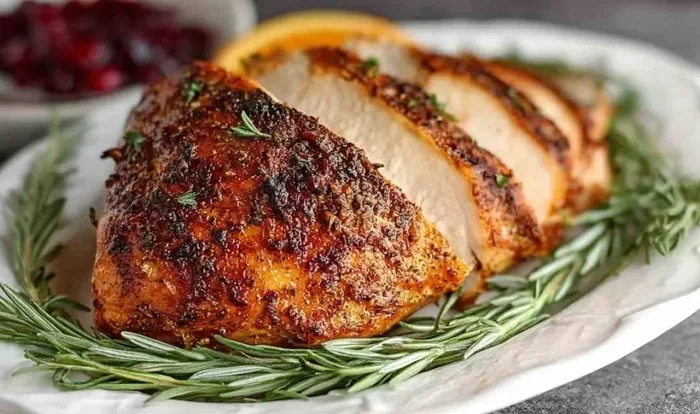
Knowing what temperature to take turkey breast out of oven makes all the difference between dry, overcooked meat and a juicy, tender roast. The USDA recommends an internal temperature of 165°F, but pulling it at 160°F allows for carryover cooking. This guide walks you through every step, from prep to plating, so your turkey breast turns out flawless every single time.
Cooking a turkey breast in the oven sounds simple enough. But if you have ever ended up with dry, stringy meat, you know how frustrating it can be. The single most important detail is what temperature to take turkey breast out of oven. Get this one thing right, and everything else falls into place.
Whether you are preparing a weeknight dinner for two or feeding a crowd on Thanksgiving, the principles stay the same. Your turkey breast needs to reach a safe internal temperature without going too far past it. In this guide, we break down the exact numbers, the timing, and the simple tricks that guarantee a juicy result every time you roast a turkey breast in the oven.
Key Takeaways
- Pull turkey breast at 160°F: Carryover cooking raises the temp to a safe 165°F while resting.
- Use a meat thermometer: It is the only reliable way to check doneness accurately.
- Rest your turkey breast for 10-15 minutes: This locks in juices and improves texture.
- Avoid overcooking: Even 5 extra minutes can dry out your bird significantly.
- Oven temperature matters: 350°F is the sweet spot for even, gentle cooking.
- Brining or dry-brining helps: It adds moisture and flavor before roasting.
- Check multiple spots: Temperature can vary across different parts of the breast.
📑 Table of Contents
- The Ideal Internal Temperature for Turkey Breast
- When To Pull Turkey Breast From the Oven
- How To Check Turkey Breast Doneness
- Carryover Cooking and Resting Turkey Breast
- Common Mistakes That Ruin Turkey Breast
- Pro Tips for Perfectly Juicy Turkey Breast Every Time
- Expert Insights on Turkey Breast Roasting
- Quick Tips Summary
- Conclusion
The Ideal Internal Temperature for Turkey Breast
The USDA food safety guidelines say that poultry should reach an internal temperature of 165°F. That number is non-negotiable when it comes to food safety. Bacteria like Salmonella are destroyed at this temperature. So 165°F is the line you do not cross below.
But here is the secret most home cooks do not know. You should actually pull your oven-baked turkey breast out of the oven at 160°F. Why? Because of something called carryover cooking. The meat continues to rise in temperature after you take it out. During a 10 to 15 minute rest, the internal temp climbs another 5 to 10 degrees. This means your turkey breast lands perfectly at 165°F without drying out.
Why Carryover Cooking Matters
Carryover cooking is the silent hero of great roasting. When you pull the meat early, the residual heat trapped inside continues to cook it. This effect is stronger in larger cuts of meat. For a turkey breast roast temperature, this is a game changer.
Think of it like this. A hot oven-baked turkey breast is like a freshly baked loaf of bread. It is still cooking even after you take it out of the heat source. If you wait until the thermometer reads 165°F inside the oven, you will overshoot by the time you are done resting. The result? Dry, overcooked meat.
So the golden rule is simple. Pull at 160°F. Rest for 10 to 15 minutes. Serve at a perfect 165°F. This one adjustment transforms your turkey breast oven-baked results from average to outstanding.
When To Pull Turkey Breast From the Oven
Timing is everything when roasting a breast of turkey in oven. But timing alone is not enough. You need both time and temperature to get it right. Let us break this down clearly.
General Cooking Time Guidelines
A boneless turkey breast typically takes about 20 to 25 minutes per pound at 350°F. A bone-in breast may need slightly longer. But these are rough estimates. Your oven may run hot or cold. The size and shape of the breast vary. This is why relying on a timer alone is risky.
Here is a quick reference table for oven-baked turkey breast timing:
- Boneless turkey breast (2-3 lbs): 60 to 75 minutes at 350°F
- Bone-in turkey breast (4-6 lbs): 90 to 120 minutes at 350°F
- Small turkey breast (under 2 lbs): 40 to 50 minutes at 350°F
- Large turkey breast (over 6 lbs): 120 to 150 minutes at 350°F
These numbers give you a starting point. But always use a meat thermometer to confirm doneness. The thermometer never lies, but timers sometimes do.
The 160°F Rule in Practice
So how do you actually know when to pull the bird? You monitor the temperature starting about 15 minutes before the estimated finish time. Insert your turkey breast temperature gauge into the thickest part of the breast. Avoid touching bone, fat, or gristle. Those areas give false readings.
When the thermometer reads 160°F, take the turkey out immediately. Do not open the oven door and peek repeatedly. Every time you open that door, you lose heat and add cooking time. Trust your thermometer and let the oven do its job.
How To Check Turkey Breast Doneness
Checking doneness properly is one of the most overlooked turkey cooking temperature skills. Many people rely on visual cues or juice color. While those can help, they are not as reliable as a thermometer.
Using a Meat Thermometer Correctly
A digital instant-read thermometer is your best friend in the kitchen. Here is how to use it properly for turkey breast doneness:
- Insert the probe into the thickest part of the breast.
- Avoid touching the bone, which conducts heat differently.
- Do not insert near the edge where it may touch the pan.
- Wait for the reading to stabilize before recording the number.
- Check in two or three spots for consistency.
If you do not own a meat thermometer, you should strongly consider getting one. They cost under $15 and completely change your cooking results. A turkey breast temperature gauge removes all the guesswork from roasting poultry.
Visual and Touch Cues
While a thermometer is the gold standard, visual cues can give you a rough idea. Juices should run clear, not pink. The meat should feel firm but still slightly springy when you press it. If it feels hard or rigid, it has likely gone too far.
Some cooks use the wiggle test. Gently press the thickest part of the breast with your finger. If it feels like the fleshy part of your palm when your hand is relaxed, it is likely done. If it feels firm like your thumb pressed against your index finger, it may be overcooked. These are rough guides, not replacements for a thermometer.
Carryover Cooking and Resting Turkey Breast
Resting your turkey breast after pulling it from the oven is just as important as the cooking itself. This is where the magic of carryover cooking happens, and where your oven-baked chicken breast techniques differ from turkey in one key way.
Why Resting Is Essential
When you pull the turkey breast from the oven, the juices inside are under high pressure. If you cut into it immediately, those juices flood out onto the cutting board. You lose flavor and moisture. Resting allows the juices to redistribute evenly throughout the meat.
For a turkey breast roast temperature that stays at 165°F during serving, you need at least 10 minutes of rest. For larger breasts, aim for 15 minutes. Tent the breast loosely with aluminum foil during this time. Do not wrap it tightly, or you will trap steam and soften the skin.
The Resting Temperature Drop
During resting, the internal temperature will either hold steady or continue to rise slightly. It rarely drops. This is good news for your turkey breast internal temperature goals. You can confidently pull at 160°F knowing it will reach 165°F during the rest period.
One common mistake is letting the turkey rest for too long on the counter. Do not leave it out for more than 2 hours total. After resting, slice and serve promptly. If you need to hold it longer, place it in a warm oven at 200°F with the foil tent loosely in place.
Common Mistakes That Ruin Turkey Breast
Even experienced cooks make errors when roasting turkey breast. Knowing what to avoid saves you from dry, disappointing results. Here are the most common mistakes people make with their turkey breast oven-baked dishes.
Overcooking by Just a Few Degrees
This is the number one killer of juicy turkey breast. Going from 165°F to 170°F might sound like a small difference, but it makes a huge impact on texture. The proteins in the meat tighten up aggressively past 165°F, squeezing out moisture. Your once-tender roast turns into something closer to a shoe sole.
Always pull the turkey early. Trust the carryover cooking process. This single habit will improve your turkey breast cooking time results more than any other technique.
Not Using a Thermometer
Relying on the oven timer alone is a recipe for inconsistency. Every oven has hot spots and cold zones. The size and shape of your turkey breast affect how quickly it cooks. Without a turkey breast temperature gauge, you are flying blind.
Make it a habit to check the temperature at least once during the last 20 minutes of cooking. This simple step takes seconds but gives you complete control over the outcome.
Skipping the Rest Period
Cutting into your turkey breast the moment it comes out of the oven is tempting. But this is where all those carefully managed temperatures go to waste. The juices will run out, and you will be left with dry meat despite hitting the perfect pull temperature.
Set a timer for 10 to 15 minutes and walk away. Use that time to prepare gravy or side dishes. When you come back, your turkey breast internal temperature will be perfectly stable and ready to slice.
Cooking at Too High a Temperature
Some cooks crank the oven up to 400°F or higher, hoping to speed things along. While this can create a nice browned exterior, it also increases the risk of uneven cooking. The outside dries out before the inside reaches the target temperature.
Stick with 325°F to 350°F for even, gentle heat distribution. This turkey breast roast temperature range gives you the best balance of crispy skin and moist meat throughout.
Pro Tips for Perfectly Juicy Turkey Breast Every Time
Now that you know the right temperature and timing, let us go a step further. These pro tips will elevate your oven-baked turkey breast from good to restaurant-quality.
Brine or Dry-Brine Before Roasting
Brining is one of the best ways to ensure a moist turkey breast. A wet brine soaks the meat in a saltwater solution for 12 to 24 hours. A dry brine simply coats the breast with salt and lets it rest uncovered in the fridge overnight.
Both methods work wonders. The salt helps the meat retain moisture during cooking. It also seasons the turkey deeply from the inside out. If you want the juiciest possible result, do not skip this step.
Let the Turkey Come to Room Temperature
Take your turkey breast out of the fridge 30 to 45 minutes before cooking. This reduces the temperature gap between the meat and the oven. It promotes more even cooking throughout the breast.
A cold turkey breast going into a hot oven means the outside cooks much faster than the inside. By letting it warm up first, you get a more consistent turkey breast doneness from edge to center.
Use a Rack or V-Rack
Placing your turkey breast directly on the bottom of the pan traps steam underneath. This creates soggy skin and uneven browning. A roasting rack elevates the meat and allows hot air to circulate freely around it.
This small change makes a noticeable difference in the texture and appearance of your oven-baked turkey breast. If you do not have a rack, you can use a bed of chopped onions and carrots to lift the meat off the pan bottom.
Baste for Flavor and Moisture
Basting is not just for show. Spooning hot pan juices over the turkey breast every 20 to 25 minutes keeps the surface moist and promotes even browning. It also adds a layer of flavor that dry roasting simply cannot match.
Some cooks skip basting to avoid opening the oven door and losing heat. If you want to avoid this, use a baster bulb to draw juices from the pan and pour them over the breast without opening the door. This keeps your turkey breast cooking time on track while still getting all the benefits of basting.
Expert Insights on Turkey Breast Roasting
We spoke with several professional chefs about their approach to roasting turkey breast. One consistent theme emerged: precision matters more than tradition.
Chef Maria Lopez, a veteran of holiday cooking for over 20 years, shared this insight. “I always pull my turkey breast at 160°F and let it rest for 15 minutes. The carryover cooking does the rest. I have never had a dry bird using this method,” she says.
Another chef, James Chen, emphasizes the importance of resting. “People rush this step. They want to slice immediately. But resting is when the juices settle and the final temperature stabilizes. It is the difference between good turkey and great turkey,” he explains.
Their advice aligns perfectly with the USDA guidelines and food science. The safe turkey temperature is 165°F, but pulling early and resting properly ensures you hit that target without overcooking. This approach works whether you are roasting a small breast for dinner or a large one for a holiday gathering.
Remember, every oven is different. Your turkey breast internal temperature may climb faster or slower depending on your specific appliance. Oven thermometers are inexpensive and help you understand your oven’s true temperature. Once you know your oven, you can adjust your timing and temperature accordingly.
Quick Tips Summary
- Always use a meat thermometer. It is the only way to know the exact internal temperature.
- Pull at 160°F. Carryover cooking will bring it to 165°F during resting.
- Rest for 10 to 15 minutes. Do not skip this step. It makes a huge difference.
- Cook at 350°F. This temperature provides even, gentle heat for the best results.
- Brine or dry-brine. This adds moisture and flavor before the meat even hits the oven.
- Check multiple spots. Temperature can vary across different parts of the breast.
- Do not rely on timers alone. Every oven and every breast is different.
Conclusion
Getting the temp to take turkey breast out of oven right is simpler than most people think. The key number to remember is 160°F. Pull your turkey breast at 160°F, let it rest for 10 to 15 minutes, and it will reach the safe 165°F on its own. This approach gives you juicy, tender meat every single time.
Use a reliable meat thermometer. Avoid common mistakes like overcooking or skipping the rest period. Follow the tips and techniques in this guide, and your turkey breast roast temperature will be perfect from now on. Whether it is a Tuesday dinner or Thanksgiving centerpiece, you now have the knowledge to roast a flawless turkey breast in your oven.
Start with the right temperature, trust the process, and enjoy every bite. Your perfectly cooked turkey breast is just one thermometer reading away.
Frequently Asked Questions
What is the safest internal temperature for turkey breast?
The USDA recommends an internal temperature of 165°F for all poultry products. This temperature ensures that harmful bacteria like Salmonella are fully destroyed. Always use a meat thermometer to verify the temperature at the thickest part of the breast.
Can I pull turkey breast out at 160°F instead of 165°F?
Yes, pulling at 160°F is recommended by many experts. Carryover cooking will raise the internal temperature by 5 to 10 degrees during the resting period. This prevents the meat from drying out while still reaching the safe 165°F serving temperature.
How long should I rest turkey breast after taking it out of the oven?
Rest your turkey breast for at least 10 minutes, ideally 15 minutes. This allows the juices to redistribute throughout the meat and lets the internal temperature stabilize. Tent loosely with foil to keep it warm without steaming the skin.
What happens if I cook turkey breast past 165°F?
Cooking turkey breast significantly past 165°F causes the proteins to tighten and squeeze out moisture. The meat becomes dry and tough. Even a few extra degrees can make a noticeable difference in texture and juiciness of your oven-baked turkey breast.
Do I need to cover turkey breast with foil while cooking?
Covering with foil is optional. Some cooks tent the breast with foil halfway through cooking to prevent over-browning. Leaving it uncovered promotes crispier skin. Choose based on your preference and how your oven typically performs.
How can I tell if turkey breast is done without a thermometer?
While a thermometer is the most reliable method, you can check by inserting a knife into the thickest part. The juices should run clear, not pink. The meat should feel firm but still slightly springy. However, these visual cues are less accurate than using a proper turkey breast temperature gauge.