Why Does Coffee Make Me Itchy and How to Find Relief
Why Does Coffee Make Me Itchy is a question many coffee drinkers ask when they experience uncomfortable skin reactions. The itching can come from caffeine sensitivity, histamine in coffee, or even milk allergies. This guide breaks down the causes, symptoms, and fast relief methods so you can get back to enjoying your cup.
If you ever asked yourself Why Does Coffee Make Me Itchy, you are not alone. Many people love their morning brew but hate the itchy skin that follows. That annoying prickling sensation can turn a comforting ritual into a frustrating experience. The good news is that you can figure out what is causing it and find real relief. This article explains the main causes, lists the symptoms to watch for, and gives you simple steps to stop the itch.
Coffee is one of the most popular drinks in the world. Yet, it can trigger caffeine sensitivity and histamine reactions in some people. The itching might show up on your face, neck, arms, or even inside your mouth. Sometimes it is a mild annoyance, and other times it signals a true coffee allergy. Either way, understanding the root cause helps you choose the right fix. You do not have to give up coffee forever if you know what to look for.
Key Takeaways
- Caffeine and histamine are the top reasons coffee makes you itch.
- Coffee allergy symptoms include hives, itchy mouth, and skin rashes.
- Switching to decaf or low-acid coffee often reduces itching.
- Antihistamines and topical creams can provide quick relief.
- See a doctor if itching comes with breathing trouble or swelling.
- Other foods like bacon, sweet potatoes, and hot dogs can cause similar reactions.
📑 Table of Contents
What’s Happening When Coffee Makes You Itch?
When you drink coffee, your body processes caffeine and other compounds. For most people, this goes smoothly. But if your immune system overreacts, it releases histamine. Histamine is a chemical that causes itching, swelling, and redness. This is the core of why does coffee make me itch for so many drinkers. The reaction can happen within minutes or up to a few hours after your cup.
The Caffeine and Histamine Connection
Caffeine itself can stimulate your immune system in sensitive individuals. It may push your body to release more histamine from mast cells. Histamine then binds to receptors in your skin and triggers that maddening itch. Some people have a histamine intolerance, meaning their body struggles to break down histamine efficiently. Coffee is naturally high in histamine, so it can worsen this problem. Even a small amount of caffeine can set off a chain reaction that leaves you scratching.
Not everyone reacts the same way. Some people get a mild tingle, while others develop full-blown hives. The amount of caffeine in the brew matters too. A strong espresso has more caffeine per ounce than a drip coffee, so it might provoke a stronger response. If you notice itching after espresso but not after a weak cup, caffeine sensitivity is likely the cause.
Coffee Allergy vs. Caffeine Sensitivity
It is important to tell the difference between a coffee allergy and caffeine sensitivity. A true allergy involves your immune system attacking proteins in the coffee bean. This can cause itching, swelling, and in rare cases, anaphylaxis. Caffeine sensitivity, on the other hand, is a metabolic issue. Your body processes caffeine slowly, leading to side effects like jitters, rapid heartbeat, and skin itching. Both can make you miserable, but they need different approaches.
If you get a rash or swelling of the lips and tongue right after drinking coffee, seek medical help. That could be an allergic reaction. If the itching is mild and comes with restlessness or a fast pulse, it is more likely caffeine sensitivity. A doctor can run tests to confirm the diagnosis.
Common Symptoms of Coffee-Related Itching
The symptoms of coffee-induced itching can vary widely. They might affect your skin, your digestive system, or your breathing. Recognizing these signs early helps you take action before the reaction gets worse. Below are the most common symptoms people report.
Skin Reactions and Hives
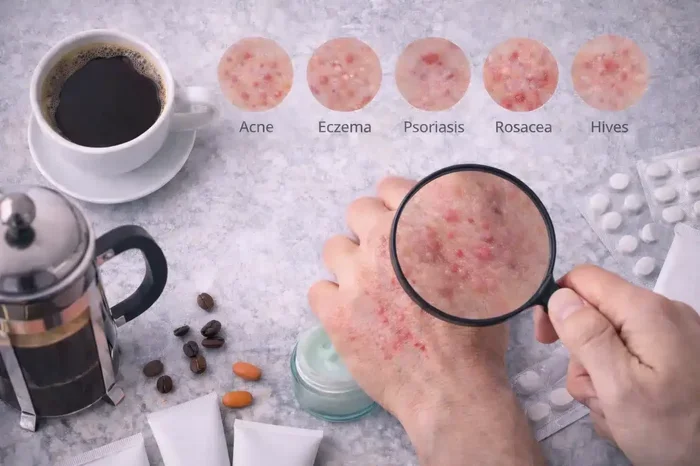
The most frequent symptom is itchy skin. You might notice red bumps or patches, especially on your face, chest, or arms. These are often hives, which are raised, welt-like areas that appear suddenly. Hives from coffee can be small dots or large swollen patches. They usually fade within a few hours, but they can return if you keep drinking coffee. Some people also experience a coffee rash that looks like dry, flaky skin on the hands or neck.
Other skin signs include:
- Redness and warmth on the cheeks
- A prickling or burning sensation
- Small blisters that leak clear fluid
- Dark patches after the hives heal
Itchy Mouth and Throat
If your mouth or throat itches right after sipping coffee, you may have oral allergy syndrome. This happens when proteins in coffee are similar to pollen proteins. Your immune system gets confused and attacks the coffee proteins. The itching usually stays in the mouth and goes away quickly. However, it can be a warning sign of a broader allergy. Pay attention to any swelling or difficulty swallowing, which needs immediate care.
Why Does Coffee Make Me Itchy? Underlying Causes
The short answer to Why Does Coffee Make Me Itchy is that several factors can team up to cause the reaction. Let us break down the main causes one by one. This will help you pinpoint your personal trigger.
Histamine in Coffee
Coffee beans naturally contain histamine. During the roasting process, histamine levels can increase. For people with histamine intolerance, even a normal cup of coffee can push their histamine levels over the edge. The result is itching, flushing, and sometimes a headache. A quick look at the histamine content of different coffee types can be eye-opening.
| Coffee Type | Histamine Level | Itch Risk |
|---|---|---|
| Freshly brewed drip coffee | Moderate | Medium |
| Espresso | High | High |
| Instant coffee | Low to Moderate | Low |
| Decaf coffee | Low | Low |
| Cold brew (long steep) | High | Medium-High |
As you can see, espresso and cold brew tend to have the highest histamine levels. If you are sensitive, switching to instant or decaf might ease the itch. Always pay attention to how your body reacts to each type.
Additives and Milk Allergies
Sometimes the coffee itself is not the problem. What you put in it can be the culprit. Milk is a common allergen that causes itching in many people. The proteins in cow’s milk can trigger an allergic reaction that shows up as hives or eczema. Even plant-based milks like almond or soy can cause itching if you have a sensitivity to them.
Other additives that might cause itching include:
- Artificial sweeteners
- Flavored syrups with preservatives
- Creamers with hydrogenated oils
- Sugar alcohols like sorbitol
If you drink black coffee and still get itchy, the coffee beans themselves are likely the issue. But if you add milk or syrup and the itching starts, try removing that ingredient one at a time. This simple test can reveal your true trigger.
Caffeine Withdrawal and Itch
Ironically, stopping coffee can also make you itch. Caffeine withdrawal can cause a range of symptoms, including headaches, fatigue, and skin irritation. When you quit cold turkey, your body goes through a adjustment period. Some people report a temporary increase in itching during this phase. This is not an allergy, but a withdrawal response. The itch usually fades within a few days as your body recalibrates.
If you want to reduce your coffee intake, do it gradually. Cut back by one cup every few days. This gives your body time to adapt and reduces the risk of withdrawal itching.
How to Find Relief: Practical Solutions
Dealing with coffee-induced itching does not mean you must suffer. There are many practical steps you can take right now to find relief. Some solutions are quick fixes, while others are long-term changes. I will walk you through the most effective options.
Switch to Low-Acid or Decaf
If caffeine sensitivity is your main issue, try switching to decaf coffee. Decaf still contains a tiny bit of caffeine, but the levels are so low that most people do not react. You can also look for low-acid coffee brands. These are smoother on the stomach and less likely to trigger histamine release. Another option is mushroom coffee, which is naturally lower in caffeine and histamine. Many people find that mushroom coffee gives them energy without the itch.
Here is a simple action plan:
- Replace your morning espresso with a cup of decaf.
- Wait 24 hours and note any changes in itching.
- If the itch stops, caffeine is your trigger.
- Try a half-caf blend to see if you can tolerate a small amount.
Try Antihistamines and Lifestyle Changes
Over-the-counter antihistamines can block the histamine response and stop the itching. Non-drowsy options like loratadine or cetirizine work well for most people. You can also apply a topical hydrocortisone cream to the itchy areas for fast relief. Cool compresses and aloe vera gel can soothe irritated skin naturally.
Lifestyle changes that help include:
- Drinking plenty of water to flush out histamine
- Eating a low-histamine diet on coffee days
- Avoiding other high-histamine foods like aged cheese and wine
- Using a water filter to remove impurities from your coffee water
When to See a Doctor
Most coffee itching is mild and manageable at home. However, you should see a doctor if you experience any of the following:
- Difficulty breathing or tightness in the chest
- Swelling of the face, lips, or tongue
- Itching that spreads all over the body
- Symptoms that last more than 24 hours
- Fainting or dizziness along with the itch
A doctor can perform a coffee allergy test or a skin prick test to confirm the diagnosis. They might refer you to an allergist for further evaluation. Do not ignore severe symptoms, as they can escalate quickly.
Can Other Foods Cause Similar Itching?
Itching after coffee is not always about coffee alone. Many common foods contain histamine or other compounds that can trigger the same reaction. If you notice itching after eating certain items, the problem might be a broader histamine intolerance. Here are three foods that often cause itching, along with links to guides on how to prepare them in ways that might reduce the reaction.
Bacon and Processed Meats
Bacon is a cured meat that is high in histamine and sulfites. Both can provoke itching in sensitive people. If you get a reaction after eating bacon, check out our guide on how to make bacon in the oven without parchment paper for tips on choosing lower-histamine preparation methods. Fresh, uncured meats are generally safer.
Sweet Potatoes and Oral Allergy Syndrome
Sweet potatoes are healthy, but they can cause an itchy mouth in people with pollen allergies. This is called oral allergy syndrome. The proteins in sweet potatoes resemble birch pollen proteins. If you experience itching after eating cubed sweet potatoes, you might want to read how to make cubed sweet potatoes in the oven for advice on cooking methods that may reduce the allergen load.
Hot Dogs and Nitrates
Hot dogs contain nitrates and nitrites, which are preservatives that can trigger itching and flushing in some individuals. If you suspect hot dogs are a problem, see our guide on how to make hot dogs in toaster oven for preparation tips that might help you avoid additives. Choosing nitrate-free brands is another good step.
Expert Insights and Quick Tips
Dealing with coffee itching can be tricky, but small changes make a big difference. Below are some expert-backed insights and quick tips to help you manage the problem day to day.
Common Mistakes to Avoid
Many people make mistakes that make their coffee itching worse. Here are the ones to watch out for:
- Ignoring the symptoms: Hoping the itch will go away on its own can lead to a worse reaction over time.
- Switching to energy drinks: These often have even more caffeine and artificial ingredients that can trigger itching.
- Using the same mug every time without washing: Residue from previous drinks can irritate your skin.
- Drinking coffee on an empty stomach: This can spike histamine release and make itching more intense.
Quick Tips for Immediate Relief
When the itch strikes right after your cup, try these fast fixes:
- Drink a full glass of water to dilute the caffeine and histamine.
- Apply a cool, damp cloth to the itchy area for 10 minutes.
- Take a non-drowsy antihistamine if you know it works for you.
- Take a short walk to help your body metabolize the caffeine faster.
- Deep breathe and relax, as stress can amplify the itch sensation.
These tips do not cure the underlying cause, but they can stop the discomfort quickly. Keep a small kit with water, a clean cloth, and an antihistamine tablet in your bag or desk drawer.
Conclusion
Why Does Coffee Make Me Itchy is a question with a clear answer once you look at the causes. Caffeine sensitivity, histamine intolerance, coffee allergy, and milk additives can all play a role. By paying attention to your symptoms and making smart choices, you can enjoy coffee without the itch. Try switching to decaf or low-acid brews, check your additives, and use antihistamines if needed. If the problem persists, see a doctor for proper testing. You deserve to enjoy your coffee in comfort, and with the right approach, you can get back to savoring every sip.
Frequently Asked Questions
Can coffee cause itching all over the body?
Yes, coffee can cause widespread itching if you have a caffeine sensitivity or a true coffee allergy. The histamine released during the reaction can affect your skin on your arms, chest, and face. If the itching is severe or comes with swelling, seek medical attention right away.
How long does coffee-induced itching last?
Mild itching from caffeine sensitivity usually fades within 1 to 3 hours after your last sip. If the itching is from an allergy, it may last longer and could require antihistamines. Caffeine withdrawal itching can persist for a few days as your body adjusts.
Is decaf coffee safer for people who get itchy?
Decaf coffee is generally safer because it contains very little caffeine. However, it still has trace amounts of caffeine and some histamine. If you are highly sensitive, you may still react to decaf. Try a small sip first and see how your body responds.
What is the best creamer to use if coffee makes me itch?
Switch to a dairy-free creamer made from oats or coconut milk. These are less likely to trigger a milk allergy reaction. Avoid creamers with artificial sweeteners and preservatives, as they can also cause itching in some people.
Can you develop a coffee allergy later in life?
Yes, it is possible to develop a coffee allergy at any age. Your immune system can suddenly decide that coffee proteins are a threat, even if you have drunk coffee for years. If you notice new itching or swelling after coffee, get tested by an allergist.
Does drinking coffee with food reduce itching?
Drinking coffee with food can slow down caffeine absorption and may reduce the intensity of the reaction. Eating a low-histamine meal alongside your coffee can also help buffer the histamine spike. However, this does not fix the underlying cause if you have a true allergy.