How To Make Bacon In The Oven Without Parchment Paper
Making bacon in the oven without parchment paper is one of the easiest and most reliable ways to get perfectly crispy bacon every time. You don’t need special tools, expensive liners, or complicated techniques. This guide walks you through the entire process from start to finish, covering everything from temperature settings to cleanup tips. Whether you’re a beginner or a seasoned cook, you’ll find practical advice that makes oven-baked bacon simple and enjoyable.
There’s something magical about how to make bacon in the oven without parchment paper. It’s simple, fast, and gives you that perfect crunch every single time. You don’t need fancy equipment or expensive supplies. Just a basic oven, some bacon strips, and a little patience.
Many people think parchment paper is essential for baking bacon. But the truth is, you can get amazing results without it. This guide will show you exactly how. You’ll learn the best temperatures, timing tips, and clever tricks to make oven-baked bacon that rivals any restaurant quality.
Whether you’re cooking for a big family breakfast or meal prepping for the week, this method saves time and reduces cleanup. No more standing over a hot stovetop splattering grease everywhere. Let’s dive in and explore the easiest way to make crispy bacon in your oven.
By the end of this article, you’ll know the exact steps, common mistakes to avoid, and pro tips that will change your breakfast game forever. Get ready to make perfect bacon every single time.
Key Takeaways
- No parchment paper needed: You can achieve perfect crispy bacon using just a baking sheet and aluminum foil or nothing at all.
- Oven temperature matters: 400°F is the sweet spot for even cooking and optimal crispiness.
- Wire racks give the best results: They allow grease to drip away, creating evenly cooked strips.
- Timing is flexible: Cooking time ranges from 15 to 25 minutes depending on thickness and desired crispness.
- Cleanup is a breeze: Oven bacon produces far less mess than stovetop cooking.
- Save the bacon grease: Rendered fat is a valuable cooking ingredient you can store and reuse.
- Avoid common mistakes: Overcrowding the pan and wrong temperature settings are the top culprits of uneven bacon.
📑 Table of Contents
- Why Oven Bacon Without Parchment Paper Works So Well
- What You Need to Get Started
- Step-by-Step Guide to Making Bacon in the Oven
- Tips for Perfectly Crispy Bacon Every Time
- Cleanup and Grease Disposal Made Easy
- Common Mistakes to Avoid
- Comparison: Methods for Making Bacon Without Parchment Paper
- Why This Method Beats Stovetop Cooking
- Storing and Reheating Your Bacon
- Conclusion
Why Oven Bacon Without Parchment Paper Works So Well
Cooking bacon in the oven is a game-changer for home cooks. It frees you from standing over a hot pan, flipping strips one by one. The oven handles the work for you, giving you consistent results every time.
When you skip parchment paper, you open up more options for cookware and technique. Aluminum foil, wire racks, or even bare baking sheets all work wonderfully. The key is understanding how heat and grease interact during the cooking process.
The Science Behind Even Cooking
Oven heat surrounds the bacon on all sides. This is very different from a stovetop pan, where only the bottom gets direct heat. When bacon strips cook in the oven, the rendered fat drips away from the meat. This creates a self-basting effect that keeps the bacon moist underneath while the top becomes perfectly crispy.
Without parchment paper, the bacon has direct contact with the baking surface. This actually helps the bottom crisp up faster. The bacon grease pools underneath and renders out completely, leaving you with less greasy bacon and more flavor.
Less Mess Than Stovetop Cooking
One of the biggest complaints about stovetop bacon is the mess. Hot grease splatters everywhere, and cleanup takes forever. When you bake bacon in the oven, the grease drips down into the pan or onto the foil. Your stovetop stays clean, and your kitchen stays grease-free.
This is especially helpful during holiday mornings or when you’re cooking large batches. Imagine making five pounds of bacon without a single grease splash. That’s the power of oven-baked bacon.
What You Need to Get Started
Before you start, gather your supplies. The good news is you don’t need much. Most of these items are already in your kitchen.
Essential Tools and Equipment
Here’s what you’ll need for how to make bacon in the oven without parchment paper:
- A rimmed baking sheet: This catches all the grease and prevents spills in your oven.
- Aluminum foil (optional): It makes cleanup even easier but isn’t required.
- A wire cooling rack (optional but recommended): This elevates the bacon and allows grease to drip through completely.
- Tongs: For flipping and removing hot bacon strips safely.
- A paper towel-lined plate: For draining excess grease after cooking.
You don’t need a wire rack to make great bacon. But if you want the crispiest results with the least grease, a rack is worth its weight in gold.
Choosing the Right Bacon
Not all bacon is created equal. Thick-cut bacon takes longer to cook but delivers a meatier bite. Thin-cut bacon crisps up faster but can burn if you’re not careful. For oven baking without parchment paper, medium-cut bacon strikes the best balance.
Look for bacon with a good ratio of meat to fat. Too much fat and your strips will curl up and cook unevenly. Too little fat and the bacon dries out quickly. A quality bacon recipe starts with the right cut of meat.
Step-by-Step Guide to Making Bacon in the Oven
Now let’s get into the nitty-gritty. Here’s exactly how to make bacon in the oven without parchment paper from start to finish.
Prepping Your Baking Sheet
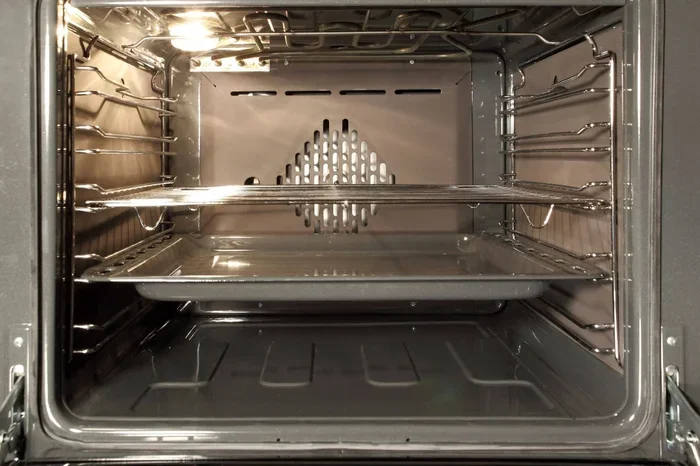
Start by lining your baking sheet with aluminum foil if you want easy cleanup. This step is completely optional, but it saves you from scrubbing baked-on grease later. Place the baking sheet on the center oven rack before you preheat. This way, the pan heats up as the oven reaches temperature.
If you’re using a wire rack, place it on top of the baking sheet. The rack allows hot air to circulate around the bacon, cooking it more evenly. It also lets the bacon drippings fall through, resulting in crispier strips.
Setting the Right Temperature and Timing
Preheat your oven to 400°F (200°C). This is the ideal oven temperature for most bacon recipes. At 400°F, the bacon renders fat quickly while the edges turn golden and crispy.
Arrange the bacon strips on the baking sheet or wire rack. Make sure the strips don’t overlap. Overlapping causes uneven cooking and steams the bacon instead of crisping it.
For thin-cut bacon, bake for 15 to 18 minutes. For thick-cut bacon, bake for 20 to 25 minutes. The bacon cooking time depends on your oven, the thickness of the meat, and how crispy you like it.
Checking for Doneness
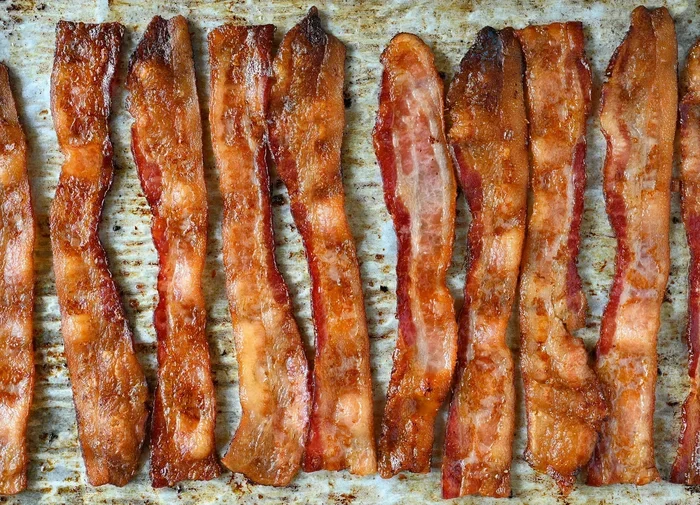
Start checking the bacon at the 15-minute mark. Look at the color and texture. Perfectly done crispy bacon should be deep golden brown with slightly curled edges. The fat should look rendered and slightly bubbly.
If you prefer chewier bacon, pull it out a few minutes early. If you love extra crispy strips, give it an extra 2 to 3 minutes. Keep a close eye on it during the last few minutes. Bacon can go from perfect to burnt quickly.
Once done, transfer the strips to a paper towel-lined plate. Let them drain for a minute or two before serving. This removes excess grease and keeps the bacon crispy.
Tips for Perfectly Crispy Bacon Every Time
Getting great results every time comes down to a few simple techniques. Here are the best bacon tips from experienced cooks.
Temperature and Timing Tips
Don’t be afraid to experiment with your oven temperature. Some people prefer 375°F for a slower, more even cook. Others swear by 425°F for ultra-crispy bacon in less time. The key is to know your oven and adjust accordingly.
Here’s a quick reference for different bacon thicknesses:
- Thin-cut bacon: 400°F for 12 to 16 minutes
- Medium-cut bacon: 400°F for 16 to 20 minutes
- Thick-cut bacon: 400°F for 20 to 25 minutes
- Extra thick or maple-cured bacon: 375°F for 22 to 28 minutes
Quick Tips Section
- Start cold: Place bacon on a cold baking sheet and put it in a cold oven. Turn the oven on and let everything heat up together. This promotes even rendering of fat.
- Don’t skip the draining step: Paper towels absorb excess grease and keep your bacon crispy longer.
- Use tongs to flip: If you want to flip your bacon halfway through, use tongs. It’s safer and prevents grease splatter.
- Save the grease: Let the rendered bacon grease cool, then strain and store it in a jar. It’s fantastic for cooking eggs, potatoes, and popcorn.
- Batch cooking: You can cook multiple sheets of bacon at once if your oven has room. Just make sure air circulates around each sheet.
Expert Insights
Professional chefs often say that baking bacon is the most underrated cooking technique. It produces consistent results with minimal effort. Chef Michael Ruhlman once noted that oven-baked bacon is the go-to method in most commercial kitchens because it’s efficient and scalable.
The lack of parchment paper actually works in your favor here. Without the paper barrier, the bacon gets more direct contact with the hot pan surface. This creates a crispier bottom that many people prefer over stovetop results.
Cleanup and Grease Disposal Made Easy
One of the biggest advantages of how to make bacon in the oven without parchment paper is the easy cleanup. When you use aluminum foil on your baking sheet, you can just ball up the foil and toss it. No scrubbing, no soaking, no greasy mess.
Dealing with Bacon Grease
After cooking, your baking sheet will have a pool of bacon grease. Let it cool for a few minutes before handling. Once solidified, you can scrape the grease off with a spatula and store it in a container.
Bacon drippings are a flavorful cooking fat. Use them to fry eggs, sauté vegetables, or make homemade salad dressing. Never pour hot grease down your drain, as it can cause serious plumbing problems.
Cleaning Your Baking Sheet
If you didn’t use foil, cleaning the pan is still easy. Let the grease cool and solidify, then wipe it off with a paper towel. For any remaining residue, fill the pan with hot water and a drop of dish soap. Let it soak for 15 minutes, and the grease will wipe right off.
For bacon cleanup that’s truly effortless, line your pan with foil before every use. This one habit saves you from ever scrubbing baked-on bacon grease again.
Common Mistakes to Avoid
Even though baking bacon is simple, there are a few common mistakes that can ruin your results. Here’s what to watch out for.
Overcrowding the Pan
The biggest mistake people make is cramming too many strips onto one sheet. When bacon strips overlap, they steam instead of roast. You end up with soggy, unevenly cooked bacon.
Give each strip plenty of space. If you need to cook a large batch, use multiple baking sheets or cook in batches. The extra few minutes of waiting is worth perfectly crispy bacon.
Wrong Temperature Settings
Too low and the bacon takes forever, drying out before the fat renders. Too high and the edges burn before the center cooks through. Stick to 375°F to 400°F for the best results.
Also, don’t skip preheating. A hot oven from the start ensures even cooking from edge to edge. Putting bacon into a cold oven and letting it heat up gradually is another popular method that works well.
Other Common Errors
- Not patting the bacon dry: Excess moisture on the surface leads to steaming instead of crisping. A quick pat with a paper towel before baking helps.
- Using a pan without a rim: Grease will spill into your oven, creating a mess and potential smoke. Always use a rimmed baking sheet.
- Forgetting to check the bacon: Oven temperatures vary widely. Check your bacon frequently during the last 5 minutes to prevent burning.
- Discarding the grease: Throwing away bacon grease is a waste of flavor and money. Store it properly and use it in your next meal.
Comparison: Methods for Making Bacon Without Parchment Paper
There are several ways to make bacon in the oven without parchment paper. Each method has its own advantages. Here’s how they compare:
| Method | Cleanup Ease | Crispiness | Even Cooking | Best For |
|---|---|---|---|---|
| Aluminum Foil on Baking Sheet | Excellent | Good | Very Good | Quick cleanup and large batches |
| Wire Rack Over Baking Sheet | Good | Excellent | Excellent | Maximum crispiness and least grease |
| Bare Baking Sheet (No Liner) | Fair | Very Good | Good | Minimalist approach with no extra supplies |
| Bare Baking Sheet with Parchment | Excellent | Good | Very Good | Not applicable (this method uses parchment) |
As you can see, the wire rack method delivers the best overall results for crispy bacon. The aluminum foil method is the easiest for cleanup. Choose the approach that fits your kitchen style and priorities.
Why This Method Beats Stovetop Cooking
Let’s compare oven-baked bacon to traditional stovetop bacon side by side. The differences might surprise you.
- Consistency: Every strip cooks evenly in the oven. On the stovetop, you deal with hot spots and uneven heat.
- Hands-free cooking: Oven bacon requires almost no attention. Stovetop bacon needs constant flipping and monitoring.
- Batch size: You can cook a full pound of bacon at once in the oven. Stovetop cooking is limited by pan size.
- Grease management: Oven grease pools neatly in the pan. Stovetop grease splatters everywhere.
- Texture: Oven bacon has a more uniform crunch. Stovetop bacon can have chewy and crispy spots in the same strip.
For these reasons, more and more home cooks are switching to how to make bacon in the oven without parchment paper as their go-to method. It’s faster, cleaner, and delivers better results.
Storing and Reheating Your Bacon
Got leftover crispy bacon? You can store it in an airtight container in the refrigerator for up to 5 days. Reheat it in the oven at 350°F for 3 to 5 minutes to restore the crunch. Avoid microwaving, as it makes bacon soggy.
For longer storage, freeze cooked bacon in a single layer on a tray, then transfer to a freezer bag. It keeps for up to 3 months. Reheat from frozen in the oven at 375°F for 5 to 7 minutes.
Conclusion
How to make bacon in the oven without parchment paper is a simple, rewarding skill that anyone can master. From choosing the right bacon to nailing the perfect temperature, this guide has covered everything you need. The results speak for themselves: crispy, evenly cooked bacon with minimal effort and a breeze to clean up.
Remember to use a rimmed baking sheet, keep an eye on the timing, and save that delicious bacon grease for later. Whether you prefer thin and crunchy or thick and chewy, the oven method gives you control and consistency every single time.
Give this method a try at your next breakfast. Once you experience the ease and quality of oven-baked bacon, you’ll never look back. Happy cooking, and enjoy every crispy bite!
Frequently Asked Questions
Can I use aluminum foil instead of parchment paper for oven bacon?
Absolutely. Aluminum foil works great as a liner for your baking sheet. It makes cleanup a breeze and helps the bacon grease collect neatly. Just make sure to use heavy-duty foil so it doesn’t tear when you’re disposing of the grease afterward.
What is the best oven temperature for making bacon without parchment paper?
400°F (200°C) is the most popular and reliable temperature for oven-baked bacon. It cooks the bacon evenly and renders the fat perfectly. If you prefer a slower cook, 375°F also works well and gives you a slightly chewier texture.
How long does it take to bake bacon in the oven?
The bacon cooking time depends on the thickness of your strips. Thin-cut bacon takes about 12 to 16 minutes, while thick-cut bacon needs 20 to 25 minutes at 400°F. Start checking at the 12-minute mark and adjust based on your desired level of crispiness.
Do I need a wire rack to make bacon in the oven?
No, a wire rack is optional but highly recommended. It allows the bacon grease to drip away from the strips, resulting in crispier bacon on all sides. If you don’t have a rack, you can still make great bacon directly on a foil-lined baking sheet.
Can I use this method for turkey bacon or Canadian bacon?
Yes, the oven-baked bacon method works for turkey bacon and Canadian bacon too. However, these meats cook faster than regular pork bacon, so reduce the cooking time by a few minutes. Keep a close eye on them to prevent overcooking.
Is it safe to store bacon grease for later use?
Yes, bacon drippings can be stored safely in an airtight container in the refrigerator for up to 3 months. Strain out any food particles first, and always reheat the grease gently before using it in your cooking. It adds incredible flavor to eggs, potatoes, and more.