What Is A Cuban Coffee Maker Called And Why You Need One
A Cuban coffee maker is called a cafetera, and it is the heart of Cuban coffee culture. This stovetop espresso maker brews strong, sweet Cuban espresso known as cafecito. Whether you call it a Moka pot or a cafetera cubana, this device makes rich coffee in minutes.
There is something magical about a cup of Cuban coffee. The aroma fills the room. The taste is bold and sweet. And the method? It is simple, fast, and deeply rooted in tradition. If you have ever wondered what a Cuban coffee maker is called, the answer is straightforward. It is called a cafetera. But there is so much more to this story than just a name.
The Cuban coffee maker is one of the most beloved kitchen appliances in Latin American households. It is small, affordable, and incredibly effective. Whether you are a coffee lover looking to expand your brewing methods or someone curious about Cuban coffee culture, this guide has everything you need. We will walk you through what the device is called, how it works, and why you should consider adding one to your kitchen today.
Making coffee at home does not have to be complicated. In fact, some of the best coffee comes from the simplest tools. The cafetera cubana is a perfect example of this. It has been used for generations, and its design has barely changed. That is a testament to how well it works. Let us dive into the world of Cuban coffee and explore everything there is to know.
Key Takeaways
- The Cuban coffee maker is called a cafetera, a stovetop espresso maker that brews strong, concentrated coffee.
- Cafecito is the name of the sweet, rich Cuban espresso drink made using this device.
- The cafetera cubana uses a simple brewing method that has been part of Cuban culture for over a century.
- You can use a traditional aluminum cafetera or a modern Moka pot to make authentic Cuban-style coffee at home.
- Making Cuban coffee is fast, affordable, and requires no expensive equipment.
- The sugar syrup technique is what sets Cuban coffee apart from regular espresso.
📑 Table of Contents
- What Is A Cuban Coffee Maker Called
- How Does A Cuban Coffee Maker Work
- The Cuban Coffee Recipe: Cafecito
- Types Of Coffee Makers Used For Cuban Coffee
- Why You Need A Cuban Coffee Maker In Your Kitchen
- Tips For Making Perfect Cuban Coffee
- Common Mistakes To Avoid
- The Cultural Significance Of Cuban Coffee
- Where To Buy A Cuban Coffee Maker
- Conclusion
What Is A Cuban Coffee Maker Called
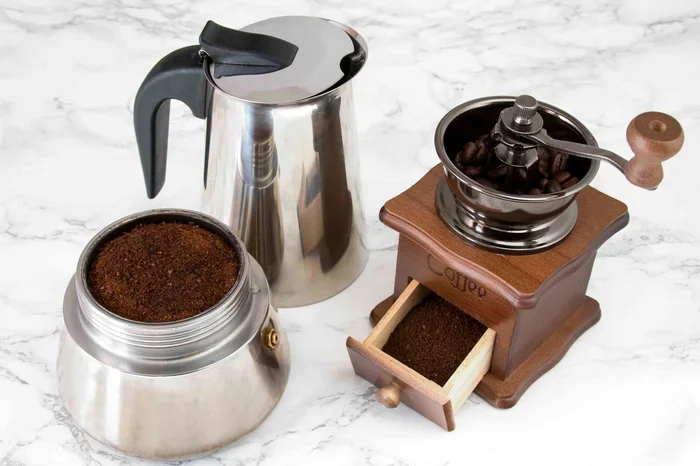
The traditional Cuban coffee maker is called a cafetera. In Cuba, people also refer to it as a cafeterita when talking about the smaller version. The device is a stovetop espresso maker that brews concentrated coffee using steam pressure. It looks like a tall metal pot with a filter basket inside and a spouted lid on top.
The cafetera is often compared to the Italian Moka pot. In fact, many people use the two terms interchangeably. Both devices work on the same basic principle. You fill the bottom chamber with water, add ground coffee to the filter basket, and place the pot on a stove. As the water heats up, it creates steam. The steam pushes the water through the coffee grounds and into the top chamber. The result is a strong, rich brew that is closer to espresso than drip coffee.
The Name Cafetera Cubana
In Cuba, people take their coffee very seriously. The cafetera cubana is not just a kitchen tool. It is a cultural symbol. You will find one in nearly every Cuban household. The device is often made of aluminum, which heats evenly and lasts for years. Some families pass their cafeteras down from generation to generation.
The word cafetera comes from the Spanish word for coffee, café. So a cafetera is literally a coffee maker. But in Cuba, it means something more. It represents a way of life. A slow morning ritual. A moment of connection with family and friends. When someone hands you a small cup of coffee from a cafetera, it is an act of hospitality and love.
How Does A Cuban Coffee Maker Work
Understanding how a cafetera works is simple. The device has three main parts. The bottom chamber holds water. The middle section contains the filter basket where you place the coffee grounds. The top chamber collects the brewed coffee. When you place the cafetera on a stove, the process begins.
Here is how the brewing method works step by step:
- You fill the bottom chamber with cold water up to the valve.
- You place finely ground coffee into the filter basket. You do not tamp it down.
- You screw the top chamber onto the base tightly.
- You place the cafetera on a stove over medium heat.
- As the water heats, it creates pressure that pushes water through the coffee grounds.
- The brewed coffee rises into the top chamber through a central tube.
- Once you hear a gurgling sound, you remove the pot from the heat.
The entire process takes about five minutes. That is it. No electricity is needed. No complex buttons or settings. Just heat, water, and coffee grounds. This is why the cafetera has remained popular for so long. It is reliable, portable, and produces excellent coffee every time.
If you enjoy exploring different kitchen appliances, you might also enjoy learning about what is a toaster oven uk to see how other classic kitchen tools work. The simplicity of the cafetera shares a similar appeal to many traditional cooking devices.
Why The Cafetera Makes Great Coffee
The cafetera produces a brew that is much stronger than regular drip coffee. The pressure created during brewing extracts more flavor and oils from the grounds. This gives the coffee a rich, full-bodied taste that is similar to espresso. However, it is not quite as intense as a true espresso machine. The flavor is smoother and slightly less concentrated.
The coffee grounds used in a cafetera are typically finer than what you would use for a drip machine but coarser than espresso grounds. This middle ground allows for optimal extraction without clogging the filter. The result is a balanced cup with a bold flavor profile that coffee lovers appreciate.
The Cuban Coffee Recipe: Cafecito
Now let us talk about the drink itself. Cuban coffee is called cafecito. It is also known as Cuban espresso or Cuban coffee. The drink is sweet, strong, and incredibly satisfying. What makes it unique is not just the coffee maker used but also the special way sugar is incorporated into the brewing process.
The Sugar Syrup Technique
The secret to authentic cafecito lies in the sugar syrup. Before the coffee begins to brew, you mix a small amount of the first drops of coffee with white sugar. This creates a thick, creamy paste called sugar syrup or espuma. The syrup is what gives Cuban coffee its signature sweet, velvety foam on top.
Here is how you make the sugar syrup:
- Place a few teaspoons of white sugar in a small cup or the spouted lid of the cafetera.
- Once the coffee starts brewing and the first drops come out, let them fall directly onto the sugar.
- Stir the mixture vigorously until it forms a thick, creamy paste.
- Continue brewing the rest of the coffee as normal.
- Once brewing is complete, stir the syrup into the full pot of coffee.
This technique is what gives Cuban coffee its unique character. The sugar syrup emulsifies with the coffee oils, creating a sweet, frothy layer on top. It is a simple trick, but it makes a world of difference. The result is a cup of strong coffee that is perfectly balanced between bold and sweet.
If you are interested in how other kitchen tools can transform your cooking experience, check out what is an air fryer toaster oven to learn about another popular kitchen appliance that has changed the way people cook.
How To Serve Cuban Coffee
Cuban coffee is traditionally served in small cups called tacitas. These are tiny espresso-sized cups that hold about two ounces of liquid. The idea is to enjoy the coffee slowly and savor every sip. In Cuba, it is common to serve cafecito after a meal or during social gatherings.
You can also enjoy Cuban coffee over ice. This version is called café cubano frío. Simply brew the coffee as usual, let it cool, and pour it over ice. Some people add a splash of milk, though purists prefer it black. The iced version is especially refreshing during warm weather.
Types Of Coffee Makers Used For Cuban Coffee
While the traditional cafetera cubana is the gold standard, there are several types of coffee makers you can use to brew Cuban-style coffee. Each option has its own advantages and fits different needs and budgets.
| Type | Material | Best For | Price Range |
|---|---|---|---|
| Traditional Cafetera | Aluminum | Authentic Cuban coffee | $10 – $25 |
| Moka Pot | Stainless Steel or Aluminum | Modern stovetop brewing | $20 – $50 |
| Electric Moka Pot | Stainless Steel | Convenience and consistency | $30 – $60 |
| Espresso Machine | Metal and Plastic | Closest to true espresso | $100+ |
The traditional aluminum cafetera is the most authentic option. It is affordable and widely available in Latin grocery stores. The Moka pot is a popular alternative that works just as well. Brands like Bialetti have made the Moka pot a household name around the world. Electric Moka pots offer the convenience of not needing a stove, which is great for people with busy lifestyles.
If you are looking for a reliable kitchen appliance that can do more than just brew coffee, you might want to explore what to cook in roaster oven for versatile cooking options beyond coffee preparation.
Which Coffee Maker Should You Choose
For the most authentic experience, go with a traditional aluminum cafetera. It is inexpensive, easy to use, and produces wonderful coffee. If you want something more durable and modern, a stainless steel Moka pot is an excellent choice. Electric Moka pots are great for people who want set-it-and-forget-it convenience.
No matter which type you choose, the key is to use finely ground coffee and fresh water. The quality of your coffee grounds directly affects the taste of the final brew. Invest in good-quality ground coffee or, even better, grind your own beans fresh before brewing.
Why You Need A Cuban Coffee Maker In Your Kitchen
Now that you know what a Cuban coffee maker is called and how it works, let us talk about why you need one. There are many reasons to add a cafetera to your kitchen collection.
First, it is incredibly affordable. You can buy a quality cafetera for less than $25. Compare that to an espresso machine that costs hundreds of dollars. The coffee maker gives you rich, espresso-like coffee at a fraction of the cost. Over time, you will save a lot of money by making Cuban coffee at home instead of buying it from cafes.
Second, it is fast. The entire brewing process takes about five minutes. That is quicker than waiting in line at a coffee shop. Whether you need a morning caffeine boost or an afternoon pick-me-up, the cafetera has you covered.
Third, it is versatile. You can use it on a gas stove, electric stove, or even a campfire. This makes it a great option for travel, camping, or any situation where you do not have access to electricity. The portability of the cafetera is one of its biggest advantages.
Fourth, it is durable. A well-made aluminum cafetera can last for decades with proper care. There are no plastic parts to break or electronic components to malfunction. It is a simple device that works reliably every single time. Many families treasure their cafeteras as heirlooms.
Finally, it connects you to a rich cultural tradition. Brewing coffee with a cafetera is more than just making a drink. It is about honoring a centuries-old tradition that brings people together. In Cuba, coffee is a social experience. It is a reason to sit down, slow down, and enjoy a moment with loved ones. When you use a cafetera, you become part of that tradition.
If you are new to using kitchen appliances and want to learn the basics, check out how to use a brand new oven for helpful tips on getting started with kitchen equipment.
Tips For Making Perfect Cuban Coffee
Making great Cuban coffee is easy once you know a few key tips. Follow these guidelines to get the best results every time you use your cafetera.
- Use fresh, finely ground coffee. The grind should be finer than drip coffee but not as fine as espresso. A medium-fine grind works best.
- Do not pack the coffee grounds tightly. Just level them off in the filter basket. Tamping too hard can clog the filter and slow down brewing.
- Use filtered water. Good water makes a big difference in taste. Avoid distilled water, which can taste flat.
- Heat the cafetera over medium heat. Too much heat can burn the coffee and create a bitter taste. Patience is key.
- Remove the cafetera from the heat as soon as you hear gurgling. Leaving it on the stove can over-extract the coffee and ruin the flavor.
- Make the sugar syrup first. Do not skip this step. It is what makes Cuban coffee truly Cuban.
- Serve immediately. Cuban coffee is best enjoyed fresh and hot. Do not let it sit for too long.
These simple tips will elevate your coffee brewing game. With a little practice, you will be making café-quality Cuban coffee right in your own kitchen. It becomes second nature after a few tries.
Common Mistakes To Avoid
Even though making Cuban coffee is simple, there are a few common mistakes that can affect the quality of your brew. Here is what to watch out for.
- Using the wrong grind size. Too coarse and the coffee will be weak. Too fine and it will clog the filter. Aim for a medium-fine consistency.
- Overfilling the filter basket. Use the right amount of coffee grounds. Overfilling leads to uneven extraction and a messy brew.
- Using boiling water. Always start with cold water. Boiling water can scald the coffee grounds and create a harsh taste.
- Ignoring the sugar syrup. Skipping the syrup means you are just making regular strong coffee, not authentic cafecito.
- Leaving the cafetera on the heat too long. This is the most common mistake. Remove it as soon as the coffee starts to rise into the top chamber.
Avoiding these errors will help you brew better coffee every time. Once you get the hang of it, you will not even need to think about the steps. It will become a natural part of your daily routine.
The Cultural Significance Of Cuban Coffee
Coffee in Cuba is more than just a beverage. It is a cornerstone of daily life and social interaction. The tradition of making and sharing Cuban coffee dates back centuries. When coffee was first introduced to the island in the 18th century, it quickly became a vital part of the economy and the culture.
Today, Cuban coffee culture thrives both on the island and in Cuban communities around the world. In Miami, for example, you will find cafeteras in nearly every Cuban household. The smell of brewing coffee is a familiar and comforting scent. It reminds people of home, family, and heritage.
The cafetera plays a central role in this culture. It is not just a tool for making coffee. It is a symbol of resilience, creativity, and community. In Cuba, coffee is often shared freely with neighbors and visitors. Offering a cup of cafecito is a gesture of warmth and generosity. This tradition has survived decades of challenges and continues to bring people together.
When you brew coffee with a cafetera at home, you are participating in a living tradition. You are keeping alive a practice that has been passed down through generations. That is something special. It gives every cup of coffee a deeper meaning.
Where To Buy A Cuban Coffee Maker
Finding a cafetera is easier than you might think. Latin grocery stores almost always carry them. You can also find traditional aluminum cafeteras online through various retailers. Moka pots from brands like Bialetti are available at most kitchen supply stores and online marketplaces.
When shopping for a coffee maker, look for one made of quality materials. Aluminum is the most traditional choice, but stainless steel options are more durable and easier to clean. Choose a size that fits your needs. A four-cup cafetera is perfect for a small household, while a six-cup model can serve a larger family or a group of guests.
If you are looking for a versatile kitchen appliance that can handle multiple tasks, consider exploring what to cook in roaster oven for ideas on maximizing your kitchen equipment.
Take care of your cafetera and it will last for many years. Clean it after every use and never put it in a dishwasher. Hand washing preserves the aluminum and keeps the coffee tasting fresh. With proper maintenance, your cafetera will serve you well for decades.
Conclusion
A Cuban coffee maker is called a cafetera, and it is one of the simplest yet most rewarding kitchen tools you can own. It brews strong, sweet, and incredibly flavorful coffee in just minutes. Whether you call it a cafetera cubana, a Moka pot, or a stovetop espresso maker, the result is the same: a delicious cup of cafecito that connects you to a rich cultural tradition.
The beauty of the cafetera lies in its simplicity. It requires no electricity, no complex settings, and no expensive beans. Just heat, water, and quality coffee grounds. Add the signature sugar syrup, and you have an authentic Cuban coffee experience right at home.
If you love coffee and want to try something new, pick up a cafetera today. It is affordable, durable, and fun to use. Once you start making Cuban coffee, you will wonder how you ever lived without it. The cafetera is more than a coffee maker. It is a gateway to a world of bold flavor and warm tradition.
So go ahead. Brew yourself a cup of cafecito. Sit down. Savor the moment. That is what Cuban coffee is all about.
Frequently Asked Questions
What is the traditional Cuban coffee maker called?
The traditional Cuban coffee maker is called a cafetera. In Cuba, it is also known as a cafetera cubana or cafeterita. It is a stovetop espresso maker that brews strong, concentrated coffee using steam pressure and a simple aluminum pot design.
How is Cuban coffee different from regular espresso?
Cuban coffee, or cafecito, is made using a cafetera which produces a brew similar to espresso but slightly less intense. The key difference is the sugar syrup technique, where the first drops of coffee are mixed with sugar to create a sweet, creamy foam that gives Cuban coffee its unique flavor profile.
Can I use a Moka pot to make Cuban coffee?
Yes, absolutely. A Moka pot works very similarly to a traditional cafetera and produces a comparable brew. The main difference is the material and design. Many people use Moka pots to make authentic Cuban-style coffee at home with excellent results.
What type of coffee grounds should I use in a cafetera?
Use finely ground coffee that is slightly coarser than espresso grounds but finer than drip coffee grounds. A medium-fine grind works best for the cafetera. Freshly ground beans will give you the best flavor and aroma for your Cuban coffee.
Why is sugar syrup important in Cuban coffee?
The sugar syrup, called espuma, is what gives Cuban coffee its signature sweet, velvety foam. It is made by mixing the first drops of brewing coffee with sugar before the rest of the coffee is brewed. This technique creates a balanced sweetness that complements the bold flavor of the espresso.
Is a cafetera the same as an espresso machine?
A cafetera is not the same as an electric espresso machine, but it produces a similar result. The cafetera uses stovetop heat and steam pressure to brew concentrated coffee, while an espresso machine uses electric pumps to create higher pressure. Both make excellent strong coffee, but the cafetera is simpler, more affordable, and more portable.