Why Does Coffee Make Breath Stink And How To Fix It
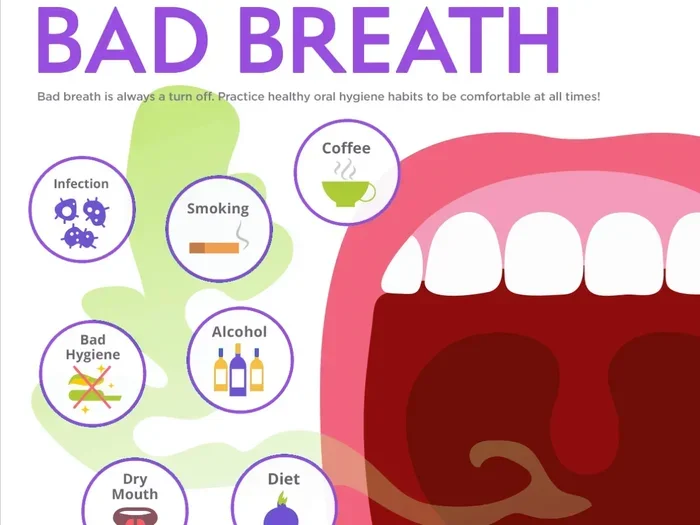
Coffee is one of the biggest causes of bad breath because it dries out your mouth and leaves behind strong sulfur compounds. When your saliva drops, bacteria multiply fast and create that unpleasant coffee smell. The good news is that fixing coffee breath is simple with the right habits and quick remedies.
You finish your morning cup of coffee and lean in for a kiss or a quick chat. Then it hits you. Your breath smells terrible. You are not alone. Millions of people deal with this every single day. Coffee is one of the most popular drinks in the world. But it also has a dark side when it comes to your breath. The good news is that you can fix it. Let us talk about why coffee makes your breath stink and what you can do about it.
Understanding the root cause is the first step. Once you know what is happening inside your mouth, you can take real action. This guide covers everything from the science behind coffee breath to simple fixes you can use today. Whether you drink one cup or five, these tips will help you keep your breath fresh all day long.
Key Takeaways
- Coffee causes bad breath by drying out your mouth and reducing saliva flow
- Sulfur compounds in coffee are the main culprits behind the stale smell
- Brushing, flossing, and hydrating are the most effective ways to combat coffee breath
- Natural remedies like parsley, mint, and lemon can neutralize odors quickly
- Prevention starts with your morning routine and smart coffee habits
- Persistent bad breath may signal dental issues that need professional attention
📑 Table of Contents
What Happens When Coffee Meets Your Mouth
The Science Behind Coffee Breath
Coffee is not just a dark liquid. It is a complex mix of compounds that react with your mouth in surprising ways. When you take a sip, coffee molecules attach to your tongue, gums, and the inside of your cheeks. These molecules linger long after you swallow. They cling to your saliva and oral tissues. This is the starting point of coffee breath.
Your mouth is home to hundreds of types of bacteria. Most of them are harmless. But some of them love to feed on the leftover coffee particles. As they break down these particles, they release gases. These gases smell awful. That is the classic stale coffee smell you notice after your morning cup.
How Coffee Affects Saliva Production
Here is something most people do not know. Coffee is a natural diuretic. It pulls moisture out of your body. This includes your mouth. When your mouth gets dry, your saliva production drops. Saliva is your mouth’s natural cleaning system. It washes away food particles and bacteria. Without enough saliva, bacteria grow faster. This leads to worse breath over time.
Many coffee drinkers experience this every morning. You wake up, brush your teeth, then drink coffee. Within minutes, your mouth feels dry. That dry feeling is the first sign that your breath is about to get worse. The combination of reduced saliva and coffee compounds creates the perfect storm for bad breath.
The Real Culprits: What Makes Coffee Breath So Stubborn
Sulfur Compounds in Coffee
Coffee contains natural sulfur compounds. These are the same types of compounds found in garlic and onions. When coffee breaks down in your mouth, it releases volatile sulfur compounds, or VSCs. These tiny molecules float into the air every time you breathe or talk. They are the main reason why coffee breath smells so strong and lasts so long.
Not all coffee is equal in this regard. Dark roast coffee has more sulfur compounds than light roast. This means your favorite dark brew might be making your breath worse. But no matter the roast, all coffee contributes to the problem to some degree.
Coffee’s Acidity and Its Effects
Coffee is highly acidic. The pH level of black coffee is around 5. That is not far from battery acid on the scale. This acidity can harm your tooth enamel and irritate your gums. It also creates an environment where bacteria thrive. Acidic conditions in your mouth speed up the breakdown of food particles. This means more odor-causing bacteria and worse breath.
Over time, the acidity can also lead to other oral health issues. Gum inflammation and tooth decay can make bad breath even worse. This is why oral hygiene matters so much for coffee drinkers. Brushing and flossing help remove the acidic residue that lingers after you finish your cup.
How Coffee Breath Affects Your Daily Life
Social and Professional Impact
Bad breath from coffee can affect more than just your mouth. It can impact your confidence. Imagine sitting in a meeting or on a date. You lean forward to speak, and you worry about your breath. That is a real feeling for many coffee lovers. The coffee smell on your breath can make you feel self-conscious in social situations.
In the workplace, fresh breath matters more than people think. Close conversations, team meetings, and lunch breaks all involve being close to others. Coffee breath can create awkward moments. The good news is that fixing it does not require giving up your favorite drink. It just takes the right approach.
The Connection Between Coffee and Morning Breath
Morning breath is already a common problem. You sleep with your mouth closed. Saliva production slows down overnight. Bacteria build up while you rest. Then you wake up and drink coffee. The coffee makes everything worse. You start your day with a double dose of bad breath causes.
This is why so many people reach for a breath mint right after their morning coffee. It is a quick fix, but it does not address the root cause. Understanding the link between morning breath and coffee helps you find better solutions. You need to tackle both the dry mouth and the sulfur compounds.
How To Fix Coffee Breath: Proven Solutions
Quick Fixes for Immediate Relief
Sometimes you need fresh breath right now. Maybe you have a meeting in five minutes. Here are some quick fixes that work fast:
- Drink a glass of water. Water rehydrates your mouth and washes away coffee residue. It is the simplest and fastest fix.
- Chew sugar-free gum. Gum stimulates saliva production. This helps clean your mouth naturally. Look for gum with xylitol for extra benefits.
- Use a mouthwash that fights bacteria. A good mouthwash kills odor-causing germs. Choose one with chlorine dioxide or cetylpyridinium chloride.
- Eat a piece of fresh fruit. Apples and oranges can neutralize coffee odors naturally. The fiber and water content help clean your mouth.
These fixes do not last forever. But they give you quick relief when you need it most. Keep sugar-free gum or mints in your bag or desk drawer for easy access.
Long-Term Habits for Lasting Freshness
Quick fixes are great for emergencies. But long-term habits are what really make a difference. Here are the practices that will keep your breath fresh all day:
- Brush your teeth after drinking coffee. Wait about 30 minutes after your cup. Brushing immediately can spread the acid around. But waiting a bit lets the acidity settle, and then brushing removes the residue effectively.
- Floss daily. Coffee particles get stuck between your teeth. Flossing removes what your toothbrush misses. This is one of the most important steps for fix bad breath permanently.
- Scrape your tongue. Your tongue traps bacteria and coffee residue. A tongue scraper removes this buildup. It only takes a few seconds and makes a big difference.
- Stay hydrated throughout the day. Drink water between cups of coffee. This keeps your saliva flowing and your mouth clean.
- Visit your dentist regularly. Professional cleanings remove buildup that brushing alone cannot handle. Your dentist can also check for underlying issues.
These habits take only a few minutes each day. But they add up to a big change in how your breath smells. Consistency is the key to long-term results.
Prevention Tips: Enjoy Coffee Without The Stink
Best Practices for Coffee Drinkers
You do not have to choose between loving coffee and having fresh breath. You can enjoy both. Here are some practical tips to prevent coffee breath before it starts:
- Drink water alongside your coffee. A sip of water between every few sips of coffee helps rinse your mouth.
- Choose lighter roasts when possible. They contain fewer sulfur compounds than dark roasts.
- Add milk or cream. Dairy can neutralize some of the acids in coffee. It also coats your mouth and reduces the contact of coffee compounds with your oral tissues.
- Limit sugary add-ins. Sugar feeds bacteria in your mouth. This makes bad breath worse. Try natural sweeteners or drink your coffee black if you can tolerate it.
- Drink coffee in one sitting. Sipping coffee over hours keeps the odor compounds in your mouth longer. Finish your cup and then rinse with water.
Making small changes to how you drink coffee can have a big impact. You do not need to give up your daily ritual. Just adjust it slightly to protect your breath.
Kitchen Habits That Help
Your kitchen habits play a bigger role in your breath than you might think. Keeping your kitchen clean and your tools in good shape supports better oral hygiene overall. For example, if you notice your baking pan bent in the oven from frequent use, it might be time to replace it. Old, warped cookware can harbor bacteria and affect the quality of your food. Fresh, clean kitchen tools contribute to a healthier overall routine, which supports fresher breath.
Also, think about your breakfast routine. If you start your morning by making bacon in the oven without parchment paper, the strong food odors can mix with coffee breath and make things worse. Cooking bacon produces its own set of odor molecules that linger in your kitchen and on your clothes. Being mindful of these combinations helps you manage your overall freshness throughout the morning.
Quick breakfast options can also play a role. When you make hot dogs in a toaster oven for a fast morning meal, you avoid the heavy grease and strong cooking smells that come with stovetop cooking. Lighter, cleaner breakfast choices paired with good oral hygiene create a much better foundation for fresh breath all day long.
When To See A Dentist About Persistent Bad Breath
Most coffee breath goes away with simple fixes. But sometimes, bad breath sticks around no matter what you do. If you brush, floss, and stay hydrated, and your breath still smells bad, it is time to see a professional. Persistent halitosis can be a sign of deeper issues.
Gum disease, cavities, and oral infections all cause chronic bad breath. These conditions need professional treatment. No amount of mouthwash or gum will fix them on their own. Your dentist can identify the problem and recommend the right treatment.
Do not ignore persistent bad breath. It is your body sending a signal. Listening to that signal early can save you from bigger problems down the road. Schedule a dental checkup if your breath does not improve with the tips in this guide.
Conclusion
Why does coffee make breath stink? The answer comes down to a mix of sulfur compounds, dry mouth, and bacteria. Coffee is a beloved drink, but it leaves behind odor-causing residues that are hard to ignore. The good news is that you do not need to give up coffee to have fresh breath. With the right habits, you can enjoy your daily cup and still feel confident in close conversations.
Start with the quick fixes for immediate relief. Then build long-term habits that keep your mouth clean and hydrated. Brush after coffee, floss daily, scrape your tongue, and drink plenty of water. These simple steps make a huge difference. And if your breath does not improve, do not hesitate to see your dentist. Fresh breath is within reach for every coffee lover. Take action today and enjoy your coffee without the worry.
Frequently Asked Questions
Does adding milk to coffee reduce bad breath?
Yes, adding milk can help. Dairy proteins coat your mouth and neutralize some of the acids in coffee. This reduces the contact of odor-causing compounds with your oral tissues. Milk also contains less sulfur than black coffee, which means less of the compounds that cause bad breath.
How long does coffee breath last after drinking coffee?
Coffee breath can last anywhere from 30 minutes to several hours. It depends on how much coffee you drink, whether you have dry mouth, and your oral hygiene habits. Drinking water and brushing your teeth can significantly reduce the duration of coffee breath.
Can drinking water after coffee prevent bad breath?
Drinking water after coffee is one of the simplest and most effective ways to prevent bad breath. Water rinses away coffee residue from your tongue, gums, and cheeks. It also helps restore moisture to your mouth, which supports healthy saliva production and reduces bacteria growth.
Is coffee breath the same as morning breath?
Coffee breath and morning breath are related but not the same. Morning breath happens because saliva production drops overnight. Coffee makes morning breath worse because it further dries out your mouth and adds sulfur compounds. Together, they create a stronger odor than either cause alone.
Can sugar-free gum really fix coffee breath?
Sugar-free gum is a great quick fix. It stimulates saliva production, which helps wash away coffee particles and bacteria. Gum with xylitol is especially effective because xylitol actively fights odor-causing bacteria. However, gum is a temporary solution and works best when combined with other habits like brushing and flossing.
What type of coffee causes the worst breath?
Dark roast coffee tends to cause the worst breath. It has more sulfur compounds than light roast coffee. Espresso and French press coffee also cause strong breath because they contain concentrated coffee compounds. If you are sensitive to coffee breath, switching to a lighter roast may help reduce the odor.
=== CONCLUSION ===
Coffee breath is a common problem, but it is a fixable one. Understanding what causes it gives you the power to take action. From sulfur compounds to dry mouth, the reasons are clear. And the solutions are simple. Drink water, brush after your cup, floss daily, and keep your kitchen habits clean and healthy. You deserve to enjoy your coffee without worrying about your breath. Start using these tips today and feel confident in every conversation.