Why Does My Baking Pan Bent In The Very Hot Oven Today
Your baking pan bends in a hot oven because of rapid temperature changes, thin metal, and uneven heat expansion. Understanding why does my baking pan bent in oven helps you prevent costly replacements and achieve better baking results. This guide covers the real causes, quick fixes, and simple prevention tips so your pans last longer and bake evenly every single time.
Key Takeaways
- Thermal shock is the #1 cause: Sudden temperature changes force the metal to expand or contract unevenly, leading to warping.
- Thin, low-quality pans warp faster: Lightweight aluminum and thin steel lack the structural strength to handle high heat.
- Preheating matters enormously: Placing a cold pan into a preheated oven creates dangerous thermal stress on the metal.
- You can fix a mildly warped pan: The hammer-and-towel method works surprisingly well for minor bending issues.
- Invest in quality materials: Heavy-gauge, oven-safe baking pans resist warping and deliver superior baking performance.
- Proper cooling prevents warping: Never rinse a hot pan with cold water immediately after baking.
- Even heat distribution keeps pans flat: Using the right pan size for your oven promotes balanced heating and longevity.
📑 Table of Contents
Why Does My Baking Pan Bent In Oven? The Surprising Truth
You pull out your favorite baking pan and notice something awful. The bottom is curved. The edges are uneven. Your once-flat baking sheet now looks like a bowl. This is frustrating, especially when you just want to make perfect cookies or brownies. So why does my baking pan bent in oven? There are several reasons, and most of them are completely preventable.
Baking pan warping happens to almost every home baker at some point. It is not a sign that you did something wrong. It is usually the result of how heat interacts with metal. Once you understand the science behind it, you can stop it from happening. This article explains the real causes, the best fixes, and the easiest ways to keep your pans flat for years to come.
The good news is that a bent pan does not have to mean a ruined pan. Whether you have a thin cookie sheet or a heavy-duty roasting pan, there are steps you can take right now. Let us dive into the most common reasons your pan warps and what you can do about it.
The Science Behind Pan Warping
Metal expands when it gets hot. It contracts when it cools. This is basic physics. But when one part of the pan heats up faster than another part, the metal bends. The uneven expansion creates stress. Over time, that stress causes the pan to warp permanently.
Understanding thermal expansion is key. Every metal has a different rate of expansion. Aluminum expands quickly. Stainless steel expands more slowly. When the two expand at different rates, the pan loses its shape. This is why baking pan warping is so common in kitchens around the world.
How Heat Affects Metal Cookware
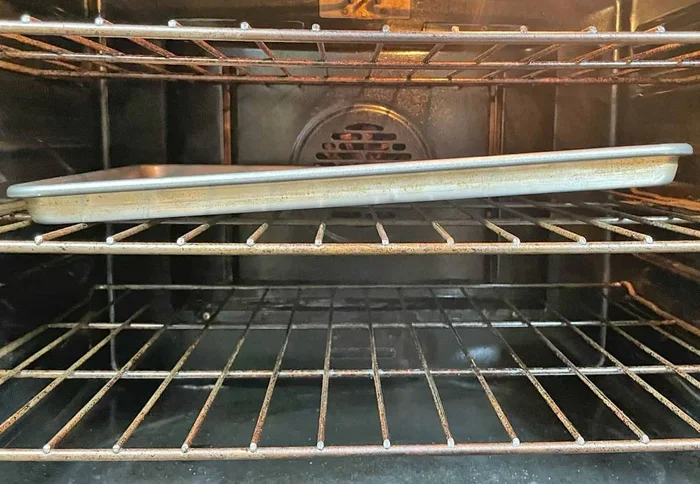
When you place a pan in a hot oven, the bottom heats up first. The sides heat up next. If the oven temperature is extremely high, the bottom can get much hotter than the sides. This creates a pressure imbalance. The hot bottom wants to expand, but the cooler sides hold it back. The result? The pan buckles upward or downward.
Think of it like a piece of paper. If you heat one side, it curls. A baking pan works the same way, except the metal is much thicker and the force is much stronger. This is the core reason why does my baking pan bent in oven remains such a common question among home cooks.
The Role of Oven Temperature
Oven temperature plays a huge role in pan warping. Higher temperatures mean more expansion. A pan used at 450°F experiences far more stress than one used at 350°F. If you regularly bake at very high heat, your pans are more likely to warp over time.
Here is something many people do not realize. The oven-safe label on a pan does not mean it will never warp. It only means the pan can handle the heat without releasing harmful chemicals. Warping is a physical response, not a safety issue. So even oven-safe pans can bend if the conditions are wrong.
Common Causes of a Warped Baking Pan
Now that you understand the science, let us look at the specific causes. Each one contributes to warping in different ways. Some are easy to fix. Others require you to change your cooking habits slightly.
1. Thermal Shock From Temperature Changes
Thermal shock is the biggest enemy of baking pans. It happens when you expose hot metal to sudden cold or vice versa. For example, taking a piping hot pan and placing it on a cold wet countertop. Or rinsing a hot pan under cold water right after baking.
The rapid temperature change causes the metal to contract instantly. One side shrinks faster than the other. This creates permanent damage. To avoid this, always let your pan cool down gradually. Place it on a dry towel or a wooden board. Never run cold water over a hot pan.
2. Thin or Low-Quality Metal
Not all baking pans are created equal. Thin aluminum pans and lightweight cookie sheets warp much more easily than heavy-duty options. If your pan feels flimsy, it probably will not last long in a hot oven.
Thin metal simply cannot handle the stress of high heat. It expands too quickly and unevenly. Low-quality baking pans often use cheap materials that lack structural integrity. Investing in a thicker, higher-quality pan makes a massive difference in durability and performance.
3. Uneven Heat Distribution
Some ovens heat unevenly. Hot spots develop in certain areas of the oven. If your pan sits on a hot spot, one section expands more than the rest. This uneven heating causes the pan to bend over time.
You can test your oven for hot spots using a simple bread test. Place slices of bread on a baking sheet and bake at 350°F for a few minutes. The slices that toast faster reveal the hot zones. Knowing where these spots are helps you position your pan better and reduces warping risk.
4. Overheating an Empty Pan
Never preheat an empty pan in the oven. This is one of the worst things you can do. Without food or liquid to absorb the heat, the pan gets extremely hot very fast. The entire surface heats at once, creating massive expansion pressure.
This causes the pan to warp almost immediately. Always place food in the pan before putting it in the oven. The food absorbs heat more evenly and protects the metal from extreme temperature stress.
5. Using the Wrong Size Pan for Your Oven
A pan that is too large for your oven can touch the top or sides of the oven cavity. This restricts airflow and creates uneven heating. The parts of the pan that touch the oven walls heat up faster than the rest, leading to warping.
Always choose a pan size that fits comfortably in your oven with at least an inch of space on all sides. This allows air to circulate properly and keeps the heat balanced. Proper airflow is one of the simplest ways to prevent warped baking sheet problems.
How to Fix a Warped Baking Pan
So your pan is already warped. Do you have to throw it away? Not necessarily. There are a few methods you can try to flatten it out again. Some work better than others, but even a partial fix can extend the life of your pan significantly.
The Towel and Hammer Method
This is the most popular fix for a mildly warped pan. Here is how it works. Place the warped pan upside down on a thick towel or a folded blanket. The towel acts as a cushion and protects the surface underneath. Then, gently tap the curved area with a rubber mallet or a hammer wrapped in a cloth.
Work slowly and evenly. Do not hit too hard. You want to coax the metal back into shape, not pound it aggressively. Flip the pan over and check your progress after a few taps. Repeat until the pan is mostly flat again. This method works best for pans that have only slightly bent.
The Heat and Cool Technique
Another approach involves using heat to relax the metal. Place the warped pan on a stovetop burner set to low heat. Let it warm up slowly. The gentle heat helps the metal become more flexible. Once warm, place the pan on a flat surface and press down gently on the curved area.
You can also try heating the pan in the oven at a low temperature, around 200°F, for about 10 minutes. Then remove it and place it on a flat surface while it is still warm. The warmth makes the metal more pliable. A flat object like a cast iron skillet placed on top can help flatten it as it cools.
When to Replace a Warped Pan
Not every warped pan can be saved. If the pan is severely bent, has deep creases, or the coating is peeling, it is time to replace it. A badly warped pan will not bake evenly. Your cookies will burn on one side and stay raw on the other. The same goes for cakes and brownies.
Also, severely warped pans can wobble on the oven rack. This creates a safety hazard. If the pan tips or slides around, it is a clear sign you need a new one. Do not risk a mess or a burn just to save an old pan.
How to Prevent Your Baking Pan From Warping
Prevention is always easier than repair. Once you know what causes warping, you can take simple steps to stop it from happening. These tips will help your baking pans stay flat and functional for a long time.
Choose Heavy-Gauge Pans
The single best way to prevent warping is to buy heavy-gauge pans. These pans use thicker metal that resists expansion and contraction. Look for pans labeled as heavy-duty or professional-grade. They cost more upfront but last much longer.
A quality baking pan material makes all the difference. Double-layered aluminum pans and reinforced steel sheets are excellent choices. They distribute heat more evenly and handle high temperatures without bending. Your baking pan durability will improve dramatically with the right material.
Preheat the Oven Before Adding Food
Always preheat your oven before placing food inside. A preheated oven ensures even heat from the start. This prevents the bottom of the pan from getting much hotter than the sides.
Some people put food in a cold oven and let both heat up together. This is fine for some recipes. But for high-heat baking, preheating is essential. It gives you better control over the temperature and reduces the risk of pan warping causes like sudden expansion.
Avoid Sudden Temperature Changes
Never expose a hot pan to cold water or a cold surface. Let it cool on a dry, heat-safe surface. A wire cooling rack works great. So does a wooden cutting board or a dry dish towel.
If you need to cool the pan faster, place it in the sink with room-temperature water. Do not use ice water or run the faucet cold directly on the hot metal. Gradual cooling keeps the metal stable and prevents warped pan fix situations from becoming necessary.
Use Parchment Paper or Silicone Mats
Parchment paper and silicone baking mats create a buffer between the pan and the food. They help distribute heat more evenly across the surface. This reduces the stress on the metal and lowers the chance of warping.
Plus, parchment paper makes cleanup easier and prevents food from sticking. It is a simple addition that protects your pan and improves your baking results at the same time.
Store Pans Properly
How you store your pans matters more than you might think. Stacking heavy pans without protection can cause small dents and bends over time. Use pan protectors or place a cloth between stacked pans.
Hang pans on a wall rack if you have the space. This keeps them flat and prevents pressure points that can lead to warping. Proper storage is an easy habit that extends the baking pan lifespan significantly.
Best Baking Pans That Resist Warping
If you are in the market for new pans, choosing the right ones can save you from the frustration of warping. Not all pans are built the same. Some are designed specifically to resist bending and maintain their shape through years of use.
What to Look For in a Warp-Resistant Pan
When shopping for baking pans, keep these features in mind. First, look for thick-gauge metal. The thicker the metal, the more resistant it is to warping. Second, check for a reinforced or rolled edge. This adds structural strength to the entire pan. Third, look for a warping resistance rating or warranty. Many quality brands offer guarantees against warping.
Also consider the material. Aluminized steel and heavy-gauge aluminum are excellent choices. They combine good heat conductivity with structural strength. Quality baking pan options may cost more, but they pay for themselves over time by lasting much longer.
Top Materials for Warp-Resistant Baking Pans
- Heavy-gauge aluminum: Heats evenly and resists bending better than thin aluminum.
- Aluminized steel: Combines the strength of steel with the heat conductivity of aluminum.
- Double-ply construction: Two layers of metal bonded together provide extra rigidity.
- Reinforced steel: Thicker edges and heavier body prevent warping at high temperatures.
Investing in the right material is one of the best decisions you can make for your kitchen. A good pan lasts for years and delivers consistent even baking results every time.
Expert Insights on Pan Warping
Professional bakers and cookware experts agree on a few key points about pan warping. First, warping is not a defect in most cases. It is a natural physical response to heat stress. Even expensive pans can warp if they are mistreated.
Second, prevention is always better than repair. The habits you build in the kitchen determine how long your pans last. Simple practices like gradual cooling and proper preheating make a huge difference. Third, not all warping is visible right away. A pan may develop a slight bend that you do not notice at first but that affects baking performance over time.
Experts also recommend rotating your pans halfway through baking. This helps compensate for any hot spots in your oven and promotes even heating on all sides of the pan. It is a small habit that protects your investment and improves your baked goods.
Key Takeaways
- Thermal shock is the #1 cause: Sudden temperature changes force the metal to expand or contract unevenly, leading to warping.
- Thin, low-quality pans warp faster: Lightweight aluminum and thin steel lack the structural strength to handle high heat.
- Preheating matters enormously: Placing a cold pan into a preheated oven creates dangerous thermal stress on the metal.
- You can fix a mildly warped pan: The hammer-and-towel method works surprisingly well for minor bending issues.
- Invest in quality materials: Heavy-gauge, oven-safe baking pans resist warping and deliver superior baking performance.
- Proper cooling prevents warping: Never rinse a hot pan with cold water immediately after baking.
- Even heat distribution keeps pans flat: Using the right pan size for your oven promotes balanced heating and longevity.
Conclusion
Now you know the full answer to why does my baking pan bent in oven. The causes are clear: thermal shock, thin metal, uneven heat, and sudden temperature changes. The fixes are simple: the towel-and-hammer method, heat and cool technique, and knowing when to replace a badly damaged pan.
Prevention is the most powerful tool you have. Choose heavy-gauge pans, preheat your oven properly, avoid sudden temperature changes, and store your pans with care. These habits will keep your baking pans flat and functional for years.
A warped pan does not have to be the end of the world. With the right knowledge and a few simple changes, you can bake with confidence every single time. Your pans are an investment in your kitchen and your baking journey. Treat them well, and they will reward you with perfectly even baked goods for a long time to come.
Start implementing these tips today. Your future self, and your cookies, will thank you. Happy baking.
Frequently Asked Questions
Can a severely warped baking pan be fixed?
Severely warped pans are very difficult to fix at home. The hammer-and-towel method works best for mild bending. If the pan has deep creases or is badly deformed, replacement is usually the safest and most practical option. A severely warped pan will not bake evenly even if you manage to flatten it partially.
Is it safe to use a warped baking pan?
Mildly warped pans are generally safe to use, but they will not bake evenly. Food may burn on the high spots and remain undercooked in the low spots. Severely warped pans can wobble on the oven rack and pose a safety risk. If your pan is badly bent, it is best to replace it.
Does putting a warped pan in the dishwasher cause warping?
Yes, dishwashers can contribute to warping. The high heat during the drying cycle combined with sudden cooling when the cycle ends can stress the metal. Hand washing with warm water and mild soap is gentler on baking pans and helps prevent warping over time.
How do I know if my baking pan is oven-safe?
Check the bottom of the pan for an oven-safe label or symbol. Most quality pans will clearly state the maximum temperature they can handle. If there is no label, check the manufacturer’s website or packaging. Using a pan beyond its recommended temperature can cause warping and damage.
Can I use a warped pan on the stovetop?
It is not recommended. A warped pan sits unevenly on the burner, which leads to uneven heating. This can cause hot spots that burn food or create uneven cooking. A warped pan on the stovetop can also wobble, increasing the risk of spills and accidents.
What is the best way to store baking pans to prevent warping?
The best storage method is hanging pans on a wall rack or using pan protectors between stacked pans. Avoid placing heavy items on top of baking pans, as this pressure can cause dents and bends over time. Storing pans flat and separated keeps them in optimal shape for longer.