The Best Temperature To Roast Vegetables In The Oven
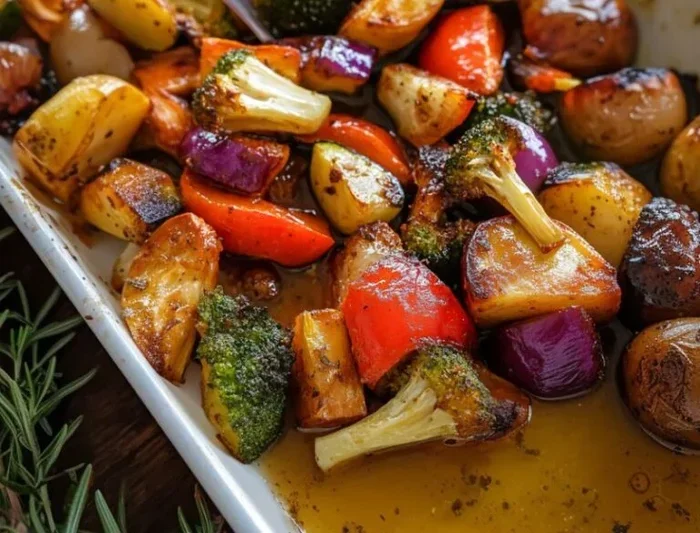
Learning the right oven temperature for roast vegetables transforms your cooking instantly. Most vegetables roast best between 400°F and 425°F, giving you caramelized vegetables with a crispy outside and tender inside. Whether you love root vegetables or tender broccoli, the vegetable roasting temperature matters more than you think. This guide covers every type of vegetable, the perfect roasting vegetables times, and pro tips for even browning every single time.
There is something magical about roasting vegetables in the oven. The heat transforms humble raw veggies into golden, caramelized vegetables that taste ten times better than their raw counterparts. But here is the thing many home cooks get wrong. The temperature you choose makes or breaks your dish. Too low and you get soggy, pale vegetables. Too high and you end up with burnt edges and raw centers. This guide will walk you through the exact oven temperature for vegetables you need for every type of produce. You will learn why temperature matters, how to adjust for different vegetables, and the simple tricks that turn ordinary veggies into restaurant-quality sides.
If you have ever wondered why your neighbor’s sheet pan vegetables look so perfect and yours come out mushy, the answer is almost always temperature. Roasting vegetables at the right heat draws out natural sugars, creates a beautiful golden crust, and keeps the inside tender and flavorful. It is not just a cooking technique. It is a simple skill that will level up your entire kitchen game. Let us dive into everything you need to know about baking vegetables in the oven the right way.
Key Takeaways
- 400°F to 425°F is the sweet spot: Most vegetables roast beautifully in this range for crispy vegetables and deep flavor.
- Dense vegetables need higher heat: Root vegetables like potatoes and carrots thrive at 425°F for proper even browning.
- Delicate vegetables roast faster: Broccoli, zucchini, and spinach do well at 375°F to 400°F to avoid burning.
- Cut size matters: Smaller pieces cook quicker, so adjust your cooking time accordingly for best results.
- Use parchment paper or a silicone mat: This prevents sticking and promotes crispy roasted veggies on every side.
- Don’t overcrowd the pan: Spreading vegetables in a single layer ensures proper high heat roasting and caramelization.
- Convection ovens roast faster: Reduce temperature by 25°F and check vegetables earlier for perfect oven roasted vegetables.
📑 Table of Contents
- Why Temperature Matters So Much For Roasting Vegetables
- Best Oven Temperature For Vegetables By Type
- How To Choose The Right Vegetable Roasting Temperature
- Step-By-Step Guide To Perfect Oven Roasted Vegetables
- Common Mistakes That Ruin Roasting Vegetables
- Comparison Table: Vegetable Roasting Temperature Guide
- Expert Insights On Roasting Vegetables
- How Convection Ovens Change Roasting Vegetables
- Seasonal Roasted Vegetable Recipes To Try
- Conclusion
Why Temperature Matters So Much For Roasting Vegetables
Roasting vegetables is all about chemistry. When you apply heat, something called the Maillard reaction takes place. This is the process that browns food and creates complex, deep flavors. It only happens at certain temperatures. Too cool and you simply steam the vegetables. Too hot and the outside burns before the inside cooks through.
The vegetable roasting temperature you choose also affects moisture. High heat evaporates water quickly, which is exactly what you want for crispy vegetables. Low heat keeps moisture locked in, which works for some veggies but not all. Understanding this basic science helps you make better choices every time you turn on the oven.
The Maillard Reaction And Roasted Vegetables
The Maillard reaction kicks in around 280°F to 330°F. But for real caramelization of natural sugars in vegetables, you want temperatures above 350°F. This is why most roasted vegetable recipes call for 400°F or higher. At these temperatures, the natural sugars in vegetables like carrots, bell peppers, and onions brown beautifully and develop that irresistible sweet, nutty flavor we all love.
High heat roasting also helps create texture. The outside of the vegetable becomes crispy and slightly charred while the inside stays soft and juicy. This contrast is what separates great oven roasted vegetables from mediocre ones. Without enough heat, you end up with steamed, bland vegetables that lack depth and crunch.
Moisture Control And Even Browning
Every vegetable contains water. Dense vegetables like potatoes hold a lot of moisture inside. When you roast them at high heat, that moisture escapes as steam. This steam is actually helpful in the early stages because it helps the surface dry out and brown. But if the temperature is too low, the steam has nowhere to go and the vegetable ends up soggy.
Even browning depends on proper heat distribution. This is why oven placement matters. The middle rack usually provides the most consistent heat for roasting vegetables. It allows hot air to circulate around the pan evenly. Top racks brown faster, and bottom racks receive more direct heat from the heating element. Knowing this small detail can make a big difference in your roasted veggies.
Best Oven Temperature For Vegetables By Type
Not all vegetables are created equal. A potato and a zucchini have very different water contents and densities. That is why a one-size-fits-all vegetable roasting temperature does not work. Here is a breakdown of the best temperatures for the most common vegetables.
Root Vegetables: 400°F To 425°F
Root vegetables like potatoes, sweet potatoes, carrots, beets, parsnips, and turnips are dense and packed with starch. They need high heat to cook through and develop a crispy exterior. Roasting root vegetables at 425°F is the gold standard. The high heat breaks down starches quickly and caramelizes the natural sugars on the surface.
For the best results, cut root vegetables into similar-sized pieces. This ensures they all finish cooking at the same time. Toss them with olive oil for roasting and a generous pinch of salt. The salt draws out moisture initially, which then evaporates in the hot oven and helps create that crispy texture everyone loves.
Cruciferous Vegetables: 375°F To 400°F
Broccoli, cauliflower, Brussels sprouts, and cabbage fall into the cruciferous family. These vegetables have a higher water content than root vegetables, so they roast well at slightly lower temperatures. 400°F works great for broccoli and cauliflower, giving them a golden exterior without drying them out completely.
Brussels sprouts are a favorite for a reason. When roasted at 400°F, the outside gets crispy and caramelized while the inside stays creamy and tender. Roasting Brussels sprouts at this temperature also reduces the bitterness that many people dislike. The caramelization adds a natural sweetness that makes them irresistible.
Soft Vegetables: 375°F To 400°F
Zucchini, bell peppers, tomatoes, mushrooms, and asparagus are all soft vegetables with high moisture content. These vegetables roast beautifully at 375°F to 400°F. Higher temperatures can cause them to dry out or burn quickly because they release water faster than denser vegetables.
Mushrooms are especially interesting. They roast well at 400°F because they have very little water content compared to their size. As they roast, they shrink dramatically and develop an intense, savory flavor. This makes them perfect for roasted vegetable medleys and sheet pan dinners.
Leafy Greens And Delicate Veggies: 350°F To 375°F
Kale, spinach, and delicate greens need gentler low temperature roasting. These vegetables dry out extremely fast and can go from perfectly crisp to completely burnt in minutes. 350°F is a safe starting point for most leafy greens.
Kale chips are a great example. They need low and slow oven roasting at around 300°F to 325°F to become perfectly crispy without burning. For heartier greens like Swiss chard, 375°F works well and gives you tender, slightly crispy results in just a few minutes.
How To Choose The Right Vegetable Roasting Temperature
Choosing the right temperature for roasting vegetables comes down to a few key factors. Once you understand these, you will never second-guess yourself again. Here is what to consider.
Density And Water Content
This is the single most important factor. Dense vegetables with low water content need higher heat. They require more energy to cook through and develop a crust. Soft, watery vegetables need lower heat so they do not dry out before cooking through.
Think of it this way. A potato is like a dense brick. It needs serious heat to break down the starches and cook the inside. A tomato slice is mostly water. It will dry out and burn if you blast it with 425°F heat. Matching the roasting temperature to the vegetable density is the key to perfect results.
Cut Size And Thickness
Smaller cuts cook faster and can handle higher temperatures for shorter times. Large chunks need lower temperatures and longer cooking times to ensure the center cooks through without burning the outside. This is why a recipe might call for 425°F for small diced potatoes but 375°F for large whole carrots.
A good rule of thumb is this. If your vegetable pieces are smaller than a inch, they will cook faster. If they are larger than two inches, reduce the temperature slightly and increase the cooking time. This simple adjustment prevents burnt edges and raw centers, which is one of the most common mistakes people make.
Oven Type And Accuracy
Not all ovens heat the same way. Convection ovens circulate hot air, which cooks food faster and more evenly. If you have a convection oven, reduce the recommended vegetable roasting temperature by 25°F. A recipe that calls for 425°F in a standard oven should be 400°F in a convection oven.
Older ovens can also have hot spots. These are areas that run hotter or cooler than the rest of the oven. To compensate, rotate your sheet pan vegetables halfway through cooking. This simple step ensures even browning on all sides and prevents some pieces from burning while others stay undercooked.
Step-By-Step Guide To Perfect Oven Roasted Vegetables
Now that you know the right temperatures, here is a simple step-by-step guide to putting it all together. Follow these steps and your roasted veggies will turn out perfectly every time.
- Preheat your oven to the right temperature. Always preheat. Giving the oven time to reach the target oven temperature for vegetables ensures even cooking from the moment the food goes in.
- Choose your vegetables and wash them thoroughly. Dry them well with a clean towel. Excess water on the surface creates steam in the oven, which prevents crispy vegetables from forming.
- Cut vegetables into uniform pieces. Uniform size means uniform cooking. A large carrot chunk will take much longer to cook than a small one. Consistency is key for even browning.
- Toss with olive oil and seasonings. Use enough oil to lightly coat each piece. Too little oil and the vegetables dry out. Too much and they steam instead of roast. A tablespoon or two for a large sheet pan is usually perfect.
- Spread in a single layer on a baking sheet. Do not overcrowd. Overcrowding traps steam and prevents caramelization. If you need to roast a large batch, use two sheet pans or roast in two rounds.
- Roast for the recommended time and check for doneness. Most roasted vegetable recipes call for 20 to 35 minutes. Start checking at the lower end. Vegetables are done when they are golden brown and tender when pierced with a fork.
- Let them rest for a few minutes. This allows the vegetables to finish cooking slightly and the flavors to settle. Serve immediately for the best crispy roasted veggies.
Quick Tips For Better Roasted Vegetables
- Line your baking sheet with parchment paper. This prevents sticking and makes cleanup a breeze. It also promotes better even browning on the bottom.
- Season after roasting for the best flavor. Some herbs burn in high heat. Add delicate herbs like basil or cilantro after the vegetables come out of the oven.
- Use a wire rack on top of your baking sheet. This allows air to circulate underneath the vegetables, giving you crispy bottoms on every piece.
- Do not skip the salt before roasting. Salt draws out moisture initially, which then evaporates and helps create that delicious crispy texture.
- Add garlic and delicate aromatics partway through. Garlic burns fast at high temperatures. Add it during the last 10 minutes of high heat roasting for the best flavor.
Common Mistakes That Ruin Roasting Vegetables
Even experienced home cooks make mistakes when roasting vegetables in the oven. Here are the most common ones and how to avoid them.
Overcrowding The Pan
This is the number one mistake. When you pile vegetables on top of each other, they steam instead of roast. The moisture trapped between pieces prevents caramelization and leaves you with soggy, pale vegetables. Always spread vegetables in a single layer with space between each piece. Your crispy vegetables depend on it.
Using Too Much Or Too Little Oil
Oil is essential for roasting vegetables but the amount matters. Too little oil and the vegetables dry out and stick to the pan. Too much oil and the vegetables fry instead of roast, leaving them greasy. The right amount is just enough to lightly coat each piece. You should not see pools of oil on the baking sheet.
Not Preheating The Oven
Putting vegetables into a cold oven is a recipe for uneven cooking. The vegetables start to cook slowly as the oven heats up, which means they spend too much time in the low-heat zone. This prevents proper even browning and can result in mushy textures. Always preheat to the target temperature before adding your vegetables.
Ignoring Different Cooking Times
Mixing vegetables with different cooking times on the same pan leads to some pieces being burnt while others are still raw. Potatoes take much longer than bell peppers. If you want to roast them together, cut the potatoes smaller or add the peppers partway through cooking. Understanding cooking time differences is essential for perfect roasted veggies.
Skipping The Flip
Vegetables on one side will brown faster than the other. Flipping or tossing them halfway through cooking ensures even browning on all sides. This one simple step takes thirty seconds and makes a huge difference in the final result. Your oven roasted vegetables will look and taste significantly better.
Comparison Table: Vegetable Roasting Temperature Guide
Here is a quick reference guide for the best oven temperature for vegetables based on type. Use this table as a starting point and adjust based on your preferences and oven.
| Vegetable Type | Recommended Temperature | Cooking Time | Texture Result |
|---|---|---|---|
| Root Vegetables (potatoes, carrots, beets) | 400°F – 425°F | 30 – 45 minutes | Crispy outside, tender inside |
| Cruciferous (broccoli, cauliflower, Brussels sprouts) | 375°F – 400°F | 20 – 30 minutes | Golden edges, creamy center |
| Soft Vegetables (zucchini, peppers, tomatoes) | 375°F – 400°F | 15 – 25 minutes | Tender, slightly caramelized |
| Mushrooms | 400°F – 425°F | 20 – 25 minutes | Intense flavor, golden brown |
| Leafy Greens (kale, spinach) | 300°F – 375°F | 5 – 15 minutes | Crispy chips or tender |
| All-Purpose Medley | 400°F – 425°F | 25 – 35 minutes | Balanced crispiness and tenderness |
This table is a great starting point. Every oven is different, so use your eyes and a fork to test for doneness. The vegetables should be golden brown on the edges and tender all the way through. Once you roast a few batches at these vegetable roasting temperatures, you will develop an instinct for what works best in your specific oven.
Expert Insights On Roasting Vegetables
Professional chefs and cooking instructors agree on a few key principles when it comes to roasting vegetables. Here are some expert insights that will elevate your cooking.
Chef Michael Smith often emphasizes that salt is the secret weapon for crispy roasted vegetables. He recommends salting vegetables generously at least 15 minutes before they go in the oven. This draws out surface moisture, which then evaporates quickly in the hot oven and creates that satisfying crunch.
Food scientist Harold McGee explains that the Maillard reaction is the foundation of great roasted flavor. He notes that keeping the oven temperature consistent is crucial. Opening the oven door too frequently drops the temperature and interrupts the browning process. Every time you open the door, you lose heat and extend the cooking time, which can result in steamed rather than roasted vegetables.
Cooking instructor J. Kenji Lpez-Alt recommends using a high vegetable roasting temperature of at least 400°F for most vegetables. He also suggests using two sheet pans instead of one overcrowded pan. This gives each vegetable piece enough space for proper air circulation and even browning.
These expert tips all point to the same conclusion. High heat, proper spacing, and patience are the three pillars of perfect roasted vegetables. Master these three elements and you will never make bland, soggy roasted vegetables again.
How Convection Ovens Change Roasting Vegetables
Convection ovens have a fan that circulates hot air around the food. This creates more even heating and faster cooking. If you use a convection oven, you need to adjust your approach to roasting vegetables.
Reduce the temperature by 25°F from what a standard oven recipe calls for. So if a recipe says 425°F, set your convection oven to 400°F. The circulating air cooks the vegetables more efficiently, so they will be done faster. Check them a few minutes earlier than the recipe suggests.
Convection roasting is excellent for achieving crispy vegetables because the constant airflow removes moisture from the surface more effectively. This leads to faster caramelization and more even browning on all sides. If you have a convection oven, you are already at an advantage for making perfect oven roasted vegetables.
One thing to watch out for is delicate vegetables. Very thin or small pieces can dry out quickly in a convection oven because the airflow is so strong. For these, stick to 375°F and keep a close eye on them. Low temperature roasting in a convection oven works well for gentle cooking of sensitive vegetables.
Seasonal Roasted Vegetable Recipes To Try
Once you master the vegetable roasting temperature, you can apply it to endless seasonal combinations. Here are some ideas to get you started.
- Fall: Butternut squash, sweet potatoes, Brussels sprouts, and red onions roasted at 425°F for 35 minutes. Toss with maple syrup and thyme for a seasonal twist.
- Winter: Root vegetables like carrots, parsnips, and beets roasted at 400°F for 30 minutes with olive oil and rosemary.
- Spring: Asparagus, radishes, and baby carrots roasted at 375°F for 15 minutes with lemon zest and parmesan.
- Summer: Zucchini, bell peppers, and cherry tomatoes roasted at 400°F for 20 minutes with garlic and fresh basil.
Each of these seasonal combinations uses the principles we covered. Match the roasting temperature to the vegetable density. Space pieces evenly on the pan. And always preheat the oven. These roasted vegetable recipes are incredibly simple but produce restaurant-quality results that will impress everyone at the table.
Conclusion
Roasting vegetables in the oven is one of the easiest and most rewarding cooking techniques you can learn. The best temperature to roast vegetables is generally between 400°F and 425°F for most vegetables, with adjustments for delicate and soft varieties. By understanding how density, water content, and cut size affect cooking, you can confidently choose the right oven temperature for vegetables every single time.
Remember the key principles. Preheat your oven, use enough oil, spread vegetables in a single layer, and do not overcrowd the pan. These simple steps ensure even browning and crispy vegetables with deep, caramelized flavor. Whether you are roasting a sheet pan of root vegetables for a cozy dinner or tossing broccoli with garlic for a quick side dish, the right vegetable roasting temperature makes all the difference.
Now it is your turn. Pull out your favorite vegetables, preheat the oven to the right roasting vegetables temperature, and give it a try. With a little practice, you will develop an instinct for what works best. Soon you will be making crispy roasted veggies that rival any restaurant dish. Happy roasting!
Frequently Asked Questions
What is the best oven temperature to roast vegetables for beginners?
Start with 400°F. This temperature works well for almost all vegetables and is forgiving for beginners. It gives you a good balance of crispy edges and tender centers without much risk of burning. Once you get comfortable, you can experiment with higher or lower temperatures based on the vegetable type.
Can I roast vegetables at 350°F instead of 400°F?
Yes, you can. 350°F works well for delicate vegetables like zucchini, tomatoes, and leafy greens. The lower temperature prevents them from drying out or burning. However, dense vegetables like potatoes and carrots need higher heat to cook through properly at this temperature.
How long does it take to roast vegetables in the oven at 400°F?
Most vegetables take between 20 and 35 minutes at 400°F. Dense root vegetables like potatoes and carrots may need 35 to 45 minutes. Softer vegetables like bell peppers and zucchini typically take 15 to 25 minutes. Always check for doneness by piercing with a fork.
Do I need to flip vegetables when roasting them in the oven?
Yes, flipping or tossing vegetables halfway through cooking ensures even browning on all sides. This simple step takes just a few seconds and makes a noticeable difference in texture and appearance. Use a spatula to gently turn each piece for the best results.
Why are my roasted vegetables coming out soggy?
Soggy vegetables usually mean the oven temperature is too low or the pan is overcrowded. Both trap moisture and prevent proper caramelization. Make sure your oven is fully preheated and give each vegetable piece enough space on the pan. Also, dry your vegetables thoroughly before adding oil.
Is it better to use olive oil for roasting vegetables?
Olive oil is an excellent choice for roasting vegetables because it has a relatively high smoke point and adds a pleasant flavor. You can also use avocado oil or grapeseed oil for higher heat roasting. Avoid butter for high-temperature roasting as it burns easily at temperatures above 350°F.
=== SEO TITLE ===
The Best Temperature To Roast Vegetables In The Oven
=== META TITLE ===
Best Temperature To Roast Vegetables In The Oven (2024)
=== URL SLUG ===
best-temperature-to-roast-vegetables-in-the-oven