How To Do Beef Ribs In The Oven For Perfect Results
Learning how to do beef ribs in the oven is easier than you think. With the right cut, seasoning, and temperature, you can achieve restaurant-quality ribs at home. This guide walks you through every step from choosing ribs to pulling them out perfectly cooked. You will learn insider tips that guarantee juicy, flavorful results every single time.
There is something deeply satisfying about pulling a tray of beef ribs out of the oven and seeing that perfect glaze. The kitchen fills with a rich, smoky aroma that makes everyone gather around. Whether you are a seasoned cook or just starting out, mastering how to do beef ribs in the oven will level up your dinner game dramatically.
The beauty of oven-baked ribs is simplicity. You do not need a smoker or special equipment. Just a good oven, a rack, some seasoning, and patience. In this guide, we walk you through everything from picking the right cut to nailing the final result. By the end, you will feel confident enough to make oven-baked beef ribs a regular part of your cooking rotation.
Key Takeaways
- Choose the right cut: Beef back ribs and short ribs each bring something different to the table.
- Low and slow wins: Cooking at 275-300°F for 3-4 hours delivers the best texture.
- Seasoning matters: A well-built dry rub transforms plain ribs into flavor-packed perfection.
- Use a meat thermometer: Internal temp of 200-205°F ensures tender, fall-off-the-bone results.
- Rest before serving: Letting ribs rest for 15-20 minutes keeps juices locked in.
- Sauce at the end: Apply sauce in the last 15-20 minutes to prevent burning.
- Avoid common mistakes: Skipping the wrap step and opening the oven too often are top errors.
📑 Table of Contents
- Why Oven-Baked Beef Ribs Are A Game Changer
- Choosing The Right Beef Ribs For Your Recipe
- Prep Work And Seasoning For Maximum Flavor
- Oven Temperature And Timing Guide
- Step-By-Step: How To Do Beef Ribs In The Oven
- Common Mistakes To Avoid When Cooking Beef Ribs In The Oven
- Expert Tips For Next-Level Oven Beef Ribs
- Serving Ideas And Side Dishes
- Conclusion
Why Oven-Baked Beef Ribs Are A Game Changer
Many people associate great ribs with a backyard smoker. And while smoked ribs are fantastic, oven-baked ribs hold their own in a big way. The oven gives you consistent heat and a controlled environment that is hard to beat. Here is why more home cooks are turning to the oven for their next rib night.
First, convenience matters. You do not need to babysit a grill or worry about wind affecting your temperature. The oven holds heat evenly, which means your beef rib tips and larger cuts cook more predictably. Second, cleanup is simpler. One tray, one rack, and you are mostly done. Third, the oven allows for a hands-off approach. You can prep sides, set the table, or relax while the ribs do their thing.
Another big advantage is consistency. Every time you use the same oven temperature and timing, you get similar results. Once you find your perfect setup, you can repeat it week after week. This reliability is what makes oven cooking so appealing for families and dinner parties alike.
Quick Tips
- Use a heavy-duty baking sheet or roasting pan for even heat distribution.
- Line the pan with foil for easy cleanup, but keep the ribs on a wire rack above.
- Preheat your oven fully before placing the ribs inside.
Choosing The Right Beef Ribs For Your Recipe
Not all ribs are created equal. When it comes to how to do beef ribs in the oven, the cut you choose makes a huge difference in texture, flavor, and cooking time. Let us break down the most popular options so you can pick the best one for your needs.
Beef Back Ribs vs Short Ribs
Beef back ribs come from the top section of the ribcage, near the loin. They are long, meaty, and have a nice layer of fat between the bones. These are the classic rib-eye style ribs that many people picture when they think of ribs. They work wonderfully in the oven because their size allows for even cooking and great bark formation.
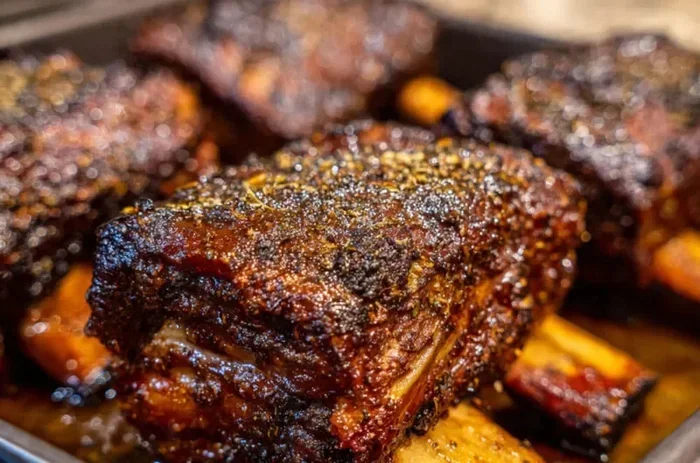
Short ribs, on the other hand, come from the lower portion of the ribcage near the belly. They are shorter, fattier, and incredibly tender when cooked low and slow. Oven-braised ribs made from short ribs have a rich, melt-in-your-mouth quality that is hard to match. They are perfect for a more braised, stew-like approach.
What To Look For At The Butcher
When shopping for beef rib meat, look for cuts with good marbling. The fat should be evenly distributed throughout the meat, not just sitting on the surface. Marbling keeps the ribs juicy during long cooking times. Avoid ribs that look dry or have a grayish color. Fresh, bright red meat with white fat is what you want.
Also pay attention to the bone-to-meat ratio. More meat means more to enjoy, but too much meat without enough fat can lead to tougher results. A balanced cut gives you the best of both worlds. If you are unsure, ask your butcher for a recommendation based on oven cooking.
| Rib Type | Best Cooking Method | Cooking Time | Texture |
|---|---|---|---|
| Beef Back Ribs | Oven roast with wrap method | 3.5 to 4 hours | Chewy with firm bark |
| Beef Short Ribs | Oven braise or roast | 3 to 3.5 hours | Tender, fall-off-the-bone |
| Rib Tips | Oven roast at higher heat | 2 to 2.5 hours | Crispy edges, juicy center |
Prep Work And Seasoning For Maximum Flavor
The secret to amazing ribs starts long before they hit the oven. Proper prep and seasoning set the foundation for everything that follows. Taking time at this stage pays off big time later.
Building The Perfect Rib Rub
A great dry rub is the heart of any good beef ribs recipe. You do not need fancy ingredients. Salt, black pepper, garlic powder, onion powder, paprika, and a touch of brown sugar form a solid base. The salt draws moisture to the surface, which helps the rub cling and penetrate the meat.
Here is a simple rub ratio to start with:
- 2 tablespoons kosher salt
- 1 tablespoon black pepper
- 1 tablespoon garlic powder
- 1 tablespoon onion powder
- 2 tablespoons paprika (smoked or sweet)
- 1 tablespoon brown sugar
- 1 teaspoon cumin
- 1 teaspoon chili powder
Mix these together in a small bowl and store extras in a jar. This rub works beautifully for oven-baked ribs of all kinds. Adjust the sweetness or spice level to match your taste preferences.
How Long To Let Ribs Sit Before Cooking
For the deepest flavor, apply your rub and let the ribs rest in the refrigerator for at least 2 hours, or overnight if possible. The cold refrigerator allows the seasoning to work into the meat slowly. This resting period is what separates good ribs from great ones.
If you are short on time, even 30 minutes at room temperature helps. Just make sure you do not skip this step entirely. The rub needs time to interact with the meat proteins and create that beautiful beef rib bark you are aiming for.
Expert Insights
Many pitmasters recommend applying a thin layer of mustard or Worcestershire sauce before the dry rub. This acts as a binder and adds a subtle tang that complements the savory spices. It does not make the ribs taste like mustard. It simply helps the rub stick better and builds layers of flavor.
Oven Temperature And Timing Guide
Getting the temperature right is the single most important factor in how to do beef ribs in the oven. Too hot and the meat dries out before the collagen breaks down. Too low and you risk undercooking. The sweet spot for most beef ribs is between 275°F and 300°F.
Low And Slow Vs Higher Heat
The low-and-slow method at 275°F is the gold standard for tender ribs. It gives the connective tissue time to dissolve into gelatin, which creates that silky, juicy texture. Expect to cook back ribs for about 3.5 to 4 hours at this temperature.
If you are short on time, you can raise the oven to 325°F or even 350°F. The ribs will cook faster, but you need to watch them more carefully. Higher heat can also produce a thicker bark, which some people prefer. Just remember that rushing the process can lead to tough, chewy meat.
Internal Temperature Targets
A meat thermometer is your best friend here. You want the internal temperature of the thickest part of the meat to reach between 200°F and 205°F. At this range, the collagen has fully broken down and the ribs will be tender and juicy. Do not rely on time alone. Every oven is different, and the thickness of your ribs varies.
Another test you can do is the bend test. Pick up a rib from one end with tongs. If it bends and cracks slightly on the surface, it is done. If it still feels stiff, give it more time. This method takes practice, but it is a great skill to develop.
Step-By-Step: How To Do Beef Ribs In The Oven
Now that you understand the why, let us get into the how. This step-by-step walkthrough will guide you through cooking beef ribs in the oven like a pro. Follow these steps and you will not go wrong.
Step 1: Preheat your oven to 275°F. Give it at least 20 minutes to reach the target temperature. A fully preheated oven ensures even cooking from the start.
Step 2: Prep the ribs. Remove the ribs from the refrigerator and pat them dry with paper towels. This helps the rub adhere better. If there is a membrane on the bone side, peel it off. Some people leave it on, but removing it allows more flavor to penetrate the meat.
Step 3: Apply the rub generously. Coat all sides of the ribs with your dry rub mixture. Press it into the meat with your hands. Do not be shy. A thick, even layer of seasoning is what creates that flavorful crust.
Step 4: Wrap in foil (optional but recommended). Place the ribs meat-side down on a sheet of heavy-duty foil. Wrap them tightly, leaving some space for steam to circulate. The foil trap keeps moisture in and speeds up the tenderizing process.
Step 5: Place on a baking sheet and put in the oven. Position the rack in the center of the oven. Cook for about 3 to 3.5 hours for back ribs or 2.5 to 3 hours for short ribs. Check the internal temperature periodically.
Step 6: Unwrap and sauce. In the last 15 to 20 minutes, unwrap the ribs and brush your favorite sauce on all sides. Increase the oven temperature to 350°F or turn on the broiler for a few minutes to caramelize the sauce. Watch closely so it does not burn.
Step 7: Rest and serve. Remove the ribs from the oven and let them rest for 15 to 20 minutes under a loose tent of foil. This resting period redistributes the juices throughout the meat. Slice against the bone and serve.
Quick Tips
- Use a wire rack on your baking sheet to allow air to circulate around the ribs.
- Save the juices from the foil packet and drizzle them over the ribs before saucing.
- For extra smoke flavor, add a few drops of liquid smoke to your sauce.
- Double-wrap the foil if you are cooking extra-thick ribs to keep all the moisture locked in.
Common Mistakes To Avoid When Cooking Beef Ribs In The Oven
Even experienced cooks make mistakes with oven ribs. Knowing what to avoid saves time, money, and a lot of frustration. Here are the most common errors people make when making oven beef ribs at home.
Skipping the wrap step. Some cooks go straight from seasoning to saucing without wrapping. While this works for thin cuts, it often leaves back ribs dry and tough. The foil wrap creates a braising environment that breaks down tough connective tissue. Do not skip this step if you want tender results.
Opening the oven door too often. Every time you open the oven, you lose heat and extend the cooking time. Resist the urge to check on the ribs every 20 minutes. Trust the process and check only once or twice during the cook. Use the oven light to peek inside if you need to.
Using too much sauce too early. Sugar-based sauces burn easily at high temperatures. If you apply sauce at the beginning, it will caramelize into a bitter, blackened mess. Always add sauce in the final 15 to 20 minutes of cooking. This gives you a glossy, sweet glaze without the risk of burning.
Not letting the ribs rest. Cutting into ribs immediately after they come out of the oven releases all the juices onto the cutting board. The meat ends up dry and less flavorful. Give them that 15 to 20 minutes of rest time. It makes a noticeable difference in every bite.
Expert Insights
Professional barbecue competitors often use a technique called the “3-2-1 method” for ribs, which originated from smoking. For oven cooking, a simplified version works well. Cook unwrapped for the first hour, wrap for the next two hours, then unwrap and sauce for the final hour. This gives you a great balance of bark, tenderness, and glaze without needing a smoker.
Expert Tips For Next-Level Oven Beef Ribs
Once you have the basics down, these pro tips will take your beef ribs oven recipe to the next level. These small adjustments make a big impact on the final result.
Dry brine overnight. Before applying your rub, salt the ribs generously and let them sit uncovered in the fridge overnight. The salt draws out moisture, which then gets reabsorbed into the meat. This creates a deeper seasoning and a crispier bark. It is a game changer for serious rib lovers.
Use apple cider vinegar in your wrap. When you wrap the ribs in foil, add a splash of apple cider vinegar or apple juice. The liquid creates steam that keeps the ribs moist and adds a subtle tang. It also helps dissolve any remaining rub into a flavorful glaze on the meat.
Experiment with wood chips. If you want a hint of smoke flavor without a smoker, soak wood chips in water for 30 minutes and place them in a foil packet on the oven floor. The chips will smoke gently as the oven heats, giving your ribs a subtle smoky depth. Hickory and applewood chips work best for beef.
Make a compound butter for finishing. Mix softened butter with minced garlic, herbs, and a pinch of cayenne. Spread this on the ribs right after they come out of the oven. The residual heat melts the butter into the meat, adding richness and shine. It is a restaurant trick that works beautifully at home.
Slice against the grain. When it is time to serve, always cut perpendicular to the muscle fibers. This shortens the muscle strands and makes each bite more tender. If you are unsure which direction the grain runs, look at the meat closely and you will see the lines. Cut across them, not with them.
Serving Ideas And Side Dishes
How to do beef ribs in the oven is only half the fun. What you serve alongside them completes the meal. Classic pairings include coleslaw, baked beans, cornbread, and roasted vegetables. The brightness of a fresh slaw cuts through the richness of the ribs perfectly.
For a more casual spread, try serving ribs with mac and cheese, potato salad, and grilled corn on the cob. These comfort food sides complement the hearty flavor of oven-baked beef ribs beautifully. A crisp beer or a bold red wine also elevates the entire dining experience.
Leftover ribs make incredible sandwiches the next day. Simply chop the meat, toss it with a little BBQ sauce, and pile it onto toasted brioche buns. Add some pickled onions and coleslaw for a pulled rib sandwich that rivals any deli. This is a great way to use up every last bite.
Conclusion
Mastering how to do beef ribs in the oven is one of the most rewarding skills you can build in the kitchen. It is approachable, forgiving, and delivers impressive results every time. From choosing the right cut to nailing the internal temperature, each step brings you closer to ribs that are tender, juicy, and full of flavor.
Remember that patience is your greatest tool. Low and slow cooking transforms tough cuts into something magical. Do not rush the process, and always let the ribs rest before serving. With the tips and techniques shared in this guide, you have everything you need to make outstanding oven beef ribs that will impress family and friends alike.
Now go fire up your oven, grab your favorite cut of beef ribs, and get cooking. Your next rib night is going to be legendary. Enjoy the process, experiment with flavors, and most importantly, have fun with it. Great ribs start with confidence, and now you have all the knowledge you need to cook them perfectly.
Frequently Asked Questions
What is the best temperature to cook beef ribs in the oven?
The ideal temperature for cooking beef ribs in the oven is 275°F. This low and slow approach allows the collagen in the meat to break down fully, resulting in tender, juicy ribs. If you are short on time, you can increase to 300°F, but keep a close eye on the internal temperature to avoid drying out the meat.
How long does it take to cook beef ribs in the oven?
Beef back ribs typically take 3.5 to 4 hours at 275°F, while short ribs cook in about 2.5 to 3 hours. The exact time depends on the thickness of the cut, your oven’s accuracy, and whether you use the foil wrap method. Always use a meat thermometer to check for doneness, aiming for an internal temperature of 200°F to 205°F.
Do I need to wrap beef ribs in foil when cooking them in the oven?
Wrapping ribs in foil is not mandatory, but it is highly recommended for oven cooking. The foil creates a braising effect that traps steam and moisture, keeping the ribs tender throughout the cook. If you prefer a thicker bark, you can skip the wrap, but you will need to monitor the ribs more closely to prevent drying out.
Can I use frozen beef ribs in the oven?
It is best to thaw beef ribs before cooking them in the oven. Cooking from frozen leads to uneven cooking, with the outside overcooking while the center remains underdone. Thaw the ribs in the refrigerator overnight for the safest and most even results. If you must cook from frozen, add at least an extra hour to the cooking time and use a meat thermometer to verify doneness.
What is the best sauce for oven beef ribs?
A classic tomato-based BBQ sauce works wonderfully for oven beef ribs. For a richer option, try a bourbon or coffee-infused glaze. Apply the sauce in the last 15 to 20 minutes of cooking to prevent burning. You can also serve sauce on the side so each person can add as much or as little as they like.
How do I know when beef ribs are done in the oven?
Beef ribs are done when the internal temperature reaches 200°F to 205°F in the thickest part of the meat. The meat should pull back from the bone ends by about a quarter inch, and the ribs should bend easily when lifted with tongs. If the meat feels tough or resists pulling, give it more time and check again.