What Temp To Put Turkey In Oven For Juicy Thanksgiving
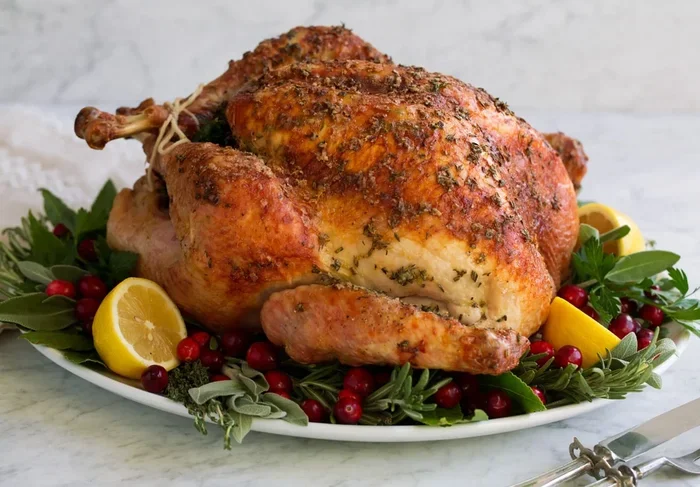
Cooking a turkey at the right oven temperature is the key to a juicy, flavorful Thanksgiving bird. Most experts recommend roasting turkey at 325°F for even cooking and tender meat. Whether you are cooking a stuffed or unstuffed turkey, knowing the turkey oven temperature and internal doneness will save your holiday meal.
Thanksgiving is all about family, gratitude, and of course, the star of the table. The turkey oven temperature you choose can make or break your entire meal. A perfectly roasted turkey has golden crispy skin, juicy breast meat, and tender thighs that everyone will love.
But here is the thing. Many home cooks stress about what temp to put turkey in oven because they do not want dry, overcooked meat. The good news is that getting it right is simpler than you think. Once you understand the basics of oven-baked turkey cooking, you will feel confident in the kitchen every holiday season.
In this guide, we will walk you through everything you need to know. From the best roast turkey temperature to cooking times per pound, we have you covered. You will also find practical tips for juicy turkey breast, crispy skin, and food safety. Let us get started.
Key Takeaways
- 325°F is the ideal turkey oven temperature for roasting a juicy bird evenly.
- Turkey cooking time per pound averages about 13 to 15 minutes at 325°F.
- Use a meat thermometer to check that turkey breast reaches 165°F and thighs reach 175°F.
- Let your turkey rest for 20 to 30 minutes after roasting for juicier results.
- Brining your turkey before roasting keeps the meat moist and flavorful.
- Avoid overcooking by monitoring internal temperature instead of relying on time alone.
- Unstuffed turkeys cook faster and more evenly than stuffed ones.
📑 Table of Contents
The Best Turkey Oven Temperature for Roasting
When it comes to cooking a turkey, temperature matters more than almost anything else. The right heat ensures your bird cooks evenly from edge to center. Too hot and the outside burns before the inside is done. Too low and you end up waiting for hours with questionable results.
So what is the magic number? 325°F is the gold standard for turkey oven temperature. The USDA and most cooking experts agree that 325°F is the sweet spot for roasting a whole turkey. It allows the meat to cook slowly and evenly, which keeps it juicy and safe to eat.
Why 325°F Is the Gold Standard
There is a reason why 325°F is the go-to temperature for thanksgiving turkey recipe enthusiasts. At this heat, the fat renders slowly and the meat stays moist. The collagen in the dark meat breaks down gently, giving you that fall-off-the-bone tenderness in the thighs.
Here is what happens when you roast at 325°F:
- Even cooking throughout the bird without burning the outside.
- Juicy turkey breast that stays tender and flavorful.
- Crispy skin without drying out the meat underneath.
- Safe internal temperatures reached gradually, reducing the risk of foodborne illness.
- Predictable cooking time that makes planning your holiday meal easier.
Some recipes call for starting at a higher temperature and then reducing it. This technique, often called high-heat start roasting, involves baking at 425°F for the first 20 to 30 minutes to crisp the skin. Then you drop the temperature to 325°F for the rest of the turkey roast temperature journey. This method works well if you want extra crispy skin but still want juicy meat inside.
When to Use Higher or Lower Temperatures
While 325°F is the standard, there are times when you might adjust the turkey cooking temperature. For example, if you are using a convection oven, you should reduce the temperature by about 25°F. Convection ovens circulate hot air, which cooks food faster and more evenly.
Here is a quick comparison:
- Conventional oven: Roast at 325°F for standard results.
- Convection oven: Roast at 300°F for faster, more even cooking.
- High-heat start: Begin at 425°F for 20 to 30 minutes, then reduce to 325°F.
- Slow low method: Some cooks use 275°F for a very long, gentle roast that stays incredibly moist.
For most home cooks, sticking with 325°F in a conventional oven is the easiest and most reliable approach. It removes a lot of guesswork and gives you consistent results every time.
Turkey Cooking Time Per Pound
Now that you know the oven temperature for turkey, let us talk about time. How long does it actually take to roast a turkey? The answer depends on the weight of your bird, whether it is stuffed or unstuffed, and your specific oven.
How Long Does a Turkey Take to Cook
As a general rule of thumb, you should plan for about 13 to 15 minutes of roasting time per pound at 325°F. This is for an unstuffed turkey, which cooks more evenly and quickly than a stuffed one.
Here is a rough breakdown to help you plan:
- 8 to 12 pounds: About 2.5 to 3 hours.
- 12 to 16 pounds: About 3 to 4 hours.
- 16 to 20 pounds: About 4 to 5 hours.
- 20 to 24 pounds: About 4.5 to 5.5 hours.
These times are estimates. The only way to know for sure is to use a turkey breast thermometer and check the internal temperature. More on that in a moment.
Stuffed vs. Unstuffed Turkey Cooking Time
If you are cooking a stuffed turkey, add about 15 to 30 minutes to the total cooking time. The stuffing in the cavity slows down heat transfer, so the bird needs extra time to reach safe temperatures throughout.
However, many food safety experts actually recommend cooking stuffing separately. When you cook a turkey unstuffed, you have more control over the doneness of both the meat and the stuffing. Plus, unstuffed turkeys cook more evenly, which means less risk of dry breast meat.
If you do stuff your turkey, make sure the stuffing reaches an internal temperature of 165°F. Use a thermometer inserted into the center of the stuffing to verify it is safe to eat.
Turkey Breast vs. Thigh Temperature
One of the biggest challenges of roasting a whole turkey is that the breast and the thighs cook at different rates. The breast meat is leaner and thinner, so it dries out faster if you cook it too long. The thighs, on the other hand, have more fat and collagen, so they can handle higher temperatures and longer cooking times.
Ideal Temperature for Turkey Breast
For perfectly juicy turkey breast, you want to pull the bird out of the oven when the thickest part of the breast reaches 165°F. This is the safe internal temperature recommended by the USDA for poultry.
Here is a pro tip. Many experts recommend pulling the turkey out when the breast reaches 160°F to 162°F. This is because the temperature will continue to rise by about 5 to 10 degrees during the resting period. This technique, called carryover cooking, helps you avoid overcooking the breast meat.
Think of it this way. You want to pull your turkey off the heat just before it hits the perfect temperature. The residual heat will finish the job while you let the bird rest.
Perfect Temp for Turkey Thighs
The dark meat in the thighs is more forgiving than the breast. You want the thickest part of the thigh to reach 175°F to 180°F for the best texture. At this temperature, the connective tissue has broken down enough to give you tender, juicy meat.
Since the thighs cook slower than the breast, you can shield the breast area with foil if it starts to brown too quickly. This simple trick gives you more control over the turkey roast temperature for different parts of the bird.
Some cooks also use a two-temperature approach. They roast the turkey at 325°F for most of the cooking time, then increase the heat to 400°F for the last 15 to 20 minutes to crisp up the skin. This works well for achieving a beautiful golden finish without drying out the meat.
How to Know When Your Turkey Is Done
Timing is helpful, but it is not the most reliable way to judge doneness. Ovens vary, turkey shapes differ, and even the starting temperature of the bird from the fridge affects cooking time. The only foolproof way to know your oven-baked turkey is ready is to use a meat thermometer.
Using a Meat Thermometer
A good instant-read thermometer is the single most important tool for cooking a turkey properly. You want to insert the probe into the thickest part of the breast without touching the bone. The bone conducts heat differently than the meat, and touching it can give you a false reading.
Also, check the temperature in the innermost part of the thigh and the thickest part of the wing. All three spots should reach safe temperatures before you take the bird out of the oven.
Here are the target temperatures for a perfectly cooked turkey:
- Turkey breast: 165°F (pull at 160°F to 162°F for carryover cooking).
- Turkey thigh: 175°F to 180°F.
- Stuffing (if applicable): 165°F.
- Wing and drumstick: 165°F to 170°F.
Invest in a reliable turkey breast thermometer or a probe thermometer that stays in the bird during roasting. These give you real-time readings so you never have to guess again.
Turkey Internal Temperature Guide
Understanding turkey internal temperature readings is essential for both safety and quality. Undercooked turkey poses a risk of salmonella and other foodborne illnesses. Overcooked turkey, on the other hand, leads to dry, tough meat that nobody enjoys.
The temperature danger zone for poultry is between 40°F and 165°F. This is where bacteria multiply most rapidly. Your goal is to bring the turkey through this zone as quickly and evenly as possible, which is why starting with a room-temperature turkey (after letting it sit out for 30 minutes) can help.
Remember that food safety temperature for all poultry is 165°F. But for the best eating experience, aim for 160°F in the breast and 175°F in the thighs. The difference of a few degrees makes a huge impact on juiciness.
Tips for Juicy Thanksgiving Turkey
Getting the turkey oven temperature right is only half the battle. There are several other steps you can take to ensure your Thanksgiving turkey comes out moist, flavorful, and absolutely delicious.
Brining Your Turkey
Brining is one of the best things you can do for a juicier roast turkey. A simple brine of water, salt, sugar, and spices helps the meat retain moisture during cooking. The salt in the brine changes the protein structure, allowing the turkey to hold onto more water even at high temperatures.
You can brine your turkey for 12 to 24 hours in the refrigerator. If you do not have space, a dry brine works just as well. Simply rub salt and seasonings all over the bird and let it sit uncovered in the fridge for 12 to 48 hours. This also helps dry out the skin slightly, which leads to crispier results.
Resting the Turkey After Cooking
One of the most common mistakes is cutting into the turkey the moment it comes out of the oven. Resist that urge. Letting the turkey resting time be at least 20 to 30 minutes allows the juices to redistribute throughout the meat.
When you cut into a hot turkey immediately, the juices run out onto the cutting board instead of staying in the meat. After resting, you will notice that the juices stay inside the slices, giving you a much juicier result.
Tent the turkey loosely with foil during resting. Do not wrap it tightly, as this traps steam and can make the skin soggy.
Crispy Skin Secrets
Golden, crispy skin is what makes a thanksgiving turkey recipe truly special. Here are a few tricks to get it right:
- Dry the skin overnight. Pat the turkey dry and leave it uncovered in the fridge before roasting. Dry skin crisps up much better than wet skin.
- Rub butter or oil under the skin. This adds flavor and helps the skin brown evenly.
- Do not cover with foil for the entire cook. Foil traps steam and prevents crisping. Use it only to protect the breast if it is browning too fast.
- Start at a higher temperature. A brief blast of 425°F at the beginning helps crisp the skin quickly.
Common Mistakes to Avoid When Cooking a Turkey
Even experienced cooks make mistakes with turkey oven temperature and timing. Knowing what to avoid can save your Thanksgiving dinner from disaster.
Overcooking the Turkey
The number one enemy of a juicy turkey is overcooking. Many people leave the bird in the oven too long because they rely on the clock instead of a thermometer. Remember, time is just a guideline. Temperature is the truth.
Overcooked turkey breast becomes dry and stringy. The thighs can become greasy and tough. By the time you notice the mistake, it is too late. Always use a turkey breast thermometer and pull the bird out when it is a few degrees below your target.
Skipping the Resting Period
As mentioned above, skipping the rest means losing precious juices. Even if you cooked the turkey perfectly, cutting too early will result in dry slices. Set a timer, make your gravy while you wait, and let the turkey rest for at least 20 minutes.
Not Accounting for Oven Hot Spots
Most ovens have hot spots, which means the temperature is not perfectly even throughout the cavity. To combat this, rotate the turkey 180 degrees halfway through cooking. This ensures even browning and more consistent turkey cooking temperature across the bird.
Starting with a Frozen Turkey
Cooking a turkey straight from the freezer leads to uneven cooking. The outside can overcook while the inside is still thawing. Always make sure your turkey is completely thawed before roasting. Plan for about 24 hours of thawing time for every 4 to 5 pounds of turkey in the refrigerator.
Frequently Asked Questions
What is the best temperature to cook a turkey in the oven?
The best turkey oven temperature for roasting is 325°F. This temperature cooks the bird evenly, keeps the meat juicy, and ensures food safety. If you are using a convection oven, reduce it to 300°F. For crispy skin, you can start at 425°F for the first 20 to 30 minutes and then lower it to 325°F.
How long does it take to cook a turkey at 325°F?
At 325°F, plan for about 13 to 15 minutes of cooking time per pound for an unstuffed turkey. An 12-pound bird will take roughly 3 to 4 hours. Always use a meat thermometer to confirm doneness rather than relying on time alone. The internal temperature of the breast should reach 165°F and the thigh should reach 175°F.
Should I cover my turkey with foil while roasting?
You do not need to cover the entire turkey with foil. However, if the breast is browning too quickly, you can loosely tent foil over just the breast area. Covering the whole bird traps steam and prevents crispy skin, which most people do not want. Remove the foil during the last 20 to 30 minutes for a golden finish.
What is the safe internal temperature for turkey?
The food safety temperature for all poultry, including turkey, is 165°F. However, for the best results, pull the breast meat out when it reaches 160°F to 162°F. The temperature will continue to rise during resting. The thighs should reach 175°F to 180°F for optimal tenderness.
Can I cook a turkey at 350°F instead of 325°F?
Yes, you can cook a turkey at 350°F. It will cook slightly faster than at 325°F, but there is a higher risk of the breast drying out before the thighs are done. If you choose 350°F, monitor the internal temperature closely and consider covering the breast with foil partway through cooking to protect the leaner meat.
How do I keep turkey breast moist?
To keep juicy turkey breast, brine the bird before roasting, do not overcook it, and let it rest for at least 20 minutes after taking it out of the oven. Using a meat thermometer to pull the bird at the right time is the single most important step. Also, consider butter-basting the breast during cooking for extra moisture and flavor.
Conclusion
Getting the what temp to put turkey in oven right is the foundation of a perfect Thanksgiving meal. With 325°F as your go-to turkey oven temperature, you give yourself the best chance at a juicy, flavorful bird that will impress everyone at the table.
Remember to use a meat thermometer, respect the resting time, and avoid the common pitfalls that lead to dry meat. Whether you are a first-time turkey roaster or a seasoned pro, these tips will help you cook with confidence every year.
The beauty of roasting a turkey is that once you understand the basics, you can experiment and make it your own. Try different brines, seasonings, and roasting techniques to find what works best for your family. The most important thing is to enjoy the process and the delicious results.
So go ahead, preheat that oven to 325°F, and get ready to serve the best oven-baked turkey of your life. Your guests will be talking about it long after the holiday is over. Happy roasting and happy Thanksgiving.