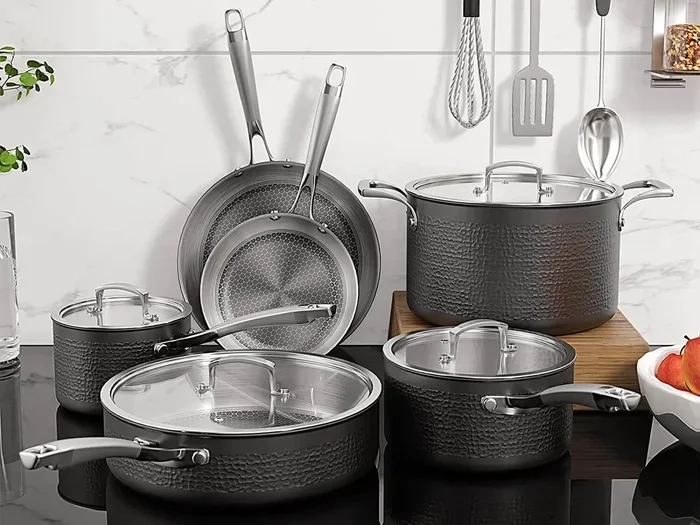
Can Any Pot Go In The Oven Without Melting Or Warping
Not every pot can handle oven heat. Some materials melt, warp, or release harmful chemicals when exposed to high temperatures. Knowing which pots are oven-safe saves your cookware and keeps your kitchen safe. This guide covers every pot type, material, and temperature limit so you can cook with confidence.
Have you ever stared at a beautiful pot on your stovetop and wondered, can any pot go in the oven? It is a question many home cooks ask, especially when a recipe calls for starting on the stove and finishing in the oven. The answer is not as simple as yes or no. Some pots handle oven heat like champions, while others warp, melt, or even release harmful chemicals when exposed to high temperatures.
Understanding which cookware belongs in the oven and which does not is essential for every cook. Using the wrong pot can ruin your dinner, damage your cookware, or create a safety hazard. This guide breaks down everything you need to know about can any pot go in the oven without melting or warping. We cover materials, temperature limits, handle types, and common mistakes so you can cook with total confidence.
Whether you own cast iron skillets, stainless steel saucepans, or ceramic Dutch ovens, this article has you covered. Let us dive in and find out exactly which pots are oven-safe and how to use them correctly.
Key Takeaways
- Cast iron and stainless steel pots are the most reliable for oven use and can handle very high temperatures.
- Nonstick pots with plastic handles should never go in the oven because the coating and handles can melt or release toxins.
- Ceramic and stoneware pots are oven-safe but need slow heating to avoid thermal shock and cracking.
- Always check the bottom of your pot for oven-safe symbols and manufacturer guidelines before placing it in the oven.
- Thermal shock is a real danger — moving a cold pot into a hot oven can cause warping or cracking.
- Removable handles and silicone grips make a pot more versatile for oven cooking.
- Temperature limits vary by material, so knowing your pot’s limits prevents damage and keeps food safe.
📑 Table of Contents
- What Makes a Pot Oven-Safe?
- Which Pots Can Go In The Oven Safely?
- Pots That Should Never Go In The Oven
- Temperature Limits and Thermal Shock
- How to Tell If Your Pot Is Oven-Safe
- Common Mistakes That Damage Pots in the Oven
- Quick Tips for Using Pots in the Oven
- Expert Insights on Oven-Safe Cookware
- Frequently Asked Questions
- Final Thoughts
What Makes a Pot Oven-Safe?
The term “oven-safe” means a pot can withstand the heat inside an oven without melting, warping, cracking, or releasing harmful substances. But what actually determines whether a pot qualifies? It comes down to three main factors: the material the pot is made from, the handle construction, and the lid components.
Understanding Oven-Safe Symbols
Most quality cookware has a symbol on the bottom that tells you if it is safe for oven use. Look for an oven icon with a temperature number. If you see a little oven drawing on your pot, that is your first clue. However, not all pots have these symbols, especially older or hand-made pieces. When in doubt, check the manufacturer’s website or packaging for specific guidelines.
The oven-safe symbol usually includes a temperature range. Some pots are rated for 350 degrees Fahrenheit, while others can handle 500 degrees or more. Always match the temperature to what your recipe requires. Going over the rated limit can cause permanent damage to the pot and affect your food.
Material Matters Most
The material your pot is made from is the single biggest factor in determining oven safety. Different materials expand and contract at different rates when heated. Some materials handle heat beautifully, while others simply cannot cope with the high temperatures inside an oven.
For example, cast iron is one of the most oven-friendly materials you can find. It handles extreme heat without warping or melting. Stainless steel is another excellent choice for oven use. On the other hand, pots with plastic handles, wooden knobs, or thin aluminum bodies are much more likely to suffer damage in the oven.
Which Pots Can Go In The Oven Safely?
Now that you understand what makes a pot oven-safe, let us look at the specific types of pots that can go in the oven without melting or warping. Each material has its own strengths and temperature limits.
Cast Iron Pots
Cast iron pots are the kings of oven cooking. They can handle temperatures up to 500 degrees Fahrenheit or even higher. A classic Dutch oven made of cast iron works beautifully for braising, baking bread, and slow-cooking stews.
One thing to watch out for with cast iron is the lid knob. Some older cast iron pots have iron knobs that are oven-safe, but newer ones may have silicone or wooden knobs that have lower heat limits. Always check the lid components before placing a cast iron pot in a hot oven.
Cast iron pots also hold heat incredibly well, which makes them perfect for dishes that need consistent, even cooking. They are heavy, but that weight is actually a benefit when it comes to heat retention.
Stainless Steel Cookware
Most stainless steel cookware is oven-safe up to 500 degrees Fahrenheit. High-quality stainless steel pots and pans are durable, non-reactive, and can handle both stovetop and oven cooking. This makes them incredibly versatile for recipes that require you to start on the burner and finish in the oven.
However, not all stainless steel pots are created equal. Some have handles made of other materials that may not be oven-safe. Always check the handle construction. Stainless steel handles are generally safe, but handles wrapped in silicone or attached with rivets of a different metal may have limits.
Stainless steel is also dishwasher safe and resistant to staining, which makes it a popular choice for everyday cooking. If you are wondering can any pot go in the oven, stainless steel is one of the safest bets you can make.
Ceramic and Stoneware Pots
Ceramic and stoneware pots are naturally oven-safe and can handle temperatures between 400 and 500 degrees Fahrenheit. They are beautiful for serving and cooking, and they distribute heat evenly. Many people love using ceramic baking dishes and stoneware casserole pots for oven recipes.
However, ceramic pots require special care. They are prone to thermal shock, which happens when there is a sudden temperature change. Placing a cold ceramic pot into a preheated oven can cause it to crack or shatter. Always let ceramic pots come to room temperature before putting them in the oven, and avoid placing them on cold surfaces right after removing them from the heat.
Enamel-Coated Pots
Enamel-coated cookware, such as Le Creuset or Staub, combines the benefits of cast iron with a smooth, non-reactive glass-like coating. These pots are oven-safe and can handle temperatures up to 500 degrees Fahrenheit. The enamel coating prevents rust and makes cleaning easy.
The main concern with enamel-coated pots is chipping. If the enamel gets chipped, the cast iron underneath can rust. Always inspect your enamel pots before oven use, and avoid using metal utensils that could scratch the surface.
Pots That Should Never Go In The Oven
Knowing which pots are safe is only half the battle. It is equally important to know which pots should stay far away from the oven. Putting the wrong pot in a hot oven can cause melting, warping, or even release toxic fumes into your kitchen.
Nonstick Pots with Plastic Handles
Most nonstick pots with plastic handles are not oven-safe. The nonstick coating can release harmful chemicals at high temperatures, and plastic handles will melt or become a burn hazard. Even if the pot body itself is metal, the handle and coating make it unsafe for oven use.
Some nonstick pots are marketed as oven-safe, but they usually have a temperature limit of 350 degrees Fahrenheit or lower. Always check the manufacturer’s instructions. If the handle is not clearly marked as heat-resistant, keep the pot off the oven.
Pots with Wooden Components
Pots with wooden knobs or handles can be tricky. Wood can handle some heat, but prolonged exposure to high oven temperatures will dry it out, crack it, or even ignite it. If your pot has a wooden lid knob, remove it or wrap it in a damp towel before placing the pot in the oven.
Thin Aluminum Pots
Thin aluminum pots warp easily under high heat. Aluminum has a relatively low melting point compared to cast iron or stainless steel, and thin aluminum pans can buckle and distort in a hot oven. Warped pots sit unevenly on cooktops, making them frustrating to use and potentially dangerous.
Some thicker aluminum pots with reinforced bases are oven-safe, but thin, lightweight aluminum cookware should be kept on the stovetop only.
Pots with Rubber or Silicone Seals
Pots that have rubber gaskets or silicone seals around the lid are generally not oven-safe. These materials degrade at high temperatures and can release unpleasant odors or chemicals into your food. Check the seal type before assuming a pot is oven-safe.
Temperature Limits and Thermal Shock
Temperature management is one of the most important aspects of oven-safe cooking. Understanding how heat affects different materials helps you avoid costly mistakes and keeps your cookware in great shape for years.
What Is Thermal Shock?
Thermal shock happens when a pot is exposed to a sudden, extreme temperature change. For example, taking a cold pot straight from the refrigerator and placing it into a 450-degree oven is a recipe for disaster. The rapid expansion of the material on the hot side while the cold side remains unchanged creates stress cracks.
Thermal shock causes warping, cracking, and even shattering in some materials. Ceramic, glass, and enamel-coated pots are especially vulnerable. To prevent thermal shock, always let your pot come to room temperature before placing it in the oven, and never place a hot pot on a cold or wet surface.
Safe Temperature Ranges by Material
Every material has its own heat tolerance. Here is a quick breakdown of common pot materials and their safe oven temperature ranges:
- Cast iron: Up to 500 degrees Fahrenheit or higher
- Stainless steel: Up to 500 degrees Fahrenheit
- Ceramic and stoneware: Up to 500 degrees Fahrenheit
- Enamel-coated cast iron: Up to 500 degrees Fahrenheit
- Glass lids: Up to 350 degrees Fahrenheit
- Nonstick with oven-safe rating: Usually 350 to 400 degrees Fahrenheit
- Thin aluminum: Not recommended for oven use
These ranges are general guidelines. Always check your specific pot’s manufacturer instructions for exact temperature limits. Going over the recommended temperature can void warranties and create safety risks.
How to Tell If Your Pot Is Oven-Safe
If you are unsure whether your favorite pot can handle oven heat, there are a few simple ways to find out. You do not need to be an expert to check for oven safety.
Check the Bottom of the Pot
The bottom of your pot is the first place to look for oven-safe markings. Manufacturers usually stamp or print a symbol indicating whether the pot is oven-safe and up to what temperature. Look for an oven icon, a temperature number, or words like “oven-safe” or “ovenproof.”
If you cannot find any markings, check the packaging or the user manual that came with the pot. Many brands also list oven-safe information on their websites.
Test the Handle and Lid
The pot body is only half the equation. The handle and lid also matter. A pot with an oven-safe body but a plastic or wooden handle is not fully oven-safe. Similarly, a glass lid may not handle high temperatures even if the pot itself can.
Remove the lid or check the knob material. If the knob is metal, it is likely oven-safe. If it is plastic, wood, or silicone, check the temperature rating. When in doubt, use a damp towel or oven mitt to protect the handle, or replace the knob with a metal one.
When the Manufacturer Is Unclear
Sometimes you simply cannot find the information you need. In those cases, it is better to be safe than sorry. If the pot has any plastic, rubber, or nonstick components, assume it is not oven-safe. Stick with bare metal, cast iron, or ceramic pots for oven cooking.
You can also contact the manufacturer directly. Most brands have customer service lines or email support that can confirm whether a specific pot is oven-safe and up to what temperature.
Common Mistakes That Damage Pots in the Oven
Even with oven-safe pots, mistakes can happen. Avoiding these common errors will extend the life of your cookware and keep your kitchen safe.
Ignoring Handle Materials
This is the number one mistake home cooks make. People see a metal pot body and assume the entire pot is oven-safe. But a stainless steel pot with a plastic-wrapped handle is not oven-safe. Always inspect every component of the pot, including the handle, lid knob, and any rivets or attachments.
Sudden Temperature Changes
As mentioned earlier, thermal shock is a real danger. Never place a cold pot into a hot oven or a hot pot onto a cold surface. Let your pots adjust to temperature changes gradually. This simple habit prevents cracking, warping, and shattering.
Overheating Empty Pots
Heating an empty pot in the oven can damage the material, especially nonstick and ceramic coatings. Always add food or liquid before heating. An empty pot heats unevenly and can warp or discolor the surface.
Using the Wrong Cleaning Method
How you clean your pot affects its oven performance over time. Harsh abrasive cleaners can scratch nonstick and ceramic surfaces, reducing their heat resistance. Hand wash delicate pots and avoid stacking heavy items on top of them to prevent warping.
Skipping the Preheat Gradually
Some pots, especially ceramic and enamel-coated ones, need to be heated gradually. Placing them in a cold oven and letting them heat up with the oven is the safest approach. This prevents uneven expansion and reduces the risk of cracking.
Quick Tips for Using Pots in the Oven
- Always preheat the oven gradually when using ceramic or enamel-coated pots.
- Use oven mitts when handling hot pots, even if the handles are metal.
- Place a towel or trivet under hot pots to protect your countertops.
- Never put a cold pot on a hot surface or vice versa.
- Store pots with soft dividers or cloth between them to prevent scratches and dents.
- Replace worn-out handles or knobs before oven use to avoid accidents.
- Keep a pot holder nearby so you always have something to grab hot pots safely.
Expert Insights on Oven-Safe Cookware
Professional chefs and cookware experts agree that understanding your pot’s limits is the key to long-lasting, safe cooking. According to culinary experts, cast iron and stainless steel are the two most reliable materials for oven use. They are durable, heat-resistant, and versatile enough to handle almost any cooking method.
Experts also recommend investing in oven-safe cookware with removable handles. These pots give you the flexibility to use them on the stovetop, in the oven, and even at the table. Brands like Le Creuset, Lodge, and All-Clad are frequently recommended for their high-quality oven-safe construction.
Another expert tip is to avoid mixing materials in the oven. For example, a pot with a metal body but a glass lid may not heat evenly, and the lid could crack under high temperatures. Choose pots where all components are rated for the same temperature range.
Cookware specialists also emphasize the importance of reading the manual. Many people throw away the packaging and never check the oven-safe guidelines. Taking five minutes to read the instructions can save you from a ruined pot and a potentially dangerous kitchen situation.
Frequently Asked Questions
Can I put a nonstick pot in the oven?
It depends on the handle material and the manufacturer’s rating. Most nonstick pots with plastic handles are not oven-safe. Some nonstick pots are rated for oven use up to 350 or 400 degrees Fahrenheit, but only if all components, including the handle and lid, are heat-resistant. Always check the label or manual before placing a nonstick pot in the oven.
What happens if you put a non-oven-safe pot in the oven?
The pot may warp, melt, or crack depending on the material. Plastic handles can melt and release toxic fumes. Nonstick coatings can degrade and release harmful chemicals. Thin metals can buckle and become unusable. In short, using a non-oven-safe pot in the oven can ruin the pot, damage your food, and create a safety hazard in your kitchen.
Is it safe to put a ceramic pot in the oven?
Yes, ceramic pots are generally oven-safe up to 500 degrees Fahrenheit. However, they are sensitive to sudden temperature changes, which can cause cracking or shattering. Always let a ceramic pot come to room temperature before placing it in the oven, and avoid placing it on cold surfaces right after removing it from the heat.
Can a pot with a glass lid go in the oven?
Most glass lids are oven-safe up to 350 degrees Fahrenheit. However, not all glass is the same. Tempered glass handles higher temperatures better than regular glass. Check the lid for an oven-safe symbol or temperature rating. If the lid has a silicone or rubber seal, it may not be safe for high-heat oven use.
How do I know if my pot handle is oven-safe?
Check the handle material. Metal, silicone rated for high heat, and stainless steel handles are generally oven-safe. Plastic, wood, and rubber handles are usually not safe for oven temperatures above 350 degrees Fahrenheit. Look for an oven-safe rating on the handle or contact the manufacturer if you are unsure.
Can I put a Dutch oven in the oven?
Yes, Dutch ovens are designed for oven use. Most Dutch ovens, whether made of cast iron or enamel-coated cast iron, can handle temperatures up to 500 degrees Fahrenheit. Just make sure the lid knob is also oven-safe. Some Dutch ovens have metal knobs that handle high heat, while others have silicone or wooden knobs with lower temperature limits.
Final Thoughts
So, can any pot go in the oven without melting or warping? The answer is no, not every pot is created for oven use. But with the right knowledge, you can confidently choose the best pot for your oven recipes and avoid costly mistakes. Cast iron, stainless steel, ceramic, and enamel-coated pots are your best friends in the kitchen when it comes to oven cooking.
Always check for oven-safe symbols, inspect handle and lid materials, and respect temperature limits. Avoid sudden temperature changes and never put a non-oven-safe pot in a hot oven. These simple habits will keep your cookware in great shape and your kitchen safe.
Cooking should be enjoyable, not stressful. Now that you know exactly which pots can handle the heat, you can focus on what really matters — creating delicious meals. Grab your favorite oven-safe pot, preheat the oven, and get cooking with confidence.