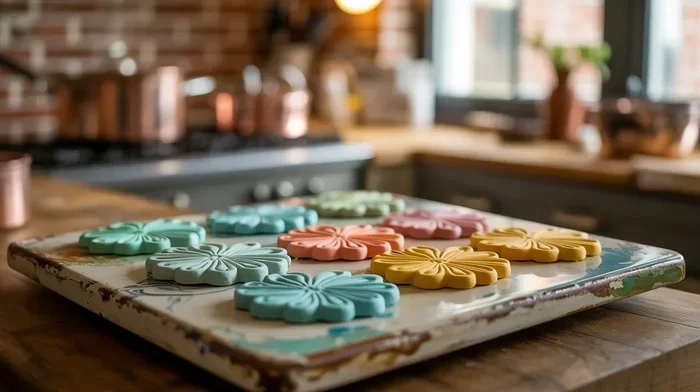
Is It Safe To Bake Polymer Clay In Your Kitchen Oven
Baking polymer clay in your kitchen oven is generally safe when you follow proper guidelines. This guide covers polymer clay baking temperature, oven safety tips, and curing polymer clay at home. You will learn how to set up your oven, avoid harmful polymer clay fumes, and create beautiful polymer clay projects with confidence.
Many crafters wonder about the safety of using their kitchen oven for bake polymer clay in oven projects. It is a very common question among beginners and experienced artists alike. The good news is that baking polymer clay in oven is considered safe when you follow a few simple guidelines.
Polymer clay has been used safely by millions of crafters around the world for decades. Manufacturers have tested their products thoroughly. They confirm that curing polymer clay at the recommended temperatures does not release dangerous levels of toxins. However, there are still important safety steps you should take. This article will walk you through everything you need to know.
Whether you are making jewelry, figurines, or home décor, understanding polymer clay kitchen safety is essential. You will learn about the right polymer clay baking temperature, how long to bake, and what precautions to follow. By the end, you will feel confident and prepared to start your next polymer clay projects in your own kitchen.
Key Takeaways
- Safe to bake: Polymer clay is non-toxic and safe to cure in a standard kitchen oven when used correctly.
- Watch your temperature: Most brands cure between 265°F and 275°F. Always use an oven thermometer to verify accuracy.
- Ventilation matters: Open a window or run a fan to reduce any polymer clay off-gassing during baking.
- Use the right surface: Always line your baking sheet with parchment paper or aluminum foil for even heating.
- Avoid common mistakes: Never overbake, and never use your polymer clay oven for food afterward without proper cleaning.
- Cool gradually: Let your creations cool slowly to prevent cracking and ensure a durable finish.
📑 Table of Contents
- Understanding Polymer Clay and How It Works
- Is It Safe To Bake Polymer Clay In Your Kitchen Oven
- Setting Up Your Oven for Polymer Clay Baking
- Temperature and Time Guidelines for Baking Polymer Clay
- Common Mistakes When Baking Polymer Clay at Home
- Expert Tips for Safe and Successful Polymer Clay Baking
- Conclusion
Understanding Polymer Clay and How It Works
Before you start bake polymer clay in oven, it helps to understand what it actually is. Polymer clay is a modeling material made from PVC particles, plasticizers, and pigments. It stays soft and pliable at room temperature. You can shape it into almost anything you imagine.
When you heat polymer clay, the particles bond together through a process called curing. This is different from baking food. The clay does not cook like dough. Instead, it hardens through a chemical reaction triggered by heat. This reaction is what makes curing polymer clay safe and reliable when done correctly.
What Makes Up Polymer Clay?
Polymer clay is primarily made of PVC (polyvinyl chloride) suspended in a plasticizer. When heated, the plasticizer evaporates and the PVC particles fuse together. This creates a hard, durable finish. The process is called polymer clay off-gassing, and it is normal.
Most quality brands use non-toxic pigments and fillers. This is why baking polymer clay in oven is generally considered safe for home use. However, the fumes released during curing can be unpleasant. They are not considered dangerous at proper baking temperatures, but ventilation is still important.
Air-Dry Clay vs Polymer Clay
It is worth noting the difference between air-dry vs polymer clay. Air-dry clay hardens at room temperature without any heat. Polymer clay requires oven baking to cure. Each has its advantages. Air-dry clay is simpler but can crack over time. Polymer clay is more durable and comes in a wider range of colors and finishes.
If you are sensitive to fumes or worried about using your oven, air-dry clay might seem like the easier option. But many crafters prefer polymer clay because of its strength and versatility. The key is learning how to bake polymer clay in oven safely.
Is It Safe To Bake Polymer Clay In Your Kitchen Oven
The short answer is yes. Baking polymer clay in oven is safe for most people when proper precautions are taken. Major polymer clay brands like Fimo, Sculpey, and Kato have all tested their products for safety. They recommend specific temperatures and times for optimal curing.
That said, safety depends on how you handle the process. The clay itself is non-toxic before curing. During curing, it releases some fumes. These fumes are the main concern for many people. Understanding this helps you take the right steps to protect yourself and your family.
The Science Behind Polymer Clay Curing
When polymer clay reaches its curing temperature, the PVC particles undergo a process called cross-linking. The plasticizers burn off gradually. This is a controlled chemical reaction. It is not combustion in the traditional sense. The fumes released are primarily from the evaporating plasticizers.
At the recommended temperatures of around 265°F to 275°F, these fumes are minimal. They are not considered hazardous. However, they can be irritating if you are in a small, unventilated space. This is why polymer clay ventilation is so important. A simple open window or a running exhaust fan makes a big difference.
Is Polymer Clay Toxic When Baked?
Many people ask, “Is polymer clay toxic when baked?” The answer is no, not at the recommended temperatures. Manufacturers have extensively tested their products. They confirm that properly cured polymer clay is safe for everyday use. It is used to make jewelry, kitchen items, and children’s toys.
However, burning polymer clay at too high a temperature can change things. Overheated clay may release stronger fumes. It can also produce a burnt smell that lingers in your oven. This is why following the correct polymer clay baking temperature is so critical. Never exceed the recommended range.
Can You Use the Same Oven for Food?
A common concern is whether you can safely use the same oven for food after baking polymer clay. The answer is yes, with proper cleaning. Once the clay has cooled, wipe down the oven interior. You can also run the oven at a high temperature for a few minutes with the door open to burn off any residual fumes.
Using parchment paper polymer clay as a liner helps keep things clean. It prevents direct contact between the clay and your oven racks. This makes cleanup much easier and keeps your kitchen hygienic for food preparation.
Setting Up Your Oven for Polymer Clay Baking
Proper setup is key to safe and successful bake polymer clay in oven sessions. A few simple preparations can make a huge difference. They improve both safety and the quality of your finished pieces.
Choose the Right Oven
You can use a standard kitchen oven or a toaster oven for baking polymer clay in oven. Both work well. A toaster oven is actually a popular choice among crafters. It heats up faster and uses less energy. It also keeps the clay smell more contained.
If you use a shared kitchen oven, consider dedicating a small toaster oven just for polymer clay. This eliminates any concerns about fumes affecting food. It also means you do not have to clean your main oven as often. Many crafters find this setup very convenient for regular polymer clay oven baking.
The Importance of an Oven Thermometer
One of the most important tools for bake polymer clay in oven is an oven thermometer. Most built-in oven thermostats are not perfectly accurate. They can be off by 25 degrees or more. This can mean the difference between a perfect cure and an overbaked mess.
Place your oven thermometer on the middle rack. Check it before every baking session. This simple habit ensures your polymer clay temperature guide is accurate. It takes just a few seconds and gives you peace of mind about your oven temperature accuracy.
Preparing Your Baking Surface
Always line your baking sheet with parchment paper or aluminum foil. This prevents the clay from sticking. It also makes cleanup easy. Never place polymer clay directly on bare oven racks or bare baking trays.
A polymer clay baking sheet dedicated just for clay projects is a great idea. Label it clearly so no one accidentally uses it for food. This is a simple step that greatly improves polymer clay kitchen safety. A dedicated surface also prevents cross-contamination and ensures even heat distribution.
Ventilation Setup
Before you start baking polymer clay in oven, open a window or turn on your range hood. Good airflow helps disperse any fumes quickly. You do not need a powerful ventilation system. Even a small fan near the oven helps.
If you are working in a small kitchen, consider propping open a nearby door. This creates cross-ventilation. It keeps the air moving and reduces any smell. Your polymer clay ventilation setup does not need to be elaborate. Simple is effective. A little fresh air goes a long way toward making bake polymer clay in oven a comfortable experience.
Temperature and Time Guidelines for Baking Polymer Clay
Getting the polymer clay baking temperature right is the most important factor. Too low and the clay will not cure properly. Too high and it can burn, warp, or release excessive fumes. Following the manufacturer’s guidelines is essential for safe and beautiful results.
Recommended Baking Temperatures by Brand
Different brands have slightly different recommendations. Here is a general guide:
- Sculpey Original: 275°F (135°C) for 15 minutes per quarter inch of thickness
- Fimo Professional: 265°F (127°C) for 30 minutes
- Kato Polyclay: 300°F (149°C) for 10-15 minutes per quarter inch
- Cernit: 284°F (140°C) for 30 minutes
Always check the packaging or manufacturer’s website for the latest instructions. These guidelines are based on extensive testing. They ensure your curing polymer clay is done safely and effectively. Each polymer clay brand formulates its clay slightly differently, so the temperatures can vary.
How Long Should You Bake Polymer Clay?
Baking time depends on the thickness of your piece. The general rule is 15 minutes per quarter inch of thickness. A piece that is half an inch thick needs about 30 minutes. A full inch needs about 60 minutes.
Thicker pieces may need even longer. Some crafters bake large pieces at a lower temperature for an extended time. This prevents burning the outer surface while ensuring the inside cures fully. Patience is key when you bake polymer clay in oven. Rushing the process leads to weak, undercured pieces.
What Happens If You Underbake?
Underbaked polymer clay will be crumbly and weak. It may break easily or crumble at the edges. This is a common mistake among beginners. They think shorter baking times save energy or prevent fumes. But underbaking ruins the durability of your piece.
Always bake for the full recommended time. If you are unsure, it is better to bake a little longer than too short. Properly cured polymer clay should feel firm but not brittle. It should have a smooth, even finish throughout. Use your oven thermometer to confirm the temperature is consistent during the entire polymer clay baking time.
What Happens If You Overbake?
Overbaking can cause several problems. The clay may turn brown or black at the edges. It can release stronger fumes and a burnt smell. Overbaked pieces may also become brittle and crack over time.
If you accidentally overbake a piece, you cannot fix it. The damage is done. This is why using an oven thermometer and setting a timer are so important. Prevention is always better than trying to salvage an overbaked creation. Keep a close eye on your oven and trust your timer.
Common Mistakes When Baking Polymer Clay at Home
Even experienced crafters make mistakes. Learning from common errors helps you avoid frustration. Here are the pitfalls to watch out for when you bake polymer clay in oven at home.
Skipping the Oven Thermometer
This is the number one mistake. Many people trust their oven’s built-in dial without verification. As mentioned, oven thermostats can be wildly inaccurate. Your clay could be baking at 300°F even though your dial says 275°F. This affects your oven temperature accuracy and can ruin your project.
An inexpensive oven thermometer solves this problem completely. It is one of the best investments you can make for polymer clay oven baking. You will notice an immediate improvement in your results. A thermometer costs just a few dollars and lasts for years.
Using the Wrong Baking Surface
Never place polymer clay directly on glass, bare metal, or cardboard. Glass can cause uneven heating and thermal shock. Cardboard can stick to the clay and even catch fire at high temperatures. Always use parchment paper, aluminum foil, or a dedicated polymer clay tile.
A ceramic tile is another excellent option. It distributes heat evenly and can be reused many times. It is a favorite among professional polymer clay artists who do polymer clay projects regularly. The right surface makes a noticeable difference in the quality of your finished pieces.
Not Letting the Clay Cool Properly
Many people pull their pieces out of the oven while they are still hot. This can cause cracking. Polymer clay needs to cool slowly to set properly. Hot clay is still soft and flexible. Sudden temperature changes create stress within the material.
Let your pieces cool on the baking sheet for at least 15-20 minutes. Then transfer them to a wire rack. This gradual cooling prevents cracks and ensures a strong finish. It is a simple step that makes a big difference in the longevity of your polymer clay projects.
Baking Polymer Clay with Food in the Oven
Never bake polymer clay at the same time as food. The fumes from curing clay can affect the taste and smell of your food. Always bake polymer clay separately. This is a basic rule of polymer clay kitchen safety that everyone should follow.
Some people worry about residual fumes after baking. If you follow the cleaning tips mentioned earlier, this is not a concern. Wipe down the oven, run it at high heat briefly, and your oven is ready for food again. Keeping your baking polymer clay safely separate from food prep is the golden rule.
Ignoring the Brand-Specific Instructions
Every brand of polymer clay has its own recommended temperature and time. Mixing brands on the same project can lead to uneven curing. One brand might be fully cured while another is still soft or overbaked.
Stick to one brand per project whenever possible. If you must mix brands, research their specific requirements and find a middle ground. But for best results, keep it simple. Follow the instructions on the package for each polymer clay brand you use. This is one of the easiest ways to ensure consistent, safe results every time.
Expert Tips for Safe and Successful Polymer Clay Baking
Now that you understand the basics, here are some expert-level tips to elevate your polymer clay oven baking game. These insights come from experienced crafters and will help you achieve professional-quality results at home.
Pre-Hardening Your Clay
Before placing your piece in the oven, make sure it is fully shaped and smoothed. Any fingerprints or tool marks will become permanent once the clay cures. Take your time during the sculpting phase. A well-prepared piece bakes more evenly and looks better.
Some crafters chill their pieces in the refrigerator for 10-15 minutes before baking. This helps them hold their shape better. It reduces the risk of warping during curing polymer clay. This is a simple trick that works wonders, especially for thin or delicate pieces.
Using a Convection Setting
If your oven has a convection feature, consider using it for polymer clay. Convection ovens circulate hot air more evenly. This reduces hot spots and promotes uniform curing. Your pieces will come out more consistent in texture and hardness.
However, convection can sometimes cause pieces to shift or blow over. Use a heavier baking surface like a ceramic tile to prevent this. Also, reduce the recommended temperature by about 25°F when using convection. This prevents overbaking the outer surface while the inside cures fully.
Testing Your Oven for Hot Spots
Most ovens have hot spots where the temperature is higher. These can cause uneven curing on your polymer clay pieces. To find them, place a sheet of white paper on the middle rack and heat the oven to 275°F for 10 minutes.
Look for areas where the paper browns more quickly. Those are your hot spots. When you bake polymer clay in oven, rotate your piece halfway through the baking time. This helps compensate for uneven heat distribution and ensures a uniform cure across the entire piece.
Adding a Second Cure Cycle
For thicker or more complex pieces, some crafters use a two-stage baking process. They bake at the recommended temperature for half the time, let the piece cool, then bake again. This ensures the inside cures fully without burning the outside.
This technique is especially useful for large figurines or thick jewelry components. It takes more time but produces much better results. It is a hallmark of experienced polymer clay artists who take their craft seriously and want every piece to be perfect.
Cleaning Your Oven After Polymer Clay Sessions
After each baking session, give your oven a quick wipe-down. Use a damp cloth with mild soap to clean the interior. If any clay drips onto the oven floor, let it cool completely before scraping it off.
For stubborn residue, place a bowl of water in the oven and heat it to 250°F for 10 minutes. The steam helps loosen baked-on clay. This simple maintenance routine keeps your oven in great shape for both craft and cooking use. A clean oven also means better oven safety tips are easier to follow because you can see any drips or residue clearly.
Storing Your Polymer Clay Properly
Proper storage extends the life of your clay and ensures consistent results. Keep clay in a cool, dark place away from direct sunlight. Heat and UV light can partially cure clay even before you place it in the oven.
Store different colors in separate bags or containers. Colors can transfer to each other over time, especially darker shades. Well-stored clay is easier to work with and produces better polymer clay projects every time. Good storage habits are part of overall polymer clay kitchen safety and make your crafting experience more enjoyable.
Conclusion
So, is it safe to bake polymer clay in oven in your kitchen? The answer is a confident yes. When you follow the recommended temperatures, use proper ventilation, and take basic precautions, baking polymer clay in oven is a safe and enjoyable hobby.
Remember to use an oven thermometer, line your baking surface with parchment paper, and always cure your clay for the full recommended time. Avoid common mistakes like overbaking or baking at the wrong temperature. With these practices, you can create beautiful polymer clay projects without any worries. Your kitchen oven is a perfectly fine tool for curing polymer clay.
Start small if you are new to this craft. Try a simple pendant or a set of coasters. As you gain confidence, you can tackle more complex polymer clay projects. The most important thing is to enjoy the process. Baking polymer clay in oven opens up a world of creative possibilities right in your own kitchen.
Grab your supplies, set up your workspace, and give it a try. You will be amazed at what you can create. Happy crafting!
Frequently Asked Questions
Can you bake polymer clay in a toaster oven?
Yes, you can safely bake polymer clay in oven using a toaster oven. Many crafters prefer toaster ovens because they heat up faster and contain fumes better. Just make sure your toaster oven has an accurate thermostat and use a separate baking sheet for clay projects.
What temperature do you bake polymer clay at?
The standard polymer clay baking temperature ranges from 265°F to 300°F depending on the brand. Most common brands like Sculpey and Fimo recommend 275°F. Always check the packaging for the specific instructions for your clay.
Is polymer clay toxic when baked?
No, properly cured polymer clay is non-toxic and safe for everyday use. The fumes released during curing polymer clay are minimal at recommended temperatures. However, always ensure good polymer clay ventilation by opening a window or using a fan while baking.
Can you use the same oven for food after baking polymer clay?
Yes, you can safely use your kitchen oven for food after baking polymer clay. Simply wipe down the interior, and consider running the oven at a high temperature for a few minutes with the door open. Using parchment paper polymer clay liners also helps keep things clean and separate.
How long should you bake polymer clay?
The general rule is 15 minutes per quarter inch of thickness at the recommended temperature. Thicker pieces need longer baking times. Never underbake, as this leads to a crumbly, weak finish. An oven thermometer helps ensure your polymer clay temperature guide is accurate throughout the process.
What happens if you overbake polymer clay?
Overbaking can cause browning, burning, and a strong unpleasant smell. Overbaked pieces may become brittle and crack over time. To avoid this, always follow the manufacturer’s recommended polymer clay baking temperature and time, and never leave the oven unattended.