How To Fix Gas Oven Not Lighting And Get Cooking Again
A gas oven not lighting can stop your dinner plans, but the fix is often simpler than you think. You will learn to spot the real cause—whether it is a worn igniter, a faulty spark module, or a gas supply issue. Follow these safe, step-by-step instructions to get your oven heating again.
Your oven is ready, you set the temperature, and… nothing happens. That cold silence when a gas oven not lighting can ruin a meal before it even starts. You might hear a click, see a glow, or get nothing at all. The good news is that most of the time, the problem is something you can fix yourself.
This guide walks you through every possible reason your oven will not heat. I will show you how to test the igniter, check the spark module, and verify the gas supply. You will also learn when it is safe to keep going and when to call a professional. By the end, you will have the confidence to tackle the repair and get back to baking your favorite meals.
Before we dive in, let me reassure you: you do not need to be a master technician. A few basic tools and a little patience are all you need. I will keep the language simple and the steps clear. Let us get your oven working again.
Key Takeaways
- Most common culprit: A failed igniter is the #1 reason a gas oven won’t light.
- Spark module faults: Dirty or damaged electrodes can stop the spark that lights the gas.
- Gas supply check: A closed shut-off valve or low pressure can mimic igniter problems.
- Safety first: Always disconnect power and check for gas leaks before any repair.
- Test before you replace: Use a multimeter to confirm the igniter or spark module is dead.
- Call a pro when needed: Control board or thermal fuse failures need a qualified technician.
📑 Table of Contents
- Why Your Gas Oven Won’t Light
- Safety First: What to Do Before You Touch Anything
- How to Test and Replace the Oven Igniter
- Inspecting the Spark Module and Electrodes
- Gas Valve and Supply Line Troubleshooting
- Common Mistakes That Prevent Your Oven from Lighting
- When to Call a Professional
- Final Thoughts: Getting Your Oven Back to Work
Why Your Gas Oven Won’t Light
A gas oven uses a spark or an igniter to light the gas that flows from the burner. When any part of that chain fails, the oven will not heat. The three most common causes are a worn-out igniter, a faulty spark module, or a problem with the gas supply. Understanding how each part works helps you pinpoint the issue quickly.
The ignition sequence begins when you turn the oven knob to the bake or broil setting. The control board sends power to the igniter or spark module. In a hot surface ignition system, the igniter glows and opens the gas valve. In a spark ignition system, the module sends a high-voltage spark to the electrodes. Either way, the gas ignites and the oven starts to heat. When one link in that chain breaks, the whole process stops.
The Igniter
The igniter is a small glow plug located near the burner. When you turn the oven on, electricity heats the igniter until it glows bright orange. That heat opens the gas valve, and gas flows to the burner. The igniter then lights the gas. Over time, the igniter can weaken. It may still glow, but not hot enough to open the valve. This is the most frequent reason for a gas oven not lighting.
The Spark Module and Electrodes
Some ovens use a spark ignition system instead of a hot surface igniter. The spark module sends a high-voltage spark to the spark electrodes. The electrodes sit near the burner and create a clicking sound and a visible spark. If the electrodes are dirty, cracked, or misaligned, the spark will not ignite the gas. A bad spark module will produce no spark at all. Both issues lead to the same frustrating result: an oven that will not light.
Gas Supply Issues
Even a perfect igniter and spark module cannot light an oven with no gas. The gas supply can be interrupted by a closed shut-off valve, a tripped safety valve, or low gas pressure from the regulator. Sometimes the problem is as simple as a knob not fully turned to the ignite position. Other times, the gas line itself has a blockage or a leak. We will check all of these in the sections below.
Safety First: What to Do Before You Touch Anything
Gas appliances demand respect. Before you open the oven door or touch any internal parts, follow these safety steps. A gas leak is dangerous, and electricity can shock you. Taking a few minutes to be safe will protect you and your home.
Checking for Gas Leaks
If you smell gas near the oven, stop immediately. Do not flip any switches or plug anything in. Open a window and leave the room. Check the gas shut-off valve on the line leading to the oven. If the smell is strong, call your gas company or emergency services. Never use a flame or an electrical device to look for a leak. A soapy water solution can test connections later, but only when there is no active smell.
Disconnecting Power
Unplug the oven from the wall outlet. If the oven is hardwired, turn off the circuit breaker that controls it. This prevents electrical shock while you work on the igniter, spark module, or wiring. Even if the oven is off, some components can still carry voltage. Always treat the oven as live until you have confirmed the power is disconnected.
Quick Tip: Take a photo of the wiring and components before you disconnect anything. This makes reassembly much easier and helps you remember where each wire goes.
How to Test and Replace the Oven Igniter
The igniter is the heart of a hot surface ignition system. When it fails, the oven will not light even though you can hear the gas trying to flow. Testing the igniter is simple and requires only a multimeter. Replacing it is a straightforward job that most homeowners can complete in under an hour.
Signs of a Failing Igniter
Watch for these clues that your igniter is wearing out. The oven takes a very long time to start, sometimes more than five minutes. The igniter glows a dull red instead of a bright orange. The oven lights only after you hold the knob in the ignite position for a long time. In some cases, the igniter glows but the gas never ignites, and you smell gas. Any of these signs point to a weak igniter that needs replacement.
Testing the Igniter with a Multimeter
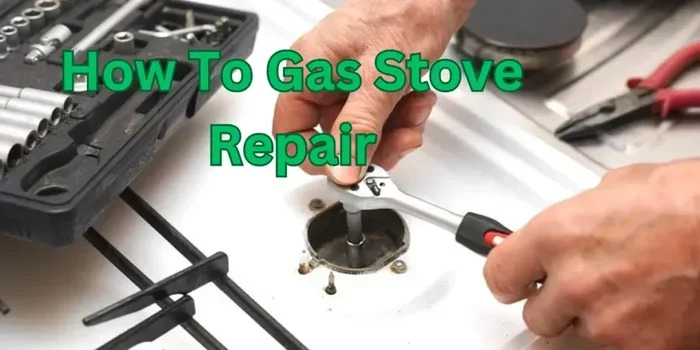
To test the igniter, you must first remove it from the oven. The igniter is usually held by a couple of screws or clips near the burner. Carefully disconnect the wires. Set your multimeter to the ohms (resistance) setting. Touch the probes to the igniter terminals. A good igniter will read between 20 and 60 ohms, depending on the model. If the reading is infinite (OL) or very low (under 1 ohm), the igniter is broken. Replace it with an exact match for your oven model.
Common Mistake: Many people assume the igniter is fine because it glows. A dim glow is not enough. The igniter must reach a specific temperature to open the gas valve. Always test with a multimeter to be sure.
Replacing the Igniter Step by Step
Order the correct replacement part using your oven model number. Remove the old igniter by unscrewing the mounting screws. Disconnect the wires and attach them to the new igniter in the same positions. Secure the new igniter with the screws. Reconnect the power and turn the gas back on. Turn the oven on and watch for the igniter to glow bright orange and the gas to light within seconds. If it still does not light, move on to the spark module check.
Inspecting the Spark Module and Electrodes
Ovens with spark ignition use a different system. The spark module generates a high-voltage spark that jumps between the spark electrodes. The electrodes are metal probes positioned on either side of the burner. When the module sends a spark, you should see a bright blue arc and hear a rapid clicking sound. If the spark is weak, yellow, or absent, the oven will not light.
How the Spark System Works
When you turn the oven to bake or broil, the control board sends a signal to the spark module. The module then cycles the spark on and off rapidly. The spark jumps between the electrodes and ignites the gas. The oven continues to spark for a few seconds after ignition to ensure the flame is stable. If the electrodes are coated with grease or food debris, the spark cannot jump the gap. A cracked electrode or a failed spark module will also stop the spark entirely.
Cleaning the Spark Electrodes
Sometimes the fix is as simple as cleaning the electrodes. Remove the burner assembly if possible. Use a dry toothbrush or a soft cloth to gently scrub the electrode tips. Do not use water or cleaning sprays near the spark module or wiring. A small piece of fine-grit sandpaper can lightly remove corrosion from the electrode tip. After cleaning, dry the area completely and reassemble. Test the oven to see if the spark is now strong enough to light the gas.
Replacing the Spark Module
If cleaning does not work, the spark module may be faulty. The module is usually located near the back of the oven or under the control panel. Test the module by listening for the clicking sound when you turn the oven on. No click means the module is not receiving power or is dead. Use a multimeter to check for continuity. Replace the module with an exact match. Reconnect all wiring carefully. A new spark module often restores the oven to full working order.
Expert Insight: Spark electrode gaps are very precise. If you accidentally bend an electrode while cleaning, the gap may become too wide for the spark to jump. Always handle electrodes with care and follow the manufacturer’s gap specification if available.
Gas Valve and Supply Line Troubleshooting
Even with a working igniter and spark module, the oven will not light if gas cannot reach the burner. The gas supply path includes the shut-off valve, the safety valve, the pressure regulator, and the burner tube. Each component can fail or become blocked, leading to a gas oven not lighting.
The Shut-Off Valve
Behind or near the oven, there is a gas shut-off valve. This valve controls the gas flow to the oven. It is often a small lever or knob on the gas line. If the valve is partially closed or fully closed, the oven will not receive gas. Check that the valve is fully open. Sometimes the valve gets bumped during cleaning or moving the oven. Turn it to the open position and try lighting the oven again.
Low Gas Pressure
Gas appliances need a steady supply of gas at the correct pressure. If your home has low gas pressure, the oven may click but never light. Low pressure can happen if other gas appliances are running at the same time, like a furnace or a clothes dryer. It can also indicate a problem with the gas regulator on the exterior of your home. If you suspect low pressure, try turning off all other gas appliances and see if the oven lights. If it still does not, contact your gas utility company.
The Safety Valve
The safety valve prevents gas from flowing unless the igniter or spark module signals that it is ready to light. This is a crucial safety feature. If the safety valve is stuck closed, the oven will not light even if the igniter is working. The safety valve is not something you can easily test or replace yourself. If you have ruled out the igniter, spark module, and gas supply, a technician should inspect the safety valve.
Quick Tip: After checking the shut-off valve, listen carefully when you turn the oven on. You should hear a gentle hiss of gas followed by a click and then the igniter glow or spark. If you hear no hiss at all, the gas supply is likely blocked or the valve is closed.
Common Mistakes That Prevent Your Oven from Lighting
Even experienced homeowners can skip simple steps that lead to unnecessary repairs. Here are the most common mistakes I see when a gas oven not lighting problem comes up.
- Assuming the igniter is good because it glows: A dim red glow is not enough heat to open the gas valve. Always test with a multimeter.
- Using wet cleaners on spark electrodes: Water can short out the spark module and damage wiring. Keep everything dry.
- Forgetting to check the oven light and door switch: Some ovens will not start the ignition cycle if the door is not properly seated. Make sure the door closes fully.
- Ignoring the gas smell: A faint gas odor when you turn the oven on can indicate a failing igniter that is letting gas build up. Stop and investigate.
- Replacing parts without testing: A new igniter can still be defective out of the box. Test it before you install it to avoid double work.
When to Call a Professional
Most igniter and spark repairs are safe for DIYers. However, some problems require the expertise of a qualified appliance repair technician. Knowing your limits keeps you safe and prevents costly mistakes.
Control Board Failures
The oven control board is the brain that coordinates the ignition sequence. If the control board fails, it may not send power to the igniter or spark module. Symptoms include no click, no glow, and no spark when the oven is turned on. Control board replacement involves complex wiring and programming. A professional can diagnose the board and install a compatible replacement safely.
Thermal Fuse and Wiring Issues
Ovens have thermal fuses that blow if the temperature gets too high. A blown thermal fuse will cut power to the ignition system, and the oven will not light. Testing a thermal fuse requires accessing it inside the oven cavity or behind the control panel. If you find a blown fuse, it is a sign of an underlying overheating problem that needs to be addressed, not just a fuse swap. Wiring damage, such as frayed wires or loose connectors, can also prevent the oven from lighting. These repairs require electrical knowledge and care.
Complex Gas Repairs
Any repair that involves the gas line itself—such as replacing a gas valve, regulator, or burner tube—should be left to a licensed professional. Gas work carries serious risks of leaks, fire, and explosion. A certified technician has the tools and training to perform these repairs safely and ensure your oven meets all safety codes.
Key Takeaway: If you have checked the igniter, spark module, gas supply, and safety valve, and the oven still will not light, it is time to call an expert. Do not attempt gas line repairs yourself.
Final Thoughts: Getting Your Oven Back to Work
Getting your oven to light again is incredibly rewarding. You will save money on repair calls and gain confidence in your home maintenance skills. Start with the simplest checks—power, gas valve, and igniter glow—and work your way through the steps in this guide. Most of the time, a gas oven not lighting is a quick fix that brings back the joy of home cooking.
Keep this guide bookmarked for future reference. Share it with a friend who is also dealing with a stubborn oven. And remember: safety always comes first. If you are ever unsure, a qualified technician is just a phone call away. Happy baking and happy cooking!
Frequently Asked Questions
Why does my gas oven click but not light?
A clicking sound means the spark module or igniter is trying to work, but the gas is not igniting. This is often caused by a weak igniter that does not get hot enough to open the gas valve, dirty spark electrodes, or a gas supply issue. Check the igniter glow and clean the electrodes first.
How much does it cost to replace a gas oven igniter?
A replacement igniter typically costs between $30 and $75 for the part. If you hire a technician, labor adds $100 to $200. Doing the repair yourself saves you the labor cost and is well within the skill level of most homeowners with a multimeter and basic tools.
Can a gas oven not light due to a tripped breaker?
Yes. If the oven is electrically powered for its ignition system, a tripped breaker or a blown fuse will cut the power to the igniter or spark module. Check your home’s electrical panel and reset the breaker. Then try lighting the oven again.
Is it safe to use the oven if you smell gas but it won’t light?
No. If you smell gas and the oven will not light, do not keep trying to ignite it. Turn off the gas supply at the shut-off valve, open windows, and leave the area. Call your gas company or emergency services immediately. A gas leak is a serious safety hazard.
What is the difference between a bake igniter and a broil igniter?
Some ovens have separate igniters for the bake and broil burners. The bake igniter is usually at the bottom of the oven, while the broil igniter is at the top. If only one heating element fails to light, you may only need to replace the corresponding igniter. Check both igniters if your oven has separate ones.
Can I clean the spark electrodes with water?
No. Water can damage the spark module and wiring. Use a dry toothbrush or a dry cloth to clean the electrodes. If there is heavy grease buildup, use a dry abrasive pad lightly. Always ensure the electrodes are completely dry before reassembling the oven.