How To Bake Eggplant In The Oven Perfectly Every Time
Baking eggplant in the oven is simple, healthy, and delicious. This guide shows you the exact steps to get perfectly roasted eggplant every time. You will learn prep tips, baking times, temperatures, and creative recipes.
Eggplant is one of the most versatile vegetables you can cook. It soaks up flavors like a sponge and turns creamy and rich when baked. Whether you love roasted eggplant on its own or want to make a full dish like eggplant parmesan, the oven is your best tool. Baking eggplant in the oven is easy, hands-off, and brings out a deep, smoky sweetness you cannot get from frying. In this guide, we walk you through every step so you get perfect results each time.
If you have never cooked eggplant before, do not worry. This vegetable is forgiving and hard to ruin once you know the basics. We will cover how to choose the right eggplant, how to prep it, what temperature to use, and how long to bake it. We also share several eggplant recipes you can try right away. By the end, you will feel confident using your oven-baked eggplant in many different meals.
Key Takeaways
- Slice and prep correctly: Salting and drying eggplant removes bitterness and improves texture.
- Use the right temperature: 400°F to 425°F is the sweet spot for crispy, golden eggplant.
- Don’t skip the oil: A light coat of olive oil helps eggplant brown and caramelize beautifully.
- Timing matters: Most eggplant bakes take 20 to 35 minutes depending on thickness.
- Try many recipes: From simple seasoned slices to eggplant parmesan and fries, the oven opens up endless options.
- Avoid common mistakes: Overcrowding the pan and skipping the salt are the top errors to dodge.
📑 Table of Contents
Why Bake Eggplant in the Oven?
There are many ways to cook eggplant. You can fry it, grill it, or steam it. But baking in the oven has some big advantages. First, it is simple. You slice the eggplant, add a little oil and seasoning, and let the heat do the work. Second, baking uses less oil than frying. This makes it a healthy eggplant option for everyday meals. Third, the oven gives you even cooking across every piece.
Baking also brings out a natural sweetness in the eggplant. The dry heat caramelizes the sugars on the surface. This creates a slightly crispy outside and a soft, creamy inside. The roasted eggplant flavor is rich and complex. It works as a side dish, a main course, or even a topping for pizza and pasta.
Health Benefits of Baked Eggplant
Eggplant is low in calories and high in fiber. A one-cup serving has only about 20 calories. It also provides vitamins B1, B6, and potassium. Baking keeps these nutrients intact better than deep frying. The healthy eggplant baked in the oven makes a great addition to any balanced meal plan.
How to Choose the Right Eggplant
Not all eggplants are the same. Choosing the right one makes a big difference in your final dish. Look for eggplants that feel heavy for their size. The skin should be smooth, shiny, and firm. Avoid any with soft spots or wrinkled skin. These signs mean the eggplant is old or dried out.
The size and shape also matter. Smaller eggplants tend to have fewer seeds and less bitterness. Globe eggplants are the most common type found in grocery stores. They work well for almost any oven-baked eggplant recipe. Japanese eggplants are longer and thinner. They cook faster and have a more delicate flavor.
Eggplant Varieties and Their Best Uses
- Globe eggplant: The classic large, round shape. Best for slicing and baking as rounds or cubes.
- Japanese eggplant: Long and slender. Great for grilling or baking in strips.
- Italian or baby eggplant: Small and tender. Perfect for whole roasting or halving.
- White eggplant: Milder flavor with a thinner skin. Good for stuffing or baking whole.
How to Prep Eggplant for Baking
Prepping eggplant is the most important step. Take your time here and the results will be much better. The first thing you should do is wash the eggplant and pat it dry. Then cut off the stem. From there, you can slice it into rounds, cubes, or lengthwise strips depending on your recipe.
Many recipes call for salting the eggplant before baking. This step draws out moisture and reduces bitterness. While modern eggplants are less bitter than older varieties, salting still improves the eggplant texture significantly. It helps the pieces hold their shape and absorb less oil during baking.
The Salting Method
To salt your eggplant, lay the slices on a wire rack or paper towel. Sprinkle kosher salt generously on each side. Let them sit for 30 to 60 minutes. You will see beads of moisture form on the surface. After the time is up, rinse the salt off and pat the slices completely dry. This simple step makes a huge difference in your eggplant prep.
Quick Tips for Eggplant Prep
- Use a sharp knife to get clean, even slices.
- Consistency in thickness ensures even baking.
- Always dry the eggplant thoroughly after salting.
- For cubes, a 1-inch size works best for most recipes.
- Do not skip the drying step if you want crispy results.
The Best Oven Temperature and Time
Getting the temperature right is key to perfect baked eggplant. The ideal range is between 400°F and 425°F. This high heat helps the outside turn golden and slightly crispy while keeping the inside soft and creamy. Lower temperatures will steam the eggplant instead of roasting it, which leads to a mushy result.
Most oven-baked eggplant recipes call for 20 to 35 minutes of baking time. Thinner slices need less time, around 20 to 25 minutes. Thicker cuts or whole halves may need 30 to 40 minutes. Flipping the pieces halfway through ensures even browning on both sides.
Temperature and Time Guide
| Cut Type | Thickness | Temperature | Bake Time |
|---|---|---|---|
| Rounds | 1/2 inch | 425°F | 20-25 minutes |
| Strips | 1/3 inch | 400°F | 18-22 minutes |
| Cubes | 1 inch | 425°F | 25-30 minutes |
| Halves | Full width | 400°F | 30-40 minutes |
| Whole small | Full eggplant | 375°F | 40-50 minutes |
How to Know When Eggplant Is Done
Your roasted eggplant is ready when the edges are golden brown. The pieces should feel tender when you poke them with a fork. They will also look slightly shrunken and caramelized. If the top is browning too fast, cover the pan loosely with foil for the last few minutes.
Simple Ways to Season Baked Eggplant
One of the best things about baking eggplant in the oven is how easy it is to season. The mild flavor of eggplant takes on almost any taste you give it. Keep it simple or get creative. The possibilities are endless.
Basic Seasoning for Beginners
For a simple start, drizzle your slices with olive oil. Add salt, pepper, and garlic powder. A sprinkle of dried oregano or Italian seasoning works beautifully too. This classic approach lets the natural flavor of the eggplant slices shine through.
Flavor Boosters to Try
- Smoked paprika and cumin: Adds a warm, smoky depth.
- Lemon juice and fresh herbs: Brightens the flavor with a zesty kick.
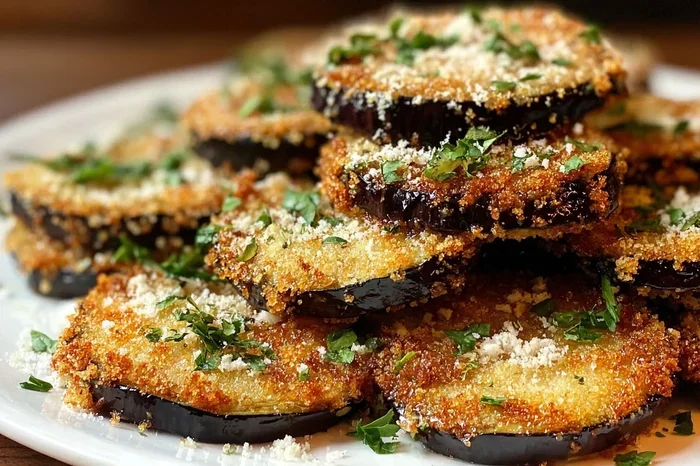
- Parmesan and breadcrumbs: Creates a crunchy, savory crust.
- Buffalo sauce and ranch: Turns eggplant into a fun snack or appetizer.
- Soy sauce and sesame oil: Gives an Asian-inspired twist.
Common Mistakes to Avoid
Even with a simple recipe, mistakes can happen. One of the biggest errors is using too much oil. Eggplant does not need a heavy coating. A light drizzle or spray is enough. Another mistake is overcrowding the baking sheet. When pieces touch each other, they steam instead of roast. Spread them out in a single layer with space between each piece.
Skipping the preheating step is another common error. Always let the oven reach the target temperature before you put the eggplant in. Cold ovens lead to uneven cooking and soggy results. Also, do not forget to flip the pieces halfway. This one small step ensures both sides get that perfect golden color.
Delicious Eggplant Recipes for the Oven
Now that you know the basics, it is time to try some recipes. These eggplant recipes are easy to follow and full of flavor. Each one highlights a different way to enjoy oven-baked eggplant.
1. Simple Seasoned Baked Eggplant
This is the most basic and delicious way to start. Slice one large eggplant into 1/2-inch rounds. Toss them with olive oil, salt, pepper, and garlic powder. Arrange on a parchment-lined baking sheet in a single layer. Bake at 425°F for 20 to 25 minutes, flipping halfway. Serve as a side dish or snack.
2. Crispy Baked Eggplant Fries
Eggplant fries are a hit with kids and adults alike. Cut the eggplant into long strips. Dip them in beaten egg, then coat with seasoned breadcrumbs. Place on a greased baking sheet and bake at 425°F for 18 to 22 minutes. Serve with marinara sauce or ranch dressing for dipping. These make a great healthy eggplant alternative to french fries.
3. Easy Eggplant Parmesan
Eggplant parmesan is a classic comfort food. Slice the eggplant into 1/4-inch rounds. Bake them at 400°F for 15 minutes. Then layer them in a baking dish with marinara sauce and mozzarella cheese. Bake again at 375°F for 15 to 20 minutes until the cheese is bubbly and golden. This dish is rich, satisfying, and perfect for family dinners.
4. Honey Garlic Baked Eggplant
This recipe adds a sweet and savory glaze. Slice eggplant into rounds and bake at 400°F for 20 minutes. Mix honey, minced garlic, soy sauce, and a pinch of red pepper flakes. Brush the glaze over the warm eggplant. Return to the oven for 5 more minutes. The result is a sticky, flavorful side dish that pairs well with rice or noodles.
Expert Tips for Perfect Eggplant Every Time
Even if you follow a recipe perfectly, a few pro tips can elevate your roasted eggplant from good to great. These small details make a noticeable difference in taste and texture.
Use parchment paper or a silicone mat. This prevents sticking and makes cleanup a breeze. Let the eggplant rest after baking. It will continue to soften and develop flavor as it cools slightly. Store leftovers properly. Baked eggplant slices keep in the fridge for up to four days. Reheat them in the oven at 350°F for 10 minutes to maintain the best eggplant texture.
Do not be afraid to experiment. Try different spices, sauces, and cooking times. Every eggplant is slightly different, so adjust as needed. Over time, you will develop a feel for exactly how you like your baked eggplant.
Quick Tips Summary
- Always preheat the oven before baking.
- Use a wire rack for even air circulation.
- Flip pieces halfway through for uniform browning.
- Line your baking sheet for easy cleanup.
- Let baked eggplant rest for 5 minutes before serving.
- Store leftovers in an airtight container in the fridge.
Frequently Asked Questions
Do I need to salt eggplant before baking?
Salting is not strictly necessary for every recipe, but it is highly recommended. It removes excess moisture, reduces bitterness, and improves the final eggplant texture. If you are short on time, you can skip it, but the results may be slightly less crisp.
Can I bake eggplant without oil?
Yes, you can bake eggplant with little to no oil. The results will be lighter and less crispy. A light spray of oil or a small drizzle helps achieve better browning and flavor. If you want a completely oil-free option, use a silicone baking mat and season generously.
How do I know if eggplant is cooked through?
Poke the thickest part with a fork. It should slide in easily with no resistance. The outside should be golden brown and the inside should be soft and creamy. Undercooked eggplant feels firm and spongy in the center.
Can I freeze baked eggplant?
Yes, baked oven-baked eggplant freezes well. Let it cool completely, then store it in an airtight container or freezer bag. It keeps for up to three months. Reheat in the oven at 350°F for about 10 minutes to restore the best texture.
What is the best way to cut eggplant for baking?
The best cut depends on your recipe. Rounds work great for layered dishes like parmesan. Strips are ideal for fries. Cubes are perfect for roasting and adding to grain bowls or salads. Always aim for consistent thickness so everything cooks evenly.
Why does my eggplant come out soggy?
Soggy eggplant usually happens for a few reasons. Overcrowding the pan traps steam and prevents browning. Not salting and drying the slices leaves too much moisture. Using too much oil also contributes to a greasy, soft result. Make sure to space pieces apart, dry them well, and use just enough oil to lightly coat.
Conclusion
Baking eggplant in the oven is one of the easiest and most rewarding cooking skills you can learn. It requires minimal ingredients, almost no hands-on time, and delivers incredible flavor. From simple seasoned slices to loaded eggplant parmesan, the oven brings out the best in this humble vegetable.
Remember the key steps. Choose a firm, fresh eggplant. Prep it well by washing, slicing, and optionally salting. Use the right temperature between 400°F and 425°F. Bake for the correct time based on your cut size. Season generously and enjoy the process. With these tips, your roasted eggplant will turn out perfectly every time.
Now it is your turn. Grab an eggplant from the store, preheat your oven, and try one of the recipes above. Once you master the basics, you will find yourself reaching for oven-baked eggplant again and again. It is a healthy eggplant dish that the whole family will love. Happy baking!