How To Make Fresh Coffee From A French Press At Home
Making French press coffee at home is simpler than you think. This guide walks you through every step, from choosing the right coffee grounds to pouring your first rich cup. You will learn the exact brewing technique, common mistakes to avoid, and pro tips for the best morning coffee every single day.
There is something truly special about starting your day with a warm cup of French press coffee. Unlike drip machines or single-serve pods, a French press lets you control every part of the brewing process. The result is a rich, full-bodied cup that tastes far better than anything you can grab from a coffee shop.
If you have been curious about coffee brewing at home but felt intimidated, this guide is for you. We will walk you through every single step. You will learn what equipment you need, how to grind your beans, the right water temperature, and how to avoid the mistakes that ruin a good cup. By the end, you will be making French press coffee like a pro.
French press coffee has been around for decades, and for good reason. It is simple, affordable, and produces incredibly flavorful results. Whether you are a complete beginner or someone who wants to improve your morning routine, this guide covers everything you need to know. Let us dive in.
Key Takeaways
- Use coarsely ground coffee: The right grind size is the foundation of great French press coffee.
- Stick to a 1:15 coffee-to-water ratio: This ratio delivers balanced, rich coffee every time.
- Steep for exactly four minutes: Timing matters for the perfect coffee extraction and flavor.
- Clean your French press regularly: Proper maintenance keeps your coffee tasting fresh and clean.
- Avoid fine ground coffee: Fine grounds make your coffee gritty and over-extracted.
- Pour immediately after pressing: Leaving coffee in the press leads to bitterness and a harsh coffee taste.
📑 Table of Contents
- What Is a French Press and Why Do People Love It
- What You Need to Make French Press Coffee at Home
- Step-by-Step Guide to Brewing the Perfect French Press Coffee
- Tips for Making the Best French Press Coffee Every Time
- Common Mistakes That Ruin French Press Coffee
- Cleaning and Maintaining Your French Press and Kitchen Equipment
- Comparison: French Press vs Other Brewing Methods
- Expert Insights on Perfecting Your French Press Coffee
- Conclusion
What Is a French Press and Why Do People Love It
A Simple Brewing Method
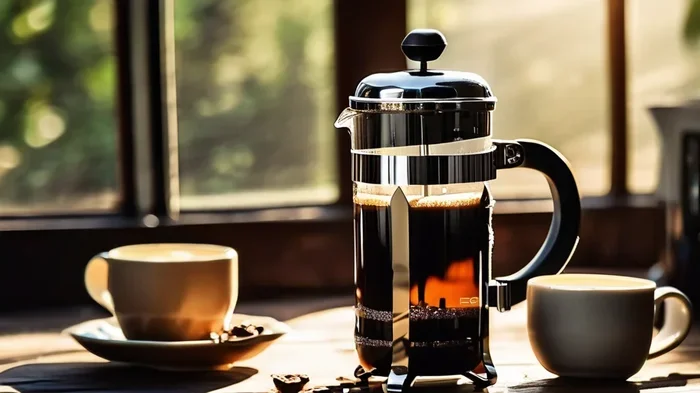
A French press is a handheld coffee maker that uses a simple immersion brewing technique. You add coarsely ground coffee to the carafe, pour hot water over it, let it steep, and then press down a metal filter plunger. That is it. No batteries, no electricity, no complicated parts.
The design has been around since the 1850s, though modern versions are much more refined. Today, you can find French presses made from glass, stainless steel, and even ceramic. Each material has its own benefits, but they all produce the same great tasting result.
Coffee brewing with a French press is different from other methods because the coffee grounds stay in direct contact with the water the entire time. This creates a fuller extraction and a richer coffee flavor compared to paper-filtered methods. Many coffee lovers say this is what gives French press coffee its signature depth.
Why French Press Coffee Tastes So Good
The secret behind great French press coffee lies in the immersion process. When coffee grounds sit in hot water, they release oils, aromas, and flavors that paper filters would normally trap. This means you get more of the natural goodness in every sip.
The metal filter in a French press allows tiny coffee oils to pass through. These oils carry much of the coffee aroma and flavor profile that make each cup so satisfying. The result is a rich coffee experience that feels smooth and full on your palate.
Another reason people love making French press coffee at home is the control it gives you. You decide the grind size, the water temperature, the steeping time, and the coffee-to-water ratio. This level of customization means you can tailor every cup to your personal taste. Once you start making French press coffee at home, it becomes a daily ritual you look forward to.
What You Need to Make French Press Coffee at Home
The Right Coffee Beans
Choosing the right coffee beans is the first step to making excellent French press coffee. You want fresh, whole beans rather than pre-ground coffee. Fresh beans retain more oils and flavor compounds, which translates directly into a better tasting cup.
Look for beans that have a roast date within the last two weeks. Medium to dark roasts work especially well for French press brewing because they bring out bold, earthy flavors. However, you can use any roast you enjoy. Light roasts can also produce wonderful French press coffee with brighter, more complex notes.
When it comes to coffee beans, origin matters too. Beans from South America tend to have nutty, chocolatey notes that pair beautifully with the immersion method. African beans often bring fruity, floral flavors that create an exciting coffee taste. Experiment with different origins to find what you love most.
Grinding Your Coffee Correctly
The grind size is one of the most important factors in making great French press coffee. You need a coarse grind, similar to the texture of sea salt. If your grounds are too fine, they will slip through the filter and make your coffee gritty and unpleasant.
Investing in a burr grinder is highly recommended. Blade grinders tend to produce uneven particles, which leads to inconsistent extraction. A burr grinder gives you a uniform coarse grind that ensures even coffee extraction and a clean, smooth cup every time.
Grind your beans just before brewing for the best results. Once ground, coffee starts to lose its freshness within minutes. If you must grind ahead of time, store the grounds in an airtight container. But for the absolute best coffee flavor, grind right before you brew.
Hot Water and Temperature Control
Water temperature plays a huge role in coffee brewing. You want water that is hot but not boiling. The ideal temperature for French press coffee is between 195 and 205 degrees Fahrenheit. Boiling water can scorch the coffee grounds, leading to a bitter taste.
If you do not have a thermometer, simply bring your water to a boil and then let it sit for about 30 seconds. This cooling period brings it into the perfect range. The right water temperature ensures proper coffee extraction without burning the grounds.
Use filtered water whenever possible. The quality of your water directly affects the taste of your coffee. Chlorinated or hard water can introduce off-flavors that mask the natural coffee aroma and coffee taste of your beans.
Kitchen Equipment You Will Need
Making French press coffee requires very little equipment. Here is what you need:
- A French press carafe (glass or stainless steel)
- A burr grinder or coarse grinder
- A kettle for heating water
- A timer or clock
- A wooden or plastic spoon for stirring
- A mug for serving
That is all you need. There is no need for expensive machines or complicated gadgets. If you are also setting up a brand new kitchen setup, you might want to learn how to use a brand new oven for other cooking tasks while you enjoy your fresh coffee. The simplicity of a French press is part of what makes it so appealing.
Step-by-Step Guide to Brewing the Perfect French Press Coffee
Step One: Measure Your Coffee and Water
The standard ratio for French press coffee is 1:15. That means one part coffee to fifteen parts water. For a standard cup, use about 30 grams of coarsely ground coffee and 450 milliliters of hot water. You can adjust this ratio based on your preference for stronger or milder coffee strength.
Using a kitchen scale gives you the most accurate results. Scoops and tablespoons can be inconsistent. If you do not have a scale, a good rule of thumb is two tablespoons of coffee per six ounces of water. However, a scale will help you nail the coffee recipe every single time.
Step Two: Heat the Water to the Right Temperature
Bring your water to a boil and then let it cool for about 30 seconds. As mentioned earlier, the target temperature is between 195 and 205 degrees Fahrenheit. Getting the temperature right is just as important as knowing what button to press to preheat oven for baking. Temperature control is fundamental to good results in any kitchen task.
Pour the hot water slowly over the coffee grounds. Try to saturate all the grounds evenly. A gentle pour helps the coffee bloom, which releases carbon dioxide and enhances the coffee flavor and coffee aroma.
Step Three: Add Coffee Grounds and Start the Timer
Once the water is in the French press, place the lid on top but do not press the plunger yet. Start your timer immediately. The steeping time for French press coffee is typically four minutes. This window allows for optimal coffee extraction without over-extracting bitter compounds.
During the first 30 seconds, you will notice the grounds bubbling and rising to the top. This is called the bloom, and it is a sign that your coffee is fresh. The bloom releases trapped gases and prepares the grounds for full extraction.
Step Four: Stir and Let It Steep
At the one-minute mark, give the coffee a gentle stir with a wooden or plastic spoon. This breaks up the crust of grounds on the surface and ensures even brewing. Use slow, smooth motions. Avoid stirring too vigorously, as this can agitate the grounds and create a muddy cup.
After stirring, place the lid back on and let the coffee steep for the remaining three minutes. Resist the urge to peek or stir again. The immersion brewing process needs undisturbed time to extract the full range of flavors and oils from the grounds.
Step Five: Press and Pour
When the four minutes are up, it is time to press. Push the plunger down slowly and steadily with even pressure. If you push too fast, the grounds will agitate and your coffee will be cloudy and gritty.
Once pressed, pour the coffee immediately into your mug or serving carafe. Do not leave the coffee sitting in the French press. The grounds will continue to extract, making the coffee increasingly bitter over time. Pouring right away ensures the best coffee taste and a clean, smooth finish.
Quick Tips for Better Brewing
- Always preheat your French press with hot water before brewing. This keeps the brewing temperature stable.
- Use fresh, cold filtered water for the best coffee flavor.
- Do not skip the bloom. It is a sign of fresh beans and better extraction.
- Pour slowly when pressing the plunger to avoid disturbing the grounds.
- Serve immediately for the cleanest, most enjoyable morning coffee experience.
Tips for Making the Best French Press Coffee Every Time
Adjust the Coffee Strength to Your Liking
Not everyone loves the same coffee strength. Some people prefer a bold, intense cup, while others like it mild and smooth. The beauty of French press coffee is that you can easily adjust the strength to match your preferences.
For a stronger cup, use more coffee grounds while keeping the water amount the same. Try a 1:13 ratio for a bolder rich coffee experience. For a lighter cup, use a 1:17 ratio. Small adjustments make a big difference, so experiment until you find your perfect balance.
Experiment with Different Coffee Beans
One of the joys of making French press coffee at home is the ability to explore different beans. Each origin and roast level brings unique flavors to the cup. Try a Ethiopian single-origin for bright, fruity notes, or a Sumatran bean for earthy, herbal depth.
Keeping a coffee journal can help you track what you like. Write down the bean origin, roast level, grind size, and steeping time. Over time, you will develop a personal coffee recipe that consistently delivers the perfect cup. This exploration is part of what makes the coffee ritual so enjoyable.
Keep Your Morning Coffee Routine Consistent
Consistency is key to great French press coffee. Use the same ratios, temperatures, and timing each day until you have dialed in your perfect brew. Once you have a routine that works, making coffee becomes second nature.
Many coffee enthusiasts find that their morning coffee ritual sets the tone for the entire day. Taking a few extra minutes to carefully brew a fresh cup pays off in flavor and satisfaction. It is a small act of self-care that makes a big difference.
Common Mistakes That Ruin French Press Coffee
Using the Wrong Grind Size
The most common mistake people make is using a grind that is too fine. Fine grounds pass through the metal filter and create a gritty, unpleasant texture in your cup. They also over-extract quickly, leading to bitter, harsh flavors.
Always use a coarse grind for French press coffee. Think of the texture of sea salt or rough breadcrumbs. If your coffee tastes bitter and you are using a fine grind, switch to a coarser setting. The right grind size is the single biggest factor in achieving a smooth, flavorful cup.
Over-Steeping Your Coffee
Leaving coffee grounds in hot water for too long leads to over-extraction. This pulls out bitter compounds that ruin the coffee taste. Four minutes is the sweet spot for most French press coffee recipes. Going beyond six minutes almost always produces an unpleasant, bitter result.
If you accidentally leave your coffee steeping too long, do not despair. You can dilute it with a small amount of hot water to reduce the bitterness. But the best approach is to set a timer and press the plunger right when it goes off. Consistency in timing makes a noticeable difference in every cup.
Skipping the Cleaning Step
A dirty French press can make your coffee taste rancid and off. Oils from previous brews build up inside the carafe and on the plunger. Over time, these stale oils contaminate every new batch of coffee you make.
Cleaning your French press after every use is essential. Disassemble the plunger and wash all parts with warm, soapy water. Much like cleaning the bottom tray of a toaster oven, regular cleaning prevents buildup and keeps your equipment performing at its best.
For a deep clean, mix baking soda with warm water and let it soak for 15 minutes. This removes stubborn oil residue and keeps your French press coffee tasting fresh. A clean press means clean, great-tasting coffee every time.
Cleaning and Maintaining Your French Press and Kitchen Equipment
Why Cleaning Matters for Coffee Flavor
The oils left behind from brewing can go rancid over time. These stale oils create off-flavors that mask the natural coffee aroma and coffee flavor of your fresh beans. Regular cleaning is not just about hygiene, it is about preserving the taste of every cup.
After each use, disassemble the plunger assembly and rinse all parts thoroughly. Use a bottle brush to clean the inside of the carafe. Pay special attention to the mesh filter, which can trap fine grounds and oils. A thorough rinse after every brew goes a long way toward maintaining great coffee taste.
How Often Should You Deep Clean
A deep clean once a week is usually sufficient for regular French press coffee users. During a deep clean, soak all parts in a mixture of warm water and baking soda. For stubborn residue, use a paste of baking soda and water applied with a soft cloth.
If you notice a film or greasy feeling inside your press, it is time for a deep clean. This residue comes from coffee oils that have built up over multiple brews. Removing it restores the clean, neutral taste that lets your beans shine through.
Regular maintenance also extends the life of your French press. Glass carrels can break if handled roughly, and metal presses can develop rust if not dried properly. Taking care of your equipment means you will enjoy great French press coffee for years to come.
Maintaining Other Kitchen Equipment
Just as you care for your French press, your other kitchen tools need attention too. Regular upkeep of your kettle, grinder, and mugs ensures that every part of your brewing process works at its best. If you have a gas stove or oven, proper maintenance is equally important.
For gas appliances, routine maintenance prevents performance issues and safety hazards. Learning how to self clean a gas oven regularly helps maintain efficiency and extends the life of your equipment. A well-maintained kitchen supports a great morning coffee routine and all your other culinary adventures.
Think of it as a holistic approach to kitchen care. When your equipment is clean and well-maintained, everything works better. Your coffee tastes better, your food cooks better, and your kitchen feels better. It is all connected.
Comparison: French Press vs Other Brewing Methods
| Feature | French Press | Drip Coffee Maker | Pour Over | AeroPress |
|---|---|---|---|---|
| Brew Time | 4 minutes | 5-10 minutes | 3-4 minutes | 1-2 minutes |
| Grind Size | Coarse | Medium | Medium-fine | Fine to medium |
| Coffee Oil Retention | High | Low (paper filter) | Medium | Medium |
| Ease of Use | Very Easy | Easy | Moderate | Easy |
| Cleanup | Easy | Very Easy | Easy | Very Easy |
| Coffee Strength | Full-bodied | Medium | Clean and bright | Concentrated |
| Cost | Low | Medium to High | Low to Medium | Low |
As you can see, French press coffee offers a unique combination of full body, rich flavor, and simplicity. While other methods have their merits, the French press stands out for its ability to deliver a deeply satisfying cup with minimal equipment and effort.
Expert Insights on Perfecting Your French Press Coffee
Professional baristas and coffee roasters agree that the key to outstanding French press coffee comes down to three things: fresh beans, proper grind, and correct water temperature. Master these three elements and you will be ahead of most coffee lovers.
Many experts also recommend preheating your French press before adding grounds. Simply fill it with hot water, let it sit for a minute, and then discard the water before brewing. This keeps the brewing temperature stable throughout the four-minute steep and prevents heat loss that can lead to under-extraction.
Another expert tip is to break the crust of grounds at the one-minute mark and skim off any floating particles. This removes the finest grounds that would otherwise end up in your cup. The result is a cleaner, smoother filtered coffee experience with less sediment.
Coffee professionals also emphasize the importance of water quality. Since coffee is about 98 percent water, the quality of your water directly impacts the final taste. Use filtered water with a neutral pH for the cleanest, most accurate coffee flavor profile.
Finally, do not be afraid to experiment. Every bean, grind size, and water source is slightly different. Adjust your variables until you find what works best for you. The journey of perfecting your morning coffee is part of the joy of making French press coffee at home.
Conclusion
Making French press coffee at home is one of the simplest and most rewarding skills you can develop in the kitchen. It requires minimal equipment, no electricity, and just a few minutes of your time. The payoff is a rich, flavorful cup of coffee that rivals anything you can buy at a premium coffee shop.
Remember the key principles: use coarse grounds, maintain the right water temperature, steep for four minutes, and clean your press regularly. Avoid common mistakes like using fine grinds or over-steeping. With practice, making French press coffee will become second nature.
Start tomorrow morning with a fresh cup of French press coffee made by your own hands. You will taste the difference immediately. Once you experience the rich, full flavor of properly brewed French press coffee, you may never go back to instant or pod coffee again. Enjoy the process, savor each cup, and make every morning a little brighter.
Frequently Asked Questions
How long should I steep French press coffee?
The standard steeping time for French press coffee is four minutes. This allows for optimal extraction without over-extracting bitter compounds. Set a timer to ensure consistency every time you brew.
Can I reuse coffee grounds in a French press?
While technically possible, reusing grounds produces a much weaker and less flavorful cup. The first brew extracts the majority of the desirable oils and flavors. For the best coffee taste, always use fresh grounds.
What is the best water temperature for French press coffee?
The ideal temperature is between 195 and 205 degrees Fahrenheit. Water that is too hot will scorch the grounds and create bitterness. If you do not have a thermometer, let boiling water cool for about 30 seconds before pouring.
How often should I clean my French press?
You should rinse your French press after every single use. A deeper clean with baking soda once a week removes oil buildup. Regular cleaning ensures your French press coffee always tastes fresh and clean.
Can I make iced French press coffee?
Absolutely. Simply brew your French press coffee using the standard method, then let it cool to room temperature. Pour it over a full glass of ice for a refreshing cold brew alternative. The result is smooth, rich iced coffee without any added bitterness.
Why does my French press coffee taste bitter?
Bitterness usually comes from over-extraction, which can be caused by too fine a grind, water that is too hot, or steeping for too long. Adjusting these three variables will almost always solve the problem and restore a smooth, balanced coffee flavor.