How Long To Cook Round Roast In Oven For Perfect Results
Learning how long to cook round roast in oven is the key to a perfect Sunday dinner. This guide covers time, temperature, and tips so your beef roast comes out juicy and tender every single time. Whether you are a beginner or a seasoned cook, you will find everything you need right here.
Cooking a round roast in the oven might seem simple, but getting it just right takes a little know-how. The difference between a dry, tough roast and a juicy, fall-apart tender one often comes down to time, temperature, and technique. This guide walks you through everything you need to know about how long to cook round roast in oven so you can serve a stunning meal every time.
Whether you are planning a holiday dinner or a simple weeknight family meal, a beef round roast is one of the most versatile cuts you can buy. It is affordable, feeds a crowd, and tastes incredible when cooked properly. The trick is understanding the right cooking time and oven temperature for your specific cut and size. Let us dive in and make sure your next roast turns out perfectly.
Key Takeaways
- Time and Temperature Matter: Most round roasts need 2 to 3 hours at 325°F for tender, juicy results.
- Use a Meat Thermometer: The internal temperature tells you when the roast is perfectly done every time.
- Searing Adds Flavor: Browning the roast before oven cooking creates a rich, deep flavor.
- Resting Is Essential: Letting the roast rest for 15 to 20 minutes keeps the juices inside.
- Avoid Common Mistakes: Skipping the sear, cutting too early, and wrong temperatures cause dry roasts.
- Leftovers Are Great: Cooked roast beef makes amazing sandwiches, salads, and soups all week long.
📑 Table of Contents
- How Long To Cook Round Roast In Oven: Time and Temperature Guide
- Choosing the Best Beef Round Roast for Oven Cooking
- Step-by-Step: How to Cook Round Roast In Oven
- Checking Doneness and Internal Temperature
- Tips for the Juiciest Oven Roast Every Time
- Common Mistakes When Cooking Round Roast In Oven
- Serving and Storing Your Oven Roast
- Conclusion
How Long To Cook Round Roast In Oven: Time and Temperature Guide
The most common question home cooks ask is, “How long does a round roast take in the oven?” The answer depends on a few factors, including the size of the roast, the oven temperature you choose, and how done you like your meat. A general rule of thumb is about 20 to 25 minutes per pound at 325°F. But there is more to it than just the clock.
Standard Cooking Times for Different Sizes
Here is a quick breakdown of typical cooking times for a beef round roast in a standard oven set to 325°F:
- 2 to 3 pounds: About 1 hour to 1 hour and 15 minutes
- 3 to 4 pounds: About 1 hour and 15 minutes to 1 hour and 45 minutes
- 4 to 5 pounds: About 1 hour and 45 minutes to 2 hours and 15 minutes
- 5 to 7 pounds: About 2 hours to 2 hours and 45 minutes
- 7 to 10 pounds: About 2 hours and 45 minutes to 3 hours and 30 minutes
These times are estimates. Always use a meat thermometer to check the internal temperature. That is the only way to know for sure that your roast is done exactly how you like it. A digital probe thermometer is a small investment that pays off every single time you cook roast beef.
Temperature Settings That Work Best
Most beef round roast recipes call for a low and slow approach. Cooking at 325°F is the sweet spot for most cooks. It gives the meat enough time to become tender without drying out. Some recipes use 300°F for an even slower cook, which works great for larger roasts over 5 pounds.
If you are in a hurry, you can increase the temperature to 350°F, but you will need to watch the roast more closely. Higher heat means less overall cooking time, but it also increases the risk of the outer layers drying out before the center is done. For the best results, stick with 325°F and be patient. Low and slow cooking is the secret to a juicy oven-baked roast.
Choosing the Best Beef Round Roast for Oven Cooking
Not all round roasts are the same. The cut you choose affects cooking time, texture, and flavor. Understanding the different types of round roast helps you pick the right one for your beef roast recipes and your oven.
Types of Round Roast Cuts
The round primal cut comes from the back leg of the cow. It is a lean cut, which means it has less fat than something like a chuck roast or a rib roast. Here are the most common types you will find at the store:
- Top Round Roast: Also called a london broil, this is lean and relatively tender. It works well for oven roasting when cooked carefully.
- Bottom Round Roast: Slightly tougher than the top round but full of flavor. It benefits from slow, moist cooking methods.
- Eye of Round Roast: Very lean and can be dry if overcooked. Best for those who like their roast beef on the leaner side.
- Rump Roast: Comes from the back end and has a good balance of meat and connective tissue. Great for slow roasting.
What to Look for at the Butcher
When picking out a beef round roast, look for meat that has a bright red color and a small amount of marbling. Marbling is the thin white lines of fat running through the meat. It melts during cooking and keeps the roast juicy. Avoid roasts that look gray or have a lot of surface fat. A moderate amount of fat on the outside is fine because you will trim it later.
If you are unsure which cut to buy, ask your butcher for a recommendation. A good butcher can guide you toward the best round roast for oven cooking and may even trim it for you. Many butchers also tie the roast for even cooking, which is a nice bonus.
Step-by-Step: How to Cook Round Roast In Oven
Now that you know the time and temperature, let us walk through the actual cooking process step by step. Following these steps ensures your roast comes out tender, flavorful, and cooked to perfection.
Preparing the Roast
Start by taking the roast out of the refrigerator about 30 to 45 minutes before cooking. Letting it come to room temperature helps it cook more evenly. While it rests, preheat your oven to 325°F. Make sure your oven is fully heated before the roast goes in.
Pat the roast dry with paper towels. Dry meat browns better, which is important for the next step. Trim any large pieces of surface fat, leaving about a quarter-inch layer. This keeps the roast from being greasy while still providing enough fat for flavor and moisture.
Searing and Seasoning
Searing is one of the most important steps when learning how long to cook round roast in oven. It is not just about looks. Searing creates a flavorful crust through a process called the Maillard reaction. This adds depth and richness to your roast that you simply cannot get from oven cooking alone.
Heat a tablespoon of oil in an oven-safe pan over medium-high heat. Once the oil is shimmering, place the roast in the pan and let it brown on all sides. This usually takes about 2 to 3 minutes per side. Use tongs to turn the roast carefully.
After searing, season the roast generously with salt, pepper, garlic powder, and any herbs you enjoy. Rosemary and thyme are classic choices that pair beautifully with beef. You can also add chopped onions, garlic cloves, and a splash of beef broth to the pan for extra moisture and flavor.
The Actual Oven Cooking Process
Once the roast is seared and seasoned, it is time to put it in the oven. Place the pan in the center rack for even heat distribution. Cover the pan tightly with aluminum foil or a lid. This traps moisture and creates a gentle steaming effect that keeps the roast from drying out.
Set a timer based on the weight of your roast and the guidelines above. Resist the urge to open the oven door too often. Every time you open the door, heat escapes and your cooking time gets longer. Trust the process and check the roast only when you are close to the estimated time.
About 30 minutes before the estimated finish time, remove the foil to allow the top to brown further. This gives you a beautiful golden crust on the outside while keeping the inside moist and tender.
Checking Doneness and Internal Temperature
The most reliable way to know if your roast is done is by checking the internal temperature. The cooking times we shared earlier are helpful estimates, but every oven is slightly different. A meat thermometer removes all guesswork and takes the stress out of cooking roast beef.
USDA Recommended Temperatures
The United States Department of Agriculture recommends cooking beef roasts to an internal temperature of at least 145°F for safety. However, most people prefer their roast beef a bit more done. Here is a quick guide to doneness levels:
- Rare: 120°F to 125°F (red center, very soft)
- Medium Rare: 130°F to 135°F (pink center, slightly firm)
- Medium: 140°F to 145°F (pinkish center, firm)
- Medium Well: 150°F to 155°F (slight pink, firmer)
- Well Done: 160°F and above (no pink, firm throughout)
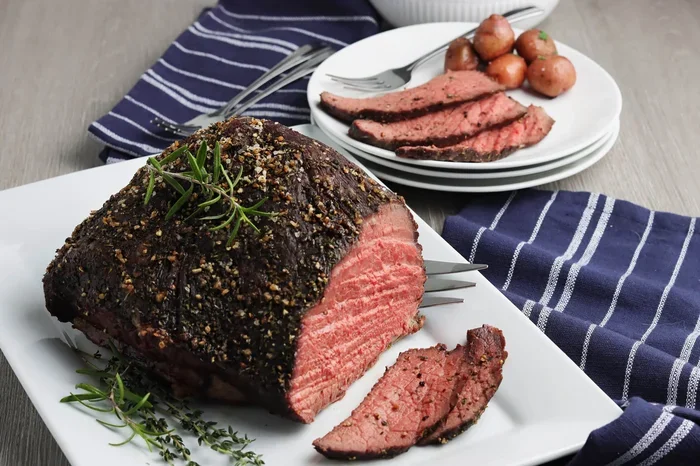
For the juiciest result, most experts recommend pulling the roast at medium doneness, around 140°F to 145°F. The temperature will rise a few degrees while the roast rests. This carryover cooking is an important part of the process and something every home cook should understand.
Using a Meat Thermometer Correctly
Insert the thermometer into the thickest part of the roast, avoiding any bones or fat pockets. Bones conduct heat differently and can give you a false reading. Check the temperature in at least two spots to make sure the roast is evenly cooked.
If you are new to using a meat thermometer, do not worry. It is very simple to use and makes a huge difference in your results. Instant-read thermometers give you a reading in about 10 seconds, while probe thermometers can stay in the roast the entire cooking time and alert you when the target temperature is reached.
Tips for the Juiciest Oven Roast Every Time
Getting a juicy roast is about more than just time and temperature. Small details make a big difference. Here are some tried-and-true tips that will elevate your oven-baked roast from good to outstanding.
Resting the Roast
One of the biggest mistakes people make is cutting into the roast the moment it comes out of the oven. The juices inside the meat need time to redistribute. When you cut too early, those juices run out onto the cutting board instead of staying in the meat where they belong.
Let your roast rest for at least 15 to 20 minutes after taking it out of the oven. Tent it loosely with aluminum foil to keep it warm while it rests. This simple step makes a noticeable difference in how juicy and tender each slice turns out.
Making Gravy from the Drippings
If you seared your roast in an oven-safe pan, you have a built-in flavor booster sitting right there. The browned bits and juices left in the pan are called fond, and they are packed with rich beef flavor. After the roast has rested, pour off the excess fat and use the remaining drippings to make a simple pan gravy.
Add a cup of beef broth to the pan and scrape up the browned bits with a wooden spoon. Let it simmer for a few minutes, then thicken with a tablespoon of flour or cornstarch mixed with cold water. Season with salt and pepper, and you have a delicious homemade gravy that pairs perfectly with your roast beef.
Pairing with Roast Vegetables
Round roast is a natural pairing for root vegetables. Carrots, potatoes, parsnips, and onions all roast beautifully alongside beef. About 45 minutes before the roast is done, add your chopped vegetables to the pan around the roast. They will absorb the beefy juices and become tender and caramelized.
This is a great way to turn a simple pot roast in oven into a complete one-pan meal. You save time on cleanup and get a balanced, hearty dinner that the whole family will love.
Common Mistakes When Cooking Round Roast In Oven
Even experienced cooks sometimes make mistakes that lead to dry or tough roast beef. Knowing what to avoid is just as important as knowing what to do. Here are the most common pitfalls and how to steer clear of them.
Skipping the Sear
Some people skip searing to save time, but this is a mistake. Searing adds a layer of flavor that you cannot replicate any other way. It takes only about 10 minutes and makes a huge difference in the final taste of your roast. Do not skip this step if you want the best results.
Using the Wrong Oven Temperature
Cooking at too high a temperature dries out the roast before the center has time to become tender. Conversely, cooking at too low a temperature can leave the outer layers overcooked while the center remains underdone. Stick with 325°F as your default oven temperature for round roast. It is the most reliable setting for consistent results.
Cutting Into the Roast Too Early
We mentioned this in the resting section, but it deserves its own spotlight. Cutting into the roast to check if it is done releases all those precious juices. Trust your meat thermometer and let the roast rest. The few extra minutes of patience pay off with much juicier meat.
Not Accounting for Carryover Cooking
Carryover cooking means the internal temperature of the roast continues to rise after you take it out of the oven. This can be 5 to 10 degrees depending on the size of the roast. Pull your roast a few degrees below your target temperature and let the carryover do the rest. This is especially important if you prefer medium or medium-rare doneness.
Using a Roasting Pan That Is Too Small
Your roast needs room to breathe in the pan. A crowded pan traps steam and prevents proper browning. Choose a roasting pan that is large enough for the roast with a little space around the edges. This allows heat to circulate evenly and promotes better browning on all sides.
Serving and Storing Your Oven Roast
Once your roast is done and rested, it is time to slice and serve. Use a sharp carving knife and cut against the grain for the most tender slices. Cutting against the grain shortens the muscle fibers and makes each bite much easier to chew.
Leftover roast beef stores well in the refrigerator for up to 4 days. Keep it in an airtight container or wrap it tightly in plastic wrap. You can also freeze cooked roast beef for up to 3 months. Slice it before freezing so you can pull out just what you need for sandwiches or salads throughout the week.
Thinly sliced roast beef is perfect for sandwiches, wraps, and salads. Diced roast beef works wonderfully in soups, stews, and casseroles. A beef round roast truly goes a long way and provides delicious meals for days after the initial cooking.
Conclusion
Mastering how long to cook round roast in oven is a skill that anyone can learn. With the right time, temperature, and a little patience, you can turn an affordable cut of beef into a show-stopping centerpiece for any meal. Remember to sear your roast, use a meat thermometer, and let it rest before slicing. These simple steps make all the difference between an ordinary roast and an extraordinary one.
Every time you cook a round roast in the oven, you will get a little better at it. Pay attention to how your oven behaves, note what works well, and adjust your approach over time. Soon enough, cooking the perfect roast will feel second nature. So go ahead, fire up your oven, and enjoy the wonderful aroma of a perfectly roasted beef round roast filling your kitchen.
The best part about a homemade oven roast is that it brings people together. Whether it is a holiday gathering, a family Sunday dinner, or a simple weeknight meal, a well-cooked roast always impresses. Use this guide as your go-to reference, and you will never have a dry or overcooked roast again. Happy cooking!
Frequently Asked Questions
Can I cook a round roast at 350°F instead of 325°F?
Yes, you can cook at 350°F, but the cooking time will be shorter. You will need to check the roast more frequently to avoid drying it out. The general guideline is to reduce the cooking time by about 10 to 15 percent when increasing the temperature. Always rely on a meat thermometer to confirm doneness.
How do I know if my round roast is done without a thermometer?
Without a thermometer, you can use the fork test. Insert a fork into the thickest part of the roast and twist gently. If the meat pulls apart easily, it is likely done. However, a meat thermometer is much more accurate and takes all the guesswork out of the process.
Can I cook a frozen round roast in the oven?
It is not recommended to cook a frozen roast directly in the oven. Frozen meat cooks unevenly, which increases the risk of bacteria growth in the outer layers while the center remains frozen. Always thaw your roast in the refrigerator overnight before cooking for the best and safest results.
What is the best way to reheat leftover round roast?
The best way to reheat leftover roast beef is in a covered pan with a splash of beef broth on low heat. This keeps the meat moist and prevents it from drying out. You can also reheat slices in the microwave, but be careful not to overheat them or they will become tough.
How long should I let the roast rest before slicing?
Let your roast rest for at least 15 to 20 minutes after removing it from the oven. This resting period allows the juices to redistribute throughout the meat. Tent the roast loosely with aluminum foil to keep it warm during this time. The result is a much juicier and more flavorful roast.
Can I use a Dutch oven instead of a roasting pan?
Absolutely. A Dutch oven is an excellent choice for cooking round roast in the oven. It retains heat very well and creates a moist cooking environment. Simply follow the same searing and seasoning steps, then transfer the Dutch oven to the oven for the same time and temperature guidelines.
=== KEY TAKEAWAYS ===
Key Takeaways
- Time and Temperature Matter: Most round roasts need 2 to 3 hours at 325°F for tender, juicy results.
- Use a Meat Thermometer: The internal temperature tells you when the roast is perfectly done every time.
- Searing Adds Flavor: Browning the roast before oven cooking creates a rich, deep flavor.
- Resting Is Essential: Letting the roast rest for 15 to 20 minutes keeps the juices inside.
- Avoid Common Mistakes: Skipping the sear, cutting too early, and wrong temperatures cause dry roasts.
- Leftovers Are Great: Cooked roast beef makes amazing sandwiches, salads, and soups all week long.