Which Brewing Method Makes The Strongest Coffee Ever
Not all coffee brewing methods are created equal. Some techniques extract more caffeine and flavor, giving you a stronger, bolder cup every time. In this guide, we break down the top brewing methods and reveal which one wins for maximum coffee strength.
There is nothing quite like a strong cup of coffee to kickstart your morning. Whether you need a quick jolt of energy or simply love bold flavors, the brewing method you choose makes all the difference. But with so many options out there, it can be tricky to figure out which one actually delivers the strongest brew.
In this guide, we will walk you through the most popular coffee brewing methods and compare them side by side. From classic espresso machines to simple stovetop setups, every technique has its own strengths. By the end, you will know exactly which method produces the boldest, most caffeinated cup possible.
Before we dive in, let us quickly define what “strong” really means in the coffee world. Strength usually refers to caffeine content per serving, but it can also mean flavor intensity and body. Some methods brew a concentrated shot, while others extract more slowly over time. Understanding this difference is key to making the perfect cup.
Key Takeaways
- Espresso leads the pack: It uses high pressure and fine grounds to deliver the most concentrated caffeine hit per ounce.
- Coffee-to-water ratio matters: Adjusting your ratio is the simplest way to control strength at home.
- Brew time affects extraction: Longer contact time between water and grounds means more flavor and caffeine.
- Grind size plays a big role: Finer grinds expose more surface area, boosting extraction and boldness.
- Cold brew is deceptively strong: Its long steeping time creates a concentrate that packs a serious caffeine punch.
- AeroPress offers versatility: You can tweak pressure and time to make surprisingly robust cups.
- Clean your gear regularly: Residue affects flavor, so keep your equipment fresh for the best results.
📑 Table of Contents
- What Makes Coffee Strong?
- Espresso: The King of Strong Coffee
- French Press: Bold and Simple
- Pour Over: Precision and Flavor
- AeroPress: The Versatile Powerhouse
- Cold Brew: The Slow and Strong Method
- Moka Pot: The Stovetop Espresso Alternative
- Comparison Table: Which Method Is Strongest?
- Common Mistakes That Weaken Your Coffee
- Final Thoughts on the Strongest Brew
What Makes Coffee Strong?
The strength of your coffee depends on several factors working together. It is not just about the machine or device you use. Let us break down the main elements that influence how strong your final cup turns out.
Coffee-to-Water Ratio
This is the single most important factor. More coffee grounds relative to water means a stronger brew. A standard ratio is about 1:15, but bold coffee lovers often go as low as 1:10 for a much more intense cup. If you want to experiment, start by adding more grounds and adjust to your taste.
Brew Time and Extraction
The longer water stays in contact with coffee grounds, the more compounds it pulls out. This process is called extraction. Longer brew times generally lead to stronger coffee, but there is a sweet spot. Over-extraction can make your drink taste bitter and harsh, which nobody wants.
Grind Size
Finer grinds have more surface area exposed to water, which speeds up extraction. Think of it like sugar cubes versus powdered sugar. The finer version dissolves faster and releases more flavor. Using the right grind size for your method is essential for getting the best results.
Water Temperature
Hotter water extracts more compounds from grounds. The ideal range is usually between 195°F and 205°F. Water that is too cool will under-extract, giving you a weak and sour cup. Too hot, and you risk burning the grounds and creating unpleasant flavors.
Espresso: The King of Strong Coffee
When it comes to the strongest brewing method, espresso takes the crown. This technique forces hot water through finely ground coffee at high pressure, producing a small but incredibly concentrated shot. A single espresso ounce can contain around 63 milligrams of caffeine, making it the most potent option per volume.
How Espresso Works
An espresso machine pushes water at about 9 bars of pressure through a puck of finely ground coffee. This process takes only 25 to 30 seconds. The result is a rich, thick liquid with a layer of crema on top. Because of the high pressure and short brew time, espresso extracts a dense concentration of oils, flavors, and caffeine.
Why It Is So Strong
Espresso wins because of its coffee-to-water ratio and pressure. The ratio is typically around 1:2, meaning you use twice as much coffee as water. Combine that with the intense pressure, and you get a beverage that is packed with flavor and energy. Even a small shot delivers a noticeable caffeine boost.
Popular Espresso-Based Drinks
- Americano: Espresso diluted with hot water for a larger but still strong cup.
- Latte: Espresso with steamed milk, balancing strength with creaminess.
- Flat White: Similar to a latte but with less milk and more espresso presence.
- Red Eye: Drip coffee topped with a shot of espresso for maximum power.
If you love intense, bold flavors and want the most concentrated caffeine delivery, espresso is the way to go. It does require an investment in equipment, but the results are unmatched.
French Press: Bold and Simple
The French press is one of the most popular coffee brewing methods for home use. It is simple, affordable, and produces a full-bodied cup that many coffee lovers prefer. While it does not match espresso in concentration, it still delivers a noticeably strong brew.
How a French Press Works
You add coarsely ground coffee to the bottom of the press, pour hot water over it, and let it steep for about four minutes. Then you press the plunger down, which separates the grounds from the liquid. Because the grounds steep for an extended period, more flavor and caffeine extract into the water.
Why It Produces Strong Coffee
The French press uses a longer brew time compared to espresso, which allows for deeper extraction. The metal filter also lets more oils and fine particles through, giving the coffee a heavier mouthfeel and richer taste. This method produces about 80 to 100 milligrams of caffeine per standard 8-ounce cup.
Tips for the Strongest French Press Coffee
- Use a finer grind than you normally would for better extraction.
- Increase the coffee-to-water ratio to 1:12 or even 1:10.
- Steep for five minutes instead of four for extra boldness.
- Use water heated to 200°F for optimal extraction.
- Stir the grounds at the one-minute mark to ensure even soaking.
The French press is a great choice if you want a strong, rich cup without the complexity of an espresso machine. It is also perfect for making multiple servings at once.
Pour Over: Precision and Flavor
Pour over brewing is all about control. This method lets you manage every variable, from water temperature to pour speed. The result is a clean, flavorful cup that can be surprisingly strong when dialed in correctly.
How Pour Over Works
You place a paper or cloth filter in a dripper, add medium-fine grounds, and slowly pour hot water over the coffee in stages. The water extracts the flavors as it passes through the grounds and filter into your cup below. This process usually takes about three to four minutes.
Can Pour Over Make Strong Coffee?
Yes, absolutely. The key is adjusting your coffee grounds ratio and pour technique. A common mistake is using too little coffee or pouring too quickly. By using a 1:12 ratio and pouring in slow, steady circles, you can create a cup that is both clean and bold.
One thing to note is that paper filters remove some oils, which can make the cup lighter than a French press. But the caffeine content remains comparable, and the clarity of flavor is hard to beat.
Best Pour Over Devices
- Hario V60: A classic cone-shaped dripper known for clean, bright cups.
- Chemex: Uses a thicker filter for a cleaner, smoother brew.
- Kalita Wave: Flat bottom design for even extraction and balanced flavor.
Pour over is perfect for coffee lovers who enjoy the ritual of brewing and want a customizable strong cup every morning.
AeroPress: The Versatile Powerhouse
The AeroPress has gained a massive following among coffee enthusiasts in recent years, and for good reason. This portable device combines elements of espresso and French press brewing, giving you incredible versatility.
How AeroPress Works
You place a filter in the AeroPress cap, add fine grounds, pour in hot water, stir, and then press the plunger through the tube. The whole process takes about one to two minutes. The pressure from pressing creates a concentrated brew that resembles espresso in body and intensity.
Why It Can Make Very Strong Coffee
The AeroPress allows you to control pressure, brew time, and grind size all at once. You can use a very fine grind, steep for longer, and apply firm pressure to extract maximum flavor. Many users report that AeroPress coffee feels stronger and smoother than drip coffee, with a caffeine content that rivals espresso when brewed as a concentrate.
Pro Tips for Maximum Strength
- Use the inverted method to allow longer steeping without spilling.
- Grind your beans to an espresso-fine consistency.
- Use a 1:8 coffee-to-water ratio for a concentrated shot.
- Steep for three minutes before pressing for deeper extraction.
- Use hot water at 200°F for best results.
The AeroPress is an excellent choice if you want strong coffee on the go or simply want to experiment with different brewing styles. Its affordability and portability make it a favorite among coffee lovers everywhere.
Cold Brew: The Slow and Strong Method
Cold brew has taken the coffee world by storm, and it is easy to see why. This method uses time instead of heat to extract flavor, producing a concentrate that is incredibly smooth and surprisingly strong.
How Cold Brew Works
You combine coarse grounds with cold or room-temperature water and let the mixture steep for 12 to 24 hours. The long steeping time allows for slow, steady extraction of caffeine and flavors. Afterward, you strain the mixture through a fine mesh or cheesecloth to remove the grounds.
Why Cold Brew Is So Strong
The extended brew time is the secret behind cold brew’s strength. Over 12 to 24 hours, the water extracts a high concentration of caffeine and flavor compounds. The resulting concentrate can contain up to 200 milligrams of caffeine per 8-ounce serving when diluted. Many people find cold brew smoother than hot-brewed coffee because the cold water extracts fewer bitter compounds.
Interestingly, using cheesecloth as a straining method connects to other kitchen uses too. If you have ever wondered can you put cheesecloth in the oven, the answer is yes, it can withstand high temperatures, which makes it a versatile tool in the kitchen beyond just coffee filtering.
How to Make the Strongest Cold Brew
- Use a 1:8 coffee-to-water ratio for an extra-concentrate.
- Steep for 24 hours instead of 12 for maximum extraction.
- Use a fine grind to increase surface area.
- Strain twice through a cheesecloth or fine mesh for clarity.
- Store the concentrate in the fridge for up to two weeks.
Cold brew is ideal if you want to prepare a large batch of strong coffee ahead of time. It is refreshing, less acidic, and perfect for hot summer days.
Moka Pot: The Stovetop Espresso Alternative
The Moka pot is a classic Italian stovetop brewer that produces a rich, strong cup of coffee. It is often called a stovetop espresso maker, and while it does not reach the same pressure as a true espresso machine, it still creates a bold and flavorful brew.
How a Moka Pot Works
You fill the bottom chamber with water, add finely ground coffee to the filter basket, and place the pot on the stove. As the water heats, steam pressure pushes it through the grounds and into the upper chamber. The whole process takes about five minutes.
Why It Makes Strong Coffee
The Moka pot operates at lower pressure than an espresso machine, but the fine grind and short brew time still produce a concentrated cup. The coffee has a rich body and bold flavor that many people enjoy as a closer alternative to espresso without the expensive equipment.
Just like any kitchen appliance, your Moka pot needs regular cleaning to perform at its best. Residue can build up and affect the taste of your brew, so descaling and washing after each use is important for maintaining flavor quality.
Tips for the Strongest Moka Pot Coffee
- Use a fine grind similar to espresso grounds.
- Do not tamp the grounds down; just level them evenly.
- Remove the pot from heat as soon as you hear a hissing sound.
- Use hot water in the bottom chamber to speed up brewing.
- Add a small amount of extra coffee for a bolder ratio.
The Moka pot is a wonderful option for those who want strong, espresso-like coffee without the investment in a full machine. It is a staple in many kitchens around the world.
Comparison Table: Which Method Is Strongest?
Let us put all the methods side by side so you can see the differences clearly. This table compares caffeine content, concentration, ease of use, and overall strength.
| Brewing Method | Caffeine per 8 oz | Concentration Level | Ease of Use | Overall Strength |
|---|---|---|---|---|
| Espresso | 63 mg per shot | Very High | Moderate | Strongest per ounce |
| French Press | 80-100 mg | High | Easy | Bold and full-bodied |
| Pour Over | 80-100 mg | Medium-High | Moderate | Clean and customizable |
| AeroPress | 50-100 mg | High (concentrate mode) | Easy | Versatile and strong |
| Cold Brew | 100-200 mg (concentrate) | Very High | Easy (but slow) | Smooth but potent |
| Moka Pot | 80-120 mg | High | Easy | Rich and bold |
As you can see, espresso and cold brew lead the pack for overall strength. But the best method for you depends on your preferences, equipment, and how much time you have in the morning.
Common Mistakes That Weaken Your Coffee
Even if you use the best brewing method, certain mistakes can weaken your coffee significantly. Here are the most common pitfalls to avoid.
Using Stale Grounds
Old coffee beans lose their flavor and caffeine potency over time. Always use freshly roasted beans and grind them just before brewing. Pre-ground coffee can sit on a shelf for weeks, losing the very compounds that make your drink strong and aromatic.
Wrong Water Temperature
Water that is too cool will under-extract your grounds, resulting in weak and sour coffee. On the other hand, boiling water can scorch the grounds and create bitterness. Aim for that sweet spot between 195°F and 205°F for every method.
Ignoring the Ratio
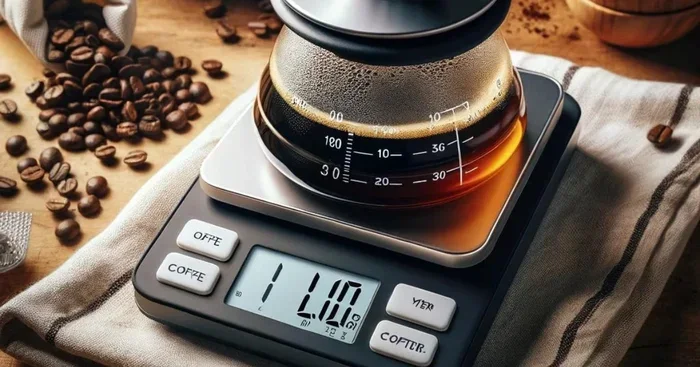
Using too much water or too little coffee is the fastest way to end up with a weak cup. Measure your grounds carefully and adjust the ratio until you find your perfect balance. A kitchen scale is your best friend here.
Not Cleaning Your Equipment
Oil residue and mineral buildup can dull the flavor of your coffee over time. Just like you would clean your kitchen appliances, you should regularly wash your brewer, descale your machine, and replace filters. Clean equipment means better-tasting strong coffee every time.
Rushing the Process
Patience is key in coffee brewing. Whether you are using a French press or a pour over, rushing the steeping or pouring process leads to uneven extraction. Give your coffee the time it needs, and the results will be worth it.
Final Thoughts on the Strongest Brew
So, which brewing method makes the strongest coffee? The answer depends on what you are looking for. If you want the most concentrated caffeine delivery per ounce, espresso is the clear winner. It uses pressure, fine grounds, and a precise ratio to create an incredibly potent shot.
If you prefer a larger serving with bold flavor, the French press and cold brew are excellent choices. The French press gives you a rich, full-bodied cup with every sip, while cold brew offers a smooth concentrate that you can customize to your liking. The AeroPress and Moka pot also deliver impressive strength without the need for expensive equipment.
Ultimately, the strongest coffee is the one that fits your lifestyle and tastes the best to you. Experiment with different methods, adjust your ratios, and pay attention to grind size and brew time. Once you find your perfect setup, you will never go back to a weak cup again.
Remember, the journey to the perfect cup is part of the fun. Whether you are a seasoned coffee lover or just starting out, there is always something new to learn and try. So grab your favorite beans, fire up your brewer, and enjoy that bold, satisfying cup you deserve.
Frequently Asked Questions
Which brewing method has the most caffeine?
Espresso has the highest caffeine concentration per ounce, but cold brew concentrate can deliver more total caffeine per serving when consumed undiluted. The method you choose depends on whether you want a small, intense shot or a larger, potent cup.
Can I make strong coffee without an espresso machine?
Absolutely. The French press, AeroPress, and Moka pot all produce strong coffee without needing an expensive machine. Cold brew is another excellent option that requires no heat at all. Each method has its own unique strengths and flavor profile.
Does grind size really affect coffee strength?
Yes, it does. Finer grinds expose more surface area to water, which increases extraction and leads to a stronger brew. However, using too fine a grind can also cause over-extraction and bitterness, so finding the right balance is important.
Is cold brew stronger than hot coffee?
Cold brew concentrate is typically stronger than regular hot-brewed coffee because of the long steeping time. When you dilute it with water or milk, the strength adjusts, but the concentrate itself packs a significant caffeine punch.
How can I make my French press coffee stronger?
Increase the coffee-to-water ratio, use a slightly finer grind, and extend the steeping time by one to two minutes. Stirring the grounds at the halfway mark also helps ensure even extraction for a bolder cup.
What is the easiest method to make strong coffee at home?
The AeroPress and French press are the easiest methods for making strong coffee at home. Both require minimal equipment, take only a few minutes, and allow you to control strength by adjusting your ratio and brew time. If you want even more convenience, cold brew lets you prepare a large batch ahead of time with almost no effort.