How To Make An Egg In The Oven With These Simple Tips
Learning How To Make An Egg In The Oven is one of the easiest kitchen skills you can pick up. This guide covers everything from basic baked eggs to hard boiled eggs in oven and soft boiled eggs. You will find simple egg recipes, temperature tips, and common mistakes to avoid. Whether you want no-stick eggs or a frittata in oven, these methods work every time.
Have you ever wondered how to make an egg in the oven? It sounds a little strange at first. But trust me, baking eggs in the oven is one of the simplest things you can do in the kitchen. You do not need a stovetop. You do not need to stand over a hot pan. You just crack an egg, pop it in the oven, and wait.
This guide will walk you through every step of oven egg preparation. You will learn why baking eggs works so well. You will find out what tools you need. And you will discover several different ways to cook eggs in the oven. Whether you like hard boiled eggs in oven style or soft boiled eggs, this article has you covered.
The best part? Oven-baked eggs are incredibly easy to make. They are perfect for busy mornings, meal prep, and even feeding a crowd. No more scrambling eggs on a messy stovetop. No more worrying about eggshell removal. Just simple, clean, and delicious eggs every single time.
If you have never tried oven eggs before, now is the perfect time to start. This guide gives you all the tips and tricks you need. By the end, you will wonder why you did not try this sooner. So let us get into it.
Key Takeaways
- Oven eggs are super easy: You just crack eggs into a dish and let the oven do the work for you.
- Multiple methods to try: From hard boiled eggs in oven to scrambled eggs in oven, there is a method for everyone.
- Temperature matters: Keeping your oven at the right egg cooking temperature ensures perfect results every time.
- No-stick eggs are possible: A little butter or oil keeps your eggs from sticking to the dish.
- Great for meal prep: Baked eggs and egg bites make quick breakfasts that you can prep ahead of time.
- Avoid common mistakes: Overcooking and wrong dish choices are the top reasons oven eggs go wrong.
📑 Table of Contents
Why Bake Eggs In The Oven?
You might be thinking, why would I bake eggs instead of frying or boiling them? That is a fair question. But there are some real benefits to baked eggs that make them worth trying.
First, it is hands-off cooking. You do not need to stand at the stove and stir. You set the egg cooking temperature, set a timer, and walk away. This is a huge win if you are getting ready for work or getting kids ready for school.
Second, oven eggs are easy to scale. Want to cook eggs for four people? Just use a bigger dish. Want to cook for one? Use a small ramekin. The process does not change. This makes oven eggs perfect for meal prep and batch cooking.
Third, cleanup is minimal. Most people use a single baking dish or muffin tin. There is no greasy stovetop to scrub. No splattered oil on the counter. Just one dish to wash.
Fourth, baked eggs are very consistent. When you follow the right egg cooking temperature, every egg comes out the same way. No more overcooked edges with runny centers. The oven heats evenly, so your egg whites and egg yolks cook at the same rate.
Finally, oven eggs are a great poached eggs alternative. Poaching eggs on the stovetop can be tricky. The water needs to be at just the right temperature. The egg can fall apart. Baking eggs in the oven gives you similar results with much less effort.
Who Should Try Oven Eggs?
Honestly, everyone. But here are some specific groups who will love oven-baked eggs:
- Busy parents who need a quick egg breakfast on weekday mornings
- Meal prep fans who want to cook several egg bites at once
- New cooks who are just learning basic egg preparation skills
- College students living in dorms with only a mini oven
- People who hate cleanup and want a simple cooking method
What You Need To Get Started
One of the best things about how to make an egg in the oven is that you barely need any equipment. You probably already have everything in your kitchen right now.
Essential Equipment
- An oven-safe dish or ramekin: A small ceramic or glass dish works perfectly. You can also use a muffin tin for individual egg bites.
- A baking sheet: This goes under your dish to catch any drips. It makes cleanup even easier.
- A small amount of butter or oil: This prevents no-stick eggs from sticking to the dish.
- A fork or whisk: For scrambling eggs before baking.
- An oven mitt: To safely handle hot dishes.
Ingredients You Will Need
For a basic easy egg recipe, you only need a few things:
- Fresh eggs: One or two eggs per serving works great.
- A small pat of butter or a drizzle of oil: This is key for no-stick eggs.
- Salt and pepper: Basic seasoning makes a big difference.
- Optional add-ins: Cheese, herbs, vegetables, or cooked meat can take your egg recipes to the next level.
Choosing the Right Dish
The dish you use matters more than you might think. A ceramic ramekin is ideal for single servings. It heats evenly and looks nice on the table. For multiple eggs, a small baking dish or muffin tin works best.
Avoid metal dishes that are too thin. They can cause the bottom of your oven eggs to cook too fast. And never use a plastic dish. It will melt in the hot oven. Always double-check that your dish is oven-safe before using it.
Step-by-Step Guide To Making Eggs In The Oven
Now let us get to the fun part. Here is a clear, simple guide on how to make an egg in the oven. Follow these steps and you will have perfect baked eggs in no time.
Step 1: Preheat Your Oven
Start by preheating your oven to 350 degrees Fahrenheit. This is the ideal egg cooking temperature for most methods. Preheating is important because it ensures the oven is at the right heat before the eggs go in.
Do not skip this step. Putting eggs in a cold oven leads to uneven cooking. The egg whites might cook too slowly while the egg yolks overcook. A preheated oven gives you consistent results every time.
Step 2: Prepare Your Dish
Take your oven-safe dish or ramekin. Add a small pat of butter or a light drizzle of cooking oil. Spread it around the bottom and sides of the dish. This step is what creates no-stick eggs every single time.
If you are making egg bites in a muffin tin, lightly grease each cup. You can use a paper towel to spread the butter into the corners. This small step saves you from stuck and messy eggs later.
Step 3: Crack the Eggs
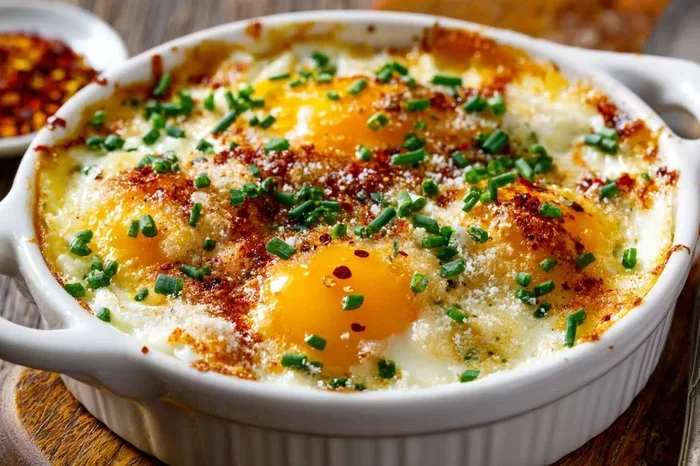
Crack your egg into the prepared dish. Try to keep the egg yolk intact. A broken yolk can make the egg look less appealing and change the texture.
If you are cooking multiple eggs in one dish, leave space between them. The eggs will expand as they cook. Giving them room prevents them from merging together.
Step 4: Season and Add Extras
Now is the time to add salt, pepper, and any other seasonings you like. A pinch of garlic powder, a sprinkle of paprika, or some fresh herbs all work well.
If you want to add cheese, now is the time. Shredded cheddar, crumbled feta, or grated parmesan all melt beautifully in the oven. You can also add chopped vegetables like spinach, bell peppers, or tomatoes.
Step 5: Place in the Oven
Put the dish on a baking sheet and slide it into the preheated oven. The baking sheet catches any drips and makes it easier to move the dish in and out.
Set your egg timer for the right amount of time. For soft oven-baked eggs with runny yolks, bake for about 10 to 12 minutes. For firmer eggs with set yolks, go for 14 to 16 minutes.
Step 6: Check and Serve
When the timer goes off, carefully pull the dish out. Use an oven mitt to protect your hands. Check the eggs by looking at the egg whites. They should be fully set and opaque.
The egg yolks will depend on your preference. For soft boiled eggs in oven style, the yolk should still be slightly runny. For hard boiled eggs in oven style, the yolk should be fully cooked through.
Let the eggs cool for a minute or two before serving. Use a spoon to lift them out of the dish. Enjoy them right away with toast, a salad, or on their own.
Different Ways To Bake Eggs
Once you master the basic method, you can start experimenting. There are many fun and tasty ways to make eggs in the oven. Here are some of the best egg recipes to try.
Hard Boiled Eggs in Oven
Yes, you can actually make hard boiled eggs in oven without a pot of water! This method is a game changer. Simply place whole eggs (in their shells) on a baking sheet. Bake at 325 degrees Fahrenheit for about 30 minutes.
After baking, transfer the eggs to an ice bath immediately. Let them sit for at least 10 minutes. Then eggshell removal becomes much easier. The shell slides right off, leaving a perfectly cooked egg inside.
This method is great for meal prep. You can make a dozen hard boiled eggs in the oven in one batch. They are perfect for egg breakfast ideas throughout the week.
Soft Boiled Eggs in Oven
For soft boiled eggs, reduce the baking time to about 20 minutes at 325 degrees. The egg whites will be fully set but the egg yolks will remain soft and slightly jammy.
Soft boiled eggs are amazing on toast. Just slice off the top of the shell and scoop out the egg with a spoon. It is a simple and elegant egg breakfast option.
Scrambled Eggs in Oven
Scrambled eggs in oven is a lazy cook’s dream. Crack eggs into a bowl and whisk them with a fork. Add a splash of milk, salt, and pepper. Pour the mixture into a greased baking dish.
Bake at 350 degrees for about 15 to 20 minutes. Stir the eggs once halfway through for a fluffier texture. The result is creamy, soft scrambled eggs with zero effort.
This method is perfect for egg bites too. Pour the scrambled egg mixture into a greased muffin tin. Bake for 12 to 15 minutes. Pop them out and you have ready-to-eat egg bites for the whole week.
Frittata in Oven
A frittata in oven is one of the most versatile egg recipes you can make. Start by sautéing vegetables in an oven-safe skillet. Pour beaten eggs over the vegetables. Add cheese if you like.
Transfer the skillet to the oven and bake at 375 degrees for 20 to 25 minutes. The frittata will puff up and turn golden on top. Slice it into wedges and serve for breakfast, lunch, or dinner.
A frittata is a great way to use up leftover vegetables and meats. It is filling, nutritious, and makes excellent egg breakfast leftovers for the next day.
Egg Bites (Mini Frittatas)
Egg bites are tiny portion-controlled oven eggs that are perfect for grab-and-go mornings. Grease a muffin tin and fill each cup with a little bit of filling. Crack an egg into each cup. Add cheese, ham, or vegetables.
Bake at 350 degrees for 12 to 15 minutes. Let them cool slightly before removing. Store them in the fridge and reheat in the microwave for a quick egg breakfast any day of the week.
Egg bites are also a great poached eggs alternative. They have a similar texture and can be used in sandwiches, salads, or just eaten on their own.
Tips For Perfect Oven Eggs Every Time
Getting oven-baked eggs right every time comes down to a few simple tips. Follow these and your eggs will turn out perfectly.
Use the Right Temperature
Always preheat your oven to the correct egg cooking temperature. 350 degrees Fahrenheit is the sweet spot for most baked eggs recipes. Too high and the eggs cook too fast on the outside while staying raw inside. Too low and they take forever to set.
Do Not Overcook
Overcooking is the number one mistake people make with oven eggs. Set a timer and check the eggs a minute or two before they are supposed to be done. Egg whites cook faster than you think, and egg yolks can go from perfectly runny to chalky in just a couple of minutes.
Grease Your Dish Well
For no-stick eggs, generous greasing is essential. Use butter, oil, or cooking spray. Make sure you cover the bottom and sides of the dish evenly. This one simple step makes a huge difference in how easily the eggs come out.
Let Eggs Rest After Baking
When you pull oven eggs out of the oven, let them rest for a minute or two. The egg whites will continue to set as they cool slightly. This resting period also makes the eggs easier to handle and less likely to break apart.
Experiment With Flavors
Do not be afraid to get creative with your egg recipes. Try different cheeses, herbs, and vegetables. A little fresh basil or chives can transform a basic egg breakfast into something restaurant-quality.
Use Fresh Eggs
Fresh eggs give the best results for oven-baked eggs. The egg whites hold their shape better and the egg yolks are richer in color and flavor. Check the sell-by date on your carton before you start egg preparation.
Make It a Routine
The more you bake eggs, the easier it becomes. Try making oven eggs a regular part of your egg breakfast routine. Once you get the hang of it, you will not want to go back to the stovetop.
Common Mistakes To Avoid
Even though how to make an egg in the oven is very simple, there are a few pitfalls to watch out for.
Using the Wrong Dish
Not every dish is safe for oven use. Using a dish that is not oven-safe can cause it to crack or even shatter. Always check the bottom of your dish for an oven-safe symbol. Stick to ceramic, glass, or metal dishes that are clearly labeled for oven use.
Skipping the Preheat
Some people put eggs in the oven before it reaches the right temperature. This leads to uneven cooking and longer bake times. Always wait for the oven to fully preheat before placing your oven eggs inside.
Overcrowding the Dish
If you are baking multiple eggs in one dish, give them space. Overcrowding causes the eggs to merge together and cook unevenly. Use a larger dish or bake in multiple batches for the best results.
Adding Too Much Liquid
If you are making scrambled oven eggs, be careful with the amount of milk or cream you add. Too much liquid makes the eggs watery and runny. A small splash is all you need for creamy scrambled oven-baked eggs.
Ignoring the Egg Timer
Oven temperatures can vary from one oven to another. Your oven might run hot or cold. That is why using an egg timer and checking the eggs early is so important. Do not rely solely on the recipe time. Use your eyes and a toothpick test to check doneness.
Forgetting to Grease
Skipping the butter or oil is the fastest way to end up with stuck, broken eggs. Even with a good non-stick dish, a little grease goes a long way. Do not skip this step if you want clean, beautiful no-stick eggs.
Conclusion
How To Make An Egg In The Oven is truly one of the easiest and most rewarding kitchen skills you can learn. Whether you prefer hard boiled eggs in oven style, soft boiled eggs, scrambled eggs in oven, or a delicious frittata in oven, there is a method that fits your taste and lifestyle.
The beauty of oven-baked eggs lies in their simplicity. You need very little equipment, very few ingredients, and almost no attention once the eggs are in the oven. They are a perfect egg breakfast solution for busy mornings, a great option for meal prep, and a wonderful alternative to traditional stovetop cooking.
Remember to start with the right egg cooking temperature, grease your dish well, and set a reliable egg timer. Avoid the common mistakes, experiment with flavors, and soon you will be making perfect oven eggs without even thinking about it.
So go ahead. Give baked eggs a try. Your morning routine will never be the same. Once you taste how easy and delicious oven eggs can be, you will wonder why you did not start sooner.
Frequently Asked Questions
Can I bake eggs without a dish?
No, you always need an oven-safe dish or container to bake eggs. You can use a ramekin, a small baking dish, or a muffin tin. Never place eggs directly on a bare oven rack, as they will make a mess and cook unevenly.
What is the best temperature for baking eggs?
350 degrees Fahrenheit is the ideal egg cooking temperature for most baked eggs recipes. For hard boiled eggs in oven, you can go lower at 325 degrees. Always preheat your oven before placing the eggs inside for the best results.
How long do eggs take to bake in the oven?
It depends on the method. For soft oven-baked eggs, 10 to 12 minutes works well. For firm eggs, 14 to 16 minutes is perfect. Hard boiled eggs in oven need about 30 minutes at 325 degrees. Always check your eggs a couple of minutes before the expected time.
Are oven eggs healthy?
Yes! Baked eggs are a healthy and nutritious egg breakfast option. They are high in protein, rich in vitamins, and low in calories. Baking eggs does not require added oil like frying does, making them a lighter cooking method for your egg preparation.
Can I make egg bites ahead of time?
Absolutely. Egg bites are one of the best meal prep options you can make. Bake them in a muffin tin, let them cool, and store them in the refrigerator for up to five days. Reheat them in the microwave for 30 to 60 seconds and enjoy a quick easy egg recipe any time.
What can I add to baked eggs for more flavor?
The possibilities are endless. Try shredded cheese, chopped herbs like chives or basil, diced vegetables such as bell peppers or spinach, or cooked meats like ham or bacon. A little salt, pepper, and hot sauce can also take your oven eggs to the next level.