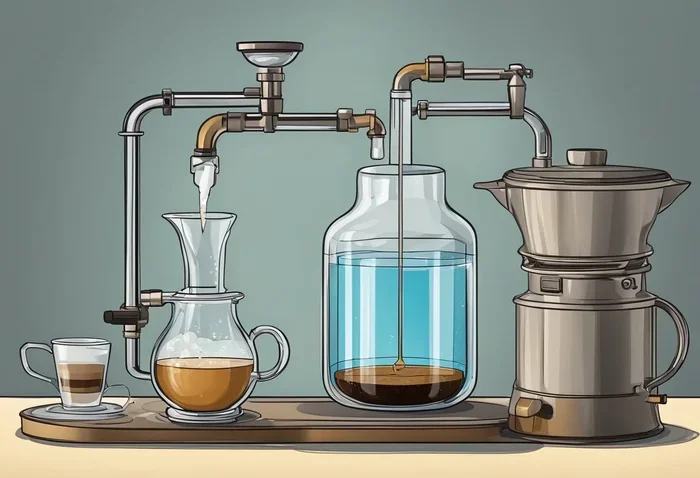
Can You Use Distilled Water To Make Coffee At Home
Yes, you can use distilled water to make coffee at home, but it comes with trade-offs. Distilled water lacks minerals that impact coffee taste and extraction. Using it can produce a cleaner cup, but may also result in flat or underwhelming flavor if not balanced correctly.
Making great coffee at home starts with something most people overlook: the water. The water you use to brew coffee shapes every sip. It affects flavor, aroma, and even the body of your cup. Many coffee lovers wonder whether distilled water is a good choice. The answer is not a simple yes or no. It depends on what you value in your brew. In this guide, we explore everything you need to know about using distilled water to make coffee. We cover the science, the taste, and practical tips you can use today.
If you have ever wondered why your coffee tastes different at home versus at a café, the water might be the reason. Tap water contains minerals like calcium and magnesium. These minerals play a big role in coffee extraction. Distilled water removes them entirely. That changes how your coffee brews. Let us dive deep into what this means for your morning cup.
Key Takeaways
- Distilled water is safe for coffee: It removes impurities but also strips beneficial minerals.
- Coffee taste changes: Without minerals, your brew may taste flatter or more acidic.
- Extraction differs: Pure water extracts compounds differently than mineral-rich water.
- Equipment stays cleaner: No mineral deposits or scale buildup in your coffee maker.
- Balance is key: Consider adding minerals back or mixing with filtered water for the best results.
- Personal preference matters: Some coffee lovers prefer distilled water for its clean profile.
📑 Table of Contents
What Is Distilled Water and Why Does It Matter for Coffee?
Understanding Distilled Water
Distilled water is water that has been boiled into steam and then condensed back into liquid. This process removes nearly all impurities. It strips away minerals, chemicals, and contaminants. What remains is pure H2O. Unlike filtered water, which removes some but not all minerals, distilled water is as close to pure as it gets.
Many people use distilled water in steam irons and humidifiers. It prevents mineral deposits and scale buildup. But what about coffee? The same purity that protects your iron affects your brew. Water with no minerals behaves differently during the brewing process. It interacts with coffee grounds in unique ways.
How Water Affects Coffee Taste
Water is the main ingredient in coffee. A typical cup is about 98 percent water. So the quality of your water directly impacts the quality of your coffee. The Specialty Coffee Association has specific guidelines for water used in brewing. They recommend a balance of minerals. Too many minerals create hard water, which can make coffee taste dull. Too few minerals create soft water, which can make coffee taste sour or flat.
Distilled water sits at the extreme soft end of the spectrum. It has zero hardness. This means it can extract flavors from coffee differently than tap or filtered water. The result is a cup that tastes clean but may lack depth. Understanding this balance helps you make better choices for your coffee maker and your palate.
Can You Use Distilled Water to Make Coffee?
The Short Answer
Yes, you absolutely can use distilled water to make coffee. It is safe. It will not damage your machine. And it will produce a cup of coffee. But the taste may surprise you. Many first-time users notice a difference in coffee flavor. The brew often tastes lighter and more acidic. Some describe it as thin or watery. Others enjoy the clean, crisp taste it produces.
If you are coming from tap water or filtered water, the switch to distilled water will change your cup noticeably. This is because minerals in water act as flavor carriers. They help bring out the complex notes in roasted coffee beans. Without them, those notes may not fully develop.
What Happens When You Use Distilled Water
When you brew coffee with distilled water, several things happen. First, the extraction process changes. Pure water pulls different compounds from the coffee grounds than mineral-rich water does. Second, the acidity of the coffee can increase. This is because minerals like magnesium help balance acidic flavors. Third, the body and mouthfeel of the coffee may feel lighter. The brew lacks the fullness that minerals provide.
One major benefit is that your equipment stays cleaner. No scale buildup means your machine lasts longer. You will not need to descale as often. This alone is a big reason many people choose distilled water for their coffee makers. If you want to learn more about keeping your kitchen equipment clean, check out how to make coffee without a filter or machine using alternative methods that also care for your gear.
Distilled Water vs. Tap Water vs. Filtered Water for Coffee
Not all water is created equal when it comes to brewing coffee. The type of water you choose shapes your cup in major ways. Let us compare the three most common options.
| Water Type | Mineral Content | Effect on Coffee Taste | Equipment Impact |
|---|---|---|---|
| Distilled Water | None | Clean but potentially flat or acidic | No scale buildup, very safe |
| Tap Water | Varies by region | Full flavor but may have chlorine taste | Can cause scale buildup over time |
| Filtered Water | Low to moderate | Balanced, clean, and flavorful | Minimal scale buildup |
Each option has its place. Tap water is convenient but often contains chlorine and varying mineral levels. These can create an off-taste in your coffee. Filtered water removes the chlorine while keeping some minerals. This makes it a popular choice for home brewing coffee. Distilled water goes a step further by removing all minerals. It gives you the purest base possible.
The best choice depends on your taste preferences and your equipment. If you live in an area with very hard tap water, distilled water might actually improve your cup. If your tap water is already soft and clean, distilled water may not add much benefit. Experimentation is key to finding what works for you.
Pros and Cons of Using Distilled Water for Coffee
The Benefits
- Pure and clean: Distilled water contains no contaminants or chemicals. Your coffee tastes only of the beans.
- No scale buildup: Your coffee maker and kettle stay clean longer. You save time on maintenance.
- Consistent results: Because distilled water is the same every time, your brew is predictable.
- Extends equipment life: Without mineral deposits, parts last longer and perform better.
- Great for sensitive palates: If you notice off-flavors in tap water, distilled water eliminates them entirely.
The Drawbacks
- Flat taste: Many coffee drinkers find distilled water produces a less flavorful cup.
- Increased acidity: Without minerals to balance it, coffee can taste more sour or sharp.
- Less body: The mouthfeel of the coffee may feel thin or weak.
- Requires adjustment: You may need to change your grind size or brewing time to get the best results.
- Cost: Buying distilled water regularly costs more than using tap water.
Quick Tips for Using Distilled Water
Here are some practical tips to get the best results when using distilled water for your coffee:
- Start with fresh distilled water. Do not let it sit in an open container for days. It can absorb impurities from the air.
- Adjust your grind size. Since distilled water extracts differently, you may need a slightly finer grind to get the same strength. If you are curious about how grind size affects your brew, read about whether grinding coffee beans finer makes it stronger to understand the science behind extraction.
- Try adding a pinch of salt. A tiny amount of salt can help balance the acidity and add back a hint of mineral richness.
- Monitor your brewing time. Distilled water may extract faster or slower depending on your method. Adjust accordingly.
- Store it properly. Keep distilled water in a sealed container to maintain its purity.
Common Mistakes to Avoid
When switching to distilled water, many people make a few common errors. First, they assume all distilled water is the same. Not all brands are created equal. Some may have trace amounts of contaminants from the bottling process. Always buy from a reputable source. Second, people forget to clean their coffee maker regularly. Even with distilled water, oils from coffee grounds can build up. Clean your machine after every use. Third, some users do not adjust their brewing parameters. They expect the same results as with tap water. That rarely happens. Be patient and experiment with different ratios and times.
Another mistake is using distilled water for every beverage. If you also make tea or hot chocolate, you may want to keep a separate pitcher of filtered water for those. Different drinks benefit from different water profiles. Distilled water shines for coffee but may not be ideal for everything.
Expert Insights on Water Quality for Brewing Coffee
Coffee professionals and baristas have strong opinions about water. The consensus is that water quality is one of the most important factors in brewing great coffee. Many specialty coffee shops use advanced water filtration systems. These systems remove chlorine and contaminants while retaining beneficial minerals.
Some experts recommend a middle ground. They suggest using distilled water mixed with a small amount of mineral water. This gives you the purity of distilled water with the flavor-enhancing benefits of minerals. A ratio of three parts distilled to one part mineral water works well for many people. This approach lets you customize your water profile to match your taste.
Others swear by third-wave coffee water filters. These small devices sit on your countertop and treat your tap water before brewing. They are more affordable than buying distilled water regularly and give you consistent results. The key takeaway is that there is no single perfect water for coffee. It comes down to personal preference and the specific beans you use.
When you care about your water quality for brewing, you care about the whole coffee experience. The beans, the grind, the water temperature, and the water itself all work together. Neglecting any one of them can ruin an otherwise perfect cup. Distilled water gives you control over one of the most important variables. Use it wisely and you will notice a difference.
For those who enjoy experimenting in the kitchen, you might also explore other ways to elevate your coffee routine. Whether you are trying different brewing methods or learning about coffee grounds and extraction, every detail matters. The journey to the perfect cup is part of the joy of coffee.
Conclusion
So, can you use distilled water to make coffee at home? Absolutely. It is safe, it is clean, and it can produce a surprisingly good cup. The key is understanding what distilled water does to your brew. It removes minerals that carry flavor and balance acidity. This can make your coffee taste different from what you are used to. But with a few adjustments, you can make it work beautifully for you.
Start with small experiments. Try brewing the same beans with distilled water and then with filtered water. Compare the results. Note the differences in taste, body, and aroma. Over time, you will develop a sense for what works best in your kitchen. The goal is not to find one perfect water. The goal is to find the water that makes your favorite beans taste their absolute best.
Remember, great coffee is about the whole process. From the beans you choose to the water you brew with, every step counts. Distilled water gives you a clean slate. It lets the coffee beans speak for themselves. Give it a try and see what you think. Your morning cup might just surprise you.
Frequently Asked Questions
Is distilled water safe to use in a coffee maker?
Yes, distilled water is completely safe for coffee makers. It does not contain minerals that cause scale buildup or damage. In fact, using distilled water can extend the life of your machine by preventing mineral deposits inside the heating elements and pipes.
Will distilled water make my coffee taste different?
Yes, distilled water will change the taste of your coffee. Because it lacks minerals, the brew may taste cleaner but also flatter or more acidic. Many coffee drinkers notice a lighter body and less complexity compared to using tap or filtered water.
Can I mix distilled water with tap water for coffee?
Yes, mixing distilled water with tap water is a great way to find a balance. A common ratio is three parts distilled to one part tap. This reduces mineral content while still retaining some flavor-enhancing minerals. Adjust the ratio to suit your taste preferences.
How often should I use distilled water in my coffee maker?
You can use distilled water every time you brew. Some coffee lovers use it exclusively, while others alternate with filtered water. Using it regularly helps prevent scale buildup and keeps your machine running smoothly for longer periods.
Does distilled water extract coffee faster or slower?
Distilled water can extract coffee compounds differently than mineral-rich water. Because it has no hardness minerals, it may extract some compounds faster. This means you might need to adjust your brew time or grind size to achieve the best flavor profile.
What is the best water for making coffee at home?
The best water depends on your personal taste and your water quality. Filtered water is a popular choice for its balanced mineral content. Distilled water offers purity and cleanliness. Many experts recommend experimenting with different types to find what brings out the best flavors in your favorite beans.