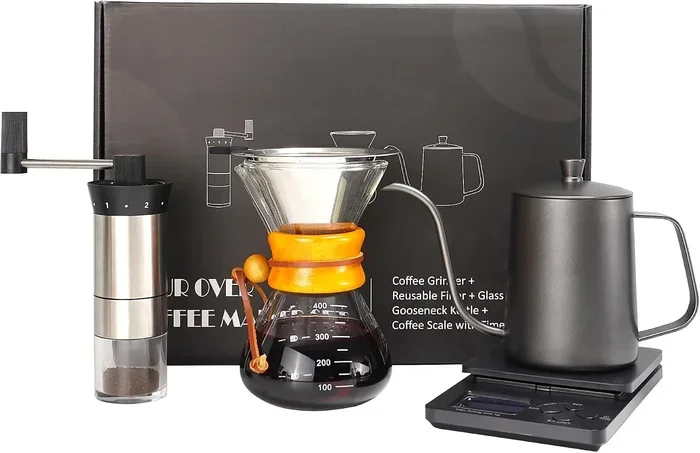
How To Make A Good Coffee Without Machine At Your Home
Brewing excellent coffee without a machine is simple, affordable, and deeply satisfying. This guide shows you how to make a good coffee without machine using stovetop pots, pour-over techniques, cloth filters, and cold brew methods. You will learn the right coffee grounds ratio, water temperature, and timing for a perfect cup every single morning.
Key Takeaways
- Multiple Methods Work: You can brew great coffee using a stovetop pot, pour-over setup, cloth filter, or cold brew method without any machine.
- Quality Beans Matter Most: Fresh, whole coffee beans ground just before brewing deliver the best flavor and aroma.
- Water Temperature Is Critical: The ideal range is between 195°F and 205°F for optimal extraction.
- Ratios Make Or Break Your Cup: A standard coffee grounds ratio of two tablespoons per six ounces of water produces balanced flavor.
- Clean Equipment Matters: Regular cleaning ensures consistent taste and extends the life of your brewing tools.
- Practice Makes Perfect: Each method has a learning curve, but once you master the basics, you can experiment and refine your technique.
📑 Table of Contents
Why Making Coffee Without A Machine Works So Well
Many people believe they need an expensive espresso machine to enjoy great coffee. This simply is not true. For thousands of years, people around the world brewed delicious coffee using nothing more than boiling water and ground beans. The methods have stood the test of time for good reason.
When you learn how to make a good coffee without machine, you gain control over every variable. You decide the strength, the flavor profile, and the brewing time. No preset buttons. No plastic pods. Just you and your coffee. This hands-on approach often leads to a deeper appreciation for the craft of brewing.
There is also a practical side to consider. Coffee machines can be expensive. They take up counter space. They need regular descaling and maintenance. A simple stovetop method or a pour-over setup costs a fraction of the price. Plus, these tools are portable. You can brew coffee while camping, traveling, or staying in a hotel room.
Setting up your kitchen for manual brewing is straightforward. Think about how you learn to use a brand new oven the first time. You read the instructions, you practice, and soon it becomes second nature. The same applies to manual coffee brewing. Once you try it a few times, the process becomes automatic.
The science behind manual brewing is fascinating. Hot water extracts oils, acids, and sugars from coffee grounds. The speed of extraction, the water temperature, and the grind size all influence the final taste. When you brew by hand, you control all of these factors. That is the real beauty of making coffee without a machine.
The Best Methods For Brewing Coffee Without A Machine
There are several proven methods for brewing coffee without a machine. Each one produces a unique flavor profile and suits different preferences. Let us explore the most popular and effective techniques.
Stovetop Brewing With A Moka Pot
A Moka pot is perhaps the most iconic stovetop coffee maker. It uses steam pressure to push hot water through ground coffee. The result is a strong, rich brew that resembles espresso. Moka pots are affordable, durable, and easy to use.
To brew with a Moka pot, start by filling the bottom chamber with cold water. Add the filter basket and fill it with finely ground coffee. Do not pack the grounds too tightly. Place the pot on a stovetop over medium heat. As the water heats, it pushes through the coffee grounds and into the top chamber.
Remove the pot from the heat as soon as you hear a hissing sound. This means the brewing is complete. Pour the coffee immediately to avoid over-extraction. A Moka pot typically makes one to three cups, making it perfect for small households.
The key to great Moka pot coffee is the grind size. Use a fine grind, similar to table salt. If the grind is too coarse, the water passes through too quickly and the coffee tastes weak. If it is too fine, the brew becomes bitter and slow.
Pour-Over Method For Clean, Bright Coffee
The pour-over method produces a clean and bright cup of coffee. It gives you complete control over the brewing process. All you need is a pour-over dripper, a paper or cloth filter, a kettle, and your favorite ground coffee.
Start by placing the filter in the dripper and rinsing it with hot water. This removes any papery taste and preheats the dripper. Discard the rinse water and add your ground coffee. The standard coffee grounds ratio for pour-over is two tablespoons of coffee per six ounces of water.
Heat your water to between 195°F and 205°F. This is the sweet spot for extraction. Boiling water can scorch the grounds and create bitterness. Water that is too cool will under-extract and produce a flat taste.
Pour a small amount of water over the grounds first. Wait about 30 seconds. This step is called the bloom. It allows the coffee to release carbon dioxide and prepares it for full extraction. Then pour the remaining water slowly in a circular motion. The entire brew should take about three to four minutes.
Pour-over coffee is ideal for single servings. It is quick, clean, and produces a cup that highlights the subtle flavors of the beans. Many coffee enthusiasts consider this the best manual brewing method for tasting the true character of a coffee bean.
Cloth Filter Brewing For Rich, Full-Bodied Coffee
Cloth filter brewing is an old-fashioned method that produces a rich and full-bodied cup. The cloth filter allows more of the natural oils to pass through compared to paper filters. This results in a heavier mouthfeel and more complex flavor.
You can use a dedicated cloth filter dripper or simply place a clean cloth filter over a mug. Add the ground coffee, pour hot water slowly, and let it drip through. The cloth holds the grounds back while allowing the coffee oils to pass into your cup.
One advantage of cloth filters is their reusability. You can wash and reuse them many times. This makes them an eco-friendly choice compared to paper filters. Just make sure to rinse the filter thoroughly after each use and let it dry completely between brews.
If you are concerned about cleanliness in your kitchen, think about how you clean the bottom tray of your toaster oven after every use. The same care applies to your cloth filters. Regular washing prevents oil buildup and keeps your coffee tasting fresh.
Cold Brew Without A Machine
Cold brew coffee is smooth, sweet, and naturally less acidic than hot-brewed coffee. The best part is that you do not need any special equipment. A simple jar, some ground coffee, and cold water are all you need.
Combine coarse ground coffee with cold water in a jar. Use a ratio of one cup of coffee grounds to four cups of water. Stir gently to make sure all the grounds are wet. Cover the jar and place it in the refrigerator for 12 to 24 hours. The longer it steeps, the stronger the brew.
After steeping, strain the mixture through a fine mesh strainer or cheesecloth. Discard the grounds. Your cold brew concentrate is ready. Dilute it with water or milk to taste. You can store the concentrate in the refrigerator for up to one week.
Cold brew is perfect for warm weather or for people who prefer a smoother, less bitter coffee. It is also very convenient. You can brew a large batch at the start of the week and have ready-to-drink coffee every morning.
Turkish Coffee On The Stovetop
Turkish coffee is one of the oldest brewing methods in the world. It produces an extremely strong and unfiltered cup with a thick, velvety texture. The method is simple but requires patience and attention.
Use extra-fine ground coffee, almost like powdered sugar. Combine the coffee with cold water and sugar in a small pot called a cezve or ibrik. Place the pot over low heat and stir gently. As the coffee heats, it will begin to rise and form foam. Remove it from the heat just before it boils.
Repeat this process two to three times for the best results. Pour the coffee slowly into small cups, making sure each cup gets a portion of the foam. Turkish coffee is traditionally served with a glass of water on the side.
The grind size is the most important factor in Turkish coffee. If you cannot find pre-ground Turkish coffee, you can grind regular beans in a mortar and pestle until they are very fine. The result is a deeply flavorful and aromatic cup unlike anything a machine can produce.
Tools And Ingredients You Will Need
Making great coffee without a machine requires very few tools. Here is a list of essentials and some optional extras that can elevate your brewing experience.
Essential Tools:
- A kettle for heating water to the right temperature
- A grinder for fresh coffee beans or pre-ground coffee
- A brewing device such as a Moka pot, pour-over dripper, or cezve
- Filters or cloth for straining the grounds
- A measuring spoon for consistent coffee grounds ratio
- A mug or carafe to catch the brewed coffee
Optional But Helpful Tools:
- A kitchen scale for precise measurements of water and coffee
- A thermometer to monitor water temperature accurately
- A timer to track brewing time
- A storage container for keeping coffee beans fresh
Having the right tools makes a noticeable difference. You do not need to buy everything at once. Start with the basics and add tools as you grow more confident in your brewing skills.
Think of your kitchen tools like the appliances you already own. Just as you might use a Farberware air fryer toaster oven for quick meals, your manual coffee tools become trusted daily companions. The more you use them, the more you appreciate their simplicity and reliability.
When it comes to coffee beans, freshness is everything. Buy whole beans and grind them just before brewing. Store them in an airtight container away from light and heat. Pre-ground coffee loses its flavor quickly, so try to buy only what you will use within two weeks.
Common Mistakes To Avoid When Brewing Without A Machine
Even the simplest brewing methods can go wrong if you make common errors. Here are the mistakes most beginners make and how to avoid them.
Using Water That Is Too Hot Or Too Cold: Boiling water scorches coffee grounds and creates a bitter taste. Water that is too cool fails to extract the full flavor. Always aim for the 195°F to 205°F range. If you do not have a thermometer, let boiling water sit for 30 seconds before pouring it over the grounds.
Using The Wrong Grind Size: Different brewing methods require different grind sizes. A Moka pot works best with a fine grind. Pour-over coffee tastes better with a medium grind. Cold brew requires a coarse grind. Using the wrong size leads to over-extraction or under-extraction, both of which ruin the flavor.
Ignoring The Coffee Grounds Ratio: Too much coffee makes your brew overpowering and bitter. Too little coffee produces a weak, watery cup. Stick to the standard ratio of two tablespoons per six ounces of water. Adjust to taste once you are comfortable with the basics.
Rushing The Process: Patience is essential in manual coffee brewing. Do not rush the bloom phase in pour-over coffee. Do not boil Turkish coffee too quickly. Each method has a natural pace. Respecting that pace leads to better results every time.
Skipping The Cleaning Step: Dirty equipment affects the taste of your coffee. Oils from previous brews can go rancid and contaminate your fresh cup. Clean your Moka pot, dripper, and cloth filters after every use. Just as you would change the time on your Whirlpool oven to match your cooking schedule, make cleaning your brewing tools a regular part of your routine.
Tips For The Perfect Cup Every Time
Once you understand the basics, you can start refining your technique. Here are expert tips that will help you brew consistently excellent coffee at home.
Start With Fresh, Quality Beans: The flavor of your coffee starts with the beans. Choose whole beans from a reputable roaster. Look for roast dates on the packaging. Beans taste best within two to four weeks of roasting. Buying from local roasters ensures maximum freshness.
Experiment With Water Quality: Water makes up more than 98 percent of your cup of coffee. The quality of your water directly affects the taste. Use filtered water if your tap water has a strong chlorine smell or taste. Avoid distilled water, as it lacks the minerals that help extract flavor from coffee grounds.
Pre-Heat Your Brewing Equipment: Cold equipment can lower the water temperature during brewing, leading to under-extraction. Rinse your dripper, Moka pot, or cezve with hot water before adding the coffee grounds. This small step makes a big difference in the final cup.
Keep A Brewing Journal: Write down the coffee grounds ratio, water temperature, grind size, and brewing time for each cup you make. Note what you liked and what you did not. Over time, you will develop a personal recipe that produces your perfect cup every time.
Try Different Coffee Origins: Each coffee origin has unique flavor characteristics. Ethiopian beans often taste fruity and floral. Colombian beans tend to be nutty and chocolatey. Kenyan beans are bright and acidic. Exploring different origins is one of the most enjoyable parts of manual coffee brewing.
Master The Art Of Timing: Timing varies by method but is always important. A pour-over brew should take three to four minutes total. A Moka pot brews in about five minutes. Cold brew needs 12 to 24 hours. Understanding these timeframes helps you avoid over-extraction and under-extraction.
Use The Right Water-to-Coffee Ratio For Your Taste: Some people prefer a stronger brew, while others like it mild. The standard ratio is a good starting point, but do not be afraid to adjust. More coffee for a stronger cup. More water for a lighter cup. Manual brewing gives you the freedom to customize every detail.
Store Your Coffee Properly: Oxygen, light, heat, and moisture are the enemies of coffee freshness. Store your beans in an opaque, airtight container at room temperature. Do not store coffee in the refrigerator, as moisture and odors can affect the flavor. Buy in small quantities and enjoy fresh beans regularly.
Clean Your Equipment Thoroughly After Each Use: Residual oils and grounds build up over time and create off-flavors. Wash your Moka pot with warm water and mild soap. Rinse cloth filters thoroughly and let them air dry. Clean your pour-over dripper after every brew. Clean equipment means better-tasting coffee.
Final Thoughts On Making Coffee Without A Machine
How to make a good coffee without machine is a rewarding skill that anyone can learn. It does not require expensive equipment or years of practice. With the right beans, the right water temperature, and a simple brewing method, you can enjoy café-quality coffee in the comfort of your own home.
The methods covered in this guide offer something for everyone. The Moka pot delivers a strong, espresso-like cup. The pour-over method highlights delicate flavors. Cold brew provides a smooth, refreshing option for any season. Turkish coffee offers a rich, traditional experience unlike anything else.
Remember that great coffee is about consistency and attention to detail. Get the coffee grounds ratio right. Control the water temperature. Clean your tools regularly. With practice, these steps become second nature. You will wonder how you ever settled for mediocre machine-brewed coffee.
Manual coffee brewing also connects you to a long and rich tradition. People have been making great coffee without machines for centuries. You are joining a community of coffee lovers who value quality, simplicity, and the art of the brew. So grab your favorite beans, heat some water, and start experimenting. Your perfect cup of coffee is waiting for you.
Frequently Asked Questions
Can I use regular ground coffee for manual brewing methods?
Yes, you can use regular ground coffee for most manual brewing methods. However, the grind size matters a lot. A Moka pot works best with a fine grind, while pour-over coffee tastes better with a medium grind. Cold brew requires a coarse grind. If your pre-ground coffee does not match the recommended size, you may notice a difference in flavor and extraction.
How do I know if my water temperature is right for brewing coffee?
The ideal water temperature for brewing coffee is between 195°F and 205°F. If you do not have a thermometer, bring your water to a boil and then let it sit for about 30 seconds. This brings it down to the optimal range. Using water that is too hot will scorch the grounds and create bitterness, while water that is too cool will under-extract and produce a flat taste.
What is the best coffee grounds ratio for making coffee without a machine?
The standard coffee grounds ratio is two tablespoons of coffee per six ounces of water. This produces a balanced and flavorful cup. You can adjust this ratio based on your personal preference. Use more coffee for a stronger brew or more water for a lighter cup. Keeping a brewing journal helps you track what ratio works best for you.
How long does cold brew concentrate last in the refrigerator?
Cold brew concentrate can last up to one week when stored in the refrigerator in an airtight container. After that, the flavor may start to degrade. It is best to make small batches more frequently to enjoy the freshest cold brew. Always dilute the concentrate with water or milk before drinking, as it is very strong in its concentrated form.
Do I need a special grinder for manual coffee brewing?
A burr grinder is ideal for manual brewing because it produces a consistent grind size. However, you can also use a blade grinder or even crush beans in a mortar and pestle for methods like Turkish coffee. The key is to match the grind size to your brewing method. Consistent grinding leads to even extraction and a better-tasting cup of coffee.
Is manual coffee brewing really better than using a machine?
Many coffee enthusiasts believe manual brewing produces a superior cup because it gives you complete control over every variable. You choose the grind size, water temperature, brewing time, and coffee grounds ratio. Machines are convenient, but they limit your ability to customize. Manual brewing may take a little more time, but the result is often a richer, more flavorful cup of coffee tailored exactly to your taste.