How Many Coffee Machines Are Sold Each Year Worldwide
Every year, millions of coffee machines are sold across the globe, with the market growing steadily as coffee culture expands. The global coffee machine industry generates billions in revenue, driven by demand for espresso machines, single-serve pod systems, and automatic brewers. Understanding coffee machine sales trends helps manufacturers, retailers, and coffee lovers stay ahead of the curve.
The question “how many coffee machines are sold each year” opens a fascinating window into one of the fastest-growing consumer appliance markets on the planet. Every single day, thousands of coffee machines leave factories and warehouses, heading to homes, offices, and restaurants around the world. The sheer scale of coffee machine sales tells us a lot about how people drink coffee and what they value in their daily routines.
Whether you are a coffee enthusiast curious about the industry or a business owner looking to understand market opportunities, this guide covers everything you need to know. We will break down global numbers, explore key trends, and look at what the future holds for coffee machine manufacturers and buyers alike.
Key Takeaways
- Global coffee machine sales reach millions of units annually: The market includes home and commercial machines across all major regions.
- Single-serve pod machines dominate home sales: Brands like Keurig and Nespresso lead the charge in convenience-driven markets.
- Commercial coffee machines fuel the foodservice sector: Offices, cafes, and restaurants drive significant bulk purchases every year.
- Asia-Pacific is the fastest-growing region: Rising coffee consumption in China and India is reshaping global demand patterns.
- Smart and connected coffee machines are the next big trend: IoT-enabled brewers are gaining popularity among tech-savvy consumers.
- Sustainability is shaping buying decisions: Eco-friendly and energy-efficient machines are increasingly preferred by buyers.
- Post-pandemic habits boosted home coffee machine purchases: Remote work drove a permanent shift in home brewing equipment demand.
📑 Table of Contents
- The Global Coffee Machine Market at a Glance
- Key Trends Driving Coffee Machine Sales Each Year
- Regional Breakdown of Coffee Machine Sales
- How Many Coffee Machines Are Sold Each Year: The Numbers
- Coffee Machine Manufacturers and Market Competition
- What the Future Holds for Coffee Machine Sales
- Common Mistakes People Make When Buying Coffee Machines
- Final Thoughts
The Global Coffee Machine Market at a Glance
The global coffee machine market is massive and continues to grow year after year. Estimates suggest that well over 15 million coffee machines are sold globally each year, spanning every price range from budget drip brewers to high-end espresso systems. The total market value exceeds $10 billion, and experts project continued expansion in the coming years.
Several factors fuel this growth. Coffee consumption is rising in both established and emerging markets. People want convenience, quality, and variety in their daily cup. Coffee machine demand has never been stronger, and the numbers reflect a world that runs on caffeine.
Home vs. Commercial Coffee Machine Sales
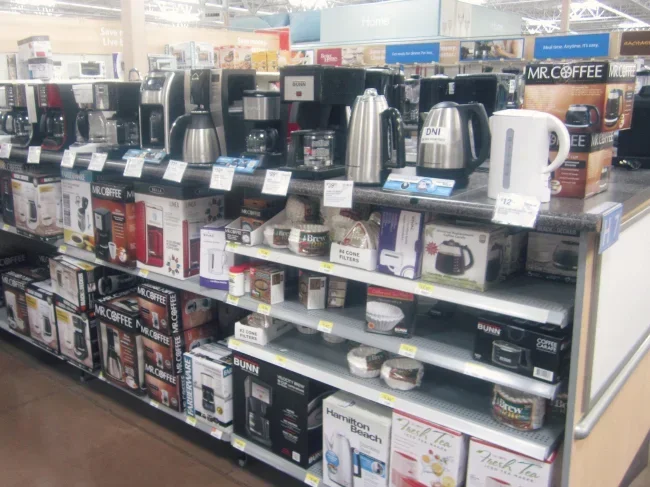
The coffee machine market splits into two major segments: home use and commercial use. Home machines include drip coffee makers, espresso machines, pod brewers, and French presses. Commercial machines include bean-to-cup systems, vending coffee units, and large-scale espresso equipment for cafes and restaurants.
Home sales tend to lead in volume, while commercial sales drive higher average revenue per unit. Many manufacturers serve both segments, creating products that work well in kitchens and break rooms alike. Coffee brewing machines for home use often emphasize ease of use and compact design, while commercial models focus on durability and throughput.
Key Trends Driving Coffee Machine Sales Each Year
Understanding what pushes coffee machine sales higher year after year helps us make sense of the numbers. Several powerful trends shape the market today.
The Rise of Single-Serve Pod Machines
Single-serve coffee machines changed the industry forever. Brands like Keurig and Nespresso made it possible to brew a perfect cup in under a minute. These pod coffee machines now represent a huge share of home coffee machine sales worldwide. The convenience factor is unbeatable, and the variety of flavors keeps customers coming back.
Pod machine sales have grown steadily since the early 2010s. Even as some consumers push back on single-use pods for environmental reasons, the category continues to expand. Many manufacturers now offer reusable pod options to address sustainability concerns.
Espresso Machines Gaining Popularity at Home
Espresso machines used to be mostly a commercial or café product. Today, home espresso machines are more affordable and user-friendly than ever. Automatic and semi-automatic models let home baristas create latte art and specialty drinks without formal training.
The espresso machine market has seen strong year-over-year growth. Premium home espresso machines now compete with commercial-grade equipment, blurring the line between kitchen appliances and professional gear.
The Smart Coffee Machine Revolution
Smart technology has entered the coffee world in a big way. Wi-Fi-connected coffee machines let users start brewing from their phones. Some models learn drinking habits and suggest new recipes. Automatic coffee machines with app control are becoming a must-have for tech-forward households.
Smart features add value and justify higher price points. As IoT coffee machines become more common, we expect to see them capture a larger share of annual sales. The integration of voice assistants like Alexa and Google Home also adds appeal.
Regional Breakdown of Coffee Machine Sales
Coffee machine sales vary a lot by region. Different parts of the world have different coffee cultures, which directly affects what kinds of machines people buy.
North America
North America remains one of the largest markets for coffee machines. The United States alone accounts for a huge share of global coffee maker revenue. Drip coffee makers are the most common household machines, but pod systems have captured a growing share of the market. Office coffee vending machines also contribute significantly to the North American numbers.
The Canadian market follows similar trends, with a strong preference for easy-to-use, compact machines. Both the U.S. and Canada saw a noticeable spike in home coffee machine purchases during and after the pandemic.
Europe
Europe has a deep coffee culture, especially in countries like Italy, Germany, and France. Espresso machines and filter coffee makers are standard in most households. Coffee equipment market data shows that Europe favors quality and craftsmanship, with many consumers willing to pay premium prices for well-built machines.
The European coffee machine market also benefits from strong local brands. Companies like DeLonghi, Jura, and Melitta have deep roots in the region and continue to innovate. Sustainability regulations in Europe also push manufacturers toward energy-efficient and recyclable designs.
Asia-Pacific
The Asia-Pacific region is the fastest-growing market for coffee machines. Countries like China, India, South Korea, and Japan are seeing rising coffee consumption at a rapid pace. As more people adopt coffee drinking habits, demand for coffee brewing equipment grows accordingly.
Japan has a long-standing appreciation for precision coffee gadgets. China’s growing middle class is driving demand for both home and commercial machines. India is an emerging market with enormous potential, as younger consumers embrace café culture and home brewing.
Latin America and the Middle East
Latin America and the Middle East represent smaller but increasingly important markets. Brazil, as a coffee-producing nation, has a strong domestic coffee culture. The Middle East, particularly the UAE and Saudi Arabia, is seeing growth in commercial coffee machine installations in hotels, malls, and offices.
How Many Coffee Machines Are Sold Each Year: The Numbers
Pinpointing an exact global number is tricky because different research firms use different methodologies. However, industry reports give us a solid picture of annual coffee machine sales volume.
Estimates suggest that between 15 million and 20 million coffee machines are sold worldwide each year. This includes all types: drip brewers, espresso machines, pod systems, French presses, and commercial units. The home segment accounts for the majority of sales, but commercial machines contribute a significant share of total revenue.
Year over year, the market grows by roughly 5 to 8 percent in value terms. Volume growth is also steady, though at a slightly slower pace. The pandemic years from 2020 to 2022 saw an unusual spike in home coffee machine purchases, as people spent more time at home and invested in their kitchen setups.
Average Revenue per Coffee Machine Sold
The price of coffee machines varies enormously. A basic drip brewer might cost $30, while a high-end espresso machine can exceed $2,000. The average selling price for a coffee machine globally sits somewhere around $150 to $200, depending on the region and machine type.
This wide price range means that commercial and premium home machines drive a disproportionate share of total revenue. When you hear that the global coffee machine market is worth over $10 billion, that figure reflects both volume and value combined.
Coffee Machine Manufacturers and Market Competition
The coffee machine industry is highly competitive. Dozens of brands compete for market share, from global giants to niche specialty manufacturers.
Top Coffee Machine Brands by Sales Volume
Several brands consistently rank at the top of annual sales charts. Keurig dominates the single-serve segment in North America. Nespresso leads the pod espresso market globally. DeLonghi and Breville are strong players in the home espresso space. Jura and Saeco hold strong positions in the premium European market.
On the commercial side, brands like La Marzocco, Nuova Simonelli, and Wega are industry leaders. These companies serve the professional café and restaurant market with high-performance machines built for heavy daily use.
How Brands Compete for Market Share
Competition in the coffee machine market focuses on several key areas. Design and aesthetics matter a lot, especially for home machines that sit on kitchen counters. Ease of use is another major factor, with brands competing to make their machines the simplest to operate.
Price competition is fierce in the budget segment. Many consumers compare models carefully before buying, looking for the best value for their money. Brand loyalty also plays a role, as coffee drinkers often stick with machines they trust and enjoy using every day.
What the Future Holds for Coffee Machine Sales
The future of coffee machine sales looks bright. Several trends point toward continued growth in the years ahead.
Sustainability and Eco-Friendly Machines
Environmental concerns are reshaping consumer preferences. Buyers increasingly look for machines made with recycled materials, low energy consumption, and minimal waste. Manufacturers are responding with eco-friendly coffee machines that appeal to environmentally conscious consumers.
Reusable pod systems and compostable capsule options are gaining traction. These innovations help reduce the environmental footprint of daily coffee brewing while keeping the convenience that consumers love.
Growing Demand in Emerging Markets
As coffee culture spreads to new regions, coffee machine demand will follow. Africa and Southeast Asia are particularly promising markets for future growth. Local manufacturing and distribution partnerships will play a key role in making coffee machines accessible in these regions.
The Continued Evolution of Smart Features
Smart technology will continue to be a major selling point. Future coffee machines may offer even more personalization, from adjusting brew strength based on your mood to ordering beans automatically when supplies run low. The integration of AI and machine learning into coffee brewing is still in its early stages, but the potential is enormous.
Common Mistakes People Make When Buying Coffee Machines
With so many options on the market, it is easy to make a poor choice. Here are some mistakes to avoid when purchasing a coffee machine.
- Igniting size and counter space: Measure your available space before buying. A machine that looks great online may not fit your kitchen.
- Overlooking maintenance costs: Some machines require frequent descaling, filter replacements, or pod purchases that add up over time.
- Buying the most expensive model: The highest price does not always mean the best fit for your needs. Consider what features you will actually use.
- Ignoring water capacity: If you brew multiple cups in a row, a small water reservoir will slow you down.
- Skipping warranty and support: A good warranty and responsive customer service can save you headaches if something goes wrong.
Final Thoughts
The global coffee machine market is thriving, with millions of units sold every year and no signs of slowing down. From budget drip brewers to smart espresso systems, there is a coffee machine for every lifestyle and budget. Coffee machine sales reflect a world that loves coffee and values convenience, quality, and innovation.
Whether you are a casual coffee drinker or a serious home barista, the market offers more choices than ever before. As technology advances and new markets emerge, the annual numbers will only continue to climb. The next time you brew your morning cup, remember that you are part of a global trend that moves millions of machines every single year.
Frequently Asked Questions
How many coffee machines are sold each year worldwide?
Estimates suggest that between 15 million and 20 million coffee machines are sold globally each year. This includes home and commercial machines across all types, from basic drip brewers to premium espresso systems. The exact number varies depending on the research source and methodology used.
Which type of coffee machine sells the most?
Single-serve pod machines are among the best-selling coffee machines worldwide, especially in North America. Drip coffee makers also dominate in many households due to their affordability and simplicity. Espresso machines are growing fast, particularly in Europe and among specialty coffee enthusiasts.
Is the coffee machine market growing every year?
Yes, the global coffee machine market is growing steadily, typically by 5 to 8 percent in value each year. Rising coffee consumption, smart technology features, and expanding markets in Asia-Pacific are key drivers of this growth. The pandemic also created a lasting boost in home coffee machine purchases.
Which region sells the most coffee machines?
North America is the largest single market for coffee machines, followed closely by Europe. The Asia-Pacific region is growing the fastest, driven by rising coffee consumption in China, India, and South Korea. Each region has its own preferences for machine types and price ranges.
Are smart coffee machines worth the extra cost?
Smart coffee machines offer features like app control, voice assistant integration, and personalized brewing profiles. For tech-savvy users, these features add real convenience and value. However, traditional coffee machines without smart features still work great and cost significantly less.
What is the average price of a coffee machine sold globally?
The average selling price for a coffee machine worldwide ranges from $150 to $200. However, this average is pulled up by premium commercial and espresso machines. Budget drip brewers can cost as little as $30, while high-end espresso machines can exceed $2,000.