How To Grind Whole Bean Coffee At Home For Fresh Flavor
Grinding whole bean coffee at home unlocks incredible flavor and aroma that pre-ground coffee simply cannot match. This guide covers everything you need to know about choosing the right grinder, selecting the perfect grind size, and storing beans for maximum freshness. You will learn simple techniques that transform your daily coffee routine.
There is something magical about the smell of freshly ground coffee filling your kitchen. The rich, bold aroma hits you instantly and makes the morning feel complete. Yet so many people still buy pre-ground coffee and never experience what they are missing. Grinding whole bean coffee at home is one of the simplest upgrades you can make to your daily routine.
The difference between pre-ground and freshly ground coffee is enormous. Pre-ground coffee starts losing its flavor the moment it is exposed to air. Within just 15 minutes, a significant portion of the aromatic oils evaporate. When you grind whole bean coffee at home, you capture all of that flavor right at the moment of brewing. The result is a cup that tastes brighter, richer, and far more satisfying.
You do not need to be a coffee expert to get started. Whether you use a simple blade grinder or a high-end burr grinder, the process is straightforward. This guide will walk you through every step, from choosing your equipment to storing your beans correctly. By the end, you will understand exactly how to get the freshest, most flavorful coffee from your own kitchen.
Key Takeaways
- Freshly ground coffee tastes dramatically better: Grinding at home preserves oils and aromas that escape from pre-ground beans within minutes.
- Burr grinders deliver the most consistent results: They crush beans evenly, giving you control over texture and extraction.
- Grind size changes everything: Matching your grind to your brewing method is the single most important step for great coffee.
- Store beans properly to keep them fresh: An airtight container in a cool, dark place preserves flavor for weeks.
- Avoid common mistakes like grinding too early: Only grind what you need right before brewing for the best cup.
- You do not need an expensive setup: Even budget-friendly grinders produce noticeably better coffee than store-bought grounds.
📑 Table of Contents
Why Grinding Whole Beans Matters
Whole bean coffee stays fresh far longer than pre-ground coffee. The outer shell of each bean acts as a natural barrier, locking in flavor and aroma. Once you break that shell by grinding, the coffee begins to oxidize. Oxygen interacts with the compounds inside the beans, causing them to go stale much faster.
When you grind whole bean coffee at home right before brewing, you get the full spectrum of flavors the roaster intended. Each bean contains hundreds of aromatic compounds. These compounds create the complex flavors you love, from fruity and floral notes to deep, chocolatey undertones. Grinding just before brewing preserves all of them.
The Science Behind Fresh Grinding
Coffee beans are full of volatile compounds. These are the molecules responsible for smell and taste. The moment you grind the beans, these compounds start escaping into the air. This process is called degassing. Pre-ground coffee loses a huge portion of these compounds during packaging and sitting on store shelves.
Freshly ground coffee releases carbon dioxide as well. This gas plays an important role in extraction. When hot water meets freshly ground coffee, the CO2 helps push flavors and oils into your cup. That is why a fresh grind produces such a vibrant, complex taste compared to coffee made from grounds that sat in a can for weeks.
Types of Coffee Grinders
Choosing the right grinder is the most important decision you will make. Not all grinders are created equal, and the type you pick directly affects the quality of your coffee. There are two main categories: burr grinders and blade grinders. Each has its own strengths and weaknesses.
Burr Grinders
Burr grinders are widely considered the gold standard for home coffee grinding. They work by crushing beans between two revolving surfaces, called burrs. The distance between these burrs controls the grind size. This mechanism produces a very uniform particle size, which leads to even extraction and a balanced cup.
If you are serious about coffee quality, a burr grinder is the way to go. They come in both electric and manual versions. Electric burr grinders are convenient and fast. Manual burr grinders give you more control and are often more affordable. Either option will produce results that far surpass any blade grinder.
Blade Grinders
Blade grinders use a spinning blade to chop the beans. They are the most common and affordable type of grinder. You will find them in most kitchens and grocery stores. The problem is that they do not grind evenly. Some particles end up fine while others remain coarse. This inconsistency leads to uneven extraction, which can make your coffee taste bitter or sour.
That said, a blade grinder is still a huge step up from pre-ground coffee. If you are just starting out and do not want to spend much money, a blade grinder is a perfectly fine option. Just be aware that you may need to experiment more with brewing time and technique to get the best results.
Manual vs Electric Grinders
Manual grinders are hand-powered and portable. They are perfect for people who travel or who want a quiet morning routine. Electric grinders are faster and more convenient, especially if you brew coffee every day. Both types can produce excellent results if you choose a quality model.
When deciding between the two, think about your lifestyle and budget. A good manual coffee grinder can cost as little as $20. Electric burr grinders range from $50 to several hundred dollars. The investment pays off quickly in the form of better-tasting coffee every single morning.
Understanding Grind Sizes
One of the most important things to learn about grinding whole bean coffee at home is that not all grinds are the same. The size of your grounds affects how water interacts with the coffee during brewing. Too fine and the coffee becomes over-extracted and bitter. Too coarse and it turns out weak and sour.
Different brewing methods require different grind sizes. Matching the grind to your method is the key to unlocking the best possible flavor. Here is a simple breakdown of the most common grind sizes.
Coarse Grind
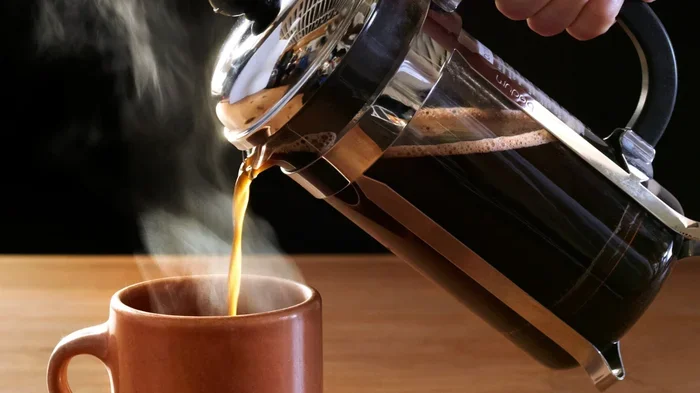
A coarse grind looks like sea salt. It is the largest particle size you will use. Coarse grounds work best with slow brewing methods where water stays in contact with the coffee for a long time. French press is the most popular method for coarse grind. Cold brew also calls for a coarse setting.
If you have ever made coffee in a French press and found it gritty, the grind was probably too fine. A proper coarse grind keeps your cup clean and smooth. It also prevents over-extraction, which is one of the biggest culprits behind bitter coffee.
Medium Grind
Medium grind is the most versatile size. It looks similar to sand or kosher salt. Most drip coffee makers and pour-over brewers work best with a medium grind. This size strikes a good balance between extraction time and surface area.
If you are not sure what setting to start with, medium is a safe bet. It works well across many different brewing methods. Once you get comfortable, you can fine-tune the size to match your personal taste preferences. Many home brewers start here and adjust from that baseline.
Fine Grind
A fine grind resembles table salt or powdered sugar. Espresso machines require a fine grind because water passes through the coffee very quickly under pressure. The small particle size creates enough resistance for proper extraction.
If you do not own an espresso machine, you can still use a fine grind for Moka pots and AeroPress devices. These methods also rely on pressure to brew coffee, so a finer grind helps extract the full flavor profile. Just be careful not to grind too fine, or your coffee may turn out overly intense and bitter.
Extra Fine Grind
Extra fine grind is the finest setting available on most grinders. It looks almost like flour. Turkish coffee is the most common method that uses this size. The extremely fine particles create a thick, rich brew with a strong, concentrated flavor.
Grinding this fine requires a good burr grinder. Blade grinders struggle to produce a consistent extra fine result. If you are interested in Turkish coffee or other specialty brewing methods, investing in a quality burr grinder is well worth it.
| Grind Size | Texture | Best For |
|---|---|---|
| Coarse | Sea salt | French press, cold brew |
| Medium | Kosher salt | Drip coffee, pour-over |
| Fine | Table salt | Espresso, Moka pot, AeroPress |
| Extra Fine | Flour-like | Turkish coffee |
Step-by-Step Guide to Grinding Coffee
Now that you understand why grinding matters and what size to use, let us walk through the actual process. Grinding coffee at home is simple, but doing it correctly makes a big difference in the final cup.
Measuring Your Beans
Start by measuring out the right amount of whole beans. A good rule of thumb is about two tablespoons of beans per six ounces of water. You can adjust this ratio based on your strength preference. Some people prefer a slightly stronger brew and use a bit more coffee.
Use a kitchen scale for the most accurate measurements. Weight is more consistent than volume, and it helps you reproduce the same great cup every time. A digital scale that measures in grams is ideal. Most coffee experts recommend about 15 grams of coffee for every 250 milliliters of water.
Adjusting Your Grinder
Before you start grinding, set your grinder to the appropriate size for your brewing method. Refer back to the grind size guide above. Most grinders have a dial or knob that lets you adjust the setting. Take your time and make small adjustments until you find the sweet spot.
If you are using a new grinder, do a test run first. Grind a small amount and examine the texture. Compare it to the reference descriptions above. It may take a few tries to get the setting just right. That is completely normal. Every grinder is a little different, and beans from different roasters may require slight adjustments too.
Grinding Techniques
For burr grinders, simply add the measured beans to the hopper, place your container underneath, and start the grinder. Most electric burr grinders will stop automatically when the beans are fully ground. With a manual burr grinder, turn the handle steadily and consistently. It usually takes about 30 to 60 seconds for a standard batch.
If you are using a blade grinder, pulse the blade in short bursts instead of running it continuously. Pulsing gives you more control and helps prevent the grounds from overheating. Overheated coffee grounds can taste burnt and flat. A few quick pulses, shaking the grinder gently between them, will give you a much better result.
Once the grinding is done, transfer the grounds to your brewer immediately. Do not let them sit exposed to air. The clock starts ticking the moment the beans are ground, and flavor begins to degrade quickly. For the absolute best cup, grind the beans, brew right away, and enjoy.
Storing Your Whole Beans
Proper storage is just as important as grinding correctly. Whole beans can stay fresh for several weeks when stored the right way. The goal is to protect them from air, moisture, heat, and light. These four elements are the enemies of fresh coffee.
Best Containers
An airtight container is the best choice for storing whole bean coffee. Glass jars with tight-sealing lids work well, but ceramic or stainless steel containers are even better because they block out light. Some containers are specifically designed for coffee storage and come with one-way valves that let CO2 escape without letting oxygen in.
Avoid storing beans in their original packaging unless it is a sealed bag with a one-way valve. Most coffee bags are not airtight and allow stale air to seep in. Transferring your beans to a proper container right after purchase will keep them tasting fresh much longer.
Where to Keep Them
Store your beans in a cool, dark place. A pantry or cupboard away from the stove works perfectly. Avoid keeping them near a window where sunlight can heat them up and cause degradation. The refrigerator is not recommended because moisture and odors can affect the beans.
If you buy coffee in bulk, consider freezing some beans. Place them in a sealed, airtight bag and freeze them. When you need beans, take out only what you need and return the rest to the freezer right away. Do not thaw and refreeze beans repeatedly, as this introduces moisture and ruins the flavor.
Some people like to dry herbs in the oven or use their oven for other food preparation tasks. Just remember that ovens are not suitable for storing coffee beans. The heat and fluctuating temperatures will degrade the beans quickly. Keep your coffee in a cool, consistent environment away from any heat source.
Common Mistakes to Avoid
Even experienced coffee drinkers sometimes make mistakes when grinding beans at home. Avoiding these common errors will help you get the best possible cup every time.
Grinding Too Early
The biggest mistake is grinding beans too far in advance. Pre-ground coffee from the store may seem convenient, but it sacrifices so much flavor. When you grind at home, only grind what you need for the current brew. If you accidentally grind too much, store the extra grounds in an airtight container and use them within a few hours. But even then, the flavor will not match freshly ground beans.
Using the Wrong Grind Size
Using the wrong grind size is another frequent error. A coarse grind in an espresso machine will produce weak, watery coffee. A fine grind in a French press will create a gritty, over-extracted cup. Always match your grind size to your brewing method. It makes a surprisingly big difference in the final taste.
Skipping Cleaning and Maintenance
Your grinder needs regular cleaning to perform at its best. Old coffee oils build up inside the grinder over time and can go rancid. This affects the flavor of every batch you grind. Clean your grinder at least once a month by running a small batch of raw rice through it. The rice absorbs excess oils and helps keep the internal components fresh.
Also, make sure to wipe down the hopper and remove any leftover beans regularly. A clean grinder produces cleaner, better-tasting coffee. This is a simple habit that makes a noticeable difference over time.
Final Thoughts on Fresh Coffee at Home
Grinding whole bean coffee at home is one of the easiest and most rewarding changes you can make to your coffee routine. The flavor difference is immediate and unmistakable. Once you taste freshly ground coffee, pre-ground coffee will never satisfy the same way again.
Start simple. Pick a grinder that fits your budget and needs. Learn the basic grind sizes. Store your beans properly. Grind just before brewing. These small steps add up to a dramatically better cup of coffee every single morning. You deserve to taste your coffee the way the roaster intended it.
The beauty of grinding at home is that you control every variable. You choose the beans, you set the grind size, and you decide how much to use. That level of control is what makes home brewing so rewarding. Whether you prefer a bold espresso shot or a smooth French press cup, freshly ground beans will elevate your experience.
So go ahead, pick up a bag of quality whole beans, fire up your grinder, and enjoy the process. The aroma alone is worth it. And the cup that follows? It is something special. Fresh coffee at home is not just a habit, it is a ritual that brings joy to your day.
Frequently Asked Questions
Can I use a blender instead of a coffee grinder?
A blender can work in a pinch, but it is not ideal for grinding coffee. Blenders use spinning blades that chop unevenly, resulting in a mix of fine and coarse particles. This inconsistency leads to uneven extraction. If you must use a blender, use the pulse function and grind in very short bursts to avoid overheating the beans.
How long do whole coffee beans stay fresh?
Whole bean coffee stays fresh for about two to four weeks when stored properly in an airtight container. After that, the flavor and aroma gradually decline. For the best taste, try to use your beans within three weeks of opening the bag. Always check the roast date when purchasing and buy only what you will use within that window.
Is it better to grind coffee in the morning or night?
Grinding in the morning is ideal because it gives you the freshest grounds right before brewing. The aromatic oils are at their peak, and the flavor is brightest. If you prefer a nighttime routine, grinding before bed is fine too. Just make sure to store the grounds properly if you are not brewing immediately.
What is the best way to clean a coffee grinder?
The easiest way is to run a small batch of dry raw rice through the grinder. The rice absorbs built-up oils and helps clean the burrs or blades. You can also use a soft brush to remove any remaining grounds from the hopper and grinding chamber. Deep clean your grinder once a month for the best results.
Can I grind coffee beans for cold brew in a regular grinder?
Yes, you can grind beans for cold brew in any type of grinder. Cold brew requires a coarse grind, which is easy to achieve with both burr and blade grinders. The coarse size prevents over-extraction and keeps your cold brew smooth and clean. Just make sure to adjust the grinder setting to the coarsest option available.
Do I need to wash my grinder after each use?
No, you do not need to wash your grinder after every use. Wiping out any remaining grounds and giving it a quick rinse once a week is usually enough. Never submerge an electric grinder in water. For a deeper clean, use the rice method once a month. Keeping your grinder well-maintained ensures consistent performance and great-tasting coffee.