How To Make Hard Coffee Soft Again With Simple Tricks
Hard coffee beans can ruin your morning brew, but bringing them back to life is easier than you think. With a few simple tricks like moisture control, proper storage, and smart grinding techniques, you can make hard coffee soft again and enjoy a rich, flavorful cup every single day. These methods work fast, cost nothing, and require no special equipment.
There is nothing worse than reaching for your favorite coffee beans only to find they have turned hard and stale. You grind them up, brew a cup, and the result is weak, bitter, and disappointing. But here is the good news. Learning how to make hard coffee soft again is simpler than most people think. You do not need expensive tools or fancy gadgets. A few household tricks can bring your beans back to life and restore the rich flavor you love.
Whether you are dealing with leftover beans from last week or a bag that has been sitting in the pantry too long, this guide covers everything you need to know. We will walk you through the science of why coffee goes hard, the best methods to soften it, and how to store it properly so it stays fresh. By the end, you will know exactly what to do the next time your hard coffee beans let you down.
Coffee is a daily ritual for millions of people. A great cup can start your morning right, boost your energy, and even improve your mood. But bad coffee can do the opposite. When beans lose moisture and go hard, they lose the oils that create flavor and aroma. The good thing is that you can take steps to fix this problem. Let us dive into the details.
Key Takeaways
- Moisture is the key: Adding controlled moisture to hard coffee beans can restore their softness and flavor.
- Storage matters: Keeping coffee in an airtight container away from heat and light prevents it from going hard.
- Grind fresh: Grinding hard beans correctly can still produce a great cup of coffee.
- Avoid common mistakes: Storing coffee in the fridge or near strong odors makes the problem worse.
- Use the damp cloth trick: This simple method brings moisture back to stale, hard beans quickly.
- Buy in small batches: Fresh beans stay soft longer and taste better.
📑 Table of Contents
Why Coffee Becomes Hard And Stale
What Happens When Coffee Loses Moisture
Coffee beans are full of natural oils and moisture when they are freshly roasted. Over time, those oils evaporate and the beans lose their softness. This process is called degassing. Once the moisture is gone, the beans become hard, brittle, and flavorless. Hard coffee beans simply cannot release the same depth of flavor during brewing.
The rate at which this happens depends on several factors. Exposure to air is the biggest culprit. Heat and sunlight speed it up even more. Humidity can also play a role, but in a different way. Too much moisture can cause mold, while too little makes beans go hard and stale.
How Long Coffee Stays Fresh
Freshly roasted coffee beans stay at their best for about two to four weeks. After that, the flavor starts to decline. Ground coffee loses freshness even faster, usually within minutes of grinding. If your hard coffee beans have been sitting in an open bag for more than a month, they have likely lost a significant amount of their natural oils.
Whole beans last longer than ground coffee because the surface area exposed to air is much smaller. This is why buying whole beans and grinding them just before brewing is always a better choice. But even whole beans need proper storage to stay soft and flavorful.
How To Soften Hard Coffee Beans
The Damp Cloth Method
The damp cloth method is one of the easiest ways to bring moisture back to hard coffee beans. Here is how it works. Take a clean, damp cloth and place your beans inside a sealed container with it. The cloth releases a small amount of moisture slowly, which helps soften the beans without making them wet.
Leave the container sealed for about twelve to twenty-four hours. Check the beans after this time. They should feel slightly softer and more pliable. Once softened, remove the cloth and grind the beans right away for the best flavor. This method works well for beans that have only recently gone hard.
Using Steam To Restore Softness
If the damp cloth method does not work, you can try using steam. Hold the beans over a pot of gently boiling water for about thirty to sixty seconds. The steam adds moisture to the surface of the beans. Be careful not to let any water touch the beans directly. You want moisture, not wetness.
After steaming, spread the beans on a clean towel and let them air dry for a few minutes. Then store them in an airtight container. This method works best for small batches of hard coffee beans. It is not ideal for large quantities, but it gets the job done in a pinch.
Best Methods To Make Hard Coffee Soft Again
Method 1: The Moisture Bag Trick
This is a favorite trick among coffee lovers. Place your hard coffee beans in a resealable bag with a small piece of bread or a damp paper towel. The bread slowly releases moisture into the bag, which transfers to the beans. Seal the bag and leave it for about twenty-four hours.
After this time, check the beans. They should be noticeably softer. The bread trick works because bread holds moisture well and releases it slowly over time. Just make sure the bread does not touch the beans directly, or it could add an unwanted flavor.
Method 2: The Grinder Revival
Sometimes you can work around hard beans by adjusting how you grind them. Use a finer grind setting on your grinder to compensate for the dryness of hard coffee beans. A finer grind exposes more surface area, which helps extract more flavor during brewing.
You can also try pulsing the grinder instead of running it continuously. This helps break up the hard beans more evenly. If you use a burr grinder, it will handle hard beans better than a blade grinder. The even pressure of a burr grinder crushes the beans more effectively, giving you a more consistent grind.
Method 3: Fresh Brew From Hard Beans
Even if your beans are hard, you can still brew a decent cup of coffee. Use hotter water than usual, around two hundred degrees Fahrenheit. The extra heat helps extract more flavor from the dried-out beans. You can also increase the amount of coffee you use to make up for the lost oils.
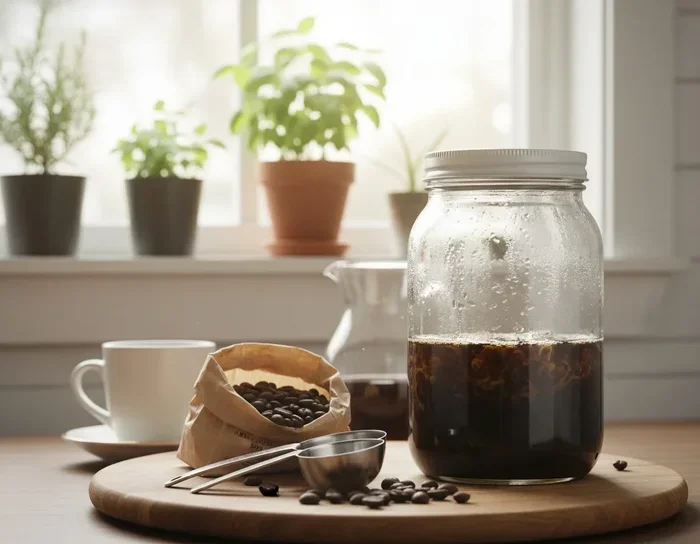
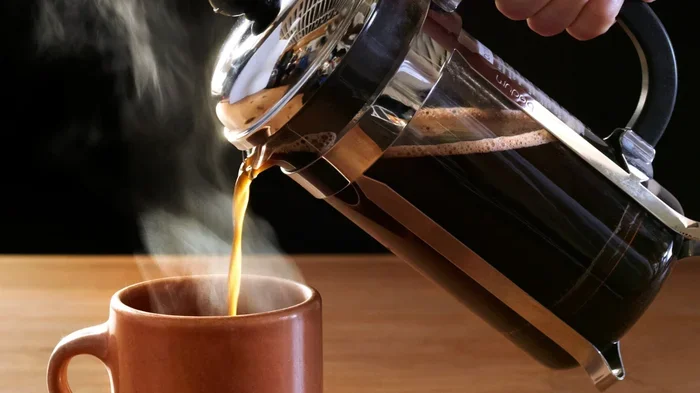
Try using a French press for hard beans. The longer steeping time allows more flavor to come through. You can also try a cold brew method, which extracts flavor slowly over twelve to twenty-four hours. Both methods work better with hard coffee beans than a quick drip brew.
How To Store Coffee The Right Way
Choosing The Right Container
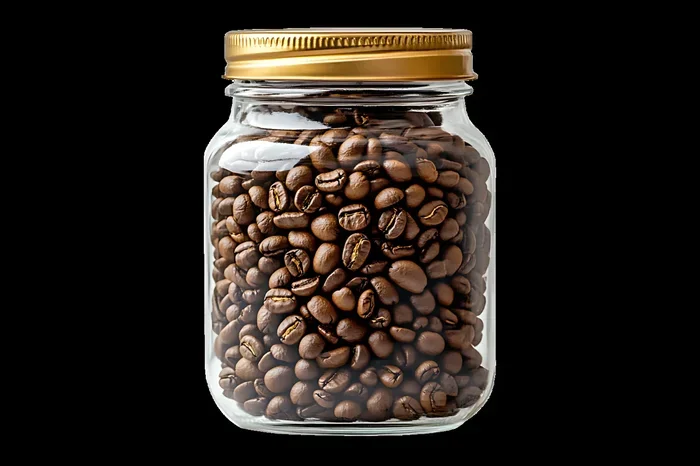
The container you store your coffee in makes a huge difference. Always use an airtight container that blocks light. Glass jars with rubber seals work great. Avoid containers made of thin plastic, as they do not block air well.
A valve-sealed bag is another excellent option. These bags allow carbon dioxide to escape while keeping oxygen out. If you buy coffee in bulk, consider transferring it to a quality airtight container right away. This simple step can keep your beans soft and flavorful for weeks longer.
Where To Keep Your Coffee Beans
Where you store your coffee matters just as much as the container. Keep beans in a cool, dark place like a pantry or cupboard. Avoid the area near the stove or oven, as heat speeds up the staling process.
Many people wonder if storing coffee in the fridge is a good idea. The answer is no. The fridge introduces moisture and odors that can affect the flavor of your beans. If you are warming up food like warming pita bread in the oven or heating sausage in oven for breakfast, keep those items separate from your coffee storage area.
A cool, dark cupboard at room temperature is the best place for coffee beans. Keep them away from strong-smelling foods too, as beans can absorb odors easily.
Quick Tips For Better Coffee Every Day
Here are some quick tips that will help you get the most out of your coffee beans every single day:
- Buy whole beans: Whole beans stay fresh longer than pre-ground coffee. Grind them just before brewing for the best flavor.
- Check the roast date: Always look for a roast date on the bag. Beans that are two to four weeks past roast are at their peak.
- Use filtered water: The water you use affects the taste of your coffee more than you might think. Clean, filtered water brings out the best flavors.
- Clean your equipment: Old oils build up in grinders and brewers, which can make your coffee taste rancid. Clean your gear regularly.
- Experiment with ratios: Try different coffee-to-water ratios until you find the one that tastes best to you. A good starting point is two tablespoons of coffee per six ounces of water.
- Enjoy coffee fresh: Brew only what you will drink right away. Coffee that sits on a burner loses its flavor quickly.
If you are preparing a big breakfast spread and need to keep food warm while you enjoy your coffee, remember that keeping burgers warm in oven is a great way to multitask in the kitchen. A warm breakfast paired with a fresh, flavorful cup of coffee makes for the perfect morning.
Common Mistakes That Make Coffee Hard
Avoiding these common mistakes will help you keep your coffee beans soft and flavorful for longer:
- Storing beans in the original bag: Most coffee bags are not airtight. Transfer your beans to a proper container as soon as possible.
- Leaving the bag open: Every time you open the bag and leave it open, you expose the beans to oxygen. Seal the bag tightly or move the beans to a sealed container.
- Storing coffee near the stove: Heat is one of the fastest ways to ruin coffee beans. Keep them away from any heat source.
- Buying too much at once: It is tempting to buy large bags of coffee to save money, but beans lose freshness fast. Buy only what you will use within two to three weeks.
- Ignoring the grind size: Using the wrong grind size for your brewing method can make even good beans taste bad. Match the grind to your brewer for the best results.
Another mistake people make is putting coffee in the freezer without proper protection. Freezer burn can ruin the flavor of your beans. If you must freeze coffee, use a vacuum-sealed bag and only take out what you need. Never refreeze beans that have been thawed.
While you are in the kitchen preparing meals, you might also be warming up chicken pot pie in oven or reheating other dishes. Just remember to keep your coffee beans stored separately in a cool, dark place away from any heat sources in the kitchen.
Final Thoughts
Making hard coffee soft again does not have to be difficult. With the right methods and a little patience, you can restore flavor and aroma to beans that would otherwise end up in the trash. The damp cloth method, the moisture bag trick, and simple grinder adjustments all work well depending on how hard your beans have become.
Prevention is just as important as the fix. Proper storage in an airtight container, away from heat and light, will keep your beans fresh for weeks. Buying whole beans in small batches and grinding them just before brewing is the best habit you can build for great coffee every day.
Next time you find yourself with a bag of hard, stale beans, do not throw them away. Try one of the methods in this guide and see the difference for yourself. A little effort goes a long way when it comes to enjoying a rich, flavorful cup of coffee. Your mornings will taste better, and you will waste less food too.
Remember, great coffee starts with great beans. Take care of them, and they will take care of you. Now go ahead and make your next cup the best one yet.
Frequently Asked Questions
Can you really make hard coffee beans soft again?
Yes, you can. Methods like the damp cloth trick, the moisture bag technique, and gentle steaming can restore moisture to hard coffee beans. The results work best when you act soon after the beans go hard. The longer beans stay hard, the harder it is to fully restore them.
How long do coffee beans stay fresh after opening the bag?
Once opened, coffee beans stay at their best for about two to four weeks if stored properly. Keep them in an airtight container in a cool, dark place. After that time, the beans start to lose moisture and flavor, which can lead to them becoming hard and stale.
Is it safe to drink coffee made from hard beans?
Yes, it is safe. Hard coffee beans are not harmful. They just produce a weaker, less flavorful cup of coffee. If your beans have gone hard, you can still brew them. Just use a finer grind, hotter water, or a longer brewing method like a French press or cold brew for better results.
Should you store coffee beans in the fridge or freezer?
The fridge is not recommended because it introduces moisture and odors that can affect the flavor of your beans. The freezer can work if you use a vacuum-sealed bag and only remove what you need. But the best option is always a cool, dark cupboard in an airtight container at room temperature.
What is the best way to grind hard coffee beans?
A burr grinder works best for hard beans because it applies even pressure and produces a consistent grind. Use a finer setting to compensate for the dryness of the beans. Pulsing the grinder instead of running it continuously also helps break up hard beans more evenly.
How can I tell if my coffee beans have gone bad?
Hard, brittle beans that crack when you press them are a sign that they have gone stale. Fresh beans should feel slightly oily and spring back when you squeeze them. If your coffee tastes flat, bitter, or has no aroma, the beans have likely lost their freshness and need to be replaced.
=== CONCLUSION ===
Making hard coffee soft again is something every coffee lover should know how to do. Whether you use the damp cloth method, the moisture bag trick, or adjust your grinding and brewing technique, you can save your beans and enjoy a better cup. The key is to act quickly and store your beans properly from the start.
Good coffee does not have to be expensive or complicated. With the right knowledge and a few simple habits, you can bring hard beans back to life and prevent the problem from happening again. Keep these tips in mind, share them with fellow coffee lovers, and never let a bag of stale beans go to waste.