Can You Cook Bacon In The Oven Without Parchment Paper
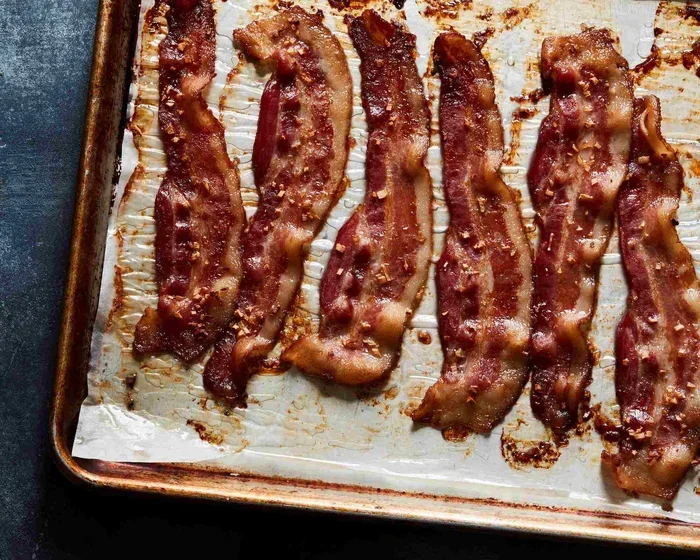
Yes, you can cook bacon in the oven without parchment paper using a baking sheet, aluminum foil, or a wire rack. This guide shows you how to get crispy, evenly cooked strips with less mess and faster cleanup. You will learn the best temperatures, timing, and pro tips for oven-baked bacon every time.
If you have ever wondered Can You Cook Bacon In The Oven Without Parchment Paper, the answer is a resounding yes. Many home cooks skip parchment paper and still achieve crispy, delicious oven-baked bacon. You just need a baking sheet, some foil, or a wire rack. This method saves time and gives you more control over the crunch level. Let us walk through every easy step so you can cook bacon in the oven without any fuss.
Cooking bacon in the oven is a game changer. It frees up stovetop space and cooks many strips at once. You do not need to stand there flipping each piece. Whether you are feeding a crowd or prepping for the week, this approach works beautifully. The key is knowing which tools to use and how to manage the hot grease. Below you will find all the details you need to succeed.
Key Takeaways
- Skip the Parchment: You can cook bacon in the oven without parchment paper and still get great results.
- Foil Works Well: Aluminum foil is a handy substitute that makes cleanup a breeze.
- Wire Rack Wins: A wire rack gives you the crispiest oven-baked bacon by letting fat drip away.
- 400°F is the Sweet Spot: This temperature cooks bacon evenly without burning.
- Line the Pan: Using foil or a silicone mat reduces grease splatter and simplifies cleanup.
- Watch Closely: Bacon can go from perfect to burnt quickly, so keep an eye on it.
- Save the Grease: Leftover bacon fat is golden and can be stored for cooking later.
📑 Table of Contents
Can You Cook Bacon In The Oven Without Parchment Paper?
The short answer is yes. Parchment paper is not required to make great bacon. Many people use it to prevent sticking, but other options work just as well. You can place bacon directly on a lined or unlined baking sheet. The bacon fat will render and create its own nonstick layer as it cooks. This is the simplest way to cook bacon in the oven without parchment paper.
Why Skip Parchment Paper?
Parchment paper is convenient, but it is not always on hand. You might run out mid-recipe or want to reduce paper waste. Some folks also find it sticks to the bacon when the fat splatters. Skipping it means fewer supplies to buy and less trash. It also lets you use tools you already own. The goal is to get perfectly crispy oven-baked bacon with minimal cleanup.
The Direct Method: Bacon on the Baking Sheet
To use the direct method, simply lay bacon strips flat on a baking sheet. Do not overlap them. This allows hot air to circulate around each piece. Place the sheet in a cold oven first. Then set the temperature to 400°F (200°C). The cold start helps the fat render slowly. This leads to more even cooking and less curling. You will have beautiful, straight strips in about 15 to 20 minutes.
- No sticking: The bacon releases naturally as the fat melts.
- Easy cleanup: A quick wipe of the pan is all you need.
- No extra tools: Just a baking sheet and your bacon.
This method is ideal for quick weeknight breakfasts. You can line the sheet with foil if you hate scrubbing, but it is not mandatory. The direct approach is the most straightforward way to cook bacon in the oven without parchment paper.
Alternative Liners: Aluminum Foil and Silicone Mats
If you want to avoid scrubbing the baking sheet, try a liner. Both aluminum foil and silicone baking mats work well. They create a barrier between the bacon and the pan. This makes cleanup faster and keeps your oven cleaner. Let us look at each option in detail.
Using Aluminum Foil for Bacon
Aluminum foil is a popular substitute for parchment paper. It is cheap, reusable in some cases, and handles high heat. To use it, tear off a sheet slightly larger than your baking sheet. Place it on the pan and poke a few small holes with a fork. These holes let the grease drip down. The bacon will not stick to the foil if you lightly grease it first or let the fat do its job.
Foil also helps with grease splatter. It protects the oven from drips and makes the whole process less messy. Some people prefer the shiny side of the foil facing up for a little extra shine on the bacon, but it does not change the cooking much. This is a great option if you are asking Can You Cook Bacon In The Oven Without Parchment Paper and want an easy cleanup.
Silicone Baking Mats as a Parchment Substitute
Silicone mats are a reusable alternative to parchment paper. They are heat resistant up to very high temperatures. Place a mat on your baking sheet and lay the bacon on top. The bacon will not stick, and the mat catches all the grease. Cleanup is a breeze. Just wipe it off or toss it in the dishwasher. Silicone mats are a bit more expensive upfront, but they last for years. They are a smart investment for anyone who cooks bacon often.
| Liner Type | Pros | Cons |
|---|---|---|
| Parchment Paper | Nonstick, disposable, no prep | Can stick when greasy, costs more over time |
| Aluminum Foil | Cheap, easy to find, reusable once | May stick if not greased, no holes for grease |
| Silicone Mat | Reusable, nonstick, easy cleanup | Higher upfront cost, needs washing |
| No Liner (Direct) | Zero waste, simplest method | Pan needs scrubbing, potential splatter |
Each option has its place. Choose based on what you have on hand and how much cleanup you want to avoid. All of these let you cook bacon in the oven without parchment paper successfully.
Cooking Bacon on a Wire Rack: The Best Method
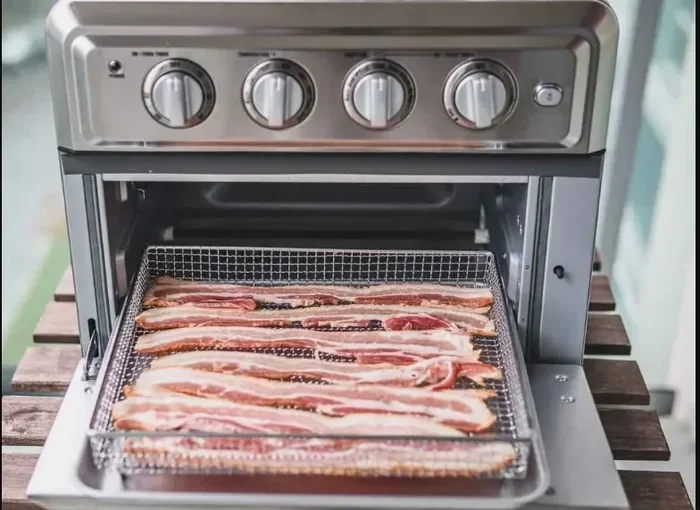
A wire rack is the secret weapon for perfect oven-baked bacon. It elevates the bacon above the pan. This allows the hot air to flow all around the strip. The fat drips away into the baking sheet below. The result is bacon that is crispy on all sides, not just the bottom. It is the best method if you want restaurant-quality strips at home.
Why a Wire Rack Beats Flat Sheets
When bacon sits flat on a pan, the bottom cooks in its own grease. The top stays a bit flabby. A wire rack solves this problem. The bacon is suspended, so it cooks evenly from edge to center. The strips also puff up and become uniformly crispy. You get less curling too, because the heat surrounds the meat. This method produces the best texture for cooking bacon in the oven without parchment paper.
How to Set Up the Rack
Place a wire cooling rack on top of a baking sheet. Make sure the rack fits inside the sheet edges. Lay the bacon strips on the rack without touching. The grease will fall through onto the sheet below. This keeps the bacon from sitting in fat and getting soggy. You can also line the sheet with foil for even easier cleanup. Bake at 400°F for 18 to 22 minutes. The bacon is done when it looks golden and slightly curled.
This setup takes just a few extra minutes of prep, but the results are worth it. You will never go back to the stovetop once you try rack-cooked bacon.
Temperature and Timing for Perfect Oven-Baked Bacon
Getting the temperature right is the most important part of oven-baked bacon. Too low and the bacon will be flabby and chewy. Too high and it will burn before the fat renders. The sweet spot is 400°F (200°C). This temperature cooks the bacon through while crisping the edges. It works for both thin and thick-cut strips.
Ideal Oven Temperature
Preheat your oven to 400°F. A hot oven is essential for crispy bacon. If you start with a cold oven, the bacon will cook more slowly and evenly. This is a great technique for straight strips. But if you want maximum crisp, a preheated 400°F oven is the way to go. Always use an oven thermometer if you are unsure. Many ovens run hot or cold, which can throw off your timing.
How Long to Bake Bacon
Baking time depends on the thickness of your bacon and how crispy you like it. Thin bacon cooks faster, usually in 12 to 15 minutes. Thick-cut bacon needs 18 to 22 minutes. Start checking at the 12-minute mark. Look for a deep golden brown color. The bacon should be firm to the touch but still slightly flexible. It will crisp up as it cools. Here is a simple guide:
- 12-15 minutes: Thin bacon, slightly chewy.
- 16-19 minutes: Medium thickness, crispy edges.
- 20-22 minutes: Thick-cut, very crispy and deep amber.
Keep a close eye on the bacon after the 15-minute mark. Every oven is different. The last few minutes can make the difference between perfect and burnt. This is a key part of cooking bacon in the oven without parchment paper that many beginners overlook.
Quick Tips for Consistent Results
- Use the same brand and thickness of bacon for even cooking.
- Do not crowd the pan. Leave space between each strip.
- Rotate the pan halfway through for even browning.
- Remove bacon to a paper towel-lined plate to drain excess grease.
Handling Grease and Making Cleanup Easy
Bacon grease is a delicious byproduct of oven-baked bacon. But it can also make a mess if you do not manage it. The hot fat splatters and can smoke if it pools too much. Learning how to handle grease is just as important as the cooking time. A few simple steps will keep your kitchen clean and your bacon perfect.
The Role of Bacon Fat
As the bacon cooks, the fat melts and renders out. This is what makes the meat crispy. The fat needs somewhere to go. If it stays under the bacon, the bottom will get soggy. That is why a wire rack works so well. It lets the grease drip away. If you cook on a flat sheet, the bacon will sit in a pool of fat. This can lead to uneven cooking. You can tilt the baking sheet slightly to let the grease pool at one end. Then use a spoon to remove it before it smokes.
Quick Cleanup Tips
Cleanup does not have to be a chore. Here are a few tricks to make it easy:
- Line the pan with foil: When the bacon is done, just ball up the foil and toss it.
- Let the pan cool: Once the grease solidifies, it wipes off the pan easily.
- Use a paper towel: Carefully wipe the hot pan with a few paper towels to remove excess grease.
- Hot water soak: If the pan has sticky residue, fill it with hot water and let it sit for 10 minutes.
These tips save time and keep your baking sheet in great shape. They are essential when you are cooking bacon in the oven without parchment paper because you are more likely to deal with bare pans.
Common Mistakes and Expert Advice
Even experienced cooks can make errors when baking bacon. Avoiding these pitfalls will help you get perfect results every time. Here are the most common mistakes and how to fix them.
Avoiding Burnt Bacon
The biggest mistake is leaving bacon in the oven too long. Bacon continues to crisp as it cools, so pull it out just before it looks done. If you wait for it to look perfect in the oven, it will be overcooked on the counter. Another mistake is using a pan that is too small. Overcrowding the strips causes them to steam instead of crisp. Give each piece its own space. Keep a close watch during the last few minutes of baking.
Pro Tips for Crispy Results
Here are some expert secrets for the best oven-baked bacon:
- Cold start method: Place bacon in a cold oven and turn it on. This renders fat slowly for straighter, crispier strips.
- Pat dry first: Dab the bacon with a paper towel before baking. Less moisture means less splatter and crispier edges.
- Use a rimmed sheet: A rimmed baking sheet catches grease and prevents spills in your oven.
- Let it rest: Transfer cooked bacon to a plate lined with paper towels. This absorbs excess grease and keeps it crispy.
These small changes make a big difference. They are the best way to ensure your Can You Cook Bacon In The Oven Without Parchment Paper attempt is a total success.
Key Takeaways
Remember these core points when you decide to cook bacon in the oven without parchment paper:
- You can skip parchment paper and still get great bacon.
- A wire rack gives the crispiest results by letting fat drip away.
- 400°F is the ideal temperature for even cooking.
- Aluminum foil and silicone mats are excellent substitutes.
- Watch the bacon closely in the last few minutes to avoid burning.
- Cleanup is easy if you use foil or a silicone mat.
Baking bacon in the oven is simple, fun, and produces wonderful results. You do not need parchment paper to enjoy crispy, delicious strips. Pick your method, set the timer, and enjoy the process. With a little practice, you will master oven-baked bacon every single time.
Frequently Asked Questions
Can I use wax paper instead of parchment paper for bacon?
No, wax paper is not heat safe. It will melt or catch fire in a hot oven. Always use parchment paper, foil, or a silicone mat. If you have none of these, you can cook bacon directly on a clean baking sheet. The fat will prevent sticking as it renders.
Is it safe to cook bacon without any liner in the oven?
Yes, it is completely safe. Bacon releases its own fat and will not stick permanently to a good-quality baking sheet. The bacon will release easily once the fat has rendered. Just be careful when handling the hot pan, as the grease will be very hot.
How do I prevent bacon from sticking to the baking sheet?
The bacon will not stick if you let the fat do its job. As the bacon cooks, the melted fat creates a natural nonstick layer. If you are concerned, lightly grease the pan with a tiny amount of oil before adding the bacon. Alternatively, use foil or a silicone mat for guaranteed release.
Can I reuse bacon grease after oven cooking?
Absolutely. Bacon grease is a flavorful cooking fat. Let the rendered fat cool slightly, then strain it through a fine mesh sieve into a jar. Store it in the refrigerator for up to three months. Use it to fry eggs, roast vegetables, or make scrambled eggs for extra flavor.
What is the best way to store leftover oven-baked bacon?
Let the bacon cool completely, then store it in an airtight container in the refrigerator. It will keep for up to five days. You can reheat it in the oven at 350°F for a few minutes to restore the crispiness. Avoid storing it with steam trapped inside, as that will make it soggy.
Do I need to flip bacon when cooking in the oven?
No, you do not need to flip the bacon. The hot air circulates around the strips and cooks them evenly on all sides. This is one of the biggest advantages of oven-baked bacon over stovetop cooking. Just let it bake undisturbed until it reaches your desired crispness.