How To Bake Skinless Chicken Breast In The Oven Perfectly
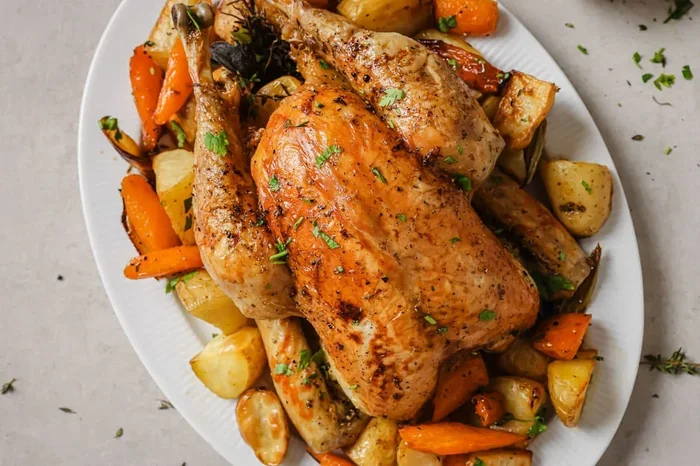
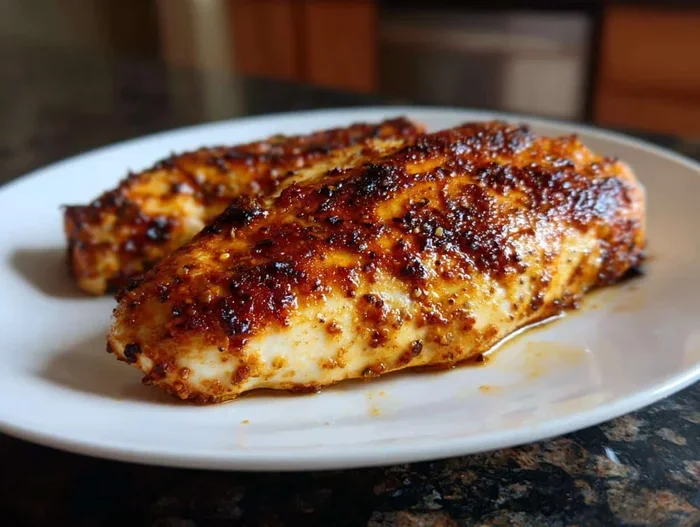
Baking skinless chicken breast in the oven is one of the easiest and healthiest ways to prepare a delicious meal. This guide walks you through every step from prep to plate, ensuring your oven-baked chicken turns out juicy and full of flavor. You will learn the ideal chicken breast temperature, perfect baking time for chicken, and simple seasoning for chicken tricks that make a huge difference.
Key Takeaways
- Oven Temperature Matters: Bake at 400°F for the best balance of crispy outside and juicy inside.
- Brining Keeps It Moist: A simple saltwater soak prevents dry chicken breast every time.
- Resting Is Essential: Let the chicken rest for 5-10 minutes after baking to lock in juices.
- Internal Temp Is Key: Cook until the chicken breast internal temp reaches 165°F for food safety.
- Simple Seasonings Work Best: Olive oil, garlic, and herbs create amazing flavor without complexity.
- Avoid Overcooking: Use a meat thermometer to prevent tough, dry baked chicken breast.
📑 Table of Contents
- How To Bake Skinless Chicken Breast In The Oven Perfectly
- Why Baking Skinless Chicken Breast In The Oven Works So Well
- What You Need Before You Start
- Step-By-Step Guide To Baking Skinless Chicken Breast
- Temperature And Timing For Perfect Results
- Tips For Juicy And Tender Baked Chicken Breast
- Common Mistakes People Make When Baking Chicken Breast
- Delicious Variations For Your Baked Chicken Breast
- Serving Suggestions And Meal Ideas
- Storing And Reheating Leftover Baked Chicken
- Frequently Asked Questions
- Conclusion
How To Bake Skinless Chicken Breast In The Oven Perfectly
Baking skinless chicken breast in the oven is one of the simplest and most reliable ways to cook a healthy, delicious meal. Whether you are meal prepping for the week or cooking dinner for your family, oven-baked chicken never disappoints. This method gives you tender, juicy results with very little effort. You do not need fancy equipment or advanced cooking skills. Just follow these steps and you will have baked chicken breast that everyone loves.
The beauty of how to bake skinless chicken breast in the oven lies in its simplicity. There are so few ingredients, yet the results are always impressive. A basic chicken breast recipe like this one can become your go-to dinner option all year round. It is fast, it is healthy, and it is incredibly hard to mess up once you know the right technique. Let us dive into everything you need to know.
Why Baking Skinless Chicken Breast In The Oven Works So Well
Benefits Of Oven-Baked Chicken
Oven-baked chicken offers so many advantages over other cooking methods. First, it requires very little hands-on time. You can prep the boneless chicken breast, toss it with seasoning, and let the oven do all the work. This frees you up to prepare sides or enjoy some downtime.
Another big benefit is consistency. When you use the right oven temperature for chicken, the results are predictable every single time. Unlike stovetop cooking where hot spots can cause uneven cooking, an oven surrounds the chicken with even heat. This means your tender chicken breast cooks uniformly from edge to center.
Oven baking also allows you to cook multiple pieces at once. This makes it perfect for healthy chicken recipes that feed a crowd. You can bake several skinless chicken breast pieces on one sheet pan and have dinner ready in under 30 minutes.
Why Skinless Chicken Breast Is A Great Choice
Skinless chicken breast is one of the leanest protein sources available. It is low in fat and high in protein, making it ideal for anyone watching their calorie intake. Removing the skin also reduces the overall saturated fat content of the dish.
Many people worry that skinless chicken breast dries out easily. This is a valid concern, but it is completely manageable with the right approach. The key is understanding chicken breast moisture and how to retain it during baking. We will cover all of that in the sections below. Once you master the technique, you will never go back to dry, bland chicken again.
What You Need Before You Start
Essential Ingredients
Before you start chicken breast prep, gather your ingredients. The beauty of bake chicken breast recipes is that you need very little. Here is what you will need for a basic but flavorful version:
- Boneless skinless chicken breast — 2 to 4 pieces depending on serving size
- Olive oil — 1 to 2 tablespoons to keep the chicken moist
- Garlic — 2 to 3 cloves, minced or powdered
- Salt — 1 teaspoon or to taste
- Black pepper — 1/2 teaspoon, freshly ground
- Paprika — 1 teaspoon for color and mild smokiness
- Fresh herbs — thyme, rosemary, or Italian seasoning blend
- Lemon juice — optional, adds brightness and tenderness
These simple chicken breast seasoning ingredients create a flavorful crust without overwhelming the natural taste of the chicken. You can easily adjust the flavors based on what you have on hand or what your family enjoys.
Equipment You Will Need
You do not need much equipment to bake skinless chicken breast perfectly. Here is a quick list:
- A rimmed baking sheet or oven-safe dish
- Parchment paper or aluminum foil for easy cleanup
- A meat thermometer — this is non-negotiable for perfect results
- A small bowl for mixing seasoning
- Tongs for handling the chicken
The meat thermometer deserves special mention. It is the single most important tool for ensuring your chicken breast doneness. Without it, you are guessing. With it, you get perfect results every time. Invest in a good instant-read thermometer if you do not already have one.
Step-By-Step Guide To Baking Skinless Chicken Breast
Preparing The Chicken
Proper chicken breast prep sets the foundation for great results. Start by removing the chicken from the refrigerator about 15 to 20 minutes before baking. This lets the chicken come closer to room temperature, which promotes more even cooking. Cold chicken placed directly in a hot oven can cook unevenly, with the outside overcooking before the inside is done.
Next, pat the boneless chicken breast dry with paper towels. This step is crucial. Moisture on the surface creates steam, which prevents browning and can lead to a rubbery texture. A dry surface allows for better seasoning adhesion and a nicer golden color on the finished baked chicken breast.
If your chicken breast pieces are thick, consider butterflying them or pounding them to an even thickness. This ensures that the entire piece cooks at the same rate. Uneven thickness is one of the biggest reasons for dry edges and raw centers.
Seasoning The Chicken Breast
Now it is time to add flavor. Drizzle the chicken with olive oil first. This helps the dry seasonings stick to the surface and also adds moisture during baking. Use your hands or a brush to coat each piece evenly.
Then sprinkle your seasoning for chicken over all sides. Do not be shy with the salt and pepper. Many people under-season their oven-baked chicken, which leads to bland results. The seasoning on the surface is all the flavor you will get, so make it count.
For extra flavor, add a squeeze of fresh lemon juice or a sprinkle of chicken breast seasoning blends. You can also add minced garlic or garlic powder. The goal is to create a light but flavorful coating that enhances the natural taste of the chicken.
The Baking Process
Preheat your oven to 400°F. While it is heating, line your baking sheet with parchment paper or foil. Place the seasoned skinless chicken breast on the sheet, leaving a little space between each piece for air circulation.
Place the baking sheet in the center of the oven. Resist the urge to open the door too often. Every time you open the oven, heat escapes and the cooking temperature drops. This can extend the baking time for chicken and affect the final texture.
Bake until the internal temperature reaches 165°F at the thickest part. Use your meat thermometer to check. The chicken should be opaque throughout with no pink remaining. Once done, remove the sheet from the oven and move on to the resting step.
Temperature And Timing For Perfect Results
What Temperature To Bake Chicken Breast
The ideal oven temperature for chicken breast is 400°F. This temperature strikes the perfect balance between cooking the chicken through and keeping it juicy. At 400°F, the outside gets slightly crispy while the inside stays tender and moist.
Some recipes call for lower temperatures like 350°F. While this works, it takes longer and can result in a softer exterior. If you want a bit of texture on your baked chicken breast, 400°F is the way to go. Higher temperatures like 425°F can work too, but you need to watch the chicken closely to prevent drying out.
Here is a quick reference for different temperatures:
- 350°F: Slower cooking, softer texture, takes about 25 to 30 minutes
- 400°F: Balanced cooking, slightly crispy outside, takes about 20 to 25 minutes
- 425°F: Faster cooking, crispier outside, takes about 18 to 22 minutes
For most home cooks, 400°F is the sweet spot. It is forgiving and gives you a wider window for perfect results.
How Long To Bake Chicken Breast
The baking time for chicken depends on the thickness of the breast and your oven temperature. At 400°F, a standard skinless chicken breast that is about 1 inch thick will take roughly 20 to 25 minutes.
Thinner pieces may be done in 15 to 18 minutes. Thicker pieces or unevenly shaped breasts might need 25 to 30 minutes. This is why a meat thermometer is so important. It removes all guesswork from the equation.
The chicken breast internal temp should read 165°F when inserted into the thickest part. If you are cooking multiple pieces, check the temperature of each one. The chicken is also done when the juices run clear when you cut into it. Pink juices mean the chicken needs more time.
Tips For Juicy And Tender Baked Chicken Breast
Brining For Extra Moisture
Brining is one of the best chicken breast cooking tips for achieving juicy results. A brine is simply a saltwater solution that the chicken soaks in before baking. The salt helps the muscle fibers absorb and retain more water during cooking.
To brine your skinless chicken breast, dissolve 1 tablespoon of salt in 4 cups of cold water. Submerge the chicken for 30 minutes to 2 hours. For a quick brine, even 15 minutes makes a noticeable difference. After brining, pat the chicken dry before seasoning and baking.
This simple step transforms dry baked chicken breast into incredibly moist and tender meat. It is especially helpful if you tend to overcook chicken or if your breasts are on the leaner side.
Resting The Chicken After Baking
Resting is one of the most overlooked steps in oven-baked chicken preparation. When you remove the chicken from the oven, the juices inside are under pressure. If you cut into it immediately, those juices run out onto the cutting board instead of staying in the meat.
Let the skinless chicken breast rest for at least 5 to 10 minutes after baking. Tent it loosely with foil to keep it warm. During this time, the juices redistribute throughout the meat. When you finally cut in, the juicy chicken breast stays moist and flavorful.
This resting period also allows the internal temperature to equalize. The chicken breast doneness will be more consistent from edge to center. It is a small step that makes a big difference.
Avoiding Overcooking
Overcooking is the number one enemy of tender chicken breast. Once chicken breast exceeds 165°F internally, it starts to lose moisture rapidly. The result is dry, tough meat that is hard to enjoy.
To avoid this, pull the chicken out of the oven when it reaches 160°F to 162°F. The temperature will continue to rise a few degrees during resting. This carryover cooking brings it up to the safe 165°F without overcooking it.
Another trick is to use a timer. Set it for the minimum expected cooking time and check early. You can always put the chicken back in for a few more minutes. You cannot undo an overcooked baked chicken breast. When in doubt, check the temperature often.
Common Mistakes People Make When Baking Chicken Breast
Skipping The Resting Period
As mentioned above, cutting into oven-baked chicken immediately after removing it from the oven is a common mistake. The juices need time to settle. Skipping the rest leads to dry, less flavorful meat. Trust the process and wait at least 5 minutes.
Using The Wrong Temperature
Baking at too low a temperature extends the cook time and can dry out the chicken. Baking at too high a temperature can burn the outside while leaving the inside undercooked. Always preheat your oven and use 400°F as your default oven temperature for chicken. This gives you the best results with minimal risk.
Not Seasoning Enough
Plain skinless chicken breast can be bland if you do not season it properly. Many people are afraid of using enough salt, but a well-seasoned chicken breast recipe is what separates good chicken from great chicken. Season generously on all sides and do not be afraid to experiment with different chicken breast seasoning combinations.
Overcrowding The Pan
When baking multiple pieces, give them space on the sheet pan. Overcrowding traps steam and prevents proper air circulation. This leads to soggy baked chicken breast instead of the slightly crispy exterior you want. If you need to cook a large batch, use two sheet pans or bake in batches.
Delicious Variations For Your Baked Chicken Breast
Lemon Herb Chicken Breast
For a bright and fresh flavor, combine olive oil, lemon zest, chopped fresh herbs like parsley and dill, garlic, salt, and pepper. Spread this mixture over your skinless chicken breast before baking. The lemon adds a wonderful tang that pairs perfectly with the tender chicken.
Spicy BBQ Chicken Breast
If you like a little heat, mix smoked paprika, cayenne pepper, brown sugar, garlic powder, and a splash of apple cider vinegar. Brush this chicken breast seasoning blend over the chicken before baking. The result is a crispy chicken breast with a sweet and spicy kick.
Italian-Style Baked Chicken
For an Italian twist, use dried oregano, basil, garlic powder, and a drizzle of balsamic vinegar. Add some sliced tomatoes and olives to the baking sheet for a complete one-pan meal. This healthy chicken recipe is satisfying and full of flavor.
Serving Suggestions And Meal Ideas
Baked skinless chicken breast pairs wonderfully with a wide variety of sides. Here are some ideas to complete your meal:
- Roasted vegetables: Asparagus, broccoli, or sweet potatoes roasted on the same pan
- Fresh salad: A light mixed greens salad with vinaigrette
- Rice or quinoa: A fluffy grain base soaks up the chicken juices beautifully
- Mashed potatoes: Creamy and comforting, a classic pairing
- Grilled vegetables: Zucchini, bell peppers, and corn on the cob
Oven-baked chicken also makes excellent meal prep food. Bake a batch on Sunday and use it throughout the week in salads, wraps, sandwiches, or stir-fries. The tender chicken breast stays moist even when reheated, making it one of the best proteins for meal prepping.
Storing And Reheating Leftover Baked Chicken
If you have leftovers, store the baked chicken breast in an airtight container in the refrigerator within two hours of cooking. Properly stored, it will keep for up to 4 days. For longer storage, wrap the chicken tightly and freeze it for up to 3 months.
To reheat, use your oven or a toaster oven at 325°F for about 10 to 15 minutes. Avoid microwaving if possible, as it can make the chicken rubbery. A gentle oven reheat preserves the moisture and texture of your juicy chicken breast. Add a few drops of water or broth to the container before reheating to create steam and keep the meat moist.
Frequently Asked Questions
How long should I bake skinless chicken breast at 400 degrees?
At 400°F, most skinless chicken breast pieces that are about 1 inch thick will take 20 to 25 minutes. Thinner pieces may be done in 15 to 18 minutes, while thicker pieces might need up to 30 minutes. Always use a meat thermometer to check for an internal temperature of 165°F. The exact baking time for chicken varies based on thickness and your specific oven.
Is it better to bake chicken breast at 350 or 400 degrees?
400°F is generally the better choice for oven-baked chicken. It cooks faster and creates a slightly crispier exterior while keeping the inside juicy. Baking at 350°F takes longer and can result in a softer texture. If you want the best balance of flavor, texture, and chicken breast moisture, go with 400°F.
How do I keep chicken breast from drying out in the oven?
Brining the chicken before baking is the single best way to prevent dry baked chicken breast. Also, do not overcook it. Pull the chicken out at 160°F to 162°F and let it rest. Using olive oil or a light coating of marinade adds moisture during baking. And always use a meat thermometer to avoid guessing the chicken breast doneness.
Can I bake frozen skinless chicken breast in the oven?
Yes, you can, but it will take significantly longer. Frozen boneless chicken breast may need 30 to 45 minutes at 400°F depending on thickness. Make sure the chicken breast internal temp reaches 165°F before serving. For best results and more even cooking, it is recommended to thaw the chicken first. Thawing in the refrigerator overnight is the safest method.
What is the best seasoning for baked chicken breast?
A simple blend of olive oil, garlic, salt, black pepper, and paprika works beautifully for chicken breast seasoning. For something more adventurous, try lemon herb, Italian seasoning, or a spicy BBQ blend. The key is to season generously on all sides. Proper seasoning for chicken makes a huge difference in the final flavor of your oven-baked chicken.
How do I know when baked chicken breast is done?
The most reliable way to check chicken breast doneness is with a meat thermometer. Insert it into the thickest part of the breast. The chicken breast internal temp should read 165°F. You can also check visually — the meat should be opaque white throughout with no pink remaining. Juices should run clear, not pink. Letting the chicken rest for 5 to 10 minutes after baking also helps confirm even chicken breast cooking tips were followed.
Conclusion
How to bake skinless chicken breast in the oven is a skill that anyone can master with a little practice. The process is straightforward, the results are consistently delicious, and the health benefits are significant. From proper chicken breast prep to the right oven temperature for chicken, every step matters.
Remember to brine for moisture, season generously, bake at 400°F, and always use a meat thermometer. Let the chicken rest before cutting, and you will have tender chicken breast that rivals any restaurant-quality dish. These chicken breast cooking tips will serve you well for years to come.
Once you nail the basics of oven-baked chicken, you can experiment with different chicken breast seasoning blends and flavor combinations. The versatility of this chicken breast recipe means you can enjoy it in countless ways. So preheat that oven, grab your skinless chicken breast, and get ready to bake something amazing. Your kitchen — and your taste buds — will thank you.