How To Bake A Sweet Potato In A Convection Oven Today
You’ll learn how to bake a sweet potato in a convection oven for perfectly caramelized, fluffy results every time. This guide covers temperature, timing, seasoning, and pro tips to avoid common mistakes. Whether you want a healthy side or crispy fries, convection baking delivers even cooking with less fuss.
There’s nothing quite like a baked sweet potato fresh from the oven. The skin gets crispy, the inside turns fluffy, and you get a naturally sweet, healthy side dish in under an hour. If you own a convection oven, you’re in for a treat. Baking a sweet potato in a convection oven is faster and more even than using a traditional oven. The fan circulates hot air around the vegetable, giving you perfectly caramelized edges every single time.
Many people wonder if the convection setting changes the way sweet potatoes cook. It does. You get less steaming and more roasting. That means deeper flavor and a better texture. Whether you’re meal prepping for the week or just want a quick dinner side, this method delivers consistent results. I’ll walk you through everything you need to know, from picking the right potato to the final bite.
In this guide, you’ll learn the exact temperature, timing, and simple tricks that make convection-baked sweet potatoes stand out. You’ll also discover easy flavor variations and common pitfalls to avoid. By the end, you’ll feel confident using your convection oven for all your sweet potato recipes. Let’s get started.
Key Takeaways
- Prepare the sweet potato properly: Wash, poke holes, and optionally oil it for crispy skin.
- Set the right temperature: 400°F to 425°F works best for caramelization in a convection oven.
- Bake time varies by size: Medium sweet potatoes take 45-60 minutes; larger ones may need 70-80 minutes.
- Use the convection fan for even cooking: Hot air circulates faster, reducing hot spots and speeding up baking.
- Season after baking: Add butter, cinnamon, or herbs once the potato is soft inside.
- Avoid common mistakes: Don’t skip the fork test, and don’t wrap in foil if you want crispy skin.
- Try creative variations: Sweet potato fries, stuffed potatoes, or maple-roasted wedges are all easy with a convection oven.
📑 Table of Contents
Why Use a Convection Oven for Sweet Potatoes?
A convection oven is a game-changer for baking sweet potatoes. The built-in fan moves hot air around the food continuously. This creates a more uniform cooking environment than a conventional oven. You’ll notice the difference in both texture and flavor.
How Convection Heat Works
In a standard oven, heat radiates from elements at the top and bottom. Air stays mostly still, which can create hot spots. A convection oven adds a rear fan and exhaust system. The fan pushes heated air evenly across every rack. This means your sweet potato cooks more uniformly from all sides.
The moving air also helps moisture evaporate faster from the surface. That’s why convection baking gives you crispy skin without drying out the inside. The potato roasts instead of just steaming. You get a deeper, more concentrated flavor. It’s the secret to restaurant-quality results at home.
Benefits Over a Conventional Oven
Using a convection oven for baking sweet potatoes has several clear advantages:
- Faster cooking time: Hot air moves quickly, so potatoes bake 15-20% faster than in a conventional oven.
- Even browning: No more pale spots or uneven caramelization. Every side gets golden.
- Crispy skin: The circulating air wicks away surface moisture, creating a satisfying crunch.
- Better texture: The interior becomes fluffy and fork-tender while the outside develops a light crust.
- Energy savings: Shorter baking time means less electricity or gas used.
Quick Tips for Convection Baking
Keep these simple tips in mind every time you use your convection oven for sweet potatoes:
- Lower the temperature by 25°F compared to a conventional oven recipe. The moving air transfers heat more efficiently.
- Use a baking sheet with low sides or place the potato directly on the oven rack.
- Avoid covering the potato with foil if you want crispy skin. Foil blocks the airflow.
- Rotate the baking sheet halfway through if you’re baking multiple potatoes.
Choosing and Preparing Your Sweet Potato
Picking the Right Sweet Potato
Not all sweet potatoes are the same. For the best results, choose medium-sized potatoes that are firm and free of bruises. Look for ones with smooth skin and a uniform shape. Very large sweet potatoes can cook unevenly in a convection oven.
You can use orange-fleshed or purple-fleshed varieties. The orange ones are sweeter and softer, perfect for mashing after baking. Purple varieties have a denser, nuttier taste and hold their shape well. Both work great for roasted sweet potato dishes. Wash them thoroughly under running water and scrub off any dirt. Pat them completely dry with a clean towel before baking.
Prep Steps Before Baking
Before you place the sweet potato in the oven, follow these simple prep steps:
- Dry the potato completely. Moisture on the surface can steam instead of roast.
- Poke several holes with a fork all around the potato. This lets steam escape and prevents bursting.
- Optional: Rub with a little oil. A light coating of olive oil helps the skin crisp up. Use just a teaspoon per potato.
- Season the outside with a pinch of sea salt and black pepper. This adds flavor right into the skin.
Some people wrap the potato in aluminum foil before baking. That’s fine if you prefer soft, steamed skin. But for crispy skin, skip the foil and place the potato directly on the baking sheet or oven rack. I’ll cover both methods later.
Should You Soak Sweet Potatoes?
Soaking is not necessary for baking sweet potatoes in a convection oven. Soaking is more common for making fries to remove excess starch. For whole baked potatoes, simply drying them thoroughly is enough. If you do soak them, make sure to pat them completely dry before seasoning. Any remaining moisture will create steam and prevent crispy skin.
The Perfect Temperature and Time Guide
Temperature Settings
The ideal oven temperature for baking sweet potatoes in a convection oven is 400°F (200°C). This high heat encourages caramelization without burning the sugars. If you like a slightly softer skin, you can drop it to 375°F (190°C). For extra crispy results, go up to 425°F (220°C).
Always preheat your convection oven before placing the potato inside. A hot oven starts the cooking process immediately. It sets the outside while the inside slowly softens. This is key to achieving that perfect contrast between crispy skin and fluffy flesh.
Baking Times by Size
Cooking time depends on the size of your sweet potato. Here’s a general guide:
- Small sweet potatoes (under 5 inches): 35-45 minutes at 400°F.
- Medium sweet potatoes (5-7 inches): 45-60 minutes at 400°F.
- Large sweet potatoes (over 7 inches): 60-80 minutes at 400°F.
These times assume a single potato on the middle rack. If you bake multiple potatoes at once, add 10-15 minutes. The convection fan helps with even heat, but more potatoes still create some humidity in the oven. Use a fork to test for doneness. The fork should slide in with zero resistance. That’s how you know the sweet potato is perfectly cooked.
How to Know When It’s Done
The most reliable way to check is the fork test. Insert a fork or a thin knife into the thickest part of the potato. If it slides in with no resistance, the potato is fork-tender and ready. You can also gently squeeze the ends of the potato with an oven mitt. A soft, yielding feel means the inside is fully cooked.
Another indicator is the smell. A fully baked sweet potato fills the kitchen with a sweet, caramelized aroma. If the potato still smells raw or starchy, give it more time. The internal temperature should reach around 205°F to 210°F for the fluffiest texture.
Convection vs. Conventional Oven: Baking Comparison
Here’s a quick comparison to show why a convection oven excels at baking sweet potatoes:
| Factor | Convection Oven | Conventional Oven |
|---|---|---|
| Temperature | 400°F (200°C) | 425°F (220°C) |
| Medium Potato Time | 45-60 minutes | 60-75 minutes |
| Skin Texture | Crispy and caramelized | Softer, less even |
| Even Cooking | Excellent (fan circulation) | Good, but may have hot spots |
| Energy Use | Lower (shorter time) | Higher (longer time) |
| Best For | Crispy skin, meal prep | Soft skin, large batches |
Step-by-Step Baking Instructions
The Simple Method (Unwrapped)
This method gives you the crispiest skin and the most flavor. Follow these steps:
- Preheat your convection oven to 400°F (200°C).
- Wash and dry the sweet potato. Poke holes with a fork.
- Rub the skin lightly with olive oil. Sprinkle with sea salt.
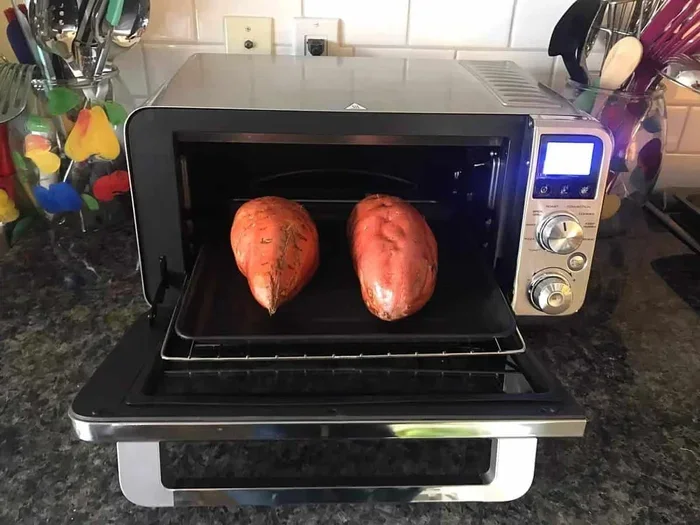
- Place the potato directly on the middle oven rack or on a parchment-lined baking sheet.
- Bake for 45-60 minutes, depending on size.
- Remove and let it rest for 5 minutes. Squeeze the ends gently to open the potato.
- Split open, add your favorite toppings, and serve.
The baking sheet catches any drips and makes cleanup easy. Parchment paper prevents sticking. You can also place the potato directly on the oven rack if you don’t mind a little mess. The hot air circulates all around, so you don’t need to turn it halfway through.
The Foil Method for Softer Skin
If you prefer soft, almost steamed skin, use aluminum foil:
- Prep the potato as before, but skip the oil.
- Wrap it tightly in a piece of foil.
- Place the wrapped potato on a baking sheet.
- Bake at 400°F for 50-70 minutes.
- Let it rest for a minute, then unwrap carefully (steam is hot).
The foil traps moisture, so the skin becomes tender and silky. The inside is still fluffy. This method works well if you’re baking multiple potatoes and want to keep them warm. The downside is you lose some of the crispy, roasted flavor. Choose the method that suits your taste.
Using a Baking Stone or Rack
For even better results, place a baking stone on the lower rack of your convection oven. The stone absorbs moisture and radiates heat upward. This helps the bottom of the potato crisp up too. You can also use a wire cooling rack placed over a baking sheet. Air flows underneath the potato, promoting even caramelization on all sides.
Reheating Leftover Baked Potatoes
Leftover baked sweet potatoes reheat beautifully in a convection oven. Set the temperature to 350°F and heat for 10-15 minutes. This restores the crispy skin and warms the fluffy interior evenly. Avoid microwaving if you want to keep that nice texture. The microwave tends to make the skin rubbery and the interior soggy.
Flavor Variations and Toppings
Savory Seasonings
A plain baked sweet potato is delicious on its own, but toppings take it to the next level. Try these savory ideas:
- Classic butter and herbs: Add a pat of butter, a sprinkle of rosemary, and a pinch of garlic powder.
- Mediterranean style: Top with crumbled feta, Kalamata olives, and a drizzle of olive oil.
- Tex-Mex: Add black beans, salsa, avocado, and a squeeze of lime.
- Buffalo wing: Drizzle with hot sauce and a sprinkle of blue cheese crumbles.
- Italian-inspired: Use marinara, mozzarella, and fresh basil leaves.
You can also mix the fluffy flesh with spices. Cinnamon and nutmeg work great for a sweet side. Smoked paprika and cumin give a savory, smoky kick. The convection oven already brings out the natural sweetness, so you don’t need much extra.
Sweet Toppings
For a dessert-like treat, sweeten your baked potato:
- Maple butter: Mix maple syrup with softened butter and a dash of cinnamon.
- Brown sugar and marshmallows: A classic campfire-style finish that works in the oven too.
- Coconut cream and berries: A lighter, tropical option full of antioxidants.
- Honey and pecans: Drizzle raw honey over the flesh and top with chopped toasted pecans.
- Nutella and banana: A decadent treat that kids love.
These toppings pair beautifully with the deep, caramelized flavor that convection baking creates. The potato’s natural sugars caramelize further when you add a touch of maple or honey at the end. It’s a healthy dessert that feels indulgent.
Turning Leftovers into New Meals
Don’t let leftover baked sweet potatoes go to waste. They can become an entirely new meal. Mash the flesh with a little butter and cream for a simple side. Mix them into a black bean chili for added sweetness and nutrition. You can also slice them into sweet potato fries and re-crisp them in the convection oven at 400°F for 10 minutes.
Stuffed sweet potatoes are another great option. Split the potato, fluff the flesh, and mix in cooked chicken, cheese, and spices. Return the stuffed potato to the oven for 10 minutes until the cheese melts. This makes a complete, healthy dinner with minimal effort.
Common Mistakes and How to Avoid Them
Overcrowding the Pan
One of the biggest mistakes is baking too many sweet potatoes at once. If you crowd the baking sheet, the air can’t circulate properly. The result is uneven cooking and soggy skin. Leave at least an inch of space between each potato. If you need to bake a large batch, use two baking sheets and rotate them halfway through.
The convection fan helps, but it can’t work magic if the potatoes are stacked or touching. Give them room to breathe. You’ll get better caramelization and a more even roasted sweet potato texture.
Skipping the Fork Test
Never assume the potato is done just by looking at the time. Ovens vary, and potato size matters. Always use a fork or a thin knife to test the thickest part. If it goes in smoothly, the sweet potato is ready. If you feel resistance, give it another 10-15 minutes.
Another mistake is cutting the potato open too early. Let it rest for a few minutes after removing it from the oven. The inside will finish steaming and become even fluffier. Cutting too soon releases steam that should stay inside to cook the flesh fully.
Using the Wrong Temperature
Baking at too low a temperature will give you a hard, undercooked center. Too high a temperature can burn the outside before the inside is done. Stick to 400°F for the best balance. If you’re using a smaller sweet potato, you can drop to 375°F to prevent the skin from scorching before the inside is tender.
Ignoring the Skin
Many people peel the skin off before or after baking. The skin is edible and packed with nutrients. It contains a good amount of dietary fiber and vitamin A. Leaving the skin on also helps the potato hold its shape during baking. Just make sure to wash it thoroughly and scrub off any dirt. The crispy skin is one of the best parts of a convection-baked sweet potato.
Expert Insights
Chef’s Tip for Maximum Flavor
Professional chefs often rub a thin layer of butter and a sprinkle of brown sugar on the skin before baking. This creates a sweet, caramelized crust that contrasts beautifully with the fluffy interior. For a savory twist, try mixing olive oil with minced garlic and rosemary, then brushing it onto the skin. The convection oven will crisp this mixture into a flavorful crust.
Nutrition Benefits of Baked Sweet Potatoes
A baked sweet potato is a nutritional powerhouse. It’s rich in vitamin A, which supports eye health and immunity. It also provides a good amount of dietary fiber, which aids digestion. Baking in a convection oven preserves these nutrients better than boiling. The dry heat keeps the vitamins intact while creating a delicious, caramelized exterior.
Meal Prep with Convection-Baked Sweet Potatoes
Meal prep is easy with a convection oven. Bake a batch of sweet potatoes on Sunday and store them in the fridge for up to five days. Reheat them in the convection oven at 350°F for 10-15 minutes. They taste almost as fresh as when first baked. You can also freeze baked sweet potatoes for up to three months. Wrap them tightly in foil and reheat directly from frozen.
These convection-baked sweet potatoes make a great base for quick lunches. Slice them open, add some leftover protein, and you have a balanced meal in seconds. They’re also perfect for healthy meal prep containers. The natural sweetness makes them a hit with kids and adults alike.
Conclusion
Baking a sweet potato in a convection oven is one of the simplest and most rewarding things you can do in the kitchen. The hot air circulates evenly, giving you crispy skin and a fluffy, sweet interior in less time than a conventional oven. With the right temperature, a little prep, and your favorite toppings, you have a healthy, delicious meal ready in under an hour.
Remember to choose firm, medium-sized potatoes, poke holes in the skin, and use the convection setting at 400°F. Whether you go for the crispy unwrapped method or the soft foil method, the results are always satisfying. Try the savory and sweet topping ideas to keep this simple side dish exciting all week long.
Now that you know how to bake a sweet potato in a convection oven like a pro, you’ll never go back to microwaving or boiling. Your oven will do the work, and you’ll enjoy a nutrient-packed, flavorful treat every time. Give it a try tonight, and taste the difference that convection baking makes.
Frequently Asked Questions
Can I bake sweet potatoes in a convection oven without poking holes?
Yes, you can, but it’s not recommended. Poking holes allows steam to escape during baking. Without them, the potato may burst in the oven, creating a mess and uneven cooking. A few fork pricks on each side are enough to keep things safe and ensure even convection baking.
How long does it take to bake a sweet potato in a convection oven at 400°F?
For a medium-sized sweet potato, expect 45 to 60 minutes at 400°F. Smaller potatoes may be done in 35-45 minutes, while larger ones can take up to 80 minutes. The convection fan circulates heat efficiently, so the cooking time is often shorter than in a traditional oven.
Should I wrap the sweet potato in foil when using a convection oven?
It depends on the texture you prefer. Foil traps moisture and gives you soft, steamed skin. For crispy, caramelized skin, skip the foil and place the potato directly on the rack or a parchment-lined baking sheet. Both methods work well in a convection oven.
Can I bake multiple sweet potatoes at once in the convection oven?
Absolutely. Just make sure there’s enough space between each potato for air to flow. Overcrowding blocks the convection fan and leads to uneven cooking. Bake on two baking sheets if needed, and rotate them halfway through for consistent results.
What is the difference between a sweet potato and a yam for baking?
True yams are starchy, dry, and rarely found in US grocery stores. Most “yams” labeled in supermarkets are actually orange-fleshed sweet potatoes. For baking, sweet potatoes are the best choice. They caramelize beautifully in a convection oven and have a naturally sweet, creamy texture when baked.
Can I reheat leftover baked sweet potatoes?
Yes, reheating works well. Place the leftover sweet potato back in the convection oven at 350°F for 10-15 minutes. This restores the crispy skin and reheats the fluffy interior evenly. Avoid microwaving if you want to keep that nice texture.