How To Bake Frozen Fish In The Oven With This Guide
Baking frozen fish in the oven is one of the easiest and most convenient ways to prepare a healthy meal at home. This guide covers everything you need to know, from choosing the right fish to nailing the perfect oven temperature and timing. You will learn simple steps, pro tips, and common mistakes to avoid so your frozen fish recipe turns out delicious every single time.
There is something incredibly satisfying about pulling a perfectly baked piece of fish out of the oven. The aroma fills your kitchen, the fillet flakes easily with a fork, and you know you have made something both delicious and good for you. Now imagine doing all of that starting from a frozen piece of fish straight from your freezer. Sounds too good to be true? It is not.
How to bake frozen fish in the oven is a skill that can change your weeknight dinners forever. Whether you forgot to take the fish out to thaw or you simply prefer the convenience of cooking from frozen, this method works beautifully. The secret lies in knowing the right temperature, timing, and a few simple techniques that keep the fish moist and flavorful.
This guide walks you through every step of the process. You will learn which fish types work best, how to season them, what oven settings to use, and how to avoid the common pitfalls that turn a good fish dinner into a dry, disappointing one. By the end, you will feel confident enough to whip up a frozen fish recipe any night of the week.
Key Takeaways
- You can bake frozen fish directly from frozen without thawing first, saving time and effort.
- The ideal oven temperature for fish is between 400°F and 425°F for crispy, flaky results.
- Patting the fish dry before seasoning helps achieve a better texture and golden crust.
- Using parchment paper or foil keeps the fish moist and makes cleanup a breeze.
- Simple seasonings like lemon, garlic, and herbs elevate the flavor of any frozen fillet.
- Avoid overcooking by checking the internal temperature, which should reach 145°F for safe eating.
- Different fish types bake at different rates, so adjust timing based on thickness and variety.
📑 Table of Contents
- Why Baking Frozen Fish In The Oven Works So Well
- Choosing The Right Frozen Fish For Baking
- How To Prepare Frozen Fish For Baking
- Step By Step Guide To Baking Frozen Fish In The Oven
- Common Mistakes To Avoid When Baking Frozen Fish
- Pro Tips For Perfect Oven Baked Fish Every Time
- Frequently Asked Questions About Baking Frozen Fish
- Conclusion
Why Baking Frozen Fish In The Oven Works So Well
The Convenience Factor
Let us start with the obvious reason. Baking frozen fish in the oven is incredibly convenient. You do not need to plan ahead, wait for the fish to thaw, or worry about it sitting out on the counter too long. Simply take the fish from the freezer, season it, pop it in the oven, and you are cooking dinner.
This method fits perfectly into a busy lifestyle. After a long day at work, the last thing you want to do is wait around for fish to thaw. With the oven baking method, you can go from freezer to table in about 25 to 35 minutes. That is faster than ordering takeout in many cases.
Nutritional Benefits Of Oven Baked Fish
Beyond convenience, baking frozen fish preserves its nutritional value. Fish is already packed with protein, omega-3 fatty acids, and essential vitamins. When you bake it in the oven rather than frying it, you keep those healthy fats intact and avoid adding extra oils or butter.
Oven baked fish is one of the healthiest ways to prepare seafood. The gentle heat of the oven cooks the fish evenly without drying it out as quickly as other methods might. This means you get a tender, flaky result that is both nutritious and satisfying.
Choosing The Right Frozen Fish For Baking
Best Fish Types For Oven Baking
Not all frozen fish is created equal when it comes to baking. Some varieties hold up better in the oven than others. Here are the best options for your next frozen fish recipe:
- Salmon: Rich, flavorful, and forgiving in the oven. Salmon bakes beautifully from frozen and stays moist thanks to its higher fat content.
- Cod: A lean white fish that flakes perfectly when baked. Cod is mild in flavor and takes on seasonings wonderfully.
- Tilapia: Light and quick to cook. Tilapia fillets are affordable and work great for simple baked preparations.
- Halibut: Firm and meaty, halibut holds its shape well during baking and has a slightly sweet flavor.
- Catfish: Another affordable option that bakes well and has a naturally mild taste that pairs with almost any seasoning.
What To Look For When Buying Frozen Fish
When you are shopping for frozen fish fillets, there are a few things to keep in mind. First, check the ingredient list. The best frozen fish should contain just fish and maybe a little salt. Avoid fillets that are breaded or pre-seasoned if you want full control over the flavor.
Second, look at the packaging. Make sure there are no ice crystals inside the bag, which is a sign of repeated thawing and refreezing. The fish should look solid and uniform in color. Finally, consider the thickness of the fillet. Thicker cuts take a bit longer to bake from frozen, but they also stay juicier throughout the cooking process.
How To Prepare Frozen Fish For Baking
Thawing Versus Baking From Frozen
Here is a question that comes up a lot: should you thaw frozen fish before baking? The answer is that you do not have to. Baking frozen fish in the oven directly from the freezer is perfectly safe and actually works very well. The oven heats the fish evenly, and the result is just as delicious as if you had thawed it first.
That said, there are times when thawing makes sense. If you have very thick fillets, thawing them in the refrigerator overnight can help ensure more even cooking. But for most standard-thickness fillets, going straight from freezer to oven is the easiest and most reliable approach.
Seasoning Ideas That Work Every Time
Seasoning is where you can really make a frozen fish recipe your own. The good news is that simple almost always tastes better when it comes to fish. Here are some foolproof combinations:
- Lemon Butter: Melted butter, fresh lemon juice, and a pinch of salt. This classic pairing brings out the natural sweetness of any white fish.
- Garlic Herb: Minced garlic, dried oregano, thyme, and a drizzle of olive oil. This blend works especially well with salmon and cod.
- Spicy Cajun: Paprika, cayenne pepper, garlic powder, onion powder, and a touch of salt. Great for a bold, flavorful kick.
- Asian-Inspired: Soy sauce, sesame oil, ginger, and a sprinkle of sesame seeds. This gives your oven baked fish an entirely different flavor profile.
No matter which seasoning you choose, spread it evenly over the top and sides of the fillet. If you have a bit of extra seasoning, you can also place a few small pats of butter on top of the fish before baking. This adds richness and helps the skin or surface crisp up nicely.
Step By Step Guide To Baking Frozen Fish In The Oven
Setting The Right Oven Temperature
The temperature you use matters a lot when baking frozen fish. Too low, and the fish will steam instead of bake, resulting in a mushy texture. Too high, and the outside will burn before the inside is cooked through.
The sweet spot for most frozen fish is 400°F to 425°F. This range is hot enough to create a nice golden exterior while cooking the fish through evenly. For fillets that are about half an inch thick, 425°F is ideal. Thicker cuts may do better at 400°F to prevent the outside from overcooking before the center is done.
Always preheat your oven before placing the fish inside. A hot oven from the start ensures even cooking and helps the seasoning adhere to the surface of the fish right away.
Timing And Temperature Guide
Cooking time depends on the thickness of the fillet and the type of fish you are using. Here is a general guide for baking frozen fish at 425°F:
- Thin fillets (less than 1/3 inch): 12 to 15 minutes
- Medium fillets (1/3 to 1/2 inch): 15 to 20 minutes
- Thick fillets (over 1/2 inch): 20 to 25 minutes
The fish is done when it reaches an internal temperature of 145°F and flakes easily with a fork. The flesh should be opaque throughout, with no translucent or raw-looking areas in the center.
Using Foil Versus Parchment Paper
Both foil and parchment paper are great options for baking frozen fish, but they serve slightly different purposes. Foil creates a tight seal that traps steam, keeping the fish very moist. It is especially useful for lean fish like tilapia or cod that tend to dry out easily.
Parchment paper, on the other hand, allows a bit of airflow around the fish, which helps the top get slightly crispy. If you like a bit of texture on the surface of your oven baked fish, parchment paper is the way to go. Either option makes cleanup much easier since the fish does not stick to the baking sheet.
Common Mistakes To Avoid When Baking Frozen Fish
Overcooking The Fish
This is the number one mistake people make when baking frozen fish. Because the fish starts from a frozen state, it can be tempting to leave it in the oven longer than necessary to make sure the center is cooked through. But overcooked fish turns dry, tough, and loses its delicate flavor.
The best way to avoid this is to start checking the fish a few minutes before the minimum cooking time. Use a meat thermometer to check the internal temperature. Once it hits 145°F, pull it out immediately. The residual heat will continue to cook the fish slightly as it rests on the pan.
Skipping The Pat Dry Step
Even though frozen fish has ice crystals on the surface, it is worth taking a moment to pat it dry with a paper towel before seasoning. Moisture on the surface creates steam during baking, which prevents the fish from getting crispy and can make the seasoning slide off.
A quick pat dry takes only a few seconds but makes a noticeable difference in the final result. Your fish will brown better, the seasoning will stick, and the texture will be much more appealing.
Not Letting The Fish Rest After Baking
Once your frozen fish recipe comes out of the oven, give it a few minutes to rest before cutting into it. This allows the juices to redistribute throughout the fillet, making every bite moist and flavorful. A two to three minute rest is all it takes.
Pro Tips For Perfect Oven Baked Fish Every Time
Getting A Crispy Skin
If your frozen fish has skin on, you can absolutely get it crispy in the oven. The trick is to place the fish skin side down on a preheated baking sheet or pan. The direct contact with the hot surface helps the skin crisp up while the flesh cooks gently underneath.
Make sure the fish is dry before placing it in the oven. A light brush of oil on the skin side also helps with crisping. And resist the urge to flip the fish too early. Let it bake undisturbed for most of the cooking time, and only flip it in the last few minutes if needed.
Adding Flavor With Butter And Herbs
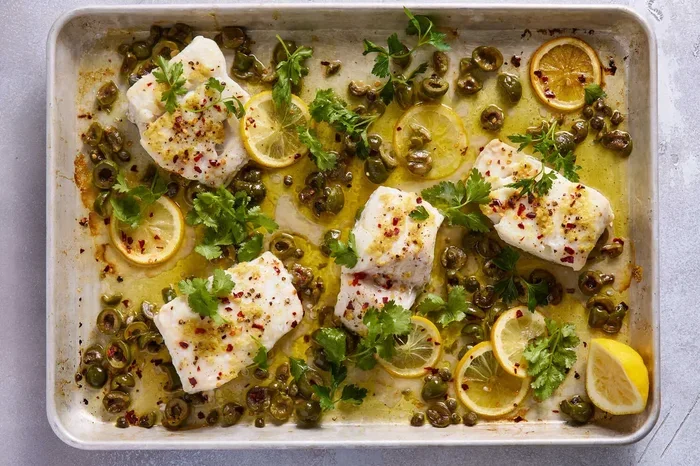
Fresh herbs and a little butter can transform a simple frozen fish fillet into something restaurant-quality. Place a few sprigs of fresh dill, parsley, or thyme on top of the fish along with a small pat of butter before baking.
The heat will melt the butter and release the herb oils, infusing the fish with incredible flavor. This technique works especially well with salmon and halibut, but it is just as delicious with milder fish like tilapia or cod.
Pairing Your Baked Fish With The Right Sides
A great baked fish dinner is about more than just the fish itself. Simple sides complement the delicate flavor without overwhelming it. Try serving your baked frozen fish with roasted vegetables, a side of rice, a fresh salad, or some crusty bread to soak up any remaining juices.
For a complete meal in one pan, you can toss vegetables like asparagus, cherry tomatoes, or zucchini onto the same baking sheet as the fish. They will roast alongside the fish and pick up all those wonderful flavors.
Frequently Asked Questions About Baking Frozen Fish
Can you bake frozen fish without thawing it first?
Absolutely. Baking frozen fish directly from the freezer is safe and works wonderfully. The oven heats the fish evenly, and you get a tender, flaky result without any extra prep time. Just add a few extra minutes to the cooking time compared to thawed fish.
What is the best temperature to bake frozen fish?
Most frozen fish bakes best at 400°F to 425°F. This temperature range cooks the fish through evenly while creating a nice golden exterior. Thinner fillets do well at 425°F, while thicker cuts are better at 400°F to prevent the edges from drying out before the center is done.
How do you know when baked frozen fish is done?
The fish is done when it reaches an internal temperature of 145°F and flakes easily when you press it with a fork. The flesh should be opaque all the way through, with no translucent or shiny areas remaining in the center.
Is it better to bake fish in foil or parchment paper?
It depends on your preference. Foil traps more steam and keeps the fish very moist, which is great for lean fish. Parchment paper allows more airflow, which helps the top of the fish get a bit crispy. Both options are easy to use and make cleanup simple.
Can you season frozen fish before baking?
Yes, and it is actually recommended. Pat the frozen fish dry first with a paper towel, then apply your seasoning. The dry surface helps the seasoning stick better and promotes a nicer texture on the finished fish. Simple seasonings like salt, pepper, lemon, and herbs work best.
How long can you keep frozen fish in the freezer before baking?
Frozen fish stays safe indefinitely, but for the best quality and flavor, it is best to use it within three to six months of freezing. After that, the fish may develop freezer burn or lose some of its fresh taste and texture. Always store fish in airtight packaging to preserve its quality.
Conclusion
Baking frozen fish in the oven is one of the simplest, healthiest, and most convenient ways to prepare a delicious meal at home. With the right temperature, a little seasoning, and a watchful eye on the cooking time, you can turn a frozen fillet into a restaurant-quality dish in under half an hour.
Remember the key points: preheat your oven to 400°F or 425°F, pat the fish dry before seasoning, use parchment paper or foil for easy cleanup, and check for doneness early to avoid overcooking. Whether you are baking salmon, cod, tilapia, or any other variety, these tips will help you get consistent, excellent results every time.
The beauty of this approach is that it removes almost all the guesswork from cooking fish at home. Once you get comfortable with the basic method, you can experiment with different seasonings, fish types, and side dishes to create your own signature frozen fish recipe. Your freezer becomes a treasure trove of quick, healthy, and flavorful meal options.
So the next time you are staring at that bag of frozen fish fillets, do not hesitate. Preheat the oven, season the fish, and let the heat do the work. You will be amazed at how good baking frozen fish in the oven can be.