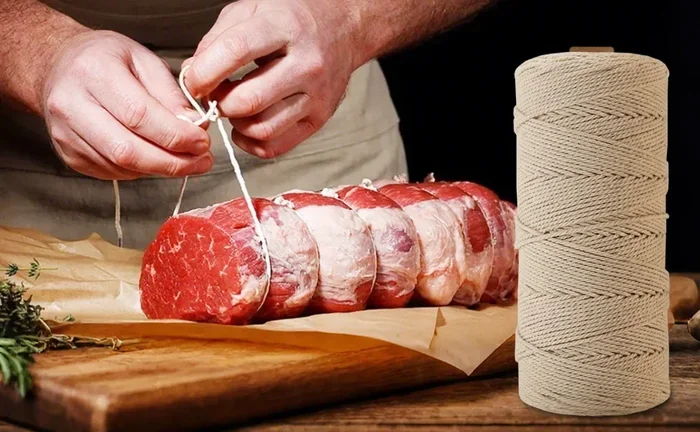
Can You Put Twine In The Oven Everything You Should Know
Yes, you can put twine in the oven, but only if you use the right type. Natural cotton twine is safe for cooking and can handle typical oven temperatures. Synthetic or plastic twine should never go in the oven because it releases harmful chemicals. This guide covers everything you need to know about using twine safely in your oven.
Have you ever been mid-recipe and wondered if the twine sitting on your counter is safe to use in the oven? Maybe you are trussing a chicken for roast dinner or tying up a beautiful beef brisket. The question can you put twine in the oven comes up more often than you might think. It is a simple question, but the answer has some important details you need to know.
Using the wrong type of twine in your oven can be a real safety hazard. Some twine melts, releases toxic fumes, or even catches fire. On the other hand, the right kind of twine makes cooking easier and helps your food cook more evenly. In this article, we will walk you through everything you need to know about using twine in the oven safely. You will learn which types work, which ones to avoid, and practical tips to get the best results every time.
Key Takeaways
- Natural cotton twine is oven-safe: It can withstand temperatures up to 450°F without burning or releasing toxins.
- Synthetic twine is dangerous: Plastic and nylon twine melts at low temperatures and releases harmful fumes.
- Always check the label: Not all twine is created equal. Look for food-grade or oven-safe certifications.
- Use twine for trussing and tying: It helps roasts and poultry cook evenly by holding shapes together.
- Remove twine before serving: Most twine is not meant to be eaten and should be taken off before eating.
- Monitor cooking times: Long baking sessions may weaken twine, so check it periodically.
- Alternatives exist: Kitchen string, dental floss (unwaxed), and skewers can work if twine is unavailable.
📑 Table of Contents
- What Is Kitchen Twine and Why Do Cooks Use It?
- Can You Put Twine in the Oven? The Short Answer
- Why Oven-Safe Twine Matters for Your Cooking
- Common Mistakes People Make With Twine and the Oven
- How to Use Twine in the Oven Safely
- Alternatives to Twine for Oven Cooking
- Expert Insights on Using Twine in the Oven
- Key Takeaways
- Frequently Asked Questions
- Conclusion
What Is Kitchen Twine and Why Do Cooks Use It?
Kitchen twine is a simple cord used in cooking to tie, bind, or secure food items. It is most commonly made from natural fibers like cotton or linen. Cooks use it for a variety of tasks in the kitchen. It is a humble tool, but it plays a big role in many recipes.
When you truss a chicken, for example, you wrap twine around the bird to hold the legs and wings close to the body. This helps the chicken cook evenly. When you roast a pork loin, tying it with twine keeps the meat from unraveling during cooking. Cooking twine also helps stuffed dishes like turkey or roast beef hold their shape.
Types of Kitchen Twine
Not all twine is the same. There are several types available, and each behaves differently when exposed to heat. Here is a quick look at the most common options:
- Cotton twine: The most popular choice for cooking. It is natural, food-safe, and oven-safe up to about 450°F.
- Butcher twine: A thicker cotton cord often used in butchery and heavy roasting. It handles high oven temperatures well.
- Linen twine: Made from flax fibers. It is natural and heat-resistant, similar to cotton.
- Polyester twine: A synthetic option. It is not safe for oven use because it melts and releases toxic chemicals.
- Nylon twine: Another synthetic type. It should never go in the oven under any circumstances.
- Jute twine: Natural but burns easily. It works for decoration but is not ideal for cooking.
When you are shopping for oven-safe twine, always look for labels that say food-grade or heat-resistant. These products are designed to handle the conditions inside a hot oven.
Can You Put Twine in the Oven? The Short Answer
The short answer is yes, but with a big asterisk. Natural cotton twine and linen twine are safe to put in the oven at normal cooking temperatures. Most recipes call for oven temperatures between 300°F and 425°F, and quality cotton twine handles this without any problems. It will not melt, release fumes, or catch fire under these conditions.
However, the real question is not just about whether twine can go in the oven. It is about which twine you are using. Synthetic twine like polyester or nylon will melt at relatively low temperatures. This can ruin your food and create a dangerous situation inside your oven. Melting plastic releases harmful chemicals into the air and onto your food. That is something you absolutely want to avoid.
So before you tie up your next roast, take a moment to check what kind of twine you have. If you are unsure, grab a new roll of food-safe cotton twine from the grocery store. It is inexpensive and widely available. Your safety and your meal are worth it.
What Temperature Can Twine Withstand?
Most natural cotton twine can handle temperatures up to 450°F. This covers the vast majority of oven cooking tasks. Even high-heat roasting at 400°F or 425°F will not damage cotton twine. However, there are a few things to keep in mind:
- Long cooking times may weaken the twine, especially at higher temperatures.
- Direct contact with heating elements can cause burning even if the twine is oven-safe.
- Broiler settings produce intense direct heat that can char twine quickly.
As a general rule, keep your twine away from the top of the oven where the broiler element is located. And if your recipe calls for more than four hours of cooking, consider checking the twine halfway through.
Why Oven-Safe Twine Matters for Your Cooking
Using the right twine is not just about safety. It also affects how your food turns out. Oven-safe twine holds food together tightly during cooking, which leads to better results. Here is why it matters so much.
Even Cooking
When you truss a chicken or tie a roast, you create a uniform shape. This shape allows heat to circulate evenly around the food. Without twine, thinner parts of the meat can overcook while thicker parts stay underdone. Cooking twine solves this problem by keeping everything compact and consistent.
Moisture Retention
Tied meats retain their juices better during roasting. The twine holds the shape of the meat, preventing it from falling apart and losing moisture. This is especially important for cuts like beef brisket, pork loin, and whole poultry. The result is juicier, more flavorful food.
Presentation
Let us be honest. A beautifully trussed roast looks impressive on the table. Whether you are cooking for family or hosting a dinner party, presentation matters. Kitchen string and twine help you achieve that clean, professional look. It is a small detail that makes a big difference.
Common Mistakes People Make With Twine and the Oven
Even experienced cooks sometimes make mistakes when using twine in the oven. Here are the most common ones to avoid:
Using the Wrong Type of Twine
This is the number one mistake. Many people grab any twine they find in the garage or craft room without checking what it is made of. Synthetic twine is not food safe and definitely not oven safe. Always use twine that is specifically labeled as food-grade or cooking twine.
Leaving Twine On Food During Serving
Twine is a cooking tool, not a serving tool. Most twine is not edible and can be unpleasant to bite into. Always remove the twine before slicing and serving your food. For poultry, this is easy to do once the meat has rested for a few minutes.
Tying Twine Too Tight
It might seem logical to tie twine as tight as possible, but this can actually cause problems. Overly tight twine can cut into the meat during cooking, causing juices to escape. Tie it snugly but not so tight that it compresses the meat. You want the twine to hold the shape without restricting the food.
Ignoring the Oven Temperature
Some twine brands have specific temperature limits. Always check the packaging for guidance. If you are using a very high-temperature recipe, make sure your twine can handle it. Heat resistant twine is specifically designed for these situations.
How to Use Twine in the Oven Safely
Now that you know which twine to use and why it matters, let us talk about how to actually use it in the oven. Following proper techniques ensures both safety and great cooking results.
Step-by-Step Guide to Trussing with Twine
Trussing is the most common reason people use twine in the oven. Here is how to do it properly:
- Place your food on a flat surface, like a cutting board.
- Cut a length of cotton cooking twine about three times the length of the food.
- Slide the twine under the food, positioning it at the narrowest point.
- Cross the two ends of the twine over each other and pull tight.
- Continue wrapping and crossing the twine along the length of the food.
- Tie a secure knot at the end and trim any excess.
This method works well for whole chickens, turkeys, and roasts of all kinds. The key is to pull the twine tight enough to hold the shape but not so tight that it cuts into the meat.
Tips for Best Results
- Soak cotton twine in water for a few minutes before using it. This helps prevent it from burning in a very hot oven.
- Use a new piece of twine for each cooking session. Reusing old twine can introduce bacteria or weak spots.
- Keep twine away from direct flames or heating elements inside the oven.
- Label your twine if you use it for non-food purposes like crafts. Do not mix food-grade twine with craft twine.
- Store twine in a cool, dry place to keep it in good condition until its next use.
Alternatives to Twine for Oven Cooking
If you do not have twine on hand or prefer not to use it, there are several alternatives. Some work well for oven cooking, while others are better suited for different tasks.
Kitchen String
Kitchen string is essentially the same thing as cooking twine. It is made from cotton or other natural fibers and is safe for oven use. If a recipe calls for twine, kitchen string is a perfect substitute.
Unwaxed Dental Floss
This might sound surprising, but unwaxed dental floss works as a binding tool in the kitchen. It is thin, strong, and heat-resistant enough for oven use. Just make sure it is unwaxed, as waxed floss can melt and leave residue on your food.
Metal Skewers and Toothpicks
For smaller items, metal skewers or sturdy toothpicks can hold food together. They are especially useful for kebabs or stuffed vegetables. Unlike twine, they stay in the food during serving, so there is no need to remove them.
Food-Safe Silicone Bands
Silicone oven bands are a reusable alternative to twine. They are heat-resistant up to very high temperatures and can be washed and used again. They work well for trussing and tying food for oven cooking.
| Option | Oven Safe | Food Safe | Best For |
|---|---|---|---|
| Cotton Twine | Yes, up to 450°F | Yes | Trussing, tying roasts, poultry |
| Kitchen String | Yes, up to 450°F | Yes | Same as cotton twine |
| Unwaxed Dental Floss | Yes | Yes | Binding small items, light tasks |
| Metal Skewers | Yes | Yes | Kebabs, stuffed vegetables |
| Silicone Bands | Yes, up to 500°F | Yes | Trussing, reusable option |
| Polyester Twine | No | No | Crafts only |
| Nylon Twine | No | No | Crafts only |
Expert Insights on Using Twine in the Oven
Professional chefs and food safety experts agree on a few key points about using twine in the oven. Chef Maria Torres, a culinary instructor with over 15 years of experience, always recommends cotton twine for oven cooking. She says, “The most important thing is to check what your twine is made of. If you cannot tell, do not put it in the oven. The risk is simply not worth it.”
Food safety experts also emphasize the importance of using only food-grade twine. Non-food-grade twine may be treated with chemicals or dyes that are not safe for contact with food. Even if the twine does not touch your food directly, it can still transfer residues during high-heat cooking. Always err on the side of caution and choose products specifically designed for kitchen use.
Quick Tips for Safe Twine Use
- Always read the label before buying twine for cooking.
- Buy from reputable kitchen supply stores or brands known for food safety.
- Do not leave twine unattended in a hot oven.
- If twine starts to smoke or char, remove the food immediately and check for damage.
- When in doubt, use an alternative like silicone bands or kitchen string.
Key Takeaways
- Natural cotton twine is oven-safe: It can handle temperatures up to 450°F and is the best choice for cooking.
- Synthetic twine is a hazard: Polyester and nylon twine melt, release toxic fumes, and should never go in the oven.
- Always check labels: Look for food-grade and oven-safe certifications before purchasing.
- Trussing improves cooking: Twine helps meats cook evenly, retain moisture, and look beautiful on the plate.
- Remove twine before serving: It is not edible and should be taken off before eating.
- Alternatives exist: Kitchen string, unwaxed dental floss, metal skewers, and silicone bands all work as substitutes.
- Monitor long cooks: Check your twine during extended cooking sessions to ensure it holds up.
Frequently Asked Questions
Can you put any type of twine in the oven?
No, not all twine is safe for oven use. Only natural fibers like cotton twine and linen twine are safe. Synthetic twine made from polyester or nylon will melt and release harmful chemicals. Always check the label to confirm your twine is food-grade and oven-safe before using it in the oven.
What happens if you put the wrong twine in the oven?
The wrong twine can melt onto your food, release toxic fumes, or even catch fire. Synthetic materials like polyester break down at relatively low temperatures, creating a mess inside your oven and potentially a safety hazard. If this happens, turn off the oven, ventilate your kitchen, and discard any food that came into contact with the melted twine.
Is butcher twine the same as cooking twine?
Butcher twine is a type of cotton twine that is thicker and stronger than standard cooking twine. It is oven-safe and food-grade, making it an excellent choice for roasting and trussing. Many butchers and home cooks prefer it for heavy-duty tasks like tying large roasts or brisket.
Can you leave twine on food when serving?
No, you should always remove twine before serving. Twine is not edible and can be unpleasant or even a choking hazard if consumed. For poultry and roasts, the twine is easy to remove once the meat has rested for a few minutes after cooking. Simply cut the knots and pull the twine away.
How long can twine stay in the oven?
Twine can stay in the oven for the entire cooking duration of most recipes. However, for very long cooks exceeding four hours, it is a good idea to check the twine periodically. Natural cotton twine is durable, but extended exposure to high heat can weaken it over time. If the twine looks frayed or damaged, replace it with a fresh piece.
Can you reuse twine after cooking?
It is not recommended to reuse twine after cooking. Used twine may harbor bacteria from raw meat or other food items, and it can also become weakened during the cooking process. Always use fresh twine for each cooking session to ensure both safety and the best results.
Conclusion
The answer to can you put twine in the oven is a clear yes, as long as you use the right type. Natural cotton twine and linen twine are safe, effective, and widely used in kitchens around the world. They help you truss poultry, tie roasts, and create beautiful, evenly cooked meals every time.
On the other hand, synthetic twine like polyester and nylon is a definite no-go. It melts, releases harmful chemicals, and can create dangerous situations in your oven. The key is to always check what kind of twine you are using and to look for food-grade, oven-safe labels when shopping.
Whether you are a beginner cook or a seasoned home chef, understanding how to use kitchen twine safely is a valuable skill. It takes minutes to learn and can make a real difference in your cooking results. So the next time you are preparing a roast or trussing a chicken, reach for the right twine with confidence. Your food will taste better, look better, and most importantly, be safe to enjoy.
Now that you know everything about putting twine in the oven, you are ready to cook with confidence. Grab your cotton twine, tie up your next masterpiece, and enjoy the delicious results. Happy cooking!