How Do U Preheat An Oven For Perfect Baking Results
Knowing how do u preheat an oven is the first step to flawless baking. This guide covers everything from basic steps to pro-level tips for all oven types. You will learn the right timing, common mistakes to avoid, and how to get perfect baking results every single time.
Baking is both an art and a science. And like any science, it depends on getting the basics right. One of the most important basics is preheating your oven. Yet so many people skip this step or rush through it. The result? Uneven bakes, soggy bottoms, and frustrated bakers.
So how do u preheat an oven the right way? It sounds simple, but there is more to it than just turning a dial. In this guide, we walk you through every step, every timing detail, and every mistake to avoid. Whether you are using a conventional oven or a convection oven, you will find everything you need here.
By the end of this article, you will know exactly how long to preheat, how to check if your oven is ready, and how to get perfect baking results every time. Let us dive in.
Key Takeaways
- Preheat every time: Skipping this step ruins texture and bake quality.
- Allow 10-20 minutes: Most ovens need 10 to 20 minutes to reach target temperature.
- Use an oven thermometer: Built-in dials can be inaccurate by up to 25 degrees.
- Know your oven type: Convection and conventional ovens preheat differently.
- Place racks correctly: Rack position affects heat distribution and baking results.
- Avoid opening the door early: It causes temperature drops and uneven cooking.
- Calibrate regularly: A well-calibrated oven gives consistent baking results.
📑 Table of Contents
What Is Preheating and Why Does It Matter?
Preheating means heating your oven to the desired baking temperature before you put food inside. Think of it as warming up before a workout. Your oven needs time to build up thermal energy so the air inside is evenly hot.
Why You Should Never Skip This Step
When you place cold food into a cold oven, it starts cooking slowly. This leads to several problems:
- Uneven cooking: The outside burns while the inside stays raw.
- Poor rise: Cakes and bread need a burst of heat to rise properly.
- Soggy textures: Moisture gets trapped instead of evaporating at the right time.
- Longer cook times: Food takes much longer to reach the target temperature.
On the other hand, a properly preheated oven surrounds your food with consistent heat from the very first second. This gives you better baking results and more predictable outcomes every time you use your kitchen appliance.
The Science Behind Preheating
Your oven works by converting electrical or gas energy into heat. That heat spreads through the oven cavity via radiation and convection. When you preheat, you give the walls, the racks, and the air inside time to absorb and distribute that energy evenly. Without this warm-up phase, your oven temperature starts low and climbs slowly, which throws off your entire recipe.
How to Preheat Your Oven Step by Step
Now that you understand why preheating matters, let us walk through the actual process. These steps work for almost every type of oven, from a basic toaster oven to a full-size range.
Step 1: Clear the Oven
Before you do anything, make sure the oven interior is clean and free of leftover food debris. Crumbs or spills can smoke when you heat up, and they may even affect your baking results. A quick wipe-down before preheating keeps things fresh.
Step 2: Set the Temperature
Find the temperature dial or digital controls on your oven. Set it to the baking temperature your recipe calls for. Most baking recipes use temperatures between 325°F and 450°F. If your recipe says 375°F, set it to exactly that.
Quick Tip: If you are unsure whether your oven runs hot or cold, invest in a simple oven thermometer. Place it inside and check the reading against the dial. This small tool changes everything for temperature accuracy.
Step 3: Choose the Right Mode
Most ovens offer several modes. For standard baking, use the conventional or bake mode. This heats both the top and bottom elements. If your recipe calls for broiling or toasting, switch to that mode instead. But for preheating an oven for cakes, cookies, and bread, always use the standard bake setting.
Step 4: Close the Door and Wait
Once you have set the temperature and mode, close the oven door firmly. Now comes the waiting part. Most ovens need about 10 to 20 minutes to reach the target temperature. Some newer models beep or show a light when they are ready.
Quick Tip: Do not open the door to check on progress. Every time you open the door, heat escapes and the preheating time increases. Trust the process and wait.
Step 5: Place Your Food Inside Quickly
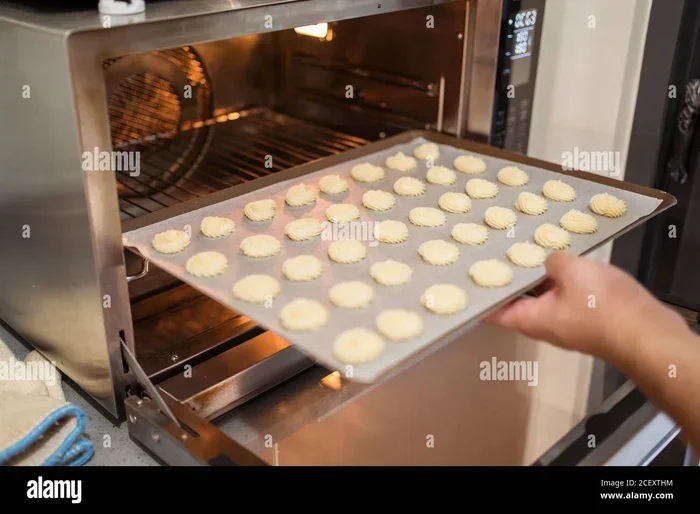
When the oven signals it is ready, place your oven-safe dish or baking pan inside as fast as you can. The longer the door stays open, the more heat escapes. Work quickly but carefully, and close the door right away.
How Long Does It Take to Preheat an Oven?
Timing is one of the most common questions people ask. How do u preheat an oven and know when it is ready? The answer depends on a few factors.
Standard Preheating Times
Here is a general guide for most home ovens:
- 350°F to 375°F: About 10 to 15 minutes.
- 400°F to 425°F: About 15 to 20 minutes.
- 450°F and above: About 20 to 25 minutes.
- Lower temps (250°F to 300°F): About 8 to 12 minutes.
These are average times. Your actual preheating time may vary based on your oven model, age, and how full the oven is.
Factors That Affect Preheating Speed
Several things influence how fast your oven reaches the target baking temperature:
- Oven age: Older ovens may take longer due to worn heating elements.
- Oven type: Convection ovens with fans often preheat faster than conventional ovens.
- Starting temperature: A cold oven from a cool kitchen takes longer than one that was recently used.
- Rack placement: More racks inside slow down heat circulation.
- Altitude: High-altitude kitchens may experience slightly different heating behavior.
If you want the most accurate timing, get an oven thermometer and time how long it takes your specific oven to reach 350°F. Once you know your oven’s rhythm, you will never second-guess yourself again.
Preheating for Different Types of Ovens
Not all ovens work the same way. Understanding your specific model helps you preheat an oven more effectively.
Conventional Ovens
A conventional oven uses heating elements at the top and bottom. Heat rises naturally through the cavity, which means the top gets hotter than the bottom. When preheating a conventional oven:
- Place your rack in the center position for even heat distribution.
- Allow the full 15 minutes for the oven to stabilize.
- Use the bake setting, not the broil setting.
Convection Ovens
A convection oven has a fan that circulates hot air throughout the cavity. This fan-driven airflow creates a more even temperature across all levels. Benefits include:
- Faster preheating: The fan moves hot air quickly, reducing wait time.
- More even baking: No hot spots or cold zones.
- Lower temperature option: You can often reduce the recipe temperature by 25°F because the circulating air transfers heat more efficiently.
Quick Tip: When using a convection oven, still allow at least 10 minutes for preheating. The fan helps, but the oven still needs time to absorb heat into its walls.
Toaster Ovens
Toaster ovens are smaller and heat up much faster than full-size ovens. They are perfect for small batches of cookies, toast, or reheating pizza. For a toaster oven:
- Preheat time is usually 3 to 7 minutes.
- Use the bake setting for oven-safe dishes.
- Keep a close eye on food since the smaller cavity heats up fast and can burn items quickly.
Steam Ovens and Combination Ovens
Steam ovens and combo models add moisture during the heating process. They are great for bread and roasted vegetables. When preheating these models, follow the manufacturer’s instructions closely. Some require a water reservoir to be filled before the preheating cycle begins.
Common Preheating Mistakes and How to Avoid Them
Even experienced bakers make preheating errors. Here are the most common ones and how to fix them.
Mistake 1: Putting Food in Too Early
This is the number one mistake people make. The oven looks warm on the outside, but the inside has not reached the right baking temperature yet. Always wait for the oven to signal it is ready or use a thermometer to confirm.
Mistake 2: Opening the Door Repeatedly
Every time you open the oven door, you release a burst of heat. The oven then has to work harder and longer to recover the target temperature. Keep the door closed during preheating and only open it when you are ready to load your food.
Mistake 3: Ignoring the Oven Rack Position
Where you place the rack matters more than most people realize. For most baking recipes, the center rack provides the best heat distribution. Placing a dish too close to the top element can cause the top to burn, while placing it too low can leave the bottom undercooked.
Mistake 4: Overcrowding the Oven
Trying to bake multiple trays at once blocks airflow and slows down heat distribution. If you need to bake in batches, preheat the oven fully before each batch goes in.
Mistake 5: Forgetting to Calibrate
Over time, oven dials can drift out of alignment. Your oven might say it is at 375°F but actually be at 350°F or 400°F. This is why an oven thermometer is such a valuable tool. Check the calibration once a month to ensure your baking results stay consistent.
Pro Tips for Perfect Preheating Every Time
Ready to level up your preheating game? These expert tips will help you get the best possible baking results from your kitchen appliance.
Invest in an Oven Thermometer
This is the single best upgrade any baker can make. A simple oven thermometer costs just a few dollars and takes the guesswork out of oven preheating. Hang it on a rack, set your desired baking temperature, and watch the real reading. You will be amazed at how often ovens run off by 15 to 25 degrees.
Prepare Your Pan While You Wait
Use the preheating time wisely. While the oven is warming up, prepare your baking pan, mix your batter, or chop your ingredients. This way, the moment the oven reaches temperature, you are ready to go. No wasted time and no dropped thermal energy.
Preheat for Pizza and Bread
If you are baking pizza or artisan bread, you need a hotter oven. Preheat to 475°F or higher and allow extra time — up to 30 minutes. Some bakers even place a pizza stone or Dutch oven inside during preheating. This absorbs heat and delivers an incredibly crispy crust.
Know When to Skip Preheating
Not every cooking task requires preheating. Slow roasts, casseroles, and some braises can go into a cold oven. But for anything involving baking — cakes, cookies, muffins, bread, and pastries — always preheat. The rule of thumb is simple: if the recipe says to preheat, do it.
Keep Your Oven Clean for Better Performance
Grease and food residue on the oven walls absorb and re-radiate heat unevenly. A clean oven heats more efficiently and maintains a stable oven temperature. Make it a habit to wipe down the interior after every use. This small habit pays off in better baking results over time.
Use the Right Bakeware
The material of your baking pan affects how food responds to heat. Dark pans absorb more heat and can cause over-browning. Light-colored aluminum pans reflect heat and promote even heat distribution. Glass and ceramic take longer to heat up, so adjust your preheating time accordingly when using these materials.
Understand Your Oven’s Hot Spots
Every oven has hot spots — areas that run hotter than others. To identify them, place a piece of white bread on a baking sheet and toast it at 350°F for a few minutes. The spots that brown faster are your oven’s hot zones. Once you know them, you can rotate your oven-safe dish halfway through baking for even baking results.
How Do U Preheat An Oven? — The Bottom Line
The answer to how do u preheat an oven comes down to a simple process. Set the right baking temperature, choose the correct mode, close the door, and wait. But the details matter. Timing, rack position, oven type, and temperature accuracy all play a role in getting the best possible baking results.
Take a few minutes to learn your specific oven. Notice how long it takes to preheat, where the hot spots are, and whether the dial matches reality. With a little practice and an oven thermometer, you will preheat like a pro. And once your preheating routine is dialed in, your cakes will rise better, your cookies will bake evenly, and your bread will have that perfect golden crust.
Start applying these tips today. Your next bake will thank you. Preheating right is the easiest and most powerful way to upgrade your home baking.
Frequently Asked Questions
How long should you preheat an oven for baking?
Most ovens need 10 to 20 minutes to preheat to typical baking temperatures like 350°F or 375°F. Larger ovens and older models may take a bit longer. Using an oven thermometer helps you confirm when the right baking temperature is reached.
Can you put food in the oven while it is preheating?
It is best to wait until the oven reaches the target temperature before adding food. Putting food in too early leads to uneven cooking and poor baking results. The only exception is some slow-cook recipes that start in a cold oven.
What is the difference between preheating a convection oven and a conventional oven?
A convection oven uses a fan to circulate hot air, so it preheats faster and more evenly. A conventional oven relies on natural heat rise from top and bottom elements. Both need 10 to 20 minutes, but the convection model usually reaches temperature a few minutes sooner.
Do you need to preheat a toaster oven?
Yes, preheating a toaster oven gives better results, especially for cookies and small pastries. Toaster ovens heat up faster, usually in 3 to 7 minutes. The shorter preheating time makes them convenient for quick baking tasks.
How do you know if your oven is preheated correctly?
The best way is to use an oven thermometer. Many modern ovens beep or show a light when ready, but these signals are not always accurate. An independent thermometer gives you temperature accuracy and peace of mind.
Why does my oven take so long to preheat?
Several factors can cause slow preheating, including an older heating element, overcrowded racks, or a damaged door seal. If your oven consistently takes longer than 20 minutes to reach 350°F, check the heating element and consider a calibration check for better baking results.
=== CONCLUSION ===
How do u preheat an oven for the best results? Now you know the full answer. Start by setting the right baking temperature, choosing the correct mode, and giving your oven enough time to stabilize. Avoid common mistakes like putting food in too early or opening the door too often.
Use an oven thermometer to verify accuracy, and learn the quirks of your specific model. Whether you have a conventional oven, a convection oven, or a compact toaster oven, proper preheating makes a real difference.
Great baking results start before you even mix your ingredients. They start with a well-preheated oven. Make preheating a non-negotiable part of your routine, and watch your baking improve dramatically. Happy baking!