How Much Coffee To Make 6 Cups For A Perfect Morning
Making the perfect 6 cups of coffee starts with getting the coffee ratio right. You need about 10 to 12 tablespoons of ground coffee for six standard 6-ounce cups. This guide covers exact measurements, brewing methods, and simple tips to make every morning cup taste amazing.
There is nothing quite like starting your day with a fresh pot of coffee. Whether you are brewing for yourself or for the whole family, knowing how much coffee to make 6 cups makes all the difference. The right ratio ensures every cup tastes balanced, rich, and satisfying.
Many people guess at measurements and end up with coffee that is too weak or too strong. This guide removes all the guesswork. You will learn the exact amounts, the best brewing tips, and simple tricks to elevate your morning coffee routine. By the end, you will feel confident brewing six perfect cups every single time.
The beauty of mastering this skill is that once you know the basics, you can apply them to any situation. Whether you use a drip coffee maker, a French press, or a pour-over setup, the principles stay the same. Let us dive into everything you need to know about brewing coffee for six people.
Key Takeaways
- Use 10 to 12 tablespoons of ground coffee for six standard cups to get the perfect balance.
- The golden ratio is 1 to 2 tablespoons per 6-ounce cup, but you can adjust based on your taste.
- Water temperature should be between 195°F and 205°F for the best extraction.
- Freshly ground beans make a noticeable difference in flavor and aroma.
- Different brewing methods require slight ratio adjustments to get the best results.
- Avoid common mistakes like using boiling water or stale grounds that ruin your brew.
📑 Table of Contents
How Much Coffee To Make 6 Cups: Understanding Coffee Measurements
Before you start grinding beans, it helps to understand what “6 cups” actually means. This is one of the most overlooked details in coffee brewing, and it can completely change your results.
What Does “6 Cups” Actually Mean
Here is something that surprises many people. A standard coffee cup in most machines is 6 ounces. But a typical mug holds 8 to 12 ounces. So when your coffee maker says “6 cups,” it means 36 ounces of water, not 36 ounces in your favorite mug.
This matters because your coffee-to-water ratio depends on the actual volume. If you are using a standard 12-cup coffee maker and it is set to 6 cups, you are working with 36 ounces of water. Knowing this helps you measure the right amount of ground coffee every time.
For 6 standard cups, you want to use about 10 to 12 tablespoons of coffee. This gives you a balanced coffee strength that most people enjoy. If you prefer a stronger brew, lean toward 12 tablespoons. If you like it milder, start with 10.
Standard Coffee Cup Size vs Mug Size
Understanding cup sizes is one of the best coffee brewing tips you can follow. A standard measuring cup for coffee is 6 ounces. A typical drinking mug is much larger.
- Standard coffee cup: 6 ounces
- Small mug: 8 ounces
- Medium mug: 10 ounces
- Large mug: 12 ounces
If your family drinks from large mugs, you may want to brew a little extra. Six standard cups might not fill everyone’s mug. Adjusting your serving size based on your household’s habits makes a big difference in satisfaction.
The Perfect Coffee-To-Water Ratio
The coffee ratio is the foundation of great brewing. Get this right, and everything else falls into place. Get it wrong, and even expensive coffee beans will taste disappointing.
The Golden Ratio For Brewing
The widely accepted golden ratio for brewing coffee is 1 to 2 tablespoons of ground coffee per 6 ounces of water. This is backed by the Specialty Coffee Association and works beautifully for most people.
For six cups, here is what that looks like in practice:
- Mild brew: 10 tablespoons of coffee with 36 ounces of water
- Medium brew: 11 tablespoons of coffee with 36 ounces of water
- Strong brew: 12 tablespoons of coffee with 36 ounces of water
Using a coffee scoop makes this process much easier. Most scoops hold about 2 tablespoons, so you would need 5 to 6 scoops for six cups. This simple measurement system takes the guesswork out of every morning.
Adjusting Strength To Your Taste
Not everyone likes their coffee the same way. Some people prefer a light, delicate flavor. Others want something bold and intense. The beauty of making coffee at home is that you control the coffee strength.
Start with the medium ratio and adjust from there. If the first cup tastes too weak, add another half tablespoon of ground coffee next time. If it tastes too strong, use a little less. Over a few days, you will find your sweet spot.
Remember that the type of bean also matters. Dark roast beans tend to produce a bolder flavor, so you might need less of them. Light roast beans are milder, so you might want to use a bit more. This is an important part of understanding your coffee flavor profile.
How Many Tablespoons Of Coffee Per Cup
This is one of the most common questions people ask. The answer depends on a few factors, but the general rule is simple and easy to remember.
Using Tablespoons For Measuring
Using tablespoons is the most accessible way to measure coffee grounds. You do not need any special equipment. Just a standard kitchen tablespoon and you are good to go.
For each 6-ounce cup, use 1.5 to 2 tablespoons of coffee. For six cups, that is 9 to 12 tablespoons total. I recommend starting with 10.5 tablespoons as your baseline and adjusting from there based on your preference.
One thing to watch out for: the grind size affects how much coffee you should use. A finer grind extracts more flavor, so you might need slightly less. A coarser grind extracts less, so you might need slightly more. This is a key part of any good coffee-to-water ratio strategy.
Using A Coffee Scoop Instead
If you want a more consistent measurement, a coffee scoop is your best friend. Most coffee scoops are designed to hold exactly 2 tablespoons, which is the standard measurement for one cup of coffee.
For six cups, you would need 5 to 6 level scoops. This method is more precise than using tablespoons alone because the scoop is designed specifically for this purpose. Many coffee makers come with a scoop included, so check yours before buying one separately.
Using a scoop also helps you avoid the common mistake of packing the coffee too tightly. A level scoop gives you consistent results every time. This is one of those simple coffee brewing tips that makes a noticeable difference in your morning cup.
Different Brewing Methods And Their Ratios
Not all brewing coffee methods are created equal. Each one extracts flavor differently, and some require slight adjustments to your ratio. Here is how the main methods compare for making six cups.
Drip Coffee Maker
The drip coffee maker is the most common way people brew at home. It is convenient, consistent, and easy to use. For six cups in a drip machine, stick with the standard ratio of 10 to 12 tablespoons of ground coffee.
Make sure you are using a clean coffee filter and fresh water. The filter prevents oils and fine particles from getting into your cup, which keeps the flavor clean and smooth. If you do not have a filter, you can learn alternative methods like making coffee without a filter or machine for those times when you are in a pinch.
One advantage of the drip method is consistency. Once you find your perfect ratio, you can replicate it every single morning without much effort. This is why so many people rely on their coffee maker for daily brewing.
Pour Over And French Press
Pour-over and French press methods give you more control over the brewing process. They often produce a richer, more full-bodied cup compared to drip machines.
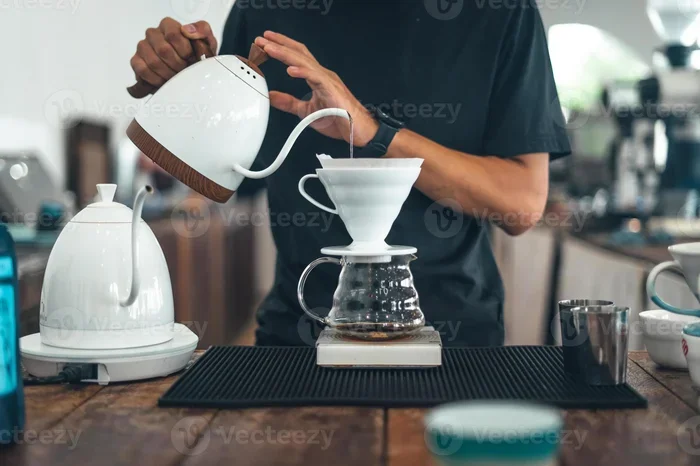
For a pour-over setup, use the same 10 to 12 tablespoons for six cups. The key difference is the brew time and water distribution. Pour the water slowly and evenly over the grounds for the best coffee flavor.
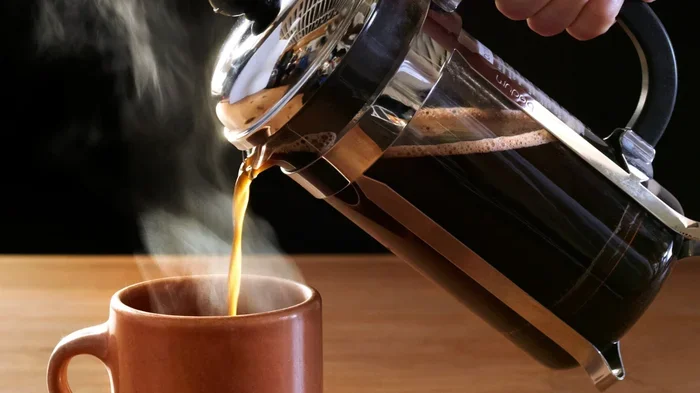
For a French press, you might want to use slightly more coffee, around 12 tablespoons. The immersion brewing method extracts differently, and a bit more coffee helps achieve the right balance. The steeping time of about 4 minutes is also important to get the best results.
If you are also preparing breakfast items like a hearty brunch, you might want to keep things warm. Learning how to keep burgers warm in the oven can be handy when you are serving a full breakfast spread alongside your morning coffee.
Tips For The Perfect Morning Brew
Getting the right amount of coffee is only part of the equation. These practical tips will help you pull out all the stops for a truly exceptional cup.
Water Temperature Matters
The temperature of your water plays a huge role in how your coffee tastes. Water that is too hot will over-extract the grounds and create a bitter flavor. Water that is too cool will under-extract and leave your coffee tasting flat.
The ideal range is between 195 and 205 degrees Fahrenheit. Most coffee makers heat water to this range automatically. If you are brewing manually, use a thermometer to check the temperature before pouring.
If you do not have a thermometer, a good rule of thumb is to let boiling water rest for about 30 seconds before using it. This simple coffee brewing tip can transform the taste of your cup.
Freshness Of Your Coffee Grounds
Fresh coffee beans make a world of difference. Grind your beans just before brewing for the best flavor. Pre-ground coffee loses its aroma quickly, often within 15 to 30 minutes of being ground.
If you buy pre-ground coffee, store it in an airtight container away from light and heat. Better yet, invest in a simple burr grinder. The cost is small, but the improvement in coffee flavor is significant.
Also, consider the roast date on your bag. Freshly roasted beans within two to four weeks of the roast date give you the best results. This is one of the easiest ways to upgrade your morning routine without changing anything else.
The Importance Of Clean Equipment
This is a coffee brewing tip that many people overlook. Old oils and residue build up inside your coffee maker and can make your coffee taste rancid or stale. Clean your machine regularly for the best flavor.
Run a cycle with plain water and a tablespoon of white vinegar once a month. This removes buildup and keeps your machine running smoothly. Clean equipment means cleaner flavor in every cup.
Common Mistakes To Avoid
Even experienced coffee drinkers make mistakes. Here are the most common ones and how to fix them.
Using Too Much Or Too Little Coffee
The most frequent mistake is eyeballing the coffee instead of measuring it. One day you might use too little and end up with weak coffee. The next day you might use too much and create a bitter, overpowering cup.
Using a consistent measurement method like a coffee scoop or tablespoons solves this problem. Once you find your preferred ratio, stick with it. Consistency is the secret to a reliable morning coffee experience.
Ignoring Water Quality
Coffee is 98 percent water. If your water tastes bad, your coffee will taste bad too. Use filtered water whenever possible. Avoid distilled water, which can make your coffee taste flat because it lacks the minerals that help extract flavor.
Not Preheating Your Equipment
Cold equipment can drop the temperature of your water during brewing, leading to uneven extraction. Rinse your coffee pot and filter with hot water before you start brewing. This small step keeps the temperature stable and improves the final cup.
Storing Coffee Improperly
Many people leave their coffee grounds or beans on the counter near the stove. Heat, light, and moisture are the enemies of fresh coffee. Store your ground coffee in a cool, dark, airtight container. The pantry is usually the best spot.
How To Store Leftover Coffee The Right Way
Sometimes you brew six cups but do not finish them all. Rather than wasting good coffee, learn how to store it properly.
Let the coffee cool to room temperature first. Then transfer it to a sealed container and place it in the refrigerator. Properly stored coffee can last up to 4 days in the fridge.
When you want to drink it again, gently reheat it on the stove rather than microwaving. Microwaving can create hot spots and alter the coffee flavor. A low, gentle heat on the stove preserves the taste much better.
If you are preparing a brunch or breakfast gathering, keeping side dishes warm is just as important as keeping your coffee fresh. Check out how long to warm mashed potatoes in the oven for tips on keeping your breakfast spread at the perfect temperature.
Conclusion
Now you know exactly how much coffee to make 6 cups for a perfect morning. The sweet spot is 10 to 12 tablespoons of ground coffee for six standard 6-ounce cups. This coffee ratio gives you a balanced, flavorful cup that most people love.
Remember to use fresh beans, clean equipment, and the right water temperature. These small details add up to a big difference in every cup you brew. The more you practice, the more natural it becomes.
Making great coffee at home does not have to be complicated. With the right measurements and a little attention to detail, you can enjoy a perfect cup of coffee every single morning. Start tomorrow morning with these tips and taste the difference for yourself.
Frequently Asked Questions
How many tablespoons of coffee do I need for 6 cups?
You need about 10 to 12 tablespoons of ground coffee for six standard 6-ounce cups. Start with 10.5 tablespoons as your baseline and adjust based on whether you prefer a milder or stronger brew. Using a coffee scoop makes this even easier since most scoops hold 2 tablespoons.
What is the best coffee-to-water ratio for 6 cups?
The best ratio is 1 to 2 tablespoons of coffee per 6 ounces of water. For six cups, this works out to roughly 10 to 12 tablespoons of coffee with 36 ounces of water. This is the standard recommended by coffee experts and works well for most brewing methods.
Can I use a different measurement instead of tablespoons?
Yes, you can use a kitchen scale for more precision. The general guideline is about 60 grams of coffee for 36 ounces of water, which equals six cups. A scale removes any guesswork and gives you consistent results every time you brew.
Does the type of coffee bean affect the amount I should use?
Yes, it does make a difference. Dark roast beans have a bolder flavor, so you might need slightly less. Light roast beans are milder and may require a bit more to achieve your preferred strength. Freshness of the beans also plays a big role in how the final cup tastes.
Why does my coffee taste bitter even when I follow the ratio?
Bitter coffee is often caused by water that is too hot or grounds that are too fine. Make sure your water is between 195 and 205 degrees Fahrenheit. Also check that your grind size matches your brewing method. Clean your equipment regularly because old oils can create off-flavors.
Can I make 6 cups of coffee in a French press?
Yes, you can, but a standard French press usually holds 4 cups. You would need to use a larger press or brew in two batches. Use about 12 tablespoons of coffee for a full-bodied flavor, and steep the grounds for about 4 minutes before pressing down slowly.