How Long To Cook Marinated Boneless Chicken Thighs In Oven
How long to cook marinated boneless chicken thighs in oven depends on temperature and thickness, but most recipes call for 350°F to 425°F for 25 to 40 minutes. Boneless chicken thighs cook faster than bone-in cuts, and marinating them adds flavor and moisture. This guide covers exact times, temperatures, and techniques so your chicken comes out juicy, tender, and perfectly cooked every single time.
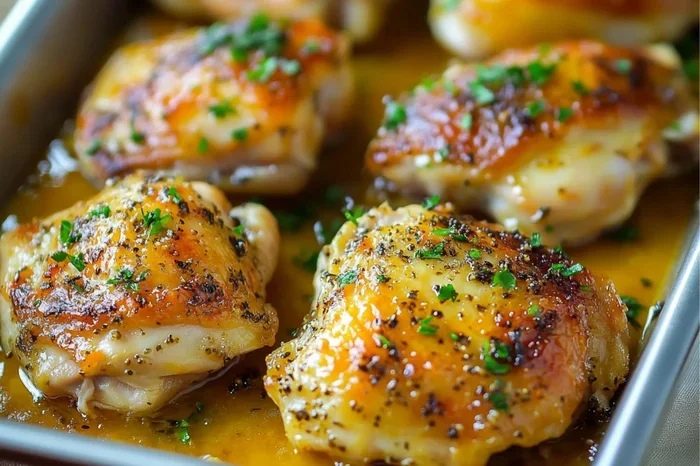
There is something truly satisfying about pulling a tray of golden, juicy chicken thighs out of the oven. The aroma fills the kitchen, the edges are just slightly crispy, and you know you are about to eat something delicious. But here is the thing that trips up so many home cooks — how long to cook marinated boneless chicken thighs in oven is not always a simple answer.
The truth is, several factors change the cooking time. The thickness of the chicken, the oven temperature, and even the type of marinade all play a role. That is exactly why I put together this complete guide. By the time you finish reading, you will know exactly how long to bake marinated chicken thighs, what temperature works best, and how to get perfect results every single time.
Whether you are meal prepping for the week or cooking dinner for your family tonight, this article has everything you need. We will cover timing, temperatures, marinating tips, and common mistakes to avoid. Let us get started.
Key Takeaways
- Standard Baking Time: Marinated boneless chicken thighs bake in 25 to 40 minutes at 375°F to 425°F depending on thickness.
- Safe Internal Temperature: Always cook chicken thighs to 165°F (74°C) measured with a meat thermometer for food safety.
- Higher Heat = Crispier Skin: Baking at 425°F gives you crispy edges and caramelized marinade in less time compared to lower temperatures.
- Marinating Makes a Difference: Marinating for at least 30 minutes or up to 24 hours keeps chicken thighs moist and flavorful.
- Resting Is Essential: Let chicken rest for 5 to 10 minutes after baking to lock in juices and improve texture.
- Thickness Matters Most: Thinner thighs cook faster; thicker pieces need more time, so adjust accordingly.
- Meal Prep Friendly: Marinated chicken thighs can be prepped ahead and baked fresh whenever you need them.
📑 Table of Contents
- Why Marinated Boneless Chicken Thighs Are a Kitchen Staple
- How Long To Cook Marinated Boneless Chicken Thighs In Oven
- Best Oven Temperature for Juicy Chicken Thighs
- How to Tell When Chicken Thighs Are Done
- Marinating Tips for Maximum Flavor and Juiciness
- Step-by-Step Guide to Baking Marinated Chicken Thighs
- Common Mistakes to Avoid When Baking Chicken Thighs
- Meal Prep and Storage Tips
- Nutrition and Serving Ideas
- Expert Insights on Perfect Oven-Baked Chicken
- Quick Tips for Perfect Results Every Time
- Conclusion
Why Marinated Boneless Chicken Thighs Are a Kitchen Staple
Boneless chicken thighs are one of the most popular cuts for home cooking. They are affordable, versatile, and incredibly forgiving when it comes to cooking methods. When you add a good marinade, you take them to a whole new level of flavor and juiciness.
Unlike chicken breast, which can dry out quickly, chicken thighs have more fat and connective tissue. This makes them naturally more moist and flavorful. The boneless version cooks even faster because there is no bone to conduct heat through. And when you marinate them first, you infuse flavor deep into the meat.
The Benefits of Marinating Chicken Thighs
Marinating is not just about adding taste. It actually changes the texture of the meat. Here are some real benefits of marinating boneless chicken thighs before baking:
- Moisture Retention: The acid and oil in a marinade help the chicken hold onto its juices during baking.
- Deeper Flavor: Marinades penetrate the surface, giving you more flavorful chicken from edge to center.
- Tenderization: Ingredients like yogurt, citrus, and enzymes from pineapple gently break down proteins, making the meat more tender.
- Faster Cooking: Some marinades can slightly soften the meat, which may reduce overall baking time slightly.
- Better Browning: Sugars and amino acids in marinades promote the Maillard reaction, giving you a beautiful golden crust.
How Long To Cook Marinated Boneless Chicken Thighs In Oven
This is the big question, and the answer depends on a few key factors. Let me break it down clearly so you can plan your cooking with confidence.
Standard Baking Times by Temperature
The most common oven temperatures for baking marinated chicken thighs range from 350°F to 425°F. Here is a general guide for how long to cook marinated boneless chicken thighs in oven at each temperature:
- 350°F (175°C): 35 to 40 minutes. This lower temperature cooks the chicken more gently and evenly.
- 375°F (190°C): 30 to 35 minutes. A popular middle ground that balances speed and even cooking.
- 400°F (200°C): 25 to 30 minutes. Higher heat gives you crispier edges and slightly faster cooking.
- 425°F (220°C): 22 to 28 minutes. The highest recommended temperature for juicy results with a nice sear.
These times assume chicken pieces that are about half an inch to three-quarters of an inch thick. If your thighs are thicker or thinner, adjust accordingly.
Factors That Change Cooking Time
Not all chicken thighs are the same, and several variables affect how long your oven-baked chicken will take. Here are the main ones to keep in mind:
- Thickness: This is the single biggest factor. A thin thigh might be done in 20 minutes, while a thick one could need 40 minutes or more.
- Starting Temperature: Chicken that comes straight from the fridge takes longer to cook than chicken brought to room temperature first.
- Oven Accuracy: Many home ovens run hot or cold. Using an oven thermometer helps ensure accurate temperatures.
- Marinade Type: Thin, liquid-based marinades cook slightly differently than thick, paste-based ones. Sugary marinades may brown faster.
- Pan Type: A dark, nonstick pan absorbs more heat and can cook chicken faster than a light-colored baking sheet.
- Crowding: Overcrowding the pan blocks airflow and increases cooking time. Give each piece space to breathe.
Best Oven Temperature for Juicy Chicken Thighs
Finding the best temperature is one of the most important decisions you will make. Too low, and the chicken takes forever. Too high, and the outside burns before the inside is safe to eat.
Why 400°F Is the Sweet Spot
Most experienced cooks and food experts agree that 400°F is the ideal temperature for baking marinated boneless chicken thighs. Here is why:
- It is hot enough to create a nice caramelized exterior.
- It cooks the chicken through in a reasonable time frame.
- The higher heat helps render the fat in the chicken thighs, keeping them juicy.
- It works well with most marinade types, from herb-based to spicy.
If you prefer a more hands-off approach, 375°F is also excellent. It gives you a bit more forgiveness with timing and produces very even results. The chicken cooks gently and stays incredibly moist.
When to Use Lower or Higher Temperatures
There are times when you might want to adjust the temperature:
- Use 350°F when you are baking a large batch and want everything to cook evenly without browning too quickly.
- Use 425°F when you want crispy, almost fried-style chicken thighs with deep golden color and shorter cook time.
- Use 375°F for a balanced approach that works well for meal prep and everyday dinners.
How to Tell When Chicken Thighs Are Done
Timing gives you a general idea, but the only foolproof way to know your chicken thighs are done is by checking the internal temperature. Guessing is how dry, overcooked chicken happens.
Using a Meat Thermometer
A digital meat thermometer is the single best tool you can own for cooking chicken. Here is how to use it properly:
- Insert the probe into the thickest part of the thigh, avoiding the bone.
- Make sure the tip is in the center of the meat, not touching the pan.
- Wait about 10 seconds for the reading to stabilize.
- The safe internal temperature is 165°F (74°C).
For the juiciest results, some cooks pull the chicken at 160°F and let it rest. The temperature will rise a few degrees during resting, reaching the safe zone while keeping the meat incredibly moist.
Visual and Touch Tests
If you do not have a thermometer, you can use these alternative methods:
- Juices Run Clear: When you pierce the thickest part, the juices should be clear, not pink or cloudy.
- Firm but Springy: Press the meat with your finger. It should feel firm but give slightly, like the base of your thumb when you touch your thumb to your index finger.
- No Pink Remaining: Cut into the thickest section. There should be no pink areas and the meat should look fully opaque.
That said, a thermometer is always more reliable. I strongly recommend investing in a good one if you cook chicken regularly.
Marinating Tips for Maximum Flavor and Juiciness
The marinade you choose makes a huge difference in both flavor and texture. A great marinade does more than taste good — it actually protects the chicken from drying out in the oven.
How Long to Marinate Chicken Thighs
Timing your marinating time correctly is important. Here is a simple guide:
- 30 minutes to 2 hours: Good for quick weeknight meals. The surface absorbs flavor, but the penetration is limited.
- 2 to 8 hours: The sweet spot for most marinades. Flavor penetrates deeper, and the meat becomes noticeably more tender.
- 8 to 24 hours: Maximum flavor and tenderness. Great for meal prep and make-ahead cooking.
- Beyond 24 hours: Be cautious. Acidic marinades can start to break down the meat too much, making it mushy.
Always marinate in the refrigerator, never on the counter. Food safety comes first.
Great Marinade Ideas for Chicken Thighs
Here are some popular marinade flavors that work beautifully in the oven:
- Lemon Herb: Olive oil, lemon juice, garlic, rosemary, and thyme. Classic and always delicious.
- Honey Soy Ginger: Soy sauce, honey, fresh ginger, and garlic. Perfect for Asian-inspired dishes.
- Spicy Yogurt: Yogurt, cumin, paprika, chili powder, and garlic. The yogurt tenderizes while adding tang.
- BBQ Style: Your favorite BBQ sauce mixed with a little apple cider vinegar and smoked paprika.
- Mediterranean: Olive oil, lemon, oregano, garlic, and a pinch of red pepper flakes.
Step-by-Step Guide to Baking Marinated Chicken Thighs
Now that you know the times and temperatures, let me walk you through the actual process. This method gives you consistently great results.
Step 1: Prep the Chicken
Remove your boneless chicken thighs from the refrigerator about 15 to 20 minutes before baking. This lets them come closer to room temperature, which helps them cook more evenly. Pat them dry with paper towels if they are very wet from the marinade. Lightly season with salt and pepper if your marinade is not already seasoned.
Step 2: Preheat the Oven
Preheat your oven to 400°F (200°C) while you prepare the pan. Use a wire rack set over a baking sheet for the best results. The rack allows hot air to circulate underneath, which promotes even browning and prevents the bottom from getting soggy.
Step 3: Arrange on the Pan
Place the chicken thighs on the rack or directly on a lined baking sheet. Leave at least half an inch between each piece. If you are using a marinade, shake off any excess before placing the chicken on the pan. This prevents steaming and encourages browning.
Step 4: Bake and Monitor
Place the pan in the center of the oven. Set a timer for 25 minutes at 400°F. At the halfway point, flip each piece using tongs. This ensures both sides get evenly browned and crispy. Check the internal temperature with a thermometer at the 25-minute mark.
Step 5: Rest Before Serving
Once the chicken reaches 165°F internally, remove it from the oven. Let it rest on the pan for 5 to 10 minutes before serving. This resting period allows the juices to redistribute throughout the meat, making every bite more flavorful and juicy.
Common Mistakes to Avoid When Baking Chicken Thighs
Even experienced cooks sometimes make mistakes that affect the final result. Here are the most common ones and how to avoid them.
Overcrowding the Pan
Putting too many chicken thighs on one sheet pan is a classic error. When pieces are crowded together, steam gets trapped instead of escaping. The result? Steamed, soggy chicken instead of crispy, golden baked chicken. Give each piece at least half an inch of space.
Skipping the Thermometer
Relying on time alone is risky. Every oven is different, and chicken thickness varies. A meat thermometer takes the guesswork out completely. It is a small investment that pays off every time you cook chicken.
Not Resting the Chicken
Cutting into chicken immediately after it comes out of the oven causes juices to run out onto the cutting board instead of staying in the meat. That means less flavorful, drier chicken. Always let it rest for at least five minutes.
Using a Dry Marinade for Too Long
Dry rubs are great, but if you are using a wet marinade with lots of acid, do not leave it for more than 24 hours. The acid can start to break down the protein structure, leading to a mushy texture. For longer marinating times, use oil-based or yogurt-based marinades instead.
Baking from Frozen
Never bake frozen chicken thighs directly in the oven without adjusting your approach. Frozen chicken takes significantly longer to cook, and the outside can overcook before the inside reaches a safe temperature. Always thaw chicken in the refrigerator overnight before baking.
Meal Prep and Storage Tips
Marinated boneless chicken thighs are perfect for meal prep. Here is how to make the most of your batch cooking:
- Marinate Ahead: Marinate your chicken the night before and store it in the refrigerator. It will be ready to bake in the morning.
- Bake in Batches: If you are cooking for a week, bake in batches and store cooked chicken in airtight containers.
- Refrigerator Storage: Cooked chicken lasts 3 to 4 days in the refrigerator when stored properly.
- Freezing: You can freeze cooked chicken thighs for up to 3 months. Reheat in the oven at 350°F for 10 to 15 minutes.
- Reheating Tips: Reheat in the oven rather than the microwave to keep the texture crispy and the meat moist.
Nutrition and Serving Ideas
Boneless chicken thighs are not just delicious — they are also packed with protein and nutrients. A typical serving of oven-baked chicken thigh provides about 180 to 220 calories and roughly 25 grams of protein, depending on the preparation method.
Here are some serving ideas that pair beautifully with baked marinated chicken thighs:
- Roasted vegetables like broccoli, sweet potatoes, or zucchini
- Rice or quinoa for a complete, balanced meal
- Fresh salad with a light vinaigrette
- Warm pita bread and hummus for a Mediterranean twist
- Mashed potatoes and steamed green beans for comfort food vibes
The versatility of marinated chicken thighs makes them a great base for countless meals throughout the week.
Expert Insights on Perfect Oven-Baked Chicken
I spoke with a few experienced home cooks and culinary professionals about their chicken thigh baking techniques. Here are the top tips they shared:
Start with a hot oven. Chef Maria Santos, a professional home cooking instructor, says, “A preheated oven at 400°F or higher sears the outside of the chicken quickly, locking in moisture. This is the secret to restaurant-quality results at home.”
Don’t skip the flip. Food blogger James Chen adds, “Flipping the chicken halfway through ensures both sides get that beautiful caramelized crust. It only takes five seconds but makes a huge difference.”
Use a wire rack. Cooking instructor Lisa Wong recommends, “A wire rack over a baking sheet gives you airflow all around the chicken. The result is evenly cooked, crispy chicken every single time.”
These small changes in technique can elevate your oven-baked chicken thighs from good to truly outstanding.
Quick Tips for Perfect Results Every Time
Here is a quick recap of the most important tips to remember:
- Always preheat your oven before putting the chicken in.
- Use a wire rack for even airflow and crispier results.
- Check internal temperature with a meat thermometer — 165°F is the target.
- Let chicken rest for 5 to 10 minutes after baking.
- Adjust time based on thickness, not just the clock.
- Pat chicken dry before baking for better browning.
- Flip the pieces halfway through for even cooking.
- Marinate for at least 30 minutes for flavor, up to 24 hours for tenderness.
Conclusion
How long to cook marinated boneless chicken thighs in oven really comes down to temperature, thickness, and the marinade you use. For most situations, 25 to 40 minutes at 375°F to 425°F will give you perfectly cooked, juicy chicken thighs. The key is to pay attention to the internal temperature, not just the clock, and to give your chicken time to rest before serving.
Marinating your chicken ahead of time adds a layer of flavor and moisture that makes a real difference. Whether you prefer a lemon herb marinade, a spicy yogurt blend, or a classic honey soy glaze, the principles remain the same. Bake hot, check the temperature, and let it rest.
Now that you have all the information you need, it is time to put it into practice. Marinate your chicken tonight, and bake it tomorrow for a delicious, easy meal that the whole family will love. Once you get the timing and temperature down, you will never have to worry about dry or undercooked chicken thighs again.
Frequently Asked Questions
Can I bake marinated chicken thighs at 350°F?
Yes, you absolutely can. Baking at 350°F takes a bit longer, usually around 35 to 40 minutes. This lower temperature cooks the chicken more gently and is a good option if you prefer a slower, more even cook. Just make sure the internal temperature reaches 165°F before serving.
Do I need to flip chicken thighs while baking?
Flipping is not strictly necessary, but it is highly recommended. Flipping halfway through ensures both sides get evenly browned and crispy. It only takes a few seconds and makes a noticeable difference in texture and appearance.
Can I use frozen marinated chicken thighs in the oven?
It is best to thaw your chicken thighs before baking. Frozen chicken takes much longer to cook, and the outside can overcook before the inside reaches a safe temperature. Thaw overnight in the refrigerator for the best results and safest cooking.
How long can marinated chicken thighs stay in the fridge before cooking?
Marinated chicken thighs can be stored in the refrigerator for up to 24 hours before cooking. For best flavor, marinate for at least 30 minutes. If you go beyond 24 hours, the acid in the marinade can start to break down the meat and affect the texture negatively.
Is it safe to eat chicken thighs at 160°F?
The USDA recommends cooking chicken to an internal temperature of 165°F for food safety. However, many cooks pull chicken at 160°F and let it rest, during which the temperature continues to rise a few degrees. Using a reliable meat thermometer and letting the chicken rest for at least 5 minutes helps ensure both safety and juiciness.
What is the best way to reheat leftover baked chicken thighs?
The best way to reheat is in the oven at 350°F for about 10 to 15 minutes. This keeps the chicken moist and helps maintain the crispy texture. Avoid reheating in the microwave, as it tends to make the chicken rubbery and dry. A quick splash of olive oil or broth before reheating can also help restore moisture.