Glass Coffee Maker Reviews That Are Totally Worth It
Looking for a reliable glass coffee maker? Our in-depth reviews cover top models, key features, and honest pros and cons. Whether you love pour over, drip brewing, or a classic glass carafe, you will find the perfect glass coffee maker for your kitchen.
A good cup of coffee can change your entire morning. The right glass coffee maker brings both style and function to your kitchen. Glass coffee makers have been around for decades, and they are still a favorite among coffee lovers today.
Why do people keep choosing glass over plastic or stainless steel? The answer is simple. Glass does not affect the taste of your coffee. It looks beautiful on a countertop. And it is easy to clean. Whether you are a casual coffee drinker or a dedicated brew enthusiast, a glass coffee maker deserves a spot in your kitchen.
In this guide, we break down the best glass coffee makers on the market. We cover what to look for, common mistakes to avoid, and expert tips to get the most out of your brew. By the end, you will know exactly which glass coffee maker fits your needs and budget.
Key Takeaways
- Transparency Matters: A glass coffee maker lets you watch the brewing process and admire the rich color of your coffee.
- Easy to Clean: Glass parts are simple to wash and do not retain odors like plastic can.
- Heat Retention Varies: Glass carafes lose heat faster than thermal ones, so drink your coffee soon after brewing.
- Durability Depends on Glass Type: Borosilicate glass is much more resistant to thermal shock than regular glass.
- Budget-Friendly Options Exist: You can find a great glass coffee maker at many price points.
- Brewing Method Flexibility: Glass coffee makers work for drip, pour over, and stovetop brewing styles.
📑 Table of Contents
Why Choose a Glass Coffee Maker?
Not all coffee makers are created equal. The material of your coffee maker matters more than most people realize. A glass coffee maker offers a unique set of benefits that other materials simply cannot match.
Pure Taste Without Chemical Interference
Plastic coffee makers can leach chemicals into your hot water. Even BPA-free plastic may impart a subtle taste over time. Glass is completely inert. It does not react with heat or acidity. This means every cup tastes exactly the way the coffee beans were meant to taste. If you have ever noticed a weird aftertaste from a plastic machine, switching to a glass coffee maker might be the fix you need.
Aesthetic Appeal That Stands Out
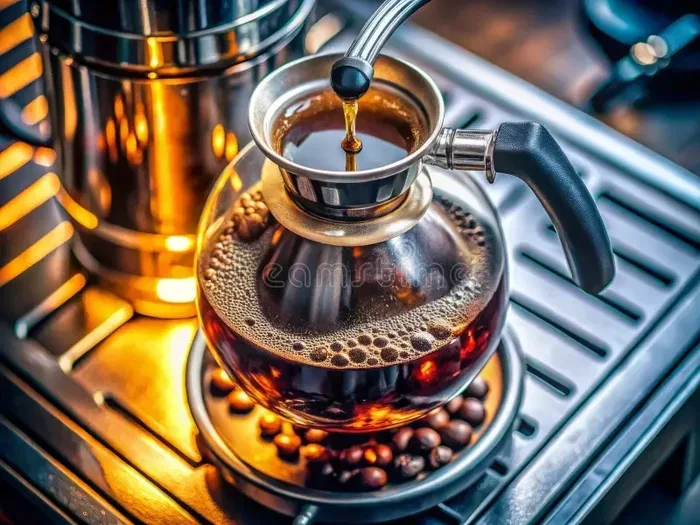
Let us be honest. A glass coffee maker looks stunning. You can watch the coffee bloom during brewing. You can see the rich amber color filling the carafe. It adds a touch of elegance to any kitchen. Many people choose a glass coffee maker simply because it looks beautiful and makes their morning routine feel more special.
Simple and Affordable Maintenance
Cleaning a glass coffee maker is straightforward. Glass does not stain easily. It does not absorb oils or odors. A quick wash with warm water and mild soap keeps it looking new. Compare this to stainless steel, which can develop coffee oil buildup over time, or plastic, which may discolor. A glass coffee maker stays fresh and clean with minimal effort.
Types of Glass Coffee Makers
Not all glass coffee makers work the same way. Different brewing methods suit different preferences. Here is a look at the most popular types you will find on the market.
Drip Glass Coffee Makers
This is the classic glass coffee maker style. Water heats in a reservoir, drips through a filter basket, and fills a glass carafe below. Most drip coffee makers use a flat or cone-shaped filter. The glass carafe sits on a warming plate to keep your coffee hot. These machines are simple, reliable, and perfect for households that brew multiple cups daily.
Drip models range from basic to advanced. Some include programmable timers, brew strength settings, and water filters. If you want convenience and a familiar brewing experience, a drip glass coffee maker is a great starting point.
Pour Over Glass Coffee Makers
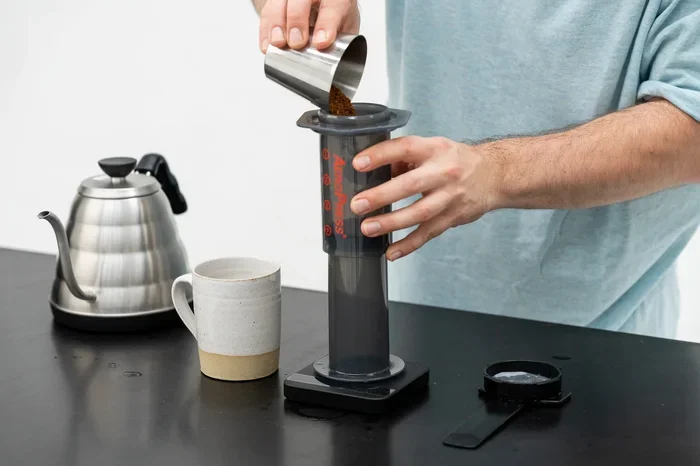
Pour over brewing gives you more control over the process. You manually heat water and pour it over coffee grounds in a glass dripper. The coffee slowly filters through a paper or reusable filter into a glass carafe or mug below. This method produces a clean, bright cup of coffee that highlights subtle flavor notes.
Many coffee shops use pour over methods, and you can replicate that at home with a glass coffee maker designed for this purpose. Brands like Chemex and Melitta offer popular glass pour over options. If you enjoy the ritual of brewing, this style is worth exploring.
Stovetop Glass Coffee Makers
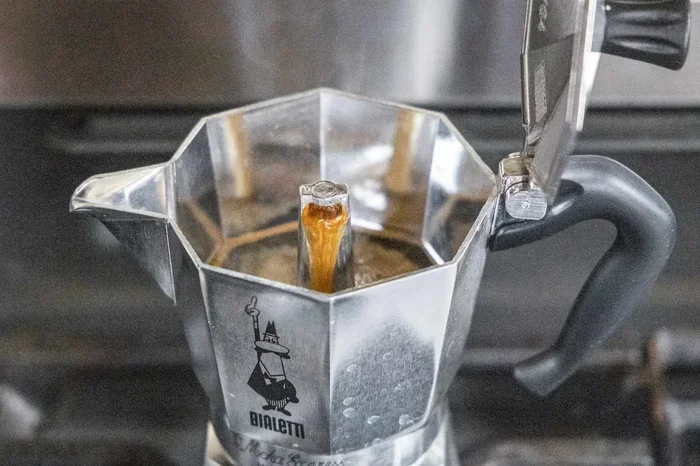
Stovetop glass coffee makers, sometimes called Moka pots with glass components, bring a vintage charm to your kitchen. You place the pot on a stove, and steam pressure pushes water through ground coffee. The result is a strong, concentrated brew similar to espresso. Some models feature a glass knob or glass body for a sleek look. These are perfect for people who love bold coffee without using electricity.
Top Features to Look For in a Glass Coffee Maker
Not every glass coffee maker is built the same way. Before you buy, consider these important features that affect performance and daily use.
Borosilicate Glass vs. Regular Glass
This is the most critical detail most buyers overlook. Borosilicate glass is designed to handle rapid temperature changes. It resists thermal shock, which means it is less likely to crack when hot water meets cold glass. Regular glass, on the other hand, can shatter under the same conditions. Always look for a glass coffee maker that uses borosilicate glass. It is more durable and safer for daily brewing.
Carafe Size and Capacity
Think about how much coffee you drink each day. A single-serve glass carafe works for one person. A 12-cup glass carafe is ideal for families or entertaining guests. Some models offer adjustable carafes or the option to brew smaller batches. Choose a size that matches your household needs without wasting coffee or counter space.
Filter Type and Compatibility
Most glass coffee makers use paper filters or reusable mesh filters. Paper filters produce a cleaner cup with less sediment. Reusable filters are more eco-friendly and save money over time. Check whether your chosen model supports both options. Some machines also work with alternative brewing methods that skip filters entirely, giving you more flexibility in the kitchen.
Warming Plate vs. Thermal Carafe
Glass carafes with warming plates keep coffee hot on the burner. But this can cause the coffee to taste bitter if it sits too long. Thermal carafes, which are often made of stainless steel, keep coffee hot without additional heat. Some glass coffee maker models combine a glass carafe with a thermal sleeve. This gives you the best of both worlds. You get the visual appeal of glass and the heat retention of insulation.
Best Glass Coffee Makers Compared
To help you decide, here is a comparison of popular glass coffee maker models across different price ranges and styles.
| Model | Type | Capacity | Glass Type | Price Range |
|---|---|---|---|---|
| Mr. Classic Drip | Drip | 12 cups | Borosilicate | $30 – $50 |
| Chemex Pour Over | Pour Over | 6 cups | Borosilicate | $40 – $55 |
| Bodum Bistro | Drip | 8 cups | Heat-Resistant Glass | $45 – $65 |
| Cuisinart Glass Carafe | Drip | 14 cups | Regular Glass | $60 – $90 |
| Melitta Pour Over | Pour Over | 10 cups | Borosilicate | $35 – $50 |
The Mr. Classic Drip model offers excellent value for everyday brewing. The Chemex Pour Over is a favorite among coffee purists who want full control over their brew. The Bodum Bistro balances style and function with its heat-resistant glass construction. The Cuisinart Glass Carafe model is ideal for larger households that need more capacity. And the Melitta Pour Over provides a reliable, affordable entry point into pour over brewing.
Which One Should You Pick?
Your choice depends on your brewing habits. If you want hands-off convenience, go with a drip glass coffee maker. If you enjoy the brewing ritual and want richer flavor, choose a pour over model. For bold, concentrated coffee, consider a stovetop glass design. Each type delivers a different coffee experience, so pick the one that matches your lifestyle.
How to Get the Best Brew from Your Glass Coffee Maker
Owning a great glass coffee maker is only half the battle. How you use it matters just as much. Follow these practical tips to improve your coffee every single time.
Use Fresh, Quality Coffee Beans
The flavor of your coffee starts with the beans. Buy whole beans and grind them just before brewing. Pre-ground coffee loses its aroma within hours. Invest in a good coffee grinder and choose beans that were roasted within the past two weeks. Fresh beans make a noticeable difference in taste and aroma.
Pay Attention to Water Temperature
The ideal brewing temperature for coffee is between 195 and 205 degrees Fahrenheit. Water that is too hot will over-extract the grounds and create bitterness. Water that is too cool will under-extract and leave your coffee weak and sour. Most glass coffee makers heat water to the right range automatically. If you are using a pour over method, let boiling water cool for about 30 seconds before pouring.
Measure Your Coffee and Water Ratios
A good starting ratio is two tablespoons of ground coffee for every six ounces of water. Adjust this based on your taste preferences. Some people prefer a stronger brew, while others like it mild. Using a kitchen scale to measure both coffee and water ensures consistency every time you brew. This simple habit will elevate your glass coffee maker experience significantly.
Clean Your Machine Regularly
Coffee oils build up inside your machine over time. This can cause off-flavors and even affect the performance of your brewer. Clean your glass coffee maker after every use. Once a month, run a cycle with equal parts water and white vinegar to remove mineral deposits and oil residue. Rinse thoroughly with plain water afterward. A clean machine brews better coffee.
Common Mistakes People Make with Glass Coffee Makers
Even the best glass coffee maker can underperform if you make avoidable mistakes. Here are the most common errors and how to fix them.
Using the Wrong Grind Size
Grind size affects extraction. Too fine and your coffee becomes bitter and clogged. Too coarse and it tastes weak and sour. Drip coffee makers work best with a medium grind. Pour over methods prefer a medium-fine grind. Stovetop models do well with a fine to medium-fine grind. Matching the grind to your brewing method is one of the easiest ways to improve your coffee.
Ignoring the Warming Plate
Leaving your glass carafe on a warming plate for hours will burn your coffee. The heat breaks down the flavors and creates a stale, bitter taste. Brew only what you plan to drink within 20 to 30 minutes. If you need to keep coffee warm longer, pour it into a separate thermal carafe. This keeps your coffee tasting fresh and delicious.
Skipping the Pre-Rinse Step
Many people forget to rinse the paper filter before brewing. Paper filters can have a papery taste that transfers to your coffee. Simply place the filter in the basket and rinse it with hot water. This removes the papery residue and preheats the carafe too. It is a small step that makes a big difference in flavor.
Overfilling the Water Reservoir
Every glass coffee maker has a maximum fill line. Exceeding it can cause water to overflow or leak into the machine. Always check the water level before brewing. Use the markings on the carafe as a guide for how much water to add. Staying within the recommended limits protects your machine and ensures consistent brewing.
Final Thoughts
A glass coffee maker is more than just a kitchen appliance. It is a daily ritual, a moment of calm before the busy day begins. The transparency of glass lets you appreciate the beauty of the brewing process. The purity of flavor keeps every cup tasting its best. And the ease of maintenance means you spend less time cleaning and more time enjoying your coffee.
Whether you choose a drip model for convenience, a pour over setup for control, or a stovetop design for bold flavor, there is a glass coffee maker that fits your life. Focus on borosilicate glass quality, the right carafe size, and proper brewing habits. These small decisions add up to a much better coffee experience every single morning.
Take your time, explore the options, and find the machine that makes you excited to brew. A great cup of coffee starts with the right equipment. And a glass coffee maker might just be the upgrade your kitchen and your mornings deserve.
Frequently Asked Questions
Is a glass coffee maker better than a plastic one?
Yes, in most cases. Glass does not leach chemicals or retain odors. It provides a cleaner, purer taste compared to plastic. Glass also looks more elegant and is easier to clean. However, glass can be more fragile, so handle it with care.
How do I prevent my glass coffee maker from breaking?
Choose a model made with borosilicate glass. This type of glass is designed to handle heat and temperature changes. Avoid sudden temperature shifts, such as pouring cold water into a hot carafe. Wash with warm water and avoid abrasive scrubbers that can scratch the surface.
Can I use a glass coffee maker on a stovetop?
It depends on the model. Some glass coffee makers are stovetop-safe and designed for direct heat. Others are only meant for electric use and cannot handle a stove. Always check the manufacturer’s instructions before placing any glass coffee maker on a heat source.
How often should I clean my glass coffee maker?
Clean your glass coffee maker after every use. Wash the carafe, filter basket, and reservoir with warm soapy water. Once a month, run a vinegar and water cycle to remove mineral buildup and coffee oils. Regular cleaning keeps your coffee tasting fresh and your machine running smoothly.
What size glass coffee maker should I buy?
Choose based on how many cups you drink daily. A 4 to 6-cup model works well for one or two people. A 10 to 12-cup model suits families or small offices. If you are unsure, go with a medium size. You can always brew a smaller batch in a larger machine.
Does a glass coffee maker keep coffee hot as long as a thermal one?
Not as long. Glass carafes lose heat faster than thermal stainless steel carafes. A glass carafe on a warming plate keeps coffee hot for about 20 to 30 minutes. After that, the coffee may start to taste bitter. For longer heat retention, consider a model with a thermal carafe or pour your coffee into a separate thermal container.