How Does The Bialetti Coffee Maker Work Simply Explained
The Bialetti coffee maker uses steam pressure to brew rich, espresso-style coffee right on your stovetop. This iconic Italian coffee maker works by heating water in the base, pushing steam through ground coffee, and collecting the brewed coffee in the top chamber. Understanding how the Bialetti coffee maker works helps you make better coffee every single morning.
The Bialetti coffee maker has been a kitchen staple for over 90 years. Millions of people around the world use this simple device every morning to brew rich, flavorful coffee. But have you ever stopped and wondered, how does the Bialetti coffee maker actually work?
Unlike complicated espresso machines with pumps and electronics, the Bialetti uses nothing more than steam and heat. It is one of the most elegant coffee brewing tools ever invented. The design has barely changed since Alfonso Bialetti first created it in 1933. That is the beauty of this stovetop espresso maker.
In this guide, we will break down every part of the process. You will learn exactly what happens inside your Bialetti when you brew a pot. We will cover the science, the parts, the steps, and plenty of tips to help you make better coffee. Whether you are a complete beginner or a seasoned coffee lover, this article will give you everything you need to know.
Key Takeaways
- Steam Pressure Drives Brewing: The Bialetti coffee maker relies on steam pressure to push hot water through coffee grounds
- Simple Three-Chamber Design: The base, filter basket, and top chamber work together to create a seamless brewing process
- Stovetop Brewing Is Easy: You only need a burner, water, coffee grounds, and your Bialetti to make great coffee
- Maintenance Matters: Regular cleaning keeps your Bialetti coffee maker performing at its best for years
- No Electricity Needed: Unlike electric machines, the Bialetti works on any stovetop, making it incredibly versatile
- Rich Italian Coffee at Home: The Bialetti delivers authentic espresso-style results without expensive equipment
📑 Table of Contents
- What Is a Bialetti Coffee Maker?
- The Science Behind How the Bialetti Coffee Maker Works
- The Key Parts of a Bialetti Coffee Maker
- Step-by-Step: How to Use Your Bialetti Coffee Maker
- Tips for Making Perfect Bialetti Coffee Every Time
- Common Mistakes When Using a Bialetti Coffee Maker
- Bialetti Coffee Maker vs Other Brewing Methods
- How to Maintain Your Bialetti Coffee Maker
- Frequently Asked Questions
- Conclusion
What Is a Bialetti Coffee Maker?
The Bialetti coffee maker is a stovetop espresso maker made from aluminum. It was invented by an Italian aluminum worker named Alfonso Bialetti. He wanted to create a simple way for everyday people to enjoy espresso-style coffee at home. Before the Bialetti, espresso was only something you could get at a café.
The design features three main parts stacked on top of each other. The bottom chamber holds water. The middle part is a filter basket where you add ground coffee. The top chamber collects the brewed coffee. When you place the Bialetti on a stove, the magic begins.
Today, the Bialetti Moka pot is one of the most popular coffee makers in the world. You can find it in kitchens across Italy, Europe, South America, and beyond. It is affordable, durable, and produces a strong, full-bodied cup of coffee that tastes amazing.
The Science Behind How the Bialetti Coffee Maker Works
Understanding the science behind your Bialetti coffee maker makes the whole process more fascinating. The brewing method relies on a few basic principles of physics. Let us break it down step by step.
Steam Pressure Builds in the Base
When you place your Bialetti on a burner, the water in the bottom chamber starts to heat up. As the temperature rises, the water begins to boil. This creates steam inside the sealed base. The steam builds pressure because it has nowhere else to go.
The pressure inside the base increases steadily. This is the same principle that makes pressure cookers work. The sealed environment traps the steam and forces the pressure to rise. In a Bialetti, this pressure is the key to brewing coffee.
Hot Water Pushes Through the Coffee Grounds
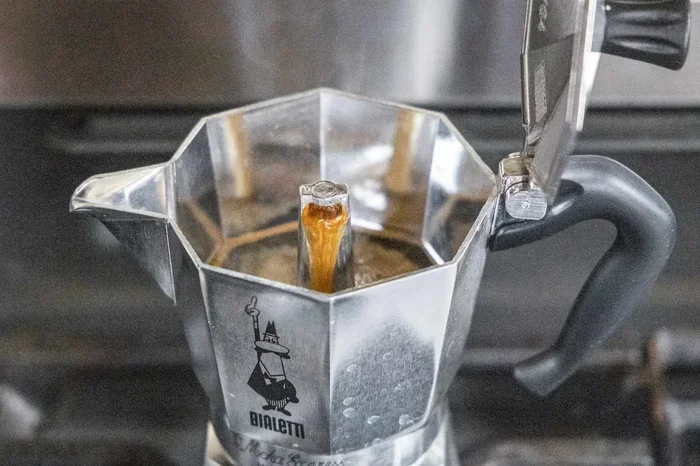
Once the water reaches a high enough temperature, it starts to rise through a small funnel pipe in the center of the base. This pipe pushes the hot water up into the filter basket. The water passes through the ground coffee and extracts all the oils, flavors, and aromas.
The pressure forces the water through the grounds at a much higher rate than drip coffee makers. This is why Bialetti coffee tastes so strong and concentrated. The extraction process is fast but intense. You get a rich brew with a thick, creamy layer on top called crema.
Brewed Coffee Rises to the Top Chamber
After the water passes through the coffee grounds, the brewed liquid rises into the upper chamber. This is where your finished coffee collects. The process continues until all the water has moved from the base to the top.
You will hear a gurgling sound when the brewing is almost done. This is a great signal that your coffee is ready. Some people call this the Bialetti singing. Once the sound slows down, your coffee is done and ready to serve.
Why Brewing Temperature Matters
The brewing temperature inside a Bialetti coffee maker stays around 160 to 170 degrees Fahrenheit. This is lower than the temperature used in traditional espresso machines. The lower temperature prevents the coffee from tasting burnt or bitter.
However, the pressure makes up for the lower temperature. The combination of heat and pressure creates a unique extraction profile. This is what gives Bialetti coffee its distinctive taste. It is somewhere between drip coffee and espresso. Many coffee lovers prefer this middle ground.
The Key Parts of a Bialetti Coffee Maker
To truly understand how the Bialetti coffee maker works, you need to know each part. Every component plays a specific role in the brewing process. Here is a detailed look at each piece.
The Base Chamber
The base is the bottom part of the Bialetti. It holds the water and sits directly on the stove. Inside the base, there is a small metal funnel that directs water upward. The base also contains a safety valve. This valve releases excess pressure if it builds up too much. It is an important safety feature that prevents accidents.
The Filter Basket
The filter basket sits in the middle of the Bialetti. This is where you add your ground coffee. The basket has small holes that allow water to pass through while holding the grounds in place. The filter is removable, which makes it easy to clean.
Using the right amount of coffee in the filter basket is crucial. Too much coffee will slow down the brewing process. Too little will make weak coffee. We will cover the perfect ratio later in this guide.
The Upper Chamber
The top chamber collects the finished coffee. It has a spout or knob on top for easy pouring. The brewed coffee rises into this chamber through a channel connected to the filter basket. The upper chamber is also where you will notice the crema forming on top of your coffee.
The Gasket and Filter Plate
The gasket is a rubber seal that sits between the base and the filter basket. It ensures no water or steam escapes during brewing. The filter plate sits inside the basket and helps distribute water evenly across the coffee grounds. Both parts need regular replacement to keep your Bialetti working properly.
Step-by-Step: How to Use Your Bialetti Coffee Maker
Now that you understand the science and the parts, let us walk through the actual process. Using a Bialetti coffee maker is simple once you know the steps. Follow this guide for perfect coffee every time.
Step 1: Fill the Base with Water
Remove the top chamber and the filter basket. Fill the base with fresh cold water. The water line should reach just below the safety valve. Do not overfill the base. Too much water will cause the coffee to taste watery or create excess pressure.
Step 2: Add Ground Coffee to the Filter Basket
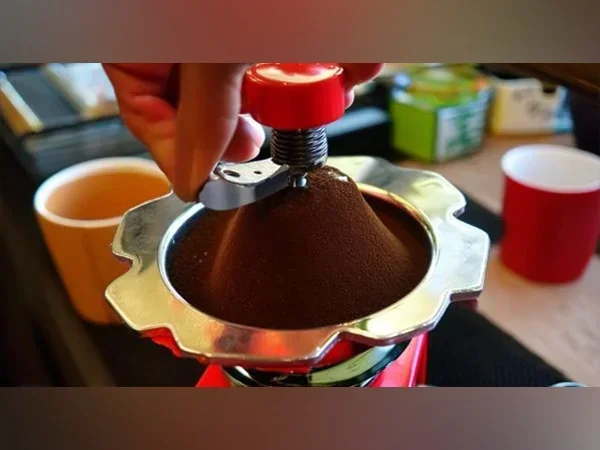
Place ground coffee into the filter basket. Use a fine grind, similar to what you would use for espresso. Fill the basket level to the top. Do not tamp the coffee down. Just let it sit loosely in the basket. A level scoop works perfectly for this step.
If you want to explore different coffee flavors, you can try adding a pinch of cinnamon or cocoa powder to the grounds. This works similarly to how you might warm spices for other recipes, much like the method described in how to warm pita bread in the oven where gentle heat brings out deeper flavors.
Step 3: Assemble the Bialetti
Place the filter basket back into the base. Make sure the gasket is seated properly. Twist the upper chamber onto the base until it locks in place. The seal needs to be tight to prevent steam from escaping.
Step 4: Heat the Bialetti on the Stove
Place the assembled Bialetti on a burner set to medium heat. Keep the lid open so you can watch the brewing process. The water will begin to heat up and push through the coffee grounds.
Use a low to medium flame. High heat can cause the coffee to taste bitter. A gentle heat produces a smoother, more balanced flavor. This is one of the most important tips for making great Bialetti coffee.
Step 5: Listen for the Gurgling Sound
After about 4 to 5 minutes, you will hear a gurgling sound. This means the coffee is flowing into the upper chamber. When the sound becomes a hissing sputter, your coffee is ready. Remove the Bialetti from the heat immediately.
Some people cool the base under cold running water to stop the brewing process. This technique prevents over-extraction and keeps the coffee from tasting burnt.
Step 6: Serve and Enjoy
Remove the top chamber carefully. The coffee will be hot. Pour it into small cups or espresso glasses. Bialetti coffee is traditionally served in small portions. Enjoy it while it is fresh and hot.
Tips for Making Perfect Bialetti Coffee Every Time
Getting the most out of your Bialetti coffee maker takes a little practice. Here are some expert tips that will improve your coffee instantly.
Use Freshly Ground Coffee
Freshly ground coffee makes a huge difference in flavor. Pre-ground coffee loses its aroma quickly. If possible, grind your beans just before brewing. A burr grinder gives you the most consistent grind size. The grind should be finer than drip coffee but not as fine as espresso powder.
Experiment with Coffee Ratios
Every coffee lover has a preferred strength. Start with one tablespoon of coffee per cup of water. Adjust from there based on your taste. More coffee makes a stronger brew. Less coffee makes a milder cup.
Preheat Your Bialetti
Warming up your Bialetti before brewing helps the process start smoothly. You can rinse the base with hot water before adding cold water. This small step can improve extraction and reduce brewing time.
Use Quality Water
The water you use affects the taste of your coffee. Filtered water works best. Avoid distilled water because it lacks minerals that help extract flavor. The right water makes a noticeable difference in the final cup.
Just like keeping your kitchen tools clean is important, maintaining your Bialetti properly ensures the best results. Cleaning the bottom tray and all components regularly prevents buildup that can affect taste, similar to how you would clean the bottom tray of a toaster oven to keep it performing well.
Try Different Coffee Beans
Do not be afraid to experiment with different coffee beans. Medium roast beans work great in a Bialetti. Dark roast produces a stronger, bolder flavor. Light roast gives you a brighter, more acidic cup. Each bean brings out different notes and flavors in the Bialetti brewing process.
Common Mistakes When Using a Bialetti Coffee Maker
Even experienced Bialetti users make mistakes sometimes. Knowing what to avoid will help you make better coffee. Here are the most common errors and how to fix them.
Using Too Much Coffee
Packing the filter basket with too much coffee blocks water flow. The coffee becomes over-extracted and tastes bitter. Keep the grounds level with the basket rim. Do not press them down. Let the water flow through naturally.
Using the Wrong Grind Size
A grind that is too coarse produces weak, watery coffee. A grind that is too fine can clog the filter and cause over-extraction. Find a medium-fine grind that sits between drip coffee and espresso. This is the sweet spot for Bialetti brewing.
Heating Too Quickly
High heat causes the water to move through the grounds too fast. This results in under-extracted coffee that tastes sour. Medium heat gives the water time to extract the full flavor from the grounds. Patience is key when using a Bialetti.
Forgetting to Replace the Gasket
The rubber gasket wears out over time. A worn gasket lets steam escape, which reduces pressure and weakens the brew. Replace the gasket every 6 to 12 months for the best results. It is a small part that makes a big difference.
Proper maintenance keeps your Bialetti working like new for years. Taking care of your equipment is similar to how you would care for other kitchen tools, such as properly drying herbs like you would dry basil in the oven to preserve their quality and extend their life.
Bialetti Coffee Maker vs Other Brewing Methods
How does the Bialetti coffee maker compare to other brewing methods? Let us look at the differences.
Compared to drip coffee makers, the Bialetti produces a stronger, more concentrated brew. Drip coffee uses gravity to pull water through grounds. The Bialetti uses pressure. This makes a noticeable difference in flavor and body.
Compared to electric espresso machines, the Bialetti is much simpler and more affordable. Electric machines cost hundreds or even thousands of dollars. A Bialetti coffee maker costs less than $30. The taste is different but still excellent for everyday coffee drinking.
Compared to French press coffee, the Bialetti produces a cleaner cup with less sediment. The filter in the Bialetti catches more fine particles. French press coffee has a fuller body but can feel gritty to some drinkers.
Compared to instant coffee, the Bialetti is in a completely different league. Freshly brewed Bialetti coffee has far more flavor, aroma, and complexity. It is the clear winner for anyone who loves real coffee.
How to Maintain Your Bialetti Coffee Maker
Taking care of your Bialetti coffee maker extends its lifespan and keeps your coffee tasting great. Here is a simple maintenance routine.
After each use, disassemble the Bialetti and rinse all parts with warm water. Do not use soap. Soap can strip the seasoning from the aluminum and affect the taste of your coffee. Warm water and a soft brush are all you need.
Deep clean your Bialetti once a week. Remove the filter basket and gasket. Wash them thoroughly. Check the funnel pipe for any coffee buildup. Clean the safety valve to make sure it is not blocked.
Replace the gasket and filter plate every 6 to 12 months. These parts wear out over time and need fresh replacements. New parts ensure a tight seal and proper brewing pressure.
Store your Bialetti with the top chamber off. This allows air to circulate and prevents moisture buildup. A dry storage environment keeps the aluminum in good condition.
With proper care, a Bialetti coffee maker can last for decades. Many families pass them down from generation to generation. That is how durable and well-built these coffee makers are.
Frequently Asked Questions
Can You Use a Bialetti Coffee Maker on an Electric Stove?
Yes, you can use a Bialetti coffee maker on an electric stove. The aluminum base works well with electric heating elements. However, you may need to use a lower heat setting because electric stoves retain heat longer. Watch your coffee carefully to prevent over-extraction.
How Long Does It Take to Brew Coffee in a Bialetti?
Brewing coffee in a Bialetti takes about 4 to 5 minutes on medium heat. The exact time depends on your stove type and the amount of water you use. Listen for the gurgling sound to know when your coffee is ready. Remove it from the heat as soon as you hear the sputtering sound.
Is Bialetti Coffee the Same as Espresso?
Bialetti coffee is similar to espresso but not exactly the same. The Bialetti uses lower pressure than a traditional espresso machine. This produces a brew that is strong and concentrated but not as thick as true espresso. Many people still call it stovetop espresso because of its rich flavor and crema.
Can You Use Regular Ground Coffee in a Bialetti?
You should use a fine grind specifically suited for stovetop espresso makers. Regular pre-ground coffee from the grocery store often has a medium grind that works but may not produce the best results. A finer grind extracts more flavor and creates a richer, more authentic cup of coffee.
Why Does My Bialetti Coffee Taste Bitter?
Bitter coffee usually means over-extraction. This happens when the heat is too high or the coffee steeps too long. Try lowering the flame and removing the Bialetti from the heat as soon as you hear the gurgling sound. Also check that you are not using too much coffee in the filter basket.
How Many Cups Does a Bialetti Coffee Maker Make?
A standard Bialetti makes 2 to 6 cups depending on the size. The most popular size is the 3-cup model, which makes about 3 small espresso-sized cups. Larger models are available for bigger households or entertaining guests. Each cup is about 2 ounces, so a 3-cup Bialetti makes roughly 6 ounces of coffee total.
Conclusion
The Bialetti coffee maker is one of the simplest and most effective coffee brewing tools ever created. Its clever design uses nothing more than steam pressure and heat to produce rich, espresso-style coffee. Now that you know how the Bialetti coffee maker works, you can appreciate the elegant science behind every cup.
Remember to use fresh grounds, the right water level, and medium heat for the best results. Maintain your Bialetti regularly and replace worn parts when needed. With a little care, your Bialetti will serve you delicious coffee for decades to come.
The beauty of the Bialetti coffee maker is in its simplicity. No electricity. No complicated settings. Just pure, pressure-driven brewing that has stood the test of time. Whether you are new to the Bialetti or have been using one for years, there is always something new to learn about this remarkable coffee maker. Make your next cup with confidence and enjoy every sip.