Gas Oven Carbon Monoxide Risks Every Homeowner Should Know
Gas oven carbon monoxide is a serious but often overlooked household danger that every homeowner should understand. A malfunctioning gas oven can produce this invisible, odorless gas that poses real health risks to you and your family. In this guide, you will learn how gas ovens produce carbon monoxide, what the warning signs are, and how to prevent exposure. We also cover what to do if you suspect a leak and share a practical safety checklist. Understanding these risks is the first step toward keeping your home safe and your family healthy.
Every time you turn on your gas oven, you rely on a system that burns fuel to create heat. That process works well most of the time. But there is a hidden risk that many homeowners overlook completely. Gas oven carbon monoxide production is a real concern that affects millions of households every year. You cannot see it, smell it, or taste it, yet it can cause serious harm or even death. This is not meant to scare you. It is meant to inform you. By the end of this article, you will understand exactly what carbon monoxide is, how your gas oven produces it, and what simple steps you can take to keep your family safe. Knowledge is your best defense, and this guide gives you all the tools you need.
Most people think of carbon monoxide as something that comes from cars or furnaces. Fewer people connect it to their kitchen oven. Yet gas ovens are one of the most common sources of this toxic gas in the home. When a gas oven burns fuel correctly, it produces carbon dioxide, which is relatively harmless. But when something goes wrong, the combustion process shifts and creates carbon monoxide instead. This shift can happen for many reasons, from a dirty burner to a blocked vent. The good news is that you can take straightforward steps to reduce the risk. Let us walk through everything you need to know about gas oven carbon monoxide safety.
Key Takeaways
- Gas ovens can produce carbon monoxide: Any gas-burning appliance, including your oven, has the potential to generate this deadly gas if not properly maintained.
- Carbon monoxide is invisible and odorless: You cannot see, smell, or taste it, which makes it extremely dangerous without a detector.
- Proper ventilation is essential: A well-ventilated kitchen significantly reduces the risk of gas oven carbon monoxide buildup.
- Warning signs exist: Yellow flames, soot around the oven, and physical symptoms like headaches can signal a problem.
- Prevention is simple: Regular maintenance, carbon monoxide detectors, and safe usage habits go a long way in keeping your home safe.
- Act fast if you suspect exposure: Knowing the right steps to take during a carbon monoxide emergency can save lives.
- Annual professional inspections matter: A trained technician can catch problems you might miss during routine use.
📑 Table of Contents
- What Is Carbon Monoxide and Why Does It Come From Gas Ovens?
- The Hidden Dangers of Gas Oven Carbon Monoxide Exposure
- Signs Your Gas Oven May Be Producing Carbon Monoxide
- How to Prevent Gas Oven Carbon Monoxide Buildup
- What to Do If You Suspect Carbon Monoxide Exposure
- Gas Oven Safety Checklist Every Homeowner Needs
- Conclusion
What Is Carbon Monoxide and Why Does It Come From Gas Ovens?
Understanding Carbon Monoxide Basics
Carbon monoxide is a colorless, odorless gas that forms when fuels like natural gas, propane, or wood do not burn completely. It is sometimes called the “silent killer” because you cannot detect it without special equipment. When you breathe in carbon monoxide, it enters your bloodstream and binds to hemoglobin. This prevents your blood from carrying oxygen to your organs and tissues. Even small amounts can cause symptoms like dizziness, nausea, and confusion. Higher levels can lead to unconsciousness or death within minutes.
Now, why does a gas oven produce this gas? The answer lies in the combustion process. Your oven burns natural gas or propane to generate heat. When the burner works correctly, the gas mixes with air and burns cleanly. But when the air-to-gas ratio is off, combustion becomes incomplete. Incomplete combustion is the primary source of carbon monoxide in any gas appliance. This is why proper ventilation and regular maintenance are so important for your oven’s safe operation.
How Gas Ovens Produce Carbon Monoxide
Every gas oven has a burner assembly, an ignition system, and a combustion chamber. When you set the temperature, gas flows to the burner and ignites. The flame heats the oven cavity, and the combustion byproducts need somewhere to go. In a properly functioning oven, these gases exit through the flue or ventilation system. But when any part of this process breaks down, carbon monoxide can accumulate inside your home.
Several factors contribute to this problem. A clogged burner port can disrupt the flame pattern. A damaged heat exchanger can leak combustion gases into the oven cavity. A blocked flue or chimney prevents proper exhaust. Even using the oven for heating your home, which some people do during cold weather, increases the risk significantly. Each of these issues affects how your gas appliance burns fuel and, ultimately, how much carbon monoxide it produces.
The Role of Incomplete Combustion
Complete combustion produces carbon dioxide and water vapor. Both are normal byproducts of burning gas. Incomplete combustion, on the other hand, produces carbon monoxide along with other harmful compounds. What triggers incomplete combustion? Several common issues can cause this shift. A lack of airflow is the biggest culprit. When your oven does not get enough fresh air, the flame burns poorly. This creates a yellow or orange flame instead of a steady blue one. That color change is one of the clearest visual indicators that something is wrong with your gas appliance.
Another cause is a malfunctioning gas valve. If the valve delivers too much gas relative to the available air, combustion suffers. Dirty burner ports also restrict airflow and disrupt the flame. Even a cracked oven door seal can affect combustion by altering the internal air pressure. All of these issues point back to the same root problem: your oven is not burning fuel efficiently, and that inefficiency produces carbon monoxide.
The Hidden Dangers of Gas Oven Carbon Monoxide Exposure
Health Risks of Carbon Monoxide Poisoning
Carbon monoxide poisoning is a medical emergency. The gas deprives your body of oxygen, and your organs start to shut down without it. The symptoms often mimic the flu, which is why many people do not recognize the danger right away. Early warning signs include headaches, dizziness, weakness, and nausea. As exposure continues, symptoms worsen to confusion, vomiting, chest pain, and loss of consciousness. In extreme cases, carbon monoxide exposure leads to brain damage or death.
Certain groups face higher risks from carbon monoxide exposure. Children breathe faster than adults, so they absorb the gas more quickly. Older adults and people with heart or respiratory conditions are also more vulnerable. Pregnant women face additional dangers because the gas can affect the developing baby. Even pets show signs of carbon monoxide poisoning before humans do, so pay attention if your animals seem unwell or lethargic.
Why Gas Ovens Are Overlooked as a Risk Source
Most homeowners associate carbon monoxide risk with furnaces and water heaters. The oven rarely comes to mind. This blind spot is dangerous. Many people use their gas oven for heating during winter months, not realizing how quickly carbon monoxide levels can rise in a closed room. Others leave the oven on for extended periods while cooking without opening windows or turning on exhaust fans. The combination of a gas-burning appliance and poor ventilation creates the perfect conditions for gas oven carbon monoxide buildup.
Another reason the oven is overlooked is that it sits in the kitchen, a room people occupy frequently. Because the gas is there every day, it becomes invisible in the same way carbon monoxide itself is invisible. You stop noticing it. You stop thinking about it. That familiarity breeds complacency, and complacency is when accidents happen. Breaking that cycle starts with awareness and a commitment to regular safety practices.
Long-Term Low-Level Exposure Concerns
You do not need a massive leak to experience health effects. Low-level carbon monoxide exposure over time can cause chronic headaches, fatigue, and difficulty concentrating. Many people dismiss these symptoms as stress or poor sleep. They do not connect their health problems to their gas appliance. Over weeks or months, repeated low-level exposure can lead to serious cardiovascular and neurological issues.
This is particularly concerning for households with older gas ovens. Appliances that have not been regularly serviced are more likely to produce elevated carbon monoxide levels, even when they appear to work fine. The flame might look normal, but the combustion process could be less efficient than it should be. This is exactly why many safety experts recommend installing a carbon monoxide detector in or near the kitchen, even if you do not notice any obvious problems with your oven.
Signs Your Gas Oven May Be Producing Carbon Monoxide
Visual Warning Signs to Watch For
Your oven gives you clues when something is wrong. Learning to read these signs can help you catch problems early. A yellow or orange flame instead of a steady blue flame is the most obvious indicator. A healthy gas flame should be blue with a small blue triangle at the center. If you see yellow tips or flickering orange patches, the combustion is incomplete. This means carbon monoxide is likely being produced.
Soot or black marks around the oven door, on the back wall, or near the burner area are another red flag. Soot indicates that the fuel is not burning cleanly. You might also notice excess moisture on windows near the oven, especially after cooking. Stale or stuffy air in the kitchen while the oven is running can signal poor ventilation. If you observe any of these signs, stop using the oven and schedule a professional inspection immediately.
Physical Symptoms That Point to a Problem
Your body often reacts before your eyes can detect a problem. If multiple household members experience headaches, nausea, or dizziness while the oven is running, take it seriously. These symptoms often improve when you leave the house and return when you come back. That pattern is a classic indicator of carbon monoxide poisoning. Do not ignore it. Open windows, turn off the oven, and get everyone outside to fresh air.
Other symptoms to watch for include fatigue, shortness of breath, confusion, and blurred vision. In severe cases, people may lose consciousness. If you suspect carbon monoxide exposure, call emergency services right away. Do not re-enter the home until professionals have cleared it. Every second matters when dealing with gas oven carbon monoxide exposure.
When to Call a Professional
You should call a qualified technician if you notice any of the visual or physical warning signs mentioned above. But also schedule an inspection if your oven is more than 10 years old, if you have not had it serviced in over a year, or if you recently noticed a change in how it performs. A professional can check the burner assembly, inspect the heat exchanger, test the flue system, and measure combustion efficiency. These checks are not expensive, but they are invaluable for preventing gas appliance safety issues.
How to Prevent Gas Oven Carbon Monoxide Buildup
Install Carbon Monoxide Detectors
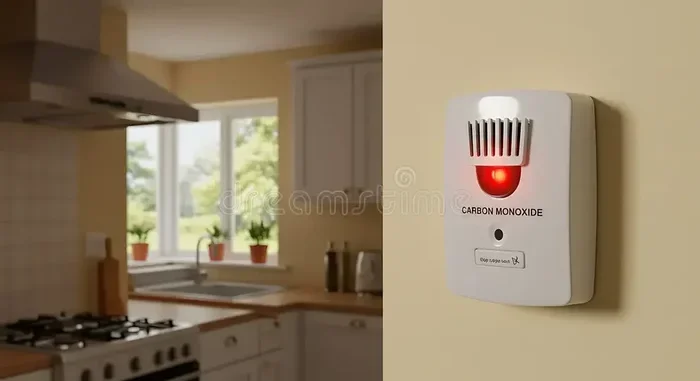
The single most important step you can take is installing a carbon monoxide detector in your home. Place one on every floor, including near the kitchen and outside sleeping areas. Test the detectors monthly and replace the batteries at least once a year. Replace the entire unit according to the manufacturer’s recommendations, usually every five to seven years. A detector gives you an early warning that something is wrong, even before you notice symptoms.
Choose a detector that meets safety standards and carries a recognized certification mark. Combination smoke and carbon monoxide detectors are available and offer two layers of protection in one device. While no detector replaces safe usage habits, it is an essential backup that every household should have. Think of it as your insurance policy against the invisible threat of gas oven carbon monoxide.
Ensure Proper Kitchen Ventilation
Good ventilation is your first line of defense against carbon monoxide buildup. Always use your range hood or exhaust fan when cooking with a gas oven. The fan helps remove combustion byproducts and brings fresh air into the kitchen. If your kitchen lacks a range hood, open a window while cooking to promote airflow. This simple habit can dramatically reduce the concentration of any gases that escape during the cooking process.
Never use your gas oven to heat your home, even during a power outage or cold snap. Ovens are designed for cooking, not space heating. Using them for heat creates a much higher risk of carbon monoxide accumulation, especially in small or poorly ventilated rooms. If you need supplemental heat, use a properly rated space heater with built-in safety features. Keep the kitchen door open when the oven is running for long periods to allow air circulation.
Regular Maintenance and Cleaning
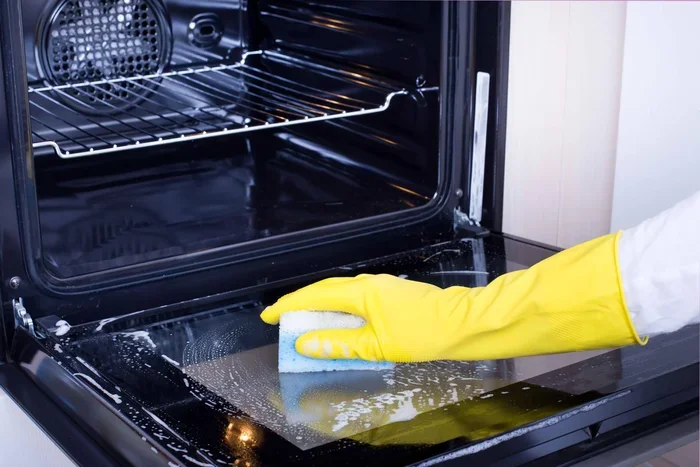
Keep your oven in top shape with regular maintenance. Clean the burner ports and oven interior to prevent clogs that disrupt airflow. Check the oven door seal for cracks or gaps that can affect combustion. Inspect the flue and ventilation ducts for blockages like grease buildup or debris. A clean oven burns more efficiently and produces fewer harmful byproducts.
Schedule a professional inspection at least once a year. A technician will check the gas pressure, inspect the heat exchanger, test the ignition system, and verify that the flue is working correctly. They can also calibrate the oven to ensure optimal combustion. This annual check is one of the best investments you can make in gas appliance safety and household protection.
Safe Usage Habits
Simple daily habits make a big difference. Never leave your gas oven running unattended for long periods. Avoid opening the oven door repeatedly, as this can disrupt airflow and affect combustion. Keep oven manuals and gas company contact numbers handy for quick reference. If you smell gas, do not use the oven or any electrical switches. Open windows, leave the house, and call your gas company or emergency services from outside.
Teach everyone in your household about gas oven carbon monoxide risks. Children should know not to play with oven controls. Make sure all adults understand the symptoms of carbon monoxide poisoning and know where the detectors are located. Family awareness creates a culture of safety that protects everyone under your roof.
Quick Tips for Reducing Gas Oven Carbon Monoxide Risks
- Install certified carbon monoxide detectors on every floor of your home.
- Use your range hood or exhaust fan every time you cook.
- Open a window when using the oven for extended periods.
- Never use the oven as a space heater.
- Schedule annual professional inspections for your gas oven.
- Clean burner ports and oven interiors regularly.
- Replace oven door seals when they show signs of wear.
- Test your carbon monoxide detector monthly and replace batteries yearly.
- Learn the symptoms of carbon monoxide poisoning in humans and pets.
- Keep the kitchen door open during long cooking sessions for airflow.
What to Do If You Suspect Carbon Monoxide Exposure
Immediate Steps to Take
If your carbon monoxide detector alarms or you experience symptoms like headaches and dizziness near the oven, act immediately. First, turn off the gas oven and open all windows and doors. Get everyone outside, including pets, into fresh air. Do not stop to gather belongings or shut off other appliances. Your priority is getting people to safety. Once outside, call emergency services or your local gas company. Do not re-enter the home until professionals have declared it safe.
After the Incident
After a carbon monoxide scare, have your gas oven inspected by a qualified technician before using it again. Do not simply reset the detector and continue cooking. The underlying cause of the leak must be identified and fixed. A professional will check the entire combustion system, test gas pressure, and verify that the flue is venting properly. They may also recommend repairs or replacements if the oven is too damaged to operate safely.
Consider replacing older ovens with newer, more efficient models that have built-in safety features. Modern gas ovens often include automatic shutoff valves, improved combustion systems, and better ventilation designs. Upgrading not only reduces your risk of gas oven carbon monoxide exposure but also improves energy efficiency and cooking performance. When in doubt, choose safety over convenience.
Long-Term Safety Planning
Build a long-term safety plan for your household. This plan should include detector placement, maintenance schedules, and emergency procedures. Post your gas company’s emergency number on the refrigerator. Make sure every family member knows where the detectors are and what the alarm sounds like. Practice your response plan so that everyone knows what to do if a carbon monoxide incident occurs. Preparation turns panic into action, and action saves lives.
Gas Oven Safety Checklist Every Homeowner Needs
Use this checklist to stay on top of your gas appliance safety routine. Print it out and review it monthly.
- Test all carbon monoxide detectors and replace batteries if needed.
- Check that the oven flame burns blue, not yellow or orange.
- Inspect the oven door seal for cracks or damage.
- Clean burner ports and remove any debris or food residue.
- Verify that the range hood or exhaust fan is working properly.
- Ensure kitchen vents and flues are clear of blockages.
- Confirm that windows can be opened easily for ventilation.
- Review the oven manual for any manufacturer safety notices.
- Schedule a professional inspection if the oven is due for service.
- Discuss carbon monoxide safety with all household members.
Following this checklist takes only a few minutes each month, but it provides peace of mind and significant protection. Consistent attention to gas oven carbon monoxide safety is the best way to keep your home and family protected year-round.
Conclusion
Gas oven carbon monoxide is a real and present danger that demands your attention. The good news is that with the right knowledge and simple precautions, you can dramatically reduce the risk to your household. Install detectors, maintain proper ventilation, schedule regular inspections, and stay alert to the warning signs. These steps are not complicated, but they are powerful. Your oven serves your family every day. It deserves the care and attention needed to keep it running safely.
Do not wait for a problem to arise before taking action. Start today by checking your detectors and reviewing your ventilation setup. Share this information with your family and friends so they too can protect their homes. Awareness is the foundation of safety, and you now have the knowledge to make informed decisions about gas oven carbon monoxide risks. Stay vigilant, stay safe, and enjoy the comfort of your kitchen with confidence.
Frequently Asked Questions
Can a gas oven produce carbon monoxide even when it seems to be working fine?
Yes, absolutely. A gas oven can produce carbon monoxide even if it appears to function normally. Incomplete combustion can occur without visible signs, which is why regular maintenance and carbon monoxide detectors are essential for every home with a gas appliance.
How often should I have my gas oven inspected for carbon monoxide risks?
You should have a qualified technician inspect your gas oven at least once a year. Annual inspections check the burner assembly, heat exchanger, flue system, and overall combustion efficiency to ensure safe operation and reduce the risk of harmful gas exposure.
What is the difference between carbon dioxide and carbon monoxide from a gas oven?
Carbon dioxide is a normal and relatively harmless byproduct of complete combustion. Carbon monoxide forms when combustion is incomplete, and it is extremely dangerous because it prevents your blood from carrying oxygen. Proper oven maintenance ensures that combustion remains complete and carbon monoxide levels stay low.
Is it safe to use a gas oven for heating a room during winter?
No, it is not safe. Gas ovens are designed for cooking, not space heating. Using an oven for heat significantly increases carbon monoxide production and the risk of buildup, especially in poorly ventilated rooms. Always use a proper space heater designed for room heating instead.
Where should I place a carbon monoxide detector in my kitchen?
Place the detector within 10 feet of the oven or on the ceiling near the kitchen area. Avoid placing it directly above the oven or near windows and vents, as airflow can affect readings. Follow the manufacturer’s installation instructions for the best placement and reliable detection.
What should I do if my carbon monoxide detector goes off while I am cooking?
First, turn off the oven immediately and open windows and doors to ventilate the area. Move everyone outside to fresh air. If symptoms are present, call emergency services right away. Do not assume it is a false alarm. Even if the detector stops sounding, have your oven inspected before using it again.