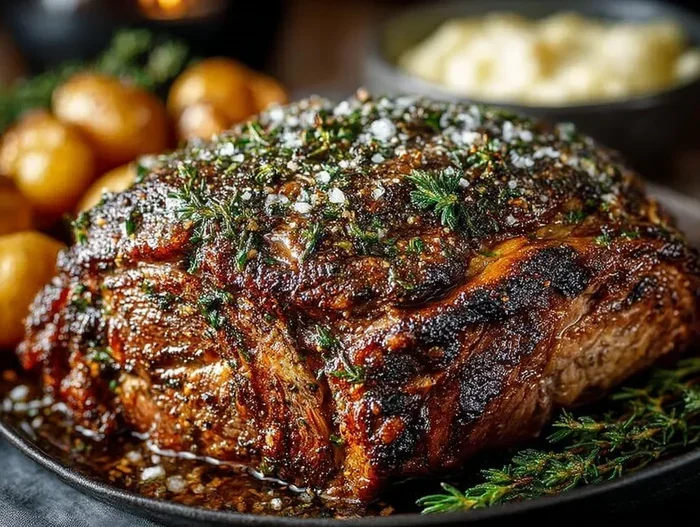
How To Bake Prime Rib Steak In The Oven Like A Pro
Bake Prime Rib Steak In The Oven like a pro with our foolproof guide. You’ll learn how to pick the perfect cut, season it beautifully, and cook it to juicy perfection. This method guarantees a tender, flavorful roast every time.
Baking prime rib steak in the oven is simpler than you might think. Bake Prime Rib Steak In The Oven to create a show-stopping centerpiece for any dinner. This method turns a tough cut into a tender, juicy masterpiece with minimal effort. You don’t need fancy equipment—just a good oven and a little patience.
Prime rib is a special-occasion cut that shines when cooked low and slow. Oven roasting allows the fat to render slowly, creating a melt-in-your-mouth texture. Whether you’re feeding a holiday crowd or a small family dinner, this method delivers consistent results. Let’s dive into the step-by-step process.
Key Takeaways
- Start with a quality cut: A bone-in standing rib roast gives the best flavor and juiciness when you bake prime rib steak in the oven.
- Use a meat thermometer: This ensures your roast reaches the ideal internal temp for perfect doneness without guesswork.
- Season simply and boldly: A mix of garlic, fresh herbs, and salt creates a beautiful crust and deep flavor.
- Cook low and slow: Low oven temperatures render fat slowly, making the meat melt-in-your-mouth tender.
- Rest before slicing: Letting the roast rest for 20 minutes keeps all the juices inside every slice.
- Avoid common pitfalls: Skipping the rest, overcooking, or using a dirty thermometer are the top mistakes to avoid.
- Slice against the grain: This simple step makes each piece easier to chew and more enjoyable.
📑 Table of Contents
What Is Prime Rib and Why Oven-Baking Works
Prime rib comes from the rib section of the cow. It’s a well-marbled cut with rich flavor and natural tenderness. When you bake prime rib steak in the oven, the gentle heat melts the intramuscular fat. This fat basting keeps the meat moist throughout the cook.
Oven roasting is different from grilling or pan-searing. It surrounds the meat with even, consistent heat. This method is perfect for large cuts that need time to become tender. The oven’s dry heat also creates a beautiful, caramelized crust on the outside.
The Science Behind a Perfect Roast
When heat hits the meat, proteins unwind and collagen breaks down. Collagen is the tough tissue that makes meat chewy. Low temperatures give collagen time to dissolve into gelatin. This process makes the roast succulent and fork-tender. The slow cook also lets the seasoning penetrate deep into the flesh.
Bone-In vs. Boneless Prime Rib
Bone-in prime rib, also called a standing rib roast, has the rib bones intact. The bone insulates the meat and adds a rich, smoky flavor. Boneless prime rib is easier to slice and serves more people per pound. Both work beautifully in the oven. Choose based on your presentation preference and guests.
| Feature | Bone-In Prime Rib | Boneless Prime Rib |
|---|---|---|
| Flavor | Rich, smoky, more beefy depth | Clean, pure beef flavor |
| Ease of Slicing | Slightly more work around bones | Easy, uniform slices |
| Serving Size | 1–2 servings per pound | 2–3 servings per pound |
| Insulation | Bones keep meat moist longer | Can dry faster if not monitored |
| Presentation | Dramatic, classic standing roast | Modern, clean look |
Choosing the Right Prime Rib Cut
Not all prime ribs are created equal. Start with a high-quality standing rib roast or bone-in ribeye. Look for bright red meat with creamy white fat. The fat should be evenly distributed, not just on the edges. This marbling is what makes oven-baked prime rib so juicy.
Ask your butcher for a roast that is well-trimmed but still has a good fat cap. A thick layer of fat on the outside helps protect the meat during the long cook. You can ask them to french the ribs for a clean presentation if you plan to serve it standing.
Size Matters: How Much to Buy
Plan for about 1 pound of bone-in prime rib per person. For boneless, figure ½ pound per person. A 3-bone roast feeds 4–6 people comfortably. A 4-bone roast is great for 8–10 guests. Always buy slightly more than you think you need to account for shrinkage and leftovers.
Let the roast come to room temperature before baking. Take it out of the fridge 1–2 hours ahead. This helps it cook more evenly. Cold meat in a hot oven leads to uneven doneness.
Step-by-Step: How To Bake Prime Rib Steak In The Oven
Bake Prime Rib Steak In The Oven with confidence by following these clear steps. Each phase matters for the final result.
- Prepare the roast: Pat the meat dry with paper towels. Remove any netting or string. Trim excess fat to about ¼-inch thickness.
- Season generously: Rub the entire surface with olive oil. Sprinkle a mix of coarse salt, black pepper, garlic powder, and dried rosemary. Let it sit for 30 minutes.
- Preheat the oven: Set your oven to 250°F (120°C). Low and slow is the secret to tender prime rib.
- Place on a rack: Set the roast on a wire rack over a large roasting pan. The rack allows hot air to circulate all around.
- Insert a probe: Put a meat thermometer into the thickest part of the roast. Make sure it doesn’t touch the bone or the pan.
- Cook until desired temp: Roast for about 15–20 minutes per pound. For medium-rare, pull the roast at 120–125°F internal temp.
- Rest and slice: Transfer the roast to a cutting board. Tent it loosely with foil and let it rest for 20–30 minutes.
Quick Tips for Even Cooking
- Rotate the pan halfway through for even browning.
- Use a wire rack, never place the roast directly on the pan bottom.
- Don’t skip the dry-off step; surface moisture inhibits crust formation.
- Keep the oven door closed as much as possible to maintain steady heat.
Common Mistakes to Avoid
- Over-seasoning: Too much pepper can burn and turn bitter. Use a light, even hand.
- Opening the oven too often: Every peek drops the temperature and adds cooking time.
- Cutting too soon: Slicing before resting releases all the juices onto the board.
- Guessing doneness: Relying on color or time alone leads to overcooked edges.
Seasoning and Flavor Boosters
The beauty of oven-baked prime rib is its simplicity. A few quality ingredients can elevate the natural flavor. You don’t need a complicated recipe. A good seasoning blend and quality salt are all you need.
Classic Garlic Herb Rub
Mix 4 cloves of minced garlic with 2 tablespoons of softened butter. Add chopped fresh rosemary, thyme, and a teaspoon of smoked paprika. Rub this mixture all over the roast. The butter helps the herbs adhere and creates a flavorful crust as it melts.
Dry Brine for Deep Flavor
For the best results, apply a dry brine the night before. Coat the roast lightly with kosher salt and place it uncovered in the fridge. The salt draws out moisture, which then gets reabsorbed. This seasons the meat deeply and improves the texture. Pat it dry before baking.
Expert Insights: Garlic Butter vs. Dry Rubs
Expert Insight: A garlic butter baste halfway through cooking adds incredible richness. Use a baster to spoon the melted butter over the roast. A dry rub, on the other hand, creates a more intense crust. Both methods work, but a dry rub is more forgiving for beginners.
Some cooks add a splash of beef broth to the roasting pan. This creates steam and prevents drippings from burning. You can also scatter onion wedges and celery stalks in the pan for added aroma. Just don’t let the liquid touch the roast directly.
Oven Temperature and Cooking Time Guide
The oven temperature is the single most important factor. A low temperature of 250°F ensures the fat renders slowly without drying out the meat. High heat can sear the outside too fast, leaving the center raw or tough.
Use this guide to plan your cooking time. Times are approximate and depend on your oven’s accuracy and the roast size.
| Doneness | Internal Temperature | Approx. Time per Pound at 250°F |
|---|---|---|
| Rare | 120°F (49°C) | 12–15 minutes |
| Medium-Rare | 125–130°F (52–54°C) | 15–18 minutes |
| Medium | 135°F (57°C) | 18–20 minutes |
| Medium-Well | 145°F (63°C) | 20–22 minutes |
| Well-Done | 155°F (68°C) | 22–25 minutes |
Remember that the temperature will rise 5–10 degrees during resting. Pull the roast a few degrees early to account for this carryover cooking. Bake Prime Rib Steak In The Oven with a thermometer in hand, and you’ll never overcook it again.
Reverse Sear Method (Optional)
For an extra-crispy crust, finish the roast with a high-heat sear. After the low oven cook, increase the oven temperature to 450°F. Return the roast for 10–15 minutes until the surface is deeply browned. This method adds texture without overcooking the center. It’s a favorite among home cooks who want restaurant-style results.
Resting, Slicing, and Serving Like a Pro
Resting is not just waiting—it’s a critical part of cooking. When the roast comes out of the oven, the juices are concentrated in the center. Cutting too soon releases those juices onto the board. Resting allows the juices to redistribute evenly throughout the meat.
Place the roast on a cutting board and tent it loosely with aluminum foil. Do not wrap it tightly; that traps steam and softens the crust. Let it rest for 20–30 minutes for a medium-sized roast. Larger roasts may need up to 45 minutes.
How to Slice for Tender Results
Always slice against the grain. The grain is the direction of the muscle fibers. Cutting perpendicular to them shortens the fibers, making each piece easier to chew. Use a sharp carving knife and cut slices about ½-inch thick.
If you have a bone-in roast, slice along the bone first to release the strips. Then cut each strip across the grain. Serve immediately with the pan juices spooned over the top. The juices are full of flavor and make a great natural gravy.
Serving Suggestions
- Pair with creamy mashed potatoes and roasted garlic.
- Serve with a simple green salad dressed with lemon vinaigrette.
- Offer horseradish cream or a red wine reduction on the side.
- Use the pan drippings to make a quick au jus.
Bake Prime Rib Steak In The Oven for a meal that feels special without requiring a special occasion. The leftovers make incredible sandwiches the next day, so don’t be shy about cooking extra.
Conclusion
Baking prime rib steak in the oven is a rewarding skill that anyone can master. The low-and-slow method delivers consistent, juicy results with minimal stress. From choosing the right cut to resting the roast, each step builds toward a perfect dinner. Bake Prime Rib Steak In The Oven using the tips in this guide, and you’ll serve a meal that rivals any steakhouse. Practice makes perfect, so don’t be afraid to try it again. Your family and friends will be asking for seconds.
Frequently Asked Questions
Can I bake prime rib steak in the oven without a meat thermometer?
It’s not recommended. A meat thermometer takes the guesswork out of cooking. Without one, you risk overcooking the outer layers while the center remains underdone. Invest in a simple instant-read thermometer for the best results.
How long should I let the roast rest before slicing?
Let the roast rest for at least 20 minutes. Larger roasts benefit from 30 minutes. This resting period allows the juices to settle back into the meat, making every slice moist and flavorful.
Is bone-in prime rib better than boneless for oven baking?
Both are excellent. Bone-in prime rib offers more flavor and natural insulation, while boneless is easier to slice and serves more people per pound. Choose based on your serving needs and presentation style.
Can I use a frozen prime rib roast directly in the oven?
It’s best to thaw the roast completely before baking. Cooking from frozen leads to uneven cooking and a longer time in the oven. Thaw it in the fridge for 24–48 hours for the safest, most even results.
What internal temperature is perfect for medium-rare prime rib?
Pull the roast at 125°F for medium-rare. The temperature will rise a few degrees during resting, reaching 130–135°F. This is the sweet spot for a juicy, tender texture with a beautiful pink center.
How do I keep the oven-baked prime rib from drying out?
Cook low and slow at 250°F, and never skip the resting step. Also, use a wire rack so air circulates under the roast. Basting with pan juices or garlic butter midway through adds moisture and flavor.