Do They Still Make Percolator Coffee Pots Right Now
Yes, they still make percolator coffee pots right now. Several brands continue to produce both stovetop and electric percolators for coffee lovers who crave bold, rich flavor. Percolator coffee pots have seen a major comeback thanks to their simple design and traditional brewing appeal.
Key Takeaways
- Percolator coffee pots are still manufactured by several well-known brands today.
- Stovetop and electric percolators are the two main types available on the market.
- Bold, rich coffee flavor is the main reason enthusiasts return to percolators.
- Vintage and modern options exist, giving buyers plenty of choices.
- Proper brewing technique matters just as much as the pot itself.
- Maintenance and care can extend the life of a percolator for decades.
- Alternative brewing methods exist, but percolators hold a unique charm.
📑 Table of Contents
- The Short Answer: Yes, Percolator Coffee Pots Are Still Made
- A Brief History of the Percolator Coffee Pot
- Types of Percolator Coffee Pots Available Today
- How a Percolator Coffee Pot Works
- Why Coffee Lovers Are Returning to Percolators
- Top Brands Still Making Percolator Coffee Pots Right Now
- Common Mistakes to Avoid When Using a Percolator
- Maintenance Tips for Your Percolator Coffee Pot
- The Bottom Line
The Short Answer: Yes, Percolator Coffee Pots Are Still Made
If you have been wondering whether anyone still manufactures percolator coffee pots, the answer is a clear yes. Percolator coffee pots are still being made and sold by several reputable brands. They have not disappeared from the market. In fact, there has been a noticeable percolator coffee pot revival in recent years.
Coffee lovers are going back to basics. Many people are tired of complicated coffee machines that take up counter space. They want something simple, reliable, and full of flavor. The percolator coffee pot delivers exactly that. It is a classic coffee maker that has stood the test of time.
Whether you prefer a stovetop model or an electric version, options are available right now. Brands like Farberware, Cuisinart, and others continue to produce them. You can find new percolators online and in kitchen stores everywhere. The demand has stayed steady because the coffee they brew is simply hard to beat.
So if you have been curious about picking one up, there has never been a better time. This guide will walk you through everything you need to know. We will cover the history, how they work, the types available, and why they are making a comeback.
A Brief History of the Percolator Coffee Pot
The percolator coffee pot has a long and interesting history. It dates back to the early 1800s. The first patent for a coffee percolator was filed in the 1860s. By the mid-1900s, percolators were the go-to coffee brewing method in most American homes.
How Percolators Became So Popular
Before drip coffee makers took over, percolators ruled the kitchen. Families relied on them every single morning. They were durable, easy to use, and did not need paper filters. The stovetop coffee maker became a kitchen staple for good reason.
In the 1950s and 1960s, almost every kitchen had one. They came in all shapes and sizes. Some were built into the stove itself. Others sat right on top of the burner. The coffee pot was as essential as the toaster or the frying pan.
Then drip coffee machines arrived in the 1970s. Slowly, percolators started to fade from the spotlight. People shifted toward convenience. But that trend is now reversing. Many coffee drinkers are returning to the traditional coffee maker for a richer cup.
Types of Percolator Coffee Pots Available Today
Not all percolators are the same. There are two main types you will find on the market today. Understanding the differences helps you choose the right one for your needs.
Stovetop Percolators
Stovetop percolators sit directly on your stove burner. They use heat from the stove to circulate water through the coffee grounds. This type of coffee brewing method gives you full control over the heat level.
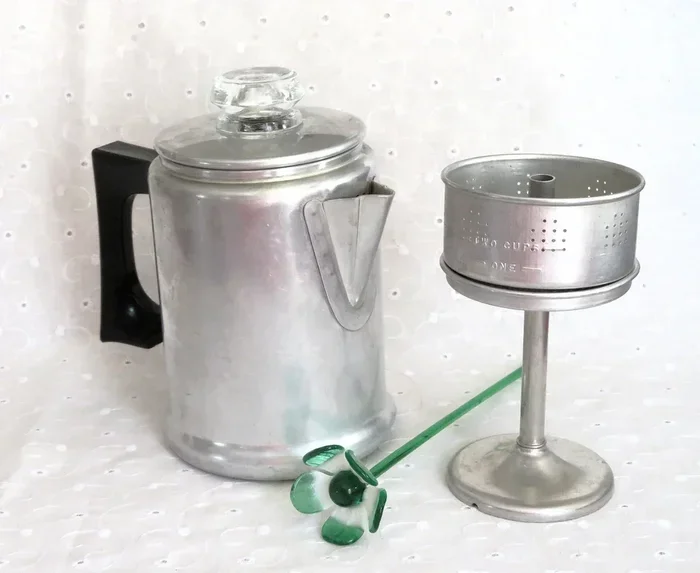
Most stovetop percolators are made from stainless steel or aluminum. They are durable and last for years. You do not need electricity to use them. This makes them perfect for camping trips, outdoor gatherings, or kitchens without counter space.
Stovetop models are also very affordable. You can find a quality one for under fifty dollars. If you want a vintage coffee maker experience, a stovetop percolator is the way to go.
Electric Percolators
Electric percolators plug into an outlet and heat the water on their own. They are more convenient if you do not want to stand over the stove. You set it, forget it, and let the machine do the work.
Many electric models come with automatic shut-off features. This adds a layer of safety and convenience. Brands like Cuisinart and Mr. Coffee offer solid electric options. They combine the old-school percolator style with modern kitchen appliance technology.
Electric percolators tend to cost a bit more than stovetop versions. But they offer ease of use that many people appreciate. If you brew coffee daily, an electric model might be worth the investment.
How a Percolator Coffee Pot Works
Understanding how a percolator coffee pot works helps you brew better coffee. The process is actually quite simple and elegant.
Water sits in the bottom chamber of the pot. As it heats up, it travels up through a tube. The hot water then flows over the coffee grounds located in a basket at the top. The water drips back down into the bottom chamber. This cycle repeats throughout the brewing process.
This continuous cycling is what gives percolator coffee its bold, intense flavor. The water passes through the grounds multiple times. Each pass extracts more flavor and oils from the coffee grounds. The result is a very strong, full-bodied cup of coffee.
Unlike a drip machine, a percolator does not use a paper filter. The coffee grounds stay in a reusable basket. This means more of the natural oils end up in your cup. That is a big part of why the flavor is so rich.
If you are interested in other ways to brew without a machine, check out how to make coffee without a filter or machine for some great alternatives. Each method brings its own unique character to the cup.
Tips for Getting the Best Brew
Brewing with a percolator takes a little practice. Here are some quick tips to improve your results:
- Use coarsely ground coffee. Fine grounds can slip through the basket and make your coffee gritty.
- Do not overfill the grounds basket. A level scoop works best for balanced flavor.
- Watch the heat level. Medium heat prevents the coffee from tasting bitter or burnt.
- Brew for about 7 to 10 minutes. This timing gives you a strong but smooth cup.
- Let the coffee rest for a minute before pouring. This helps the grounds settle.
Why Coffee Lovers Are Returning to Percolators
The percolator coffee pot is making a strong comeback. But why are so many people switching back to this older method? There are several compelling reasons.
Bold, Rich Flavor
The number one reason people love percolators is the taste. Percolated coffee is bold and intense. It has a depth of flavor that drip machines often struggle to match. If you like your coffee strong, a percolator delivers exactly what you want.
The continuous cycling process extracts more oils from the beans. These oils carry a lot of the flavor and aroma. Every sip feels rich and satisfying. It is the kind of coffee that wakes you up and keeps you going.
Simplicity and Durability
Percolators are incredibly simple machines. There are no complicated buttons or digital displays. You put in water, add grounds, and apply heat. That is it. This simplicity is refreshing in a world full of complex kitchen appliances.
They are also built to last. A good stainless steel percolator can last for decades. Many families pass them down from one generation to the next. When you invest in a percolator coffee pot, you are buying something that will stick around.
Nostalgia and Tradition
There is a strong emotional connection to percolators. Many people associate them with family gatherings, camping trips, and Sunday mornings. Using a percolator brings back warm memories. It connects you to a simpler time in the kitchen.
This nostalgia factor is a huge part of the current trend. People want to slow down and enjoy the process of making coffee. A percolator makes that possible. It turns coffee brewing into a ritual rather than a rushed task.
No Need for Paper Filters or Pods
Percolators use a reusable basket for the grounds. You do not need to buy paper filters or single-serve pods. This saves money over time. It is also better for the environment. Less waste means a smaller footprint in your kitchen.
If you enjoy exploring different brewing techniques, you might also want to look into how to properly preheat an oven for warming your percolator pot before brewing, which some enthusiasts swear by for better heat retention.
Portability and Versatility
Stovetop percolators work on gas stoves, electric stoves, and even campfires. This makes them incredibly versatile. You can take one on a camping trip or use it at a cabin in the woods. They do not need electricity to function.
Electric percolators add convenience for home use. But the stovetop version gives you freedom anywhere there is a heat source. This flexibility appeals to outdoor enthusiasts and minimalist cooks alike.
Top Brands Still Making Percolator Coffee Pots Right Now
Several brands are keeping the percolator coffee pot alive with quality products. Here are some of the most trusted names you can look into.
- Farberware: One of the most well-known names in percolators. They offer both stovetop and electric models. Farberware percolators are durable and affordable.
- Cuisinart: A trusted kitchen appliance brand that makes reliable electric percolators. Their models often include modern features like auto shut-off.
- Coleman: Known for outdoor gear, Coleman also makes excellent stovetop percolators. They are perfect for camping and RV use.
- Mr. Coffee: A household name that offers simple, effective electric percolators. Great for everyday home brewing.
- Gloria Jeans: An Australian brand that produces quality percolators with a focus on bold coffee extraction.
Each brand brings something different to the table. Your choice depends on your budget, preferred style, and how you plan to use the percolator. Reading reviews and comparing features will help you find the best fit.
What to Look for When Buying
Not all percolators are created equal. Here are some things to keep in mind before you buy:
- Material: Stainless steel is the most durable and easy to clean. Aluminum heats faster but can warp over time.
- Capacity: Percolators come in sizes from 3 cups to 12 cups. Choose one that matches your household size.
- Type: Decide between stovetop and electric based on your kitchen setup and preferences.
- Price: Quality percolators range from twenty to eighty dollars. You do not need to spend a fortune for a great cup.
- Ease of cleaning: Look for models with removable baskets and wide openings for easy washing.
Common Mistakes to Avoid When Using a Percolator
Even though percolators are simple, there are a few mistakes people commonly make. Avoiding these will improve your coffee every time.
- Using boiling water from the start. This can cause the coffee to taste harsh. Start with cold or room temperature water.
- Using too fine a grind. Fine grounds clog the basket and create sediment in your cup. Stick with a coarse grind.
- Leaving it on high heat too long. Overheating makes coffee bitter and burnt-tasting. Medium heat is the sweet spot.
- Overfilling the grounds basket. More is not better. Use the recommended amount for cleanest flavor.
- Ignoring the percolator after it starts. Even though they are simple, checking on the brew time helps you get the best results.
By avoiding these mistakes, you will enjoy a much better cup every time. A little attention goes a long way with percolator brewing.
Maintenance Tips for Your Percolator Coffee Pot
Taking care of your percolator ensures it lasts for many years. Maintenance is simple and straightforward.
- Clean after every use. Rinse out all coffee grounds and wash the basket and pot with warm soapy water.
- Descale regularly. Mineral buildup can affect performance. Use a vinegar and water solution to clean the inside.
- Check the tube and basket. Make sure nothing is clogged or damaged before each use.
- Store properly. Keep the pot in a dry place with the lid slightly open to prevent moisture buildup.
- Replace worn parts. Gaskets and tubes are inexpensive and easy to swap out when needed.
With proper care, your percolator coffee pot can easily last 10 to 20 years. Some people have used the same pot for over 30 years. That is the kind of durability you get with these classic coffee makers.
If you are looking for more kitchen tips and tricks, check out how to make bacon in the oven without parchment paper for another great example of simple, effective cooking techniques that work with basic kitchen tools.
The Bottom Line
The percolator coffee pot is alive and well. It is not a relic of the past. It is a relevant, practical, and flavorful choice for coffee lovers today. Whether you choose a stovetop model or an electric one, you are getting a proven coffee brewing method that delivers bold, satisfying results.
The comeback of the percolator is not just a trend. It is a return to what works. People are rediscovering the joy of making coffee the old-fashioned way. The rich flavor, the simple design, and the lasting durability all speak for themselves.
If you have never tried a percolator, now is the perfect time to start. Pick up a quality model, experiment with your grind size and brew time, and enjoy the process. Once you taste percolator coffee, you may never go back to your old machine. The percolator coffee pot offers something that modern coffee makers often cannot: a truly bold and authentic cup of coffee.
Frequently Asked Questions
Are percolator coffee pots still being manufactured?
Yes, percolator coffee pots are still being made by several brands today. Companies like Farberware, Cuisinart, Coleman, and Mr. Coffee continue to produce both stovetop and electric models. You can easily find them online and in retail stores.
Is percolator coffee better than drip coffee?
It depends on your personal taste. Percolator coffee tends to be bolder and more intense because the water cycles through the grounds multiple times. Drip coffee is usually milder and cleaner. If you prefer strong coffee, a percolator might be the better choice for you.
Can I use a percolator on any type of stove?
Most stovetop percolators work on gas and electric stoves. Some models are also compatible with induction cooktops. Always check the manufacturer’s instructions before using your percolator on a specific stove type to avoid damage.
How long does it take to brew coffee in a percolator?
A typical brew cycle takes about 7 to 10 minutes. The exact time depends on the heat level and the size of the percolator. Brewing for too long can make the coffee bitter, so keep an eye on the process.
Do percolator coffee pots need paper filters?
No, percolators do not use paper filters. They have a reusable basket that holds the coffee grounds. This means no extra cost for filters and less waste. It also allows more natural oils to stay in the coffee.
What is the best material for a percolator coffee pot?
Stainless steel is widely considered the best material. It is durable, easy to clean, and does not affect the flavor of the coffee. Aluminum percolators heat faster but can be less durable over time. Choose based on your priorities and budget.