120 Mg Caffeine Is How Many Cups Of Coffee You Drink
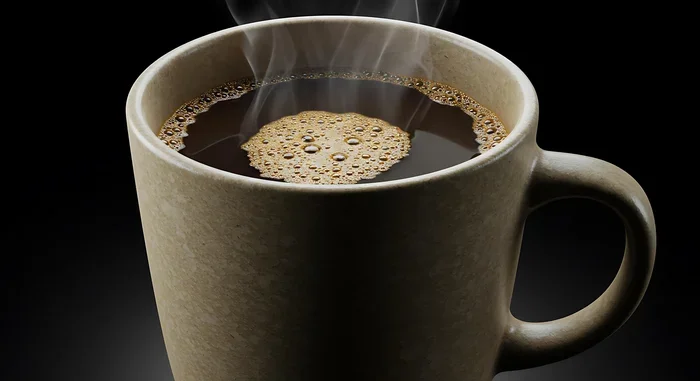
120 mg of caffeine is roughly equal to one to one and a half standard cups of brewed coffee. The exact amount depends on your coffee serving size, brewing method, and the type of coffee beans you use. Understanding caffeine content per cup helps you manage your daily caffeine intake and stay within safe limits.
Have you ever wondered exactly how much coffee you need to drink to reach 120 mg of caffeine? It is a simple question, but the answer is not always straightforward. The number of cups depends on several factors, including the type of coffee, how you brew it, and the size of your mug. In this guide, we break it all down so you know exactly what you are drinking.
Many coffee lovers enjoy their daily cup without thinking about the caffeine in each serving. But understanding your caffeine intake matters. Whether you are trying to stay within safe limits or just curious about your coffee consumption, knowing how much caffeine is in your cup helps you make better choices. Let us dive into the details of 120 mg caffeine and what that really means for your daily routine.
Key Takeaways
- One standard cup of brewed coffee contains about 80 to 100 mg of caffeine. So 120 mg is roughly one to one and a half cups.
- Espresso shots pack more caffeine per ounce. A single shot has about 63 mg, so two shots get you close to 120 mg.
- Caffeine levels vary by brew method. Drip coffee, French press, and cold brew all have different caffeine concentrations.
- The FDA recommends no more than 400 mg of caffeine per day for healthy adults. That is about four to five cups of regular coffee.
- Factors like roast level, grind size, and bean type all affect how much caffeine ends up in your cup.
- Knowing your caffeine sensitivity helps you enjoy coffee without side effects like jitters or insomnia.
📑 Table of Contents
- Understanding Caffeine Content in Coffee
- How Many Cups of Coffee Equal 120 Mg of Caffeine?
- Daily Caffeine Recommendations and Safe Limits
- Signs You Have Had Too Much Caffeine
- Tips for Managing Your Caffeine Intake
- Quick Tips for Coffee Lovers
- Common Mistakes People Make With Caffeine
- Expert Insights on Caffeine and Coffee
- Conclusion
Understanding Caffeine Content in Coffee
Caffeine is a natural stimulant found in coffee beans, tea leaves, and even some foods. It is the most widely consumed psychoactive substance in the world. Most people drink coffee specifically for the energy boost it provides. But how much caffeine actually ends up in your cup? That depends on a few key things.
The caffeine content in coffee varies widely. A single cup can range from about 30 mg to over 200 mg. This wide range exists because of differences in beans, brewing time, water temperature, and serving size. When people ask how many cups equal 120 mg of caffeine, they are really asking about their personal caffeine per cup ratio.
What Affects Caffeine Levels in Your Brew?
Several factors play a role in determining the caffeine level in your coffee. Let us look at the most important ones.
- Coffee Bean Type: Robusta beans contain almost double the caffeine of Arabica beans. If you drink a blend with Robusta, your cup will have more caffeine content.
- Roast Level: Lighter roasts retain slightly more caffeine than dark roasts. This surprises many coffee drinkers who assume dark roast is stronger.
- Grind Size: Finer grinds extract more caffeine during brewing. A fine espresso grind pulls out more caffeine than a coarse French press grind.
- Brewing Time: The longer water sits with the grounds, the more caffeine transfers into the cup. Cold brew, which steeps for hours, often has higher caffeine levels.
- Water Temperature: Hotter water extracts caffeine more efficiently. This is why drip coffee and espresso tend to be strong in caffeine.
- Serving Size: A standard cup is 8 ounces. But many mugs hold 12 to 16 ounces. A larger mug means more caffeine per serving.
How Many Cups of Coffee Equal 120 Mg of Caffeine?
This is the core question, and the answer depends on the type of coffee you drink. Let us look at the most common brewing methods and what 120 mg of caffeine looks like for each one.
Standard Brewed Coffee
A typical 8-ounce cup of brewed coffee contains about 80 to 100 mg of caffeine. That means 120 mg of caffeine is roughly equal to one standard cup and a little extra. If you pour a larger mug, say 12 ounces, you might hit 120 mg with just one serving. The coffee serving size really matters here.
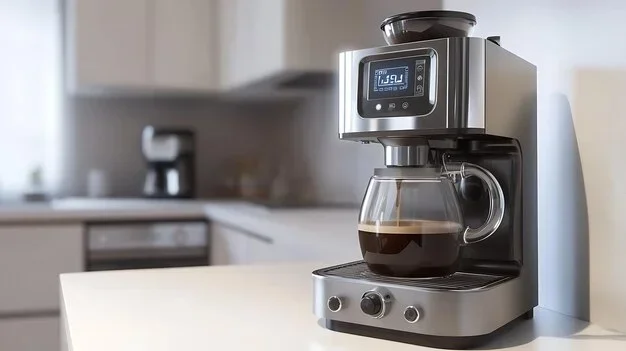
If you use a drip coffee maker at home, the caffeine content can vary. Machine brewing temperatures and contact times differ from one model to another. A brand new coffee maker might brew slightly differently than an older one, affecting extraction. But on average, you can expect about 95 mg per 8-ounce cup of standard drip coffee.
Espresso and Espresso-Based Drinks
A single shot of espresso contains about 63 mg of caffeine. So two shots give you roughly 126 mg, which is very close to 120 mg. Many popular coffee drinks use two shots of espresso. Think about lattes, cappuccinos, and americanos. A medium-sized latte from a coffee shop often contains two espresso shots.
If you drink a single shot of espresso, you would need about one and a half shots to reach 120 mg. That is why espresso-based drinks are a popular choice for those who want a strong energy boost without drinking a full mug of drip coffee.
French Press Coffee
French press coffee tends to have a slightly higher caffeine content than drip coffee. This is because the grounds steep in water for a longer time, usually four to five minutes. An 8-ounce cup of French press coffee can contain about 80 to 130 mg of caffeine. So 120 mg falls right in the middle of that range for one cup.
Cold Brew Coffee
Cold brew is known for being strong. The long steeping process, often 12 to 24 hours, pulls out a lot of caffeine. Cold brew concentrate can have 200 mg or more per 8-ounce serving. But most people dilute cold brew with water or milk before drinking. Once diluted, the caffeine per cup drops closer to 100 to 150 mg. So one diluted cup of cold brew could easily hit your 120 mg target.
Instant Coffee
Instant coffee is the mildest option on this list. One teaspoon of instant coffee dissolved in water gives you about 30 to 50 mg of caffeine. To reach 120 mg, you would need to drink about two to three cups of instant coffee. Many people find this a gentler way to enjoy their daily coffee intake.
Daily Caffeine Recommendations and Safe Limits
Knowing how much caffeine is in your cup is only half the picture. You also need to understand how much is safe to drink each day. Health experts have clear guidelines on this.
The U.S. Food and Drug Administration (FDA) says that up to 400 mg of caffeine per day is safe for most healthy adults. That equals about four to five standard cups of brewed coffee. But individual tolerance varies a lot. Some people feel fine with more, while others get jittery after just one cup.
Who Should Watch Their Caffeine Intake?
Not everyone should consume the same amount of caffeine. Certain groups need to be more careful:
- Pregnant Women: Doctors recommend limiting caffeine to 200 mg per day during pregnancy. That is about two cups of regular coffee.
- People with Heart Conditions: Caffeine can raise heart rate and blood pressure temporarily. Those with heart issues should talk to their doctor.
- Individuals with Caffeine Sensitivity: Some people metabolize caffeine slowly. Even a small amount can cause restlessness, anxiety, or insomnia.
- Teens and Children: Experts advise that adolescents limit caffeine to no more than 100 mg per day. Younger children should avoid it altogether.
If you fall into any of these groups, tracking your caffeine metabolism is especially important. Your body processes caffeine at different rates based on genetics, age, and overall health.
Signs You Have Had Too Much Caffeine
Most people can handle 120 mg of caffeine without any problems. But some individuals are more sensitive to this stimulant. Knowing the signs of too much caffeine helps you stay in control.
Common symptoms of excess caffeine include:
- Jitters and Nervousness: You might feel shaky or restless after drinking too much coffee.
- Rapid Heartbeat: A noticeably fast or irregular heartbeat can signal that you have exceeded your tolerance.
- Insomnia: Caffeine can disrupt your sleep, especially if you drink it late in the day.
- Stomach Upset: Too much caffeine can cause nausea, acid reflux, or digestive discomfort.
- Headaches: Ironically, while caffeine helps headaches in small doses, too much can cause rebound headaches.
- Anxiety: High caffeine intake can worsen feelings of anxiety or panic in sensitive individuals.
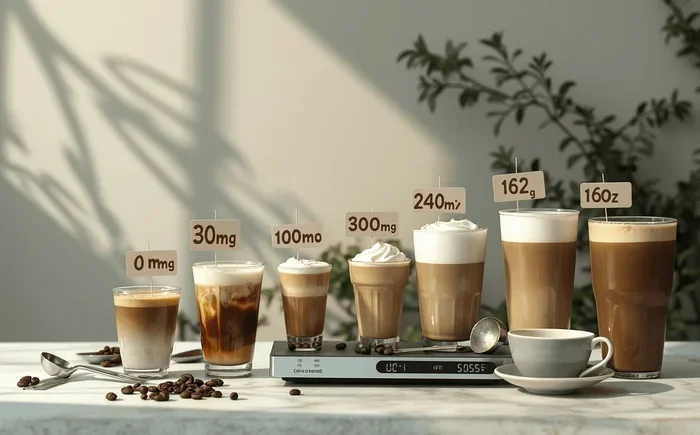
If you experience any of these symptoms, it might be time to cut back. A caffeine chart can help you track how much you are consuming across different drinks and foods throughout the day.
Tips for Managing Your Caffeine Intake
Managing your caffeine consumption does not mean giving up coffee entirely. It means being mindful and intentional about what you drink. Here are some practical tips to help you stay balanced.
Track Your Daily Caffeine
Start by keeping a simple log of everything you drink that contains caffeine. This includes coffee, tea, soda, energy drinks, and even chocolate. Many apps make this easy. Once you see your daily total, you can adjust to stay within the 400 mg guideline.
Know Your Mug Size
A standard coffee cup is 8 ounces. But most coffee mugs hold 12 to 16 ounces. If you drink from a large mug, you are getting more caffeine per serving than you might think. Using a smaller mug is an easy way to control your intake without giving up your coffee habit.
Choose Your Brew Method Wisely
Different brewing methods produce different caffeine levels. If you want a milder cup, try instant coffee or a shorter brew time. If you want more caffeine in less volume, espresso or cold brew concentrate is your best bet. Understanding the coffee brewing process gives you more control over your cup.
Pair Coffee with Food
Drinking coffee on an empty stomach can amplify its effects. Eating a meal or snack before your morning cup helps slow caffeine absorption. Some people enjoy pairing their coffee with baked goods. If you like baking, you might even try making cupcakes in a toaster oven for a quick treat alongside your coffee.
Consider Half-Caff or Decaf Options
If you love the taste of coffee but want to reduce caffeine, half-caff blends are a great option. You get the flavor with about half the caffeine content. Decaf coffee still has trace amounts of caffeine, usually 2 to 5 mg per cup, so it is a safe choice for most people.
Stay Hydrated
Caffeine is a mild diuretic, which means it can increase urine output. Drinking plenty of water alongside your coffee helps you stay hydrated. This simple habit reduces the risk of caffeine-related headaches and fatigue.
Quick Tips for Coffee Lovers
- One standard cup of brewed coffee has about 95 mg of caffeine on average.
- 120 mg of caffeine equals roughly one to one and a half cups of regular drip coffee.
- Two shots of espresso get you to about 126 mg of caffeine.
- Cold brew diluted can hit 120 mg in a single 8-ounce cup.
- Always check the label on coffee drinks from shops, as sizes and caffeine levels vary widely.
- Your body weight, genetics, and tolerance all affect how caffeine impacts you.
Common Mistakes People Make With Caffeine
Many coffee drinkers make mistakes that lead to overconsumption or underwhelming results. Here are a few to watch out for.
Mistake 1: Assuming all coffee is the same. A cup from a fast food restaurant is not the same as a cup from a specialty coffee shop. The beans, brew time, and serving size all differ. Always check the caffeine content when available.
Mistake 2: Ignoring hidden caffeine sources. Caffeine hides in tea, soda, energy drinks, and even some medications. If you drink coffee and also consume these sources, your total intake may be higher than you think.
Mistake 3: Drinking coffee too late in the day. Caffeine has a half-life of about five to six hours. That means if you drink a cup at 4 PM, half of the caffeine is still in your system at 10 PM. This can seriously affect your sleep quality.
Mistake 4: Chugging coffee on an empty stomach. This can cause acid reflux and increase jitteriness. Food helps buffer the effects of caffeine on your stomach.
Mistake 5: Not adjusting for roast type. Many people assume dark roast has more caffeine because it tastes stronger. In reality, light roast has slightly more caffeine per gram of bean. The difference is small, but it is worth knowing.
Expert Insights on Caffeine and Coffee
Nutritionists and dietitians generally agree that moderate coffee consumption is safe for most adults. The key word is moderate. Most studies define moderate intake as three to four cups of brewed coffee per day, which provides roughly 300 to 400 mg of caffeine.
Dr. Rob van Dam, a professor of nutrition at the Harvard T.H. Chan School of Public Health, has noted that coffee consumption is linked to several health benefits when consumed in moderation. These include reduced risk of type 2 diabetes, Parkinson’s disease, and certain liver conditions. But he also emphasizes that individual responses to caffeine vary greatly.
The bottom line is that 120 mg of caffeine is a moderate and manageable amount for most people. It is about one to one and a half standard cups of coffee. If you enjoy your coffee mindfully and pay attention to how your body responds, you can comfortably include it in your daily routine.
Conclusion
So, 120 mg caffeine is how many cups of coffee? The answer is about one to one and a half standard cups of brewed coffee, depending on your brew method and serving size. Whether you prefer drip coffee, espresso, French press, or cold brew, understanding your caffeine content per cup empowers you to make informed choices.
Remember that safe daily limits, individual tolerance, and brewing methods all play a role in how caffeine affects you. Keep track of your intake, pay attention to how your body feels, and enjoy your coffee with confidence. A well-informed coffee drinker is a happy coffee drinker.
Next time you reach for your morning cup, you will know exactly how much caffeine you are getting. And that knowledge makes every sip even more enjoyable. Cheers to your next cup of coffee!
Frequently Asked Questions
Is 120 mg of caffeine a lot?
No, 120 mg is considered a moderate amount of caffeine. For most healthy adults, up to 400 mg per day is safe. So 120 mg is well within the recommended range and roughly equals one to one and a half standard cups of brewed coffee.
How long does it take for 120 mg of caffeine to kick in?
Caffeine typically starts to take effect within 15 to 45 minutes after consumption. Peak levels in your blood usually occur about one hour after drinking. The exact timing depends on your metabolism, whether you have eaten recently, and your overall caffeine tolerance.
Can I drink coffee with 120 mg of caffeine before bed?
It is not recommended. Caffeine has a half-life of five to six hours, meaning half of it is still in your system many hours later. Even 120 mg can disrupt sleep for sensitive individuals. It is best to avoid caffeine at least six hours before bedtime.
Does decaf coffee have any caffeine?
Yes, decaf coffee still contains a small amount of caffeine, usually between 2 and 5 mg per 8-ounce cup. While it is very low, people who are extremely sensitive to caffeine should be aware of this trace amount.
How can I reduce my caffeine intake without giving up coffee?
Try switching to half-caff blends, drinking smaller portions, or choosing a lighter roast. You can also dilute your coffee with water or milk to reduce the caffeine concentration per sip. Gradually cutting back helps avoid withdrawal headaches.
What happens if you consume more than 400 mg of caffeine daily?
Exceeding 400 mg per day can lead to side effects like insomnia, jitters, rapid heartbeat, and digestive issues. In rare cases, very high caffeine intake can cause more serious problems. If you regularly consume more than 400 mg, consider reducing your intake gradually.