How To Keep Coffee Beans Fresh And Enjoy Them Longer
Keeping coffee beans fresh is all about storing them the right way. You will learn how airtight containers, proper temperature, and smart habits protect your coffee flavor and aroma. This guide covers everything from whole bean coffee storage to avoiding common mistakes that ruin your beans.
There is nothing quite like the smell of fresh coffee beans. That rich aroma fills your kitchen and sets the tone for your entire morning. But here is the sad truth: coffee beans lose their freshness fast if you do not store them properly.
Many people buy a bag of beans, toss it in the pantry, and forget about it. Within a few weeks, the coffee flavor fades, the coffee aroma disappears, and you end up with a flat, boring cup. This does not have to happen.
In this guide, we will walk you through everything you need to know about how to keep coffee beans fresh. From choosing the right storage container to avoiding common mistakes, you will find practical tips that make a real difference. Whether you are a casual coffee drinker or a serious enthusiast, these steps will help you enjoy better coffee every single day.
Key Takeaways
- Whole bean coffee stays fresh longer than ground coffee: whole beans preserve flavor and aroma much better over time.
- Airtight containers are essential: exposure to air causes coffee oxidation and kills freshness fast.
- Keep beans away from heat and light: kitchen heat sources like ovens speed up flavor loss.
- Buy in small batches: purchasing only what you need ensures you always use beans close to their roast date.
- Avoid the fridge and freezer: moisture and odors can damage your coffee bean quality more than help it.
- Grind just before brewing: this simple habit dramatically improves your cup of coffee.
📑 Table of Contents
Why Coffee Bean Freshness Matters
Fresh coffee beans make a huge difference in your cup. When beans are fresh, they have more coffee tasting notes, a brighter aroma, and a smoother flavor. Stale beans, on the other hand, taste flat and lifeless.
Here is what happens after coffee beans are roasted. They start to release carbon dioxide in a process called degassing. This is totally normal. But over time, the beans also lose their oils and aromatic compounds. That is what gives coffee its rich smell and complex flavor. Once those compounds fade, there is no getting them back.
The Science Behind Coffee Freshness
Coffee oxidation is the main enemy of fresh beans. When oxygen touches the beans, it breaks down the flavorful oils. This process speeds up once beans are ground. That is why whole bean coffee stays fresh much longer than pre-ground coffee. A bag of whole beans can stay good for several weeks, while ground coffee may lose its peak flavor within days.
Another factor is moisture. Beans are porous, which means they absorb smells and liquids from their surroundings. If you store beans near strong odors or in a humid spot, the coffee bean quality drops fast. This is why coffee bean storage matters so much.
Roast Date vs. Expiration Date
Most coffee bags come with an expiration date, but that is not the best indicator of freshness. Look for the coffee roast date instead. Beans are at their best within two to four weeks after roasting. After that, they start to decline in flavor. If your bag does not have a roast date, it is probably old beans.
Buying from local roasters or specialty shops is a great way to get beans with a clear roast date. You will taste the difference right away. The coffee bean freshness timeline is real, and it affects every sip.
How To Store Coffee Beans Properly
Proper storage is the single most important thing you can do to keep your beans fresh. The good news is that it is simple and does not require expensive equipment. Let us break down the key factors.
Keep Beans Away From Heat
Heat is one of the biggest enemies of coffee beans. Warm temperatures speed up the oxidation process and cause the oils to go rancid faster. This is why you should never store beans near your stove, oven, or any heat-producing appliance. Think about how much heat a kitchen generates during cooking. Even something like baking eggplant in the oven raises the temperature in your kitchen and can affect nearby food and stored items.
Instead, pick a cool, dark spot in your kitchen. A pantry or a cupboard away from the stove works perfectly. The goal is a steady, moderate temperature. Avoid spots near windows where sunlight can heat up the beans throughout the day.
Protect Beans From Light
Sunlight and artificial light both degrade coffee beans over time. UV rays break down the aromatic compounds that give coffee its wonderful smell and taste. This is why coffee is often sold in opaque, sealed bags. You should follow the same principle at home.
Store your beans in a dark place. If your pantry has a clear door, consider using an opaque container. Keeping beans away from light is one of the easiest coffee storage tips you can follow, and it makes a noticeable difference in how long your beans stay fresh.
Control Moisture Levels
Coffee beans are sensitive to moisture. When they absorb water from the air, the flavor changes and mold can develop. A dry storage environment is key to maintaining coffee bean quality.
Do not store beans in the refrigerator. The fridge is full of moisture and strong food odors. Beans will absorb those smells, and the condensation can ruin the texture and taste. The same goes for the freezer, though we will cover that in more detail later. For now, just remember: a dry, cool, and dark spot is your best friend when it comes to coffee bean storage.
The Best Containers For Coffee Bean Storage
The container you choose matters more than most people realize. Not all containers are created equal, and the wrong one can speed up the staling process.
Airtight Containers Are A Must
The best coffee storage container is one that seals tightly and keeps air out. Airtight containers slow down oxidation and protect the beans from moisture and odors. Look for containers with a rubber gasket or a clamp seal. These create a tight closure that keeps your beans safe.
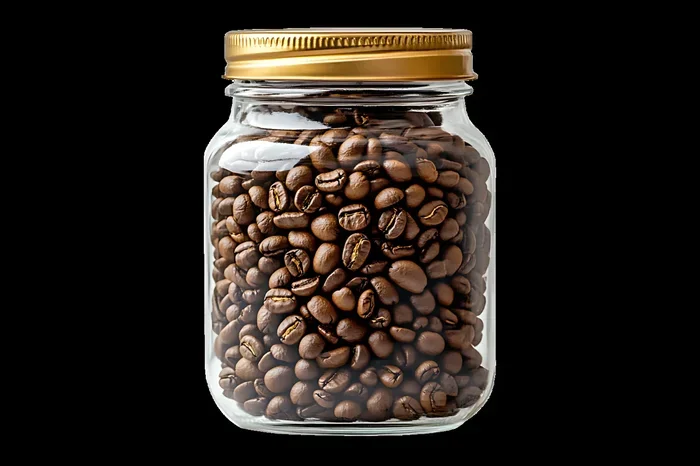
You do not need to spend a lot of money on fancy storage. A simple glass jar with a tight lid works well, as long as it is kept in a dark cabinet. The key is minimizing the amount of air that touches the beans.
One-Way Valve Bags
Many specialty coffee bags come with a one-way valve. This tiny valve lets carbon dioxide escape from the bag without letting oxygen in. If you buy beans in these bags, you can store them right in the bag. Just make sure you seal it tightly after each use. This is one of the most convenient coffee packaging options, and it works great for short-term storage.
Vacuum Seal Containers
For long-term storage, vacuum seal containers are a great option. They remove excess air from the container, which slows down the aging process significantly. These containers are especially useful if you buy beans in bulk or want to stock up on your favorite roast.
Just remember that vacuum-sealed beans should still be used within a reasonable timeframe. Even with the best container, beans will eventually lose their peak flavor. Vacuum storage buys you extra time, but it does not make beans last forever.
Avoid Clear Glass Containers
Clear glass jars look nice on your countertop, but they expose beans to light. If you love the look, store the jar inside a dark cupboard or drawer. Better yet, choose an opaque ceramic or stainless steel container. These materials block light and often come with airtight seals built in.
Common Mistakes That Ruin Coffee Freshness
Even with the best intentions, many people make mistakes that shorten the life of their coffee beans. Here are the most common ones to avoid.
Storing Beans in the Freezer
This is probably the most debated topic in coffee storage. Some people swear by freezing beans, while others say it ruins them. The truth is in the middle. Freezing beans can work if you do it correctly, but most people do it wrong.
The problem is condensation. Every time you take beans out of the freezer, moisture forms on the surface. This moisture damages the beans and introduces odors. If you do freeze beans, divide them into small portions, seal them in airtight containers, and only take out what you need. Never refreeze beans that have already been thawed.
For most home coffee drinkers, the freezer is not necessary. A cool, dark pantry with a good container will keep beans fresh for weeks without the risk of moisture damage.
Grinding Beans Too Early
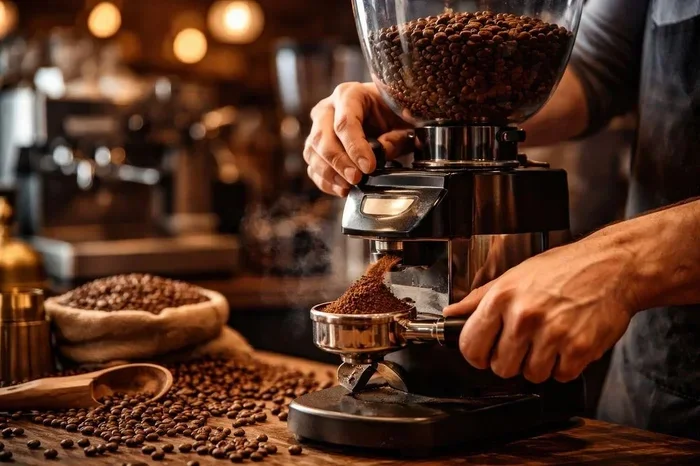
Once you grind coffee beans, the clock starts ticking. Ground coffee has a much larger surface area exposed to air, which means it loses freshness up to ten times faster than whole beans. If you want the best coffee flavor and coffee aroma, grind your beans right before brewing.
Invest in a good burr grinder if you do not already have one. Burr grinders give you a consistent grind size, which leads to better extraction and a more balanced cup. A blade grinder works too, but it does not give you as much control over the grind.
Buying Too Much Coffee at Once
Buying coffee in bulk can save money, but it can also lead to wasted beans. If you buy a large bag and do not use it quickly enough, the beans will go stale before you finish them. The sweet spot is to buy only what you will use within two to three weeks.
If you do buy in bulk, portion the beans into smaller airtight containers. Keep one container at room temperature for daily use, and store the rest in a cool, dark place. This way, you always have fresh beans on hand without wasting any.
Leaving the Bag Open
Leaving your coffee bag open after each use is one of the fastest ways to go stale. Exposure to air, light, and moisture all happen at once when the bag is left unsealed. Always close your bag tightly, or transfer the beans to a sealed container.
How Long Do Coffee Beans Stay Fresh
The shelf life of coffee beans depends on several factors, including how they are stored and whether they are whole or ground. Here is a quick breakdown.
- Whole bean coffee: stays at peak freshness for about two to four weeks after roasting. With proper storage, beans can still taste good up to two months after the roast date, but the flavor will be less vibrant.
- Ground coffee: loses freshness much faster. Ground coffee is best used within one to two weeks of grinding. After that, the coffee taste declines noticeably.
- Vacuum-sealed beans: can last up to six months because the lack of oxygen slows the aging process significantly.
- Instant coffee: has the longest shelf life, often lasting one to two years, but it does not compare to freshly roasted beans in terms of flavor.
Keep in mind that these are general guidelines. The actual freshness window depends on the roast level, the bean origin, and how well you store them. Dark roasts tend to go stale faster than light roasts because they have more porous surfaces and fewer protective oils.
Tips For Maximum Coffee Bean Freshness
Now that you know the basics, here are some extra tips to get the most out of your beans.
Buy From Local Roasters
Local roasters often sell beans within days of roasting. This means you get beans that are incredibly fresh right out of the bag. Many roasters also provide a clear roast date, so you always know exactly how old your beans are. Supporting local businesses is a bonus too.
Use a Coffee Storage Canister With a Date Tracker
Some coffee storage containers come with a built-in date tracker. You write the roast date on the lid, and the container reminds you when the beans are past their prime. This is a simple but effective way to stay on top of your coffee freshness game.
Keep Your Grinder Clean
Old coffee oils build up inside your grinder over time, and they can go rancid. This affects the flavor of every new batch you grind. Clean your grinder regularly to ensure you are always getting the best taste from your beans.
Store Beans at Room Temperature
Room temperature is the sweet spot for coffee bean storage. It is cool enough to slow oxidation but warm enough to avoid condensation. A consistent temperature is better than fluctuating temperatures, so avoid moving beans between hot and cold spots in your kitchen.
Use Beans Within Two Weeks of Opening
Once you open a bag of beans, try to use them within two weeks. This is when they are at their freshest and most flavorful. After two weeks, the beans are still usable, but the coffee aroma and complexity will start to fade.
Conclusion
How to keep coffee beans fresh does not have to be complicated. With the right container, a cool and dark storage spot, and a few smart habits, you can enjoy great-tasting coffee for weeks. The key is to minimize exposure to air, heat, light, and moisture. Buy whole bean coffee whenever possible, grind just before brewing, and always check the roast date.
These simple steps will transform your morning coffee routine. You will notice the difference in flavor, aroma, and overall enjoyment. Fresh beans are the foundation of a great cup of coffee, and now you have everything you need to keep them at their best. Start today, and your taste buds will thank you.
Frequently Asked Questions
Can I store coffee beans in the refrigerator?
It is not recommended. The refrigerator is full of moisture and food odors, both of which can damage your beans. Coffee beans absorb smells easily, and the condensation can ruin the flavor. Stick to a cool, dark pantry instead for the best coffee bean storage results.
How do I know if my coffee beans have gone stale?
Stale beans lose their aroma and taste flat. You can also check the roast date on the bag. If it has been more than four weeks since roasting, the beans may have lost their peak freshness. Fresh beans should smell rich and smell slightly oily on the surface.
Should I keep coffee beans in the original bag?
Yes, if the bag has a one-way valve and you can seal it tightly. Otherwise, transfer the beans to an airtight container. The original bag works well for short-term storage, but an airtight container gives you better protection against air and moisture over time.
Is whole bean coffee really better than ground coffee?
Yes, whole bean coffee stays fresh significantly longer than ground coffee. The smaller surface area of whole beans slows down oxidation and preserves the coffee flavor and aroma for weeks. For the best results, grind your beans right before you brew them.
What is the best container for storing coffee beans?
The best container is airtight, opaque, and made of glass, ceramic, or stainless steel. Avoid clear containers that let light in, and make sure the lid seals tightly. A simple glass jar with a rubber gasket lid works great and keeps your beans protected from air and light.
Can I freeze coffee beans to make them last longer?
You can, but it comes with risks. Freezing can introduce moisture and odors that damage the beans. If you do freeze them, use a small airtight container, take out only what you need, and never refreeze thawed beans. For most people, a cool pantry is the simpler and safer option for maintaining coffee bean freshness.