Can You Grind Coffee Beans And Store Them The Right Way
Yes, you can grind coffee beans and store them, but timing and storage method matter a lot. Ground coffee loses its freshness fast, so knowing the right grind size, storage container, and shelf life is essential. This guide shows you exactly how to grind and store coffee beans to preserve maximum flavor and aroma every single time.
There is nothing quite like the smell of freshly ground coffee in the morning. That rich aroma fills your kitchen and tells you that a great cup of coffee is just minutes away. But here is the thing — once you grind those beans, the clock starts ticking. The flavor begins to fade fast. So can you grind coffee beans and store them without losing that beautiful taste? The short answer is yes. But the full answer depends on a few important things you need to know.
Grinding coffee beans and storing them the right way can make or break your morning cup. Many people grind their coffee the night before or even a few days ahead. They think it saves time. And it does. But if you do not store it correctly, you end up with flat, boring coffee that nobody wants to drink. This guide walks you through everything you need to know about grinding coffee beans and storing them so every cup tastes amazing.
We will cover the best grinders, the right storage containers, how long ground coffee lasts, and common mistakes that ruin your coffee flavor. Whether you are a casual coffee drinker or a serious home brewer, you will find practical tips you can use right away. Let us dive in.
Key Takeaways
- Grind just before brewing for the best flavor and aroma.
- Use an airtight container to slow down oxidation and keep coffee fresh.
- Store ground coffee in a cool, dark place away from heat and moisture.
- Whole bean coffee lasts longer than pre-ground coffee by a wide margin.
- Choose the right grinder type — burr grinders give a more consistent grind than blade grinders.
- Freezing coffee beans can work, but only if you do it correctly.
- Ground coffee stays fresh for 1 to 2 weeks when stored properly.
📑 Table of Contents
- Why Freshly Ground Coffee Matters So Much
- Choosing the Right Coffee Grinder
- How to Grind Coffee Beans for Storage
- The Best Storage Containers for Ground Coffee
- How Long Can You Store Ground Coffee?
- Common Mistakes People Make When Storing Ground Coffee
- Expert Tips for Maximum Freshness
- Final Thoughts on Grinding and Storing Coffee Beans
Why Freshly Ground Coffee Matters So Much
Coffee beans are full of oils, acids, and aromatic compounds. These are what give coffee its complex flavor and wonderful smell. The moment you grind a bean, you break open the cell walls and expose all those delicate compounds to air. This process is called oxidation, and it is the number one enemy of coffee flavor.
Think of it this way. When you cut an apple and leave it sitting out, it turns brown. That is oxidation at work. Ground coffee does the same thing, but instead of turning brown, it loses its flavor and aroma. The faster you brew after grinding, the better your coffee will taste.
Studies show that ground coffee loses up to sixty percent of its aromatic compounds within the first fifteen minutes of being exposed to air. That is a huge loss. This is why coffee experts always recommend grinding beans just before brewing. But life gets busy, and not everyone has time to grind beans every single morning. That is where proper storage comes in.
Whole Bean vs. Pre-Ground Coffee
Whole bean coffee stays fresh much longer than ground coffee. When coffee beans stay whole, the oils and flavors are sealed inside the bean. The surface area exposed to air is very small. But once you grind those beans, the surface area increases dramatically. More surface area means more contact with air, moisture, and light. All of these things speed up the staling process.
Here is a simple comparison to help you understand the difference:
- Whole bean coffee stays fresh for two to six months when stored properly.
- Ground coffee stays fresh for one to two weeks at best.
- Pre-ground coffee from the store can go stale in as little as a few days after opening the bag.
The takeaway is clear. If you want the best possible cup of coffee, grinding your own beans is the way to go. But if you must grind ahead of time, storing them correctly becomes absolutely essential.
Choosing the Right Coffee Grinder
Not all coffee grinders are created equal. The type of grinder you use has a big impact on the consistency of your grind, which directly affects the taste of your coffee. There are two main types to consider.
Burr Grinders
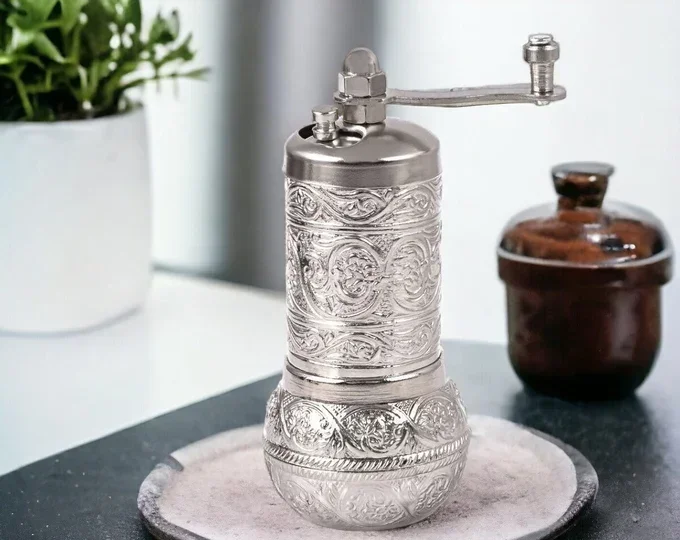
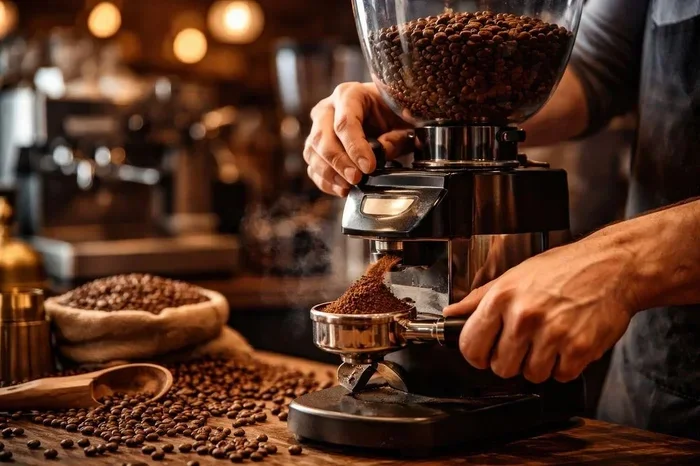
Burr grinders use two rotating surfaces — called burrs — to crush coffee beans into uniform particles. This gives you a very consistent grind size, which is important for even extraction. Even extraction means balanced flavor. Burr grinders come in both manual and electric versions. They tend to cost more than blade grinders, but the results are well worth it.
If you care about coffee quality, a burr grinder is the best investment you can make. Look for models with adjustable grind settings so you can go from coarse to fine depending on your brewing method.
Blade Grinders
Blade grinders use a spinning blade to chop coffee beans. They are cheaper and more common in kitchens. But they have a big downside — they do not produce a consistent grind size. You end up with a mix of fine powder and larger chunks. This uneven grind leads to uneven extraction. Some parts of your coffee will taste over-extracted and bitter, while other parts taste under-extracted and sour.
If you only have a blade grinder, try pulsing it in short bursts instead of running it continuously. This helps create a more even grind. And always use the grind right after you pulse it for the best results.
How to Grind Coffee Beans for Storage
So you have decided to grind your coffee ahead of time. Maybe you are making coffee for the whole week, or you just want a quick morning routine. That is totally fine. But how you grind and store them makes all the difference.
Grind Size Matters
The grind size you choose depends on how you plan to brew your coffee. Different brewing methods work best with different grind sizes. Here is a quick guide:
- Coarse grind works best for French press and cold brew.
- Medium grind is ideal for drip coffee makers and pour-over methods.
- Fine grind is best for espresso machines and moka pots.
- Extra fine grind is used for Turkish coffee.
When storing ground coffee, keep in mind that finer grinds go stale faster than coarser grinds. This is because fine grounds have even more surface area exposed to air. If you are grinding ahead of time, a slightly coarser grind may help preserve freshness a little longer.
The Best Way to Grind for Storage
If you are going to store ground coffee, here is the best approach. Grind the amount you need for three to four days at a time. Do not grind a whole week’s worth all at once. This keeps the coffee fresher for longer and reduces waste. Use a quality burr grinder set to your preferred size, and transfer the grounds directly into your storage container.
Some people like to roast their own beans at home. If you are doing that, you might find that roasting vegetables in the oven and roasting coffee beans share something in common — both need careful attention to heat and timing. The same principle applies to storing your roasted or ground coffee: keep it away from heat sources.
The Best Storage Containers for Ground Coffee
Where you store your ground coffee matters just as much as how you grind it. The wrong container can ruin even the freshest beans. Here are the best options for storing ground coffee.
Airtight Containers
The single most important feature of a coffee storage container is that it is airtight. Oxygen is the biggest enemy of ground coffee. An airtight container limits the amount of air that touches your grounds, which slows down oxidation. Look for containers with a rubber or silicone seal around the lid.
Many coffee storage containers on the market today are designed specifically for this purpose. They often come with one-way valves that let carbon dioxide escape without letting oxygen in. These are excellent choices for anyone serious about coffee freshness.
Opaque and Non-Reactive Materials
Light and heat also degrade coffee quality over time. That is why you should store ground coffee in an opaque container. Dark-colored glass, ceramic, or stainless steel containers work great. Avoid clear glass jars because they let light in, which speeds up staling.
Do not store ground coffee in containers made of reactive metals like aluminum or copper. These metals can react with the acids in coffee and change the flavor. Stainless steel and ceramic are much safer choices.
Avoid the Original Bag
Many people leave their ground coffee in the original bag or canister it came in. While this might seem convenient, most coffee bags are not truly airtight. They let air in slowly, which means your coffee goes stale faster than it should. Transfer your grounds to a proper airtight container as soon as you open a new bag.
Can You Use Freezer Storage?
Some people store ground coffee in the freezer to extend its shelf life. This can work, but only if you do it the right way. The biggest risk with freezer storage is moisture. Every time you take the container out of the freezer, condensation can form on the coffee grounds. Moisture is the second biggest enemy of coffee flavor after oxygen.
If you want to freeze ground coffee, follow these rules:
- Use a truly airtight, freezer-safe container.
- Divide the coffee into small portions so you only thaw what you need.
- Never refreeze coffee once it has been thawed.
- Label the container with the date you froze it.
- Keep the container in the back of the freezer where the temperature is most stable.
When you store coffee near heat sources like your oven, the warmth can degrade the oils in the coffee faster. Just like you would not want to leave food near a hot appliance, keep your coffee storage away from the oven and any other heat source. For example, leaving your oven on all day can raise the temperature in your kitchen significantly, which is not good for stored coffee.
How Long Can You Store Ground Coffee?
The shelf life of ground coffee depends on several factors. These include the grind size, the storage method, and the type of beans you started with. Here is what you can expect.
Shelf Life Breakdown
- Freshly ground coffee in an airtight container at room temperature: 1 to 2 weeks for best flavor.
- Ground coffee in a sealed bag with a one-way valve: 1 to 3 months past the roast date.
- Ground coffee stored in the freezer: Up to 3 months with minimal flavor loss.
- Pre-ground coffee from the grocery store: A few days to one week after opening.
Keep in mind that these are general guidelines. The flavor of ground coffee starts declining the moment it is exposed to air. Even if the coffee is technically safe to drink after two weeks, it will not taste as good as it did on day one.
Signs Your Ground Coffee Has Gone Stale
How do you know if your ground coffee has gone bad? Here are the signs to watch for:
- Weak or flat aroma. Fresh coffee has a strong, inviting smell. If you open the container and barely smell anything, the coffee has lost its freshness.
- Dull or bitter taste. Stale coffee often tastes flat, bitter, or papery. It lacks the bright, complex flavors you would expect.
- Clumpy texture. If your grounds are clumping together, moisture has gotten into the container. This can lead to mold growth.
- Discoloration. Freshly ground coffee is rich and dark. If it looks faded or lighter than usual, it has likely lost its freshness.
If you notice any of these signs, it is best to grind a fresh batch. No amount of storage trickery can bring stale coffee back to life.
Common Mistakes People Make When Storing Ground Coffee
Even coffee lovers make mistakes when it comes to storing ground coffee. Here are the most common ones and how to avoid them.
Storing Coffee Near the Stove
The area above or next to your stove is one of the worst places to store coffee. The heat from cooking warms up the container and speeds up oxidation. The humidity from boiling water and steam can also get into the container and affect the coffee. Keep your coffee storage in a cool, dark cabinet away from the stove and oven.
Using the Wrong Container
Some people store ground coffee in containers with poor seals or in clear glass jars on the counter. Both of these expose the coffee to air and light. Over time, this degrades the flavor significantly. Always use a dark, airtight container.
Grinding Too Much Ahead of Time
It is tempting to grind a large batch of coffee on Sunday and be done with it for the week. But this is a mistake. The more time that passes between grinding and brewing, the more flavor you lose. Stick to grinding small batches every few days for the best taste.
Ignoring the Roast Date
Not all coffee beans are the same age when you buy them. Beans that were roasted a long time ago will not taste as good as freshly roasted beans, even if you grind and store them perfectly. Always check the roast date when buying coffee beans. For the best flavor, use beans within two to four weeks of the roast date.
Failing to Clean Your Grinder
Old coffee oils and residue build up inside your grinder over time. These oils go rancid and can taint the flavor of your freshly ground coffee. Clean your grinder regularly — at least once a month — to keep your coffee tasting its best.
Expert Tips for Maximum Freshness
Want to take your coffee storage game to the next level? Here are some expert tips that make a real difference.
- Buy whole beans and grind as needed. This is the single best thing you can do for coffee freshness.
- Use a kitchen scale to measure your coffee. This ensures you grind exactly the right amount every time, reducing waste.
- Store your coffee container in a cool, dark place. A pantry or cabinet away from heat and sunlight is ideal.
- Do not store coffee in the refrigerator. The fridge is full of moisture and absorbs odors from other foods, both of which can ruin coffee flavor.
- Invest in a container with a CO2 valve. These valves release the gas that fresh coffee gives off without letting oxygen in.
- Label your storage containers with the grind date. This helps you track freshness and use your coffee before it goes stale.
The goal is simple. Keep ground coffee away from air, moisture, light, and heat. If you can control these four things, your coffee will stay fresh much longer.
Some coffee enthusiasts even compare the process of preserving coffee freshness to how they handle other kitchen tasks. For instance, when cleaning an oven, people want to use the right product without damaging the surface. Similarly, when storing coffee, you want to use the right container without compromising the flavor. Even something as simple as knowing when to use the broil setting on your oven shows how important it is to understand heat control in the kitchen — and that same care applies to keeping your coffee fresh.
Final Thoughts on Grinding and Storing Coffee Beans
Grinding coffee beans and storing them the right way is one of the easiest things you can do to improve your daily coffee experience. The difference between freshly ground coffee and stale ground coffee is dramatic. Once you experience the rich, vibrant flavor of properly stored freshly ground beans, you will never go back to pre-ground coffee from the store.
The key takeaways are simple. Grind your coffee as close to brew time as possible. Use a quality burr grinder for consistent results. Store your grounds in an airtight, opaque container in a cool, dark place. And always pay attention to how long your coffee has been sitting. Following these steps will give you better coffee every single day.
Remember, good coffee starts long before it hits your cup. It starts with how you treat your beans from the moment they are ground. Take the time to get it right, and your taste buds will thank you every morning.
Frequently Asked Questions
Can you store ground coffee in the original packaging?
The original packaging is usually not airtight enough to keep coffee fresh for long. Transfer your ground coffee to a proper airtight container as soon as you open the bag. This simple step can extend the freshness of your coffee by several days.
How long does ground coffee last after grinding?
For the best flavor, use ground coffee within one to two weeks of grinding. After that, the coffee starts to lose its aroma and taste. If you store it in an airtight container in a cool, dark place, you can stretch this to about two weeks comfortably.
Is it better to grind coffee beans right before brewing?
Yes, absolutely. Grinding beans just before brewing preserves the maximum amount of flavor and aroma. The oils and aromatic compounds in coffee start to degrade as soon as the beans are ground. Even waiting just fifteen minutes can make a noticeable difference in taste.
Can you freeze ground coffee for long-term storage?
Yes, but you must do it carefully. Use an airtight, freezer-safe container and only thaw the amount you need. Never refreeze coffee once it has thawed, as the moisture and temperature changes will ruin the flavor quickly.
Does grind size affect how long coffee stays fresh?
Yes, it does. Finer grinds go stale faster because they have more surface area exposed to air. Coarser grinds maintain their freshness a bit longer. If you are storing coffee for more than a day, a slightly coarser grind can help preserve flavor.
What is the best container for storing ground coffee?
The best container is airtight, opaque, and made of non-reactive material like ceramic or stainless steel. Avoid clear glass and reactive metals. Containers with one-way CO2 valves are especially effective at keeping ground coffee fresh for longer periods.