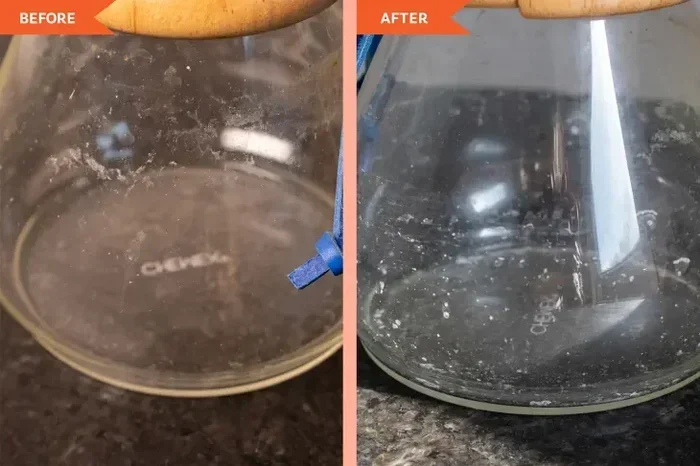
How To Clean Coffee Maker Carafe And Remove Stains
Cleaning your coffee maker carafe does not have to be hard. This guide shows you simple ways to remove stains using vinegar, baking soda, and household items. You will learn how to deep clean a glass carafe and keep your coffee tasting fresh every single morning.
There is nothing worse than pouring your morning coffee into a stained carafe. Those brown rings and dark spots make even the best brew look unappetizing. If you have been struggling with coffee carafe cleaning, you are not alone. This guide will walk you through every method you need to know.
Whether you have a glass carafe or a stainless steel carafe, removing stains is easier than most people think. You do not need expensive cleaners or special tools. With a few simple household items, you can remove coffee stains and restore your carafe to like-new condition. Let us get into it.
Key Takeaways
- Vinegar and baking soda are the most effective natural cleaners for removing coffee stains and buildup from your carafe.
- Regular daily rinsing prevents stain buildup and keeps your coffee maker carafe looking new for longer.
- Different carafe materials need different cleaning approaches to avoid scratches and damage.
- Stubborn stains respond well to overnight soaking with warm water and cleaning agents.
- Avoid harsh chemicals and abrasive scrubbers that can damage your carafe and affect coffee taste.
- Descaling your coffee maker regularly improves both taste and machine performance.
- Prevention is easier than removal when it comes to coffee carafe stains.
📑 Table of Contents
- Why Your Coffee Maker Carafe Gets Stained
- Best Methods To Clean Coffee Maker Carafe
- How To Remove Stubborn Stains From Your Carafe
- Cleaning Different Types Of Coffee Carafes
- Daily Maintenance Tips For A Stain-Free Carafe
- Common Mistakes People Make When Cleaning Coffee Carafes
- How Clean Coffee Maker Carafe Practices Improve Your Coffee Taste
- Conclusion
Why Your Coffee Maker Carafe Gets Stained
Understanding why stains form is the first step toward preventing them. Coffee contains natural oils and pigments that cling to surfaces over time. Every time you brew a pot, these compounds leave behind a residue.
The Science Behind Coffee Stains
Coffee has two main stain-causing components. The first is tannins, which are natural compounds found in coffee beans. Tannins bind to surfaces and create that stubborn brown color. The second is coffee oil, which builds up a thin film on the inside of your carafe.
Hard water makes things worse. Minerals in tap water combine with coffee oils to create a tough, crusty buildup. This is why even regular washing does not always remove all stains. The longer you wait to clean, the harder they become.
Common Types Of Coffee Carafe Stains
Not all stains are the same. Here are the most common types you will encounter:
- Brown pigment stains from coffee grounds and dark roast oils.
- Hard water mineral deposits that leave white or chalky marks.
- Coffee oil buildup that creates a greasy film on glass surfaces.
- Old coffee residue that darkens over time and becomes difficult to remove.
- Cloudy film caused by repeated washing with harsh detergents.
Each type of stain needs a slightly different approach. The good news is that most of these respond well to natural cleaning methods.
Best Methods To Clean Coffee Maker Carafe
Now let us get to the good stuff. Here are the most effective methods to clean your coffee carafe and get rid of stubborn stains. Each method uses items you probably already have in your kitchen.
Method 1: Vinegar And Water Soak
White vinegar is one of the best natural cleaners for coffee carafe cleaning. It breaks down coffee oils and dissolves mineral deposits without harsh chemicals.
Here is how to do it:
- Fill your stained carafe halfway with white vinegar.
- Add warm water until the carafe is about three-quarters full.
- Let the mixture soak for at least one hour. For tough stains, leave it overnight.
- Scrub the inside gently with a non-abrasive sponge.
- Rinse thoroughly with clean water and dry with a soft cloth.
This method works wonders on both glass and stainless steel carafes. The acidity in vinegar breaks down coffee residue and lifts stains effectively.
Method 2: Baking Soda Paste
Baking soda cleaning is another excellent option. Baking soda is a mild abrasive that scrubs away stains without scratching your carafe surface.
Follow these simple steps:
- Mix three tablespoons of baking soda with a small amount of warm water to form a paste.
- Apply the paste directly to the stained areas inside the carafe.
- Let it sit for fifteen to twenty minutes.
- Use a soft sponge to scrub in gentle circular motions.
- Rinse completely with warm water.
For extra cleaning power, you can combine baking soda with vinegar. The fizzing reaction helps lift deep stains. Just add the baking soda first, then pour vinegar on top and let it bubble before scrubbing.
Method 3: Rice And Water Scrub
This old-fashioned trick is surprisingly effective. The rice acts as a gentle abrasive that scrubs away stains without damaging the carafe surface.
Here is what to do:
- Add a handful of uncooked rice to your stained carafe.
- Fill it halfway with warm water.
- Add a drop of dish soap.
- Swirl the mixture vigorously for two to three minutes.
- The rice will scrub the stains as it moves around.
- Rinse thoroughly and inspect the results.
This method is especially great for glass carafes with hard-to-reach bottoms. The rice reaches into corners and crevices that sponges cannot easily access.
Method 4: Denture Cleaning Tablets
You might be surprised to learn that denture tablets work beautifully for coffee stain removal. These tablets contain cleaning agents that dissolve organic buildup effectively.
Simply drop one tablet into your carafe filled with warm water. Let it sit for thirty minutes, then rinse. The results are often immediate and impressive. This method is gentle enough for daily use and works on all carafe materials.
How To Remove Stubborn Stains From Your Carafe
Some stains just will not come out with a quick rinse. These are the stains that have been building up for weeks or even months. Do not worry. There are powerful techniques to handle even the worst coffee carafe stains.
The Overnight Soak Method
For deeply set stains, an overnight soak is your best friend. Here is the process:
- Fill the carafe with a mixture of one part vinegar and two parts warm water.
- Add two tablespoons of baking soda. The mixture will fizz, which is exactly what you want.
- Let it sit undisturbed overnight.
- In the morning, use a non-scratch sponge to scrub the stained areas.
- Rinse thoroughly and repeat if needed.
The combination of vinegar and baking soda creates a powerful cleaning reaction that breaks down even the oldest coffee stains. This method is perfect for deep clean carafe sessions that you only need to do once a month or so.
Using Hydrogen Peroxide For Tough Stains
Hydrogen peroxide is a natural bleaching agent that can lighten stubborn coffee stains. Mix equal parts hydrogen peroxide and warm water in your carafe. Let it sit for one hour, then scrub gently. This method works particularly well on glass carafes with dark discoloration.
When To Use Commercial Cleaners
Natural methods work for most stains, but sometimes you need something stronger. Commercial coffee carafe cleaners are formulated specifically for this purpose. Look for products that are non-toxic and safe for food-contact surfaces. Always rinse your carafe thoroughly after using any commercial cleaner to avoid leaving chemical residues that could affect your coffee taste.
If you are already in the habit of regular kitchen cleaning, you know how important it is to tackle buildup early. Just like you would clean the bottom tray of a toaster oven to prevent permanent damage, regular carafe maintenance keeps your coffee maker running at its best.
Cleaning Different Types Of Coffee Carafes
Not all coffee carafes are the same. The material matters when choosing a cleaning method. Using the wrong approach can scratch, cloud, or damage your carafe. Here is how to clean each type properly.
Glass Carafes
Glass carafes are the most common type found in drip coffee makers. They are durable but prone to staining. Glass responds well to all the methods mentioned above. Vinegar soaks, baking soda paste, and rice scrubs all work great on glass.
Quick Tips For Glass Carafes:
- Never use steel wool or abrasive pads on glass.
- Warm water works better than cold for dissolving coffee oils.
- Dry your glass carafe immediately after washing to prevent water spots.
- Store your carafe with the lid off to prevent moisture buildup and odors.
Stainless Steel Carafes
Stainless steel carafes are common in thermal coffee makers. They do not stain as easily as glass, but they can develop a cloudy film. The key with stainless steel is to avoid abrasive cleaners that can scratch the surface and compromise its insulating properties.
Use a mild dish soap with a soft sponge for daily cleaning. For deeper cleaning, the vinegar and water soak method works perfectly. Avoid using baking soda on stainless steel if you are concerned about micro-scratches, though most experts agree it is safe with gentle application.
Plastic Carafes
Plastic carafes are lightweight and common in budget coffee makers. They tend to absorb coffee oils over time, which can cause persistent odors and discoloration. For plastic carafes, the baking soda paste method is most effective because it does not leave behind a residue that could affect future coffee taste.
If your plastic carafe has become deeply stained, try soaking it in a solution of warm water and baking soda for several hours. You can also place it in direct sunlight for a few hours, as UV light naturally helps bleach plastic stains.
Just as you would take care when you self-clean a gas oven using the right products for the specific surface, choosing the correct cleaning method for your carafe material is essential for longevity and performance.
Daily Maintenance Tips For A Stain-Free Carafe
The best way to deal with coffee stains is to prevent them from forming in the first place. A few simple daily habits can save you hours of deep cleaning later. Here are the best maintenance practices for keeping your carafe spotless.
Rinse After Every Use
This is the single most important habit you can build. After pouring your last cup of coffee, rinse the carafe with warm water immediately. Do not let coffee sit in the carafe overnight. The longer coffee residue sits, the more it bonds with the surface and the harder it becomes to remove.
A quick rinse takes only ten seconds and prevents the buildup that leads to tough stains. Keep a bottle of warm water near your coffee maker to make this habit even easier.
Wash With Mild Dish Soap Weekly
Even if you rinse after every use, you should give your carafe a thorough wash with mild dish soap at least once a week. This removes the thin layer of coffee oil that builds up even with regular rinsing. Use a soft sponge and avoid harsh detergents that can leave a soapy film affecting your coffee flavor.
Dry Completely Before Storing
Moisture trapped inside a stored carafe creates the perfect environment for mold and mildew. Always dry your carafe completely before putting the lid on or storing it. Use a clean, lint-free cloth to wipe the interior and exterior thoroughly.
Replace Your Carafe When Needed
Even with the best care, carafes wear out over time. If your carafe is heavily scratched, cloudy, or retains odors no matter how much you clean it, it might be time for a replacement. A worn carafe can also affect the brewing temperature and overall coffee quality.
Regular coffee maker maintenance extends the life of your entire machine. When you take care of the small parts, the big components last longer too.
Expert Insight: According to coffee equipment specialists, the ideal cleaning routine involves rinsing after every brew, washing with mild soap weekly, and performing a deep clean with vinegar or baking soda once a month. This simple schedule keeps your carafe in excellent condition without much effort.
Common Mistakes People Make When Cleaning Coffee Carafes
Even with the best intentions, many people make mistakes that damage their carafes or make stains worse. Here are the most common errors to avoid.
Using Abrasive Cleaners
Steel wool, abrasive scouring pads, and harsh chemical cleaners can scratch and damage your carafe. Scratches create tiny grooves where coffee oils and pigments settle, making future staining worse. Stick to soft sponges, microfiber cloths, and gentle cleaning methods.
Ignoring The Lid And Rim
Stains do not only form on the inside of the carafe. The lid, rim, and handle also collect coffee residue and can harbor bacteria. When cleaning your carafe, make sure to clean all parts thoroughly, including the lid, the pouring spout, and any rubber seals.
Using Too Much Vinegar
While vinegar is an excellent cleaner, using too much or leaving it in the carafe too long can damage certain materials and leave a lingering vinegar smell. Always dilute vinegar properly and rinse thoroughly after cleaning.
Skipping The Rinse
Never skip the final rinse after any cleaning method. Residual cleaning agents, whether vinegar, baking soda, or soap, can affect the taste of your next pot of coffee. Always rinse with clean water at least two or three times after cleaning.
Taking a few extra seconds to rinse properly is much easier than dealing with a carafe that taints your coffee with cleaning product flavors. Think of it like how you would carefully rinse a pan after using methods to keep bacon from splattering in the oven to make sure no grease residue affects your next cook.
Not Addressing Hard Water Issues
If you live in an area with hard water, mineral deposits will build up faster in your carafe. Consider using filtered water for brewing, and descale your coffee maker regularly. This simple step reduces mineral buildup and keeps your coffee tasting clean and fresh.
How Clean Coffee Maker Carafe Practices Improve Your Coffee Taste
A clean carafe does more than just look good. It directly affects the taste of your coffee. Stained carafes can harbor old coffee oils and bacteria that alter the flavor of every new brew you make.
When your carafe is properly cleaned, you get a purer coffee flavor. The natural notes of your beans come through without any bitter or stale undertones from residue. Clean coffee maker parts also ensure that your brewing temperature remains consistent, which is crucial for proper extraction.
Many coffee enthusiasts overlook the carafe when trying to improve their brew. They invest in quality beans and good water but ignore the vessel that holds their coffee. A spotless carafe is one of the simplest coffee brewing tips that makes a noticeable difference in every cup.
The connection between a clean carafe and better-tasting coffee is clear. When you remove coffee residue and prevent oil buildup, you allow the true character of your beans to shine through. This is especially important for light roasts and single-origin coffees, where subtle flavor notes are easy to mask with old residue.
Regular cleaning also prevents the growth of mold and bacteria that can form in moist, dark environments. These microorganisms not only affect taste but can also pose health risks. A thorough cleaning routine keeps your coffee safe and delicious.
If you are serious about your morning cup, take a few minutes to care for your carafe. The investment is minimal, but the payoff in taste and coffee taste improvement is significant. Your future self will thank you every morning when you pour a clean, fresh-tasting cup.
Quick Comparison: Cleaning Methods At A Glance
| Method | Best For | Time Required | Difficulty |
|---|---|---|---|
| Vinegar Soak | General stains and mineral buildup | 1 hour to overnight | Easy |
| Baking Soda Paste | Surface stains and light discoloration | 15-20 minutes | Easy |
| Rice Scrub | Glass carafes with stubborn residue | 5 minutes | Easy |
| Denture Tablets | Deep cleaning and odor removal | 30 minutes | Very Easy |
| Hydrogen Peroxide | Severe discoloration and dark stains | 1 hour | Moderate |
| Overnight Vinegar and Baking Soda | Heavy, long-standing stains | Overnight | Easy |
Each method has its strengths, and many coffee lovers keep multiple options in their cleaning rotation. The vinegar soak is great for monthly deep cleans, while the rice scrub works perfectly for quick touch-ups between thorough cleanings.
Remember that consistency matters more than any single method. A regular cleaning routine using whichever method you prefer will always beat occasional deep cleaning sessions. Your carafe stays cleaner longer, and your coffee tastes better every day.
For those who want to learn more about maintaining kitchen appliances, you might also enjoy exploring how different cleaning techniques apply across your kitchen. Proper care of all your cooking and brewing equipment ensures better results and longer-lasting tools.
Conclusion
Cleaning your coffee maker carafe does not need to be a chore. With the right methods and a little consistency, you can keep your carafe looking and tasting like new. Whether you prefer vinegar soaks, baking soda paste, or the simple rice scrub, there is a method that works for you.
The key is to act before stains set in. Regular rinsing, weekly washing, and monthly deep cleans will keep your carafe in excellent condition. Your coffee will taste better, your mornings will start on a positive note, and your coffee maker will last longer.
Start today. Pick one method from this guide and give your carafe the attention it deserves. You will notice the difference in your next cup of coffee. Clean coffee starts with a clean carafe, and now you have all the tools and knowledge to make it happen.
Make coffee carafe cleaning a regular part of your kitchen routine. Your future self, and your morning coffee, will thank you for it.
Frequently Asked Questions
Can I use bleach to clean my coffee maker carafe?
It is best to avoid bleach on coffee carafes. Bleach can leave behind chemical residues that affect coffee taste and may damage certain carafe materials. Stick to natural cleaners like vinegar and baking soda, which are safer and just as effective for most stains.
How often should I deep clean my coffee maker carafe?
A monthly deep clean is ideal for most coffee drinkers. If you brew coffee daily, you should rinse the carafe after every use and wash it with mild soap at least once a week. Monthly deep cleaning with vinegar or baking soda prevents buildup from becoming stubborn stains.
Why does my coffee carafe keep getting stained even after washing?
Repeated staining usually means you are not rinsing immediately after use or you have hard water issues. Coffee oils bond to surfaces over time, and hard water minerals create a crusty layer that traps stains. Try rinsing right after pouring and using filtered water for brewing.
Is it safe to put my glass carafe in the dishwasher?
Most glass carafes are dishwasher safe, but frequent dishwasher washing can cause clouding over time. The heat and harsh detergents in dishwashers can gradually dull glass surfaces. Hand washing with mild soap is gentler and helps your carafe stay clear longer.
What is the best way to remove old coffee stains that have been there for months?
For old, set-in stains, use the overnight vinegar and baking soda soak method. Fill the carafe with equal parts vinegar and warm water, add two tablespoons of baking soda, and let it sit overnight. Scrub gently in the morning and repeat if necessary. This method loosens even long-standing coffee residue.
Can I use lemon juice instead of vinegar to clean my carafe?
Yes, lemon juice works as a natural alternative to vinegar. It contains citric acid that breaks down coffee stains and mineral deposits. The advantage of lemon juice is that it leaves a fresh scent instead of a vinegar smell. Use it the same way you would use vinegar in a cleaning soak.