What Temp To Slow Cook Chicken In Oven For Tender Results
The best temp to slow cook chicken in oven is between 275°F and 300°F. This low heat breaks down connective tissue, giving you fall-off-the-bone tender chicken every time. I’ll share the ideal cooking times, which cuts work best, and simple steps for juicy oven-braised chicken.
I get asked all the time: what temp to slow cook chicken in oven? The answer is simpler than you think. There’s nothing quite like a pot of slow-cooked chicken that falls right off the bone. Many people assume you need a fancy slow cooker to get tender, juicy results. But your regular oven can do the exact same magic. With the right heat and a little patience, you’ll have restaurant-quality chicken at home.
The secret is low and slow cooking. When you cook chicken at a gentle heat, the collagen in the meat breaks down slowly. This turns tough cuts into melt-in-your-mouth perfection. Whether you’re using bone-in thighs or a whole bird, the method stays the same. You just need to know the numbers.
In this guide, I’ll walk you through the exact temperature, timing, and steps. You’ll learn which cuts work best, how long to cook them, and how to avoid common pitfalls. By the end, you’ll feel confident to try your first oven-braised chicken recipe. Let’s get started.
Key Takeaways
- Low and slow is key: Cooking chicken at 275°F–300°F ensures tender, juicy meat every time.
- Bone-in cuts shine: Thighs and drumsticks stay moist better than boneless breasts.
- Timing matters: Expect 3–4 hours for a whole chicken, 2–3 hours for bone-in thighs.
- Use a meat thermometer: Internal temp of 165°F is safe, but 175°F gives shreddable tenderness.
- Rest before serving: Let chicken rest 10 minutes to lock in juices and stay moist.
- Season generously: Dry rubs and braising liquids add deep, rich flavor to the meat.
📑 Table of Contents
Why Low and Slow Is the Best Way to Cook Chicken
High-heat cooking can dry out chicken fast. The outside burns while the inside stays raw. Low and slow cooking solves this problem completely. The gentle heat surrounds the meat evenly. It gives the collagen time to dissolve into gelatin. This is what creates that silky, tender texture.
The Science Behind Low-Temperature Cooking
When you cook chicken below 325°F, something special happens. The proteins unwind slowly. They don’t squeeze out all the moisture at once. Instead, the meat stays juicy. The fat renders gently. The skin becomes perfectly crispy if you leave it on. This is the magic of low temperature chicken preparation.
Think of it like a gentle bath. The heat is low enough to not shock the meat. The chicken juices stay locked inside. You end up with a bird that’s flavorful and succulent. It’s the opposite of the dry, stringy chicken you get from rushing the process.
- Even cooking: Heat penetrates slowly and uniformly.
- Moisture retention: Less juice escapes from the meat.
- Better texture: Collagen turns to gelatin for a silky feel.
- Deeper flavor: Seasonings have time to meld and deepen.
What Temp to Slow Cook Chicken in Oven: The Sweet Spot
So, what temp to slow cook chicken in oven? The sweet spot is between 275°F and 300°F. This range is low enough to prevent drying out but hot enough to cook the meat safely. At 275°F, you get the most tender results, but it takes longer. At 300°F, things speed up a bit while still keeping the meat moist.
Ideal Temperature Range
I always recommend 275°F for beginners. It’s forgiving. If you forget the chicken for an extra 20 minutes, it won’t dry out. At 300°F, you need to keep an eye on the clock. Both temperatures work beautifully for bone-in chicken and chicken thighs.
Here’s a quick comparison of the two ranges:
| Temperature | Cooking Speed | Best For | Result |
|---|---|---|---|
| 275°F | Slow | Whole chicken, bone-in thighs | Maximum tenderness, fall-off-the-bone |
| 300°F | Moderate | Chicken breasts, smaller cuts | Juicy with firmer texture |
Always use an oven thermometer to verify the heat. Oven dials can be inaccurate. A reliable oven thermometer takes the guesswork out. Your chicken internal temperature should reach 165°F for safety. But for shredding, I like to pull it at 175°F. That’s when the meat is most tender.
Expert Insight: Why This Method Works
Professional chefs love the 275°F approach because it mimics braising. The oven surrounds the chicken with gentle, even heat. The lid or foil traps steam, which bathes the meat. This combination of dry heat and moist steam creates a texture you can’t get from a skillet. The low and slow cooking method also allows the braising liquid to penetrate deep into the meat. The result is flavor in every bite.
Bone-In vs. Boneless: Which Cuts Work Best for Slow Cooking
Not all chicken cuts are equal when it comes to slow cooking. The bone and the skin do a lot of the work for you. They protect the meat and add flavor. Bone-in chicken is my top choice for oven braising.
Why Bone-In Thighs Shine
Chicken thighs are the unsung heroes of slow cooking. They have more fat and connective tissue than breasts. This means they can handle long cooking times without turning dry. The bone adds a richer, more savory flavor to the dish. Skin-on thighs become crispy and golden in the oven.
If you’re using boneless chicken, you need to be more careful. Boneless breasts can overcook quickly. They lack the protective bone and fat. If you must use boneless breasts, reduce the cooking time and use a lower temperature. I recommend 275°F and checking early.
Whole Chicken Considerations
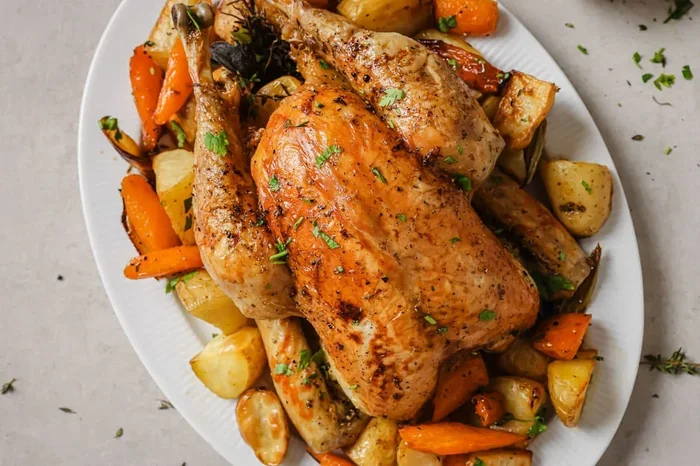
A whole chicken is a showstopper for slow cook chicken oven recipes. It looks impressive and feeds a crowd. The key is to cook it long enough for the thickest part of the thigh to reach a safe temperature. A 4-5 pound bird takes about 3.5 to 4 hours at 275°F. The chicken juices collect in the pan, perfect for making a gravy.
For a chicken breast vs thigh comparison, thighs win for slow cooking. They’re more forgiving and flavorful. Breasts can work, but they need closer monitoring.
How Long to Slow Cook Chicken in the Oven
Time depends on the cut, the temperature, and the size of the bird. Here’s a general guide. Remember, these are for 275°F. If you use 300°F, reduce the time by about 20-30 minutes.
Cooking Times by Cut
- Whole chicken (4-5 lbs): 3.5 to 4 hours. The skin should be golden and crisp. The juices should run clear.
- Bone-in thighs (6-8 pieces): 2 to 2.5 hours. They’ll be fall-off-the-bone tender.
- Bone-in breasts (2 pieces): 2.5 to 3 hours. They stay juicier than boneless.
- Boneless, skinless thighs: 1.5 to 2 hours. Watch them closely to avoid drying out.
These times assume you’re using a standard oven-safe dish or a Dutch oven. A heavy pot holds heat evenly. It prevents hot spots that can dry out the edges of the chicken.
Use a meat thermometer to check doneness. Insert it into the thickest part of the thigh, avoiding the bone. The chicken internal temperature should be 165°F minimum. For the most tender shreddable chicken, aim for 175°F. The meat will practically slide off the bone.
Quick Tips for Perfect Timing
- Always start checking early: Begin testing 30 minutes before the minimum time.
- Use a reliable timer: Set multiple timers if you get distracted.
- Account for oven variance: Some ovens run hot or cold. Adjust accordingly.
- Factor in resting time: The chicken continues to cook slightly after removal.
Step-by-Step Guide to Oven-Braised Chicken
Now that you know the temperature and time, let’s put it all together. This simple method works every time. You can adapt it with your favorite seasonings.
Step 1: Prep the Chicken
Take the chicken out of the fridge 30 minutes before cooking. This lets it come to room temperature. Season the chicken generously with salt, pepper, and your favorite dry rub. I like a mix of paprika, garlic powder, onion powder, and a pinch of cumin. Rub the seasoning under the skin of the thighs for extra flavor.
Step 2: Choose Your Braising Liquid
A little liquid in the bottom of the pan creates steam. This keeps the chicken moist. You can use chicken broth, white wine, or a mix of both. Don’t cover the chicken completely. You want about 1/4 inch of liquid. Add aromatics like onion, garlic, and fresh herbs. This builds a beautiful braising liquid that becomes a natural pan sauce.
Step 3: Cook Low and Slow
Place the chicken in a Dutch oven or a deep oven-safe dish. Cover tightly with a lid or aluminum foil. Put it in the oven at 275°F. Resist the urge to open the door too often. Every time you open it, you lose heat and moisture. Set a timer and let the oven do the work.
Step 4: Rest and Serve
When the chicken reaches the right temperature, take it out. Let it rest for 10 minutes before serving. This allows the juices to redistribute. The chicken skin crispy effect comes from baking it uncovered for the last 15 minutes. If you prefer soft skin, keep it covered the whole time.
Quick Tips for Perfect Oven-Braised Chicken
- Pat the chicken dry: This helps the skin crisp up.
- Don’t skip the room temp rest: Cold chicken in a hot oven cooks unevenly.
- Use a wire rack: It elevates the chicken for even air circulation.
- Save the drippings: They make an incredible gravy or sauce.
Common Mistakes to Avoid When Slow Cooking Chicken
Even with the right temperature, small mistakes can ruin your chicken. Here are the ones I see most often.
Cooking at Too High a Temperature
This is the number one error. Some people set the oven to 350°F or higher, thinking it will cook faster. But high heat dries out chicken breast and toughens the meat. Stick to 275°F-300°F. Patience is your best tool.
Skipping the Rest Time
Cutting into the chicken right after it comes out of the oven releases all the juices. The meat turns dry quickly. Give it at least 10 minutes to rest. Tent it loosely with foil. This is especially important for whole chicken and bone-in cuts.
Using a Thin Pan
A flimsy baking sheet doesn’t hold heat well. The chicken can burn on the edges while the center stays undercooked. Use a heavy Dutch oven or a thick ceramic dish. The even heat distribution is crucial for low and slow cooking.
Overcrowding the Pan
Give the chicken pieces space. Overcrowding traps steam and creates soggy skin. The chicken skin crispy effect comes from dry heat. If you’re cooking a whole bird, make sure it fits comfortably with some room around it.
Ignoring the Liquid Level
Too much liquid boils the chicken. Too little lets it dry out. Keep the liquid at about 1/4 inch deep. It should not cover the chicken halfway. This small detail makes a huge difference in texture.
Now you know exactly what temp to slow cook chicken in oven for tender results. Go ahead and try it this weekend. You’ll be amazed at how easy it is to get fall-off-the-bone chicken in your own kitchen. The low and slow method turns simple ingredients into something truly special. Your family will ask for it again and again.
Frequently Asked Questions
Can I slow cook chicken at 325°F?
Yes, 325°F works, but it’s a bit higher than the ideal low-and-slow range. At 325°F, the chicken will cook faster and may dry out slightly if you’re not careful. It’s best for smaller cuts like boneless breasts. For the most tender results, stick to 275°F–300°F.
How do I know when the chicken is done?
Use a meat thermometer. Insert it into the thickest part of the thigh without touching the bone. The internal temperature should read 165°F for safety. For shreddable, tender chicken, pull it at 175°F. The juices should run clear when you pierce the thickest part.
Can I use a regular baking dish instead of a Dutch oven?
Absolutely. Any deep, oven-safe dish will work. A ceramic baking dish or a heavy glass pan is great. Just make sure it has a lid or you can cover it tightly with foil. The lid traps moisture and creates that braising effect.
Should I cover the chicken or leave it uncovered?
Cover it for most of the cooking time. This keeps the steam inside and prevents drying. If you want crispy skin, uncover the chicken for the last 15-20 minutes of cooking. This lets the skin brown and crisp up while the inside stays moist.
Can I add vegetables to the slow-cooked chicken?
Yes! Root vegetables like potatoes, carrots, and onions are perfect for low-and-slow cooking. Add them around the chicken in the Dutch oven. They’ll absorb the chicken juices and become incredibly flavorful. Just cut them into large chunks so they don’t overcook.
How do I store and reheat leftover slow-cooked chicken?
Store the cooked chicken in an airtight container in the fridge for up to 4 days. To reheat, place it in a baking dish with a splash of broth or the original braising liquid. Cover with foil and warm it at 300°F for 15-20 minutes. This keeps the chicken from drying out.