What Temp To Cook Turkey In Oven At 375 For Perfect Results
Cooking a turkey at 375 degrees Fahrenheit is one of the best ways to get a juicy, golden roast every single time. This temperature strikes the perfect balance between cooking the bird through evenly and keeping the meat tender and flavorful. In this guide, you will learn the exact roasting times, prep steps, and pro tips for what temp to cook turkey in oven at 375 so your next turkey turns out perfectly.
What Temp To Cook Turkey In Oven At 375 is a question many home cooks ask, especially during the holidays. Whether you are preparing a small turkey breast or a large whole bird for Thanksgiving dinner, knowing the right temperature makes all the difference. Roasting a turkey at 375 degrees Fahrenheit gives you the best results because it cooks the meat evenly without drying it out. This guide covers everything you need to know about cooking turkey at 375, from prep to plating. By the end, you will feel confident enough to roast a perfect turkey like a seasoned pro.
A great roast turkey starts with understanding your oven and your bird. The temperature you choose affects the cooking time, the texture of the meat, and the color of the skin. Many experienced cooks swear by 375 degrees as the go-to setting. It is hot enough to crisp up the skin but gentle enough to keep the inside moist. Let us dive into the details and help you nail your next turkey roast.
Key Takeaways
- 375°F is the ideal oven temperature for roasting a whole turkey evenly and achieving crispy golden skin.
- Plan for about 13 to 15 minutes per pound when cooking a turkey at 375 degrees.
- Always use a meat thermometer to check that the internal temperature reaches 165°F in the thickest part.
- Let the turkey rest for 20 to 30 minutes after roasting to lock in the juices.
- Brining the turkey beforehand adds moisture and flavor to every bite.
- Baste the turkey every 45 minutes to keep the meat moist and develop a beautiful golden crust.
- Avoid overcooking by monitoring the bird closely toward the end of the cooking time.
📑 Table of Contents
Why 375°F Is The Sweet Spot For Roasting Turkey
When it comes to what temp to cook turkey in oven at 375, there is a lot of science behind the recommendation. Not all oven temperatures work equally well for roasting a whole bird. Some people wonder why 375 degrees is the magic number. The answer comes down to how heat interacts with the turkey.
Understanding The Ideal Oven Temperature
Roasting a turkey at 375 degrees Fahrenheit sits right in the middle of the safe and effective range. Most ovens can maintain this temperature steadily without hot spots causing uneven cooking. At this heat, the outside of the bird browns beautifully while the inside cooks through gently. This balance is what makes 375 so popular for oven-baked turkey recipes.
Higher temperatures like 400 or 425 degrees can brown the skin faster, but they also risk drying out the meat before the inside is fully cooked. Lower temperatures like 325 or 350 degrees take much longer and can leave the skin pale and soft. 375 degrees hits the sweet spot between speed and quality. It gives you a golden brown turkey with tender, juicy meat inside.
The Science Behind Cooking Turkey At 375
When you place a turkey in a preheated oven set to 375 degrees, the heat surrounds the bird evenly. The fat under the skin melts slowly, basting the meat from the inside out. This process takes time, which is exactly what you get at this moderate temperature. The collagen in the turkey breaks down gradually, turning tough connective tissue into gelatin that keeps the meat succulent.
The internal temperature turkey needs to reach is 165 degrees Fahrenheit in the thickest part of the thigh and the thickest part of the breast. At 375 degrees oven heat, the bird reaches this safe zone without the edges overcooking. This is why so many roast turkey recipe developers recommend this setting. It gives you a reliable margin of error and beautiful results.
How Long To Cook Turkey At 375 Degrees
Now that you know why 375 degrees works so well, let us talk about timing. The cooking time for turkey at 375 depends on several factors, including the size of the bird and whether it is stuffed or unstuffed. A good rule of thumb is about 13 to 15 minutes per pound for an unstuffed whole turkey.
Cooking Times By Turkey Size
Here is a general guide for turkey cooking time at 375 degrees:
- 8 to 10 pounds: About 2.5 to 3 hours
- 10 to 14 pounds: About 3 to 3.5 hours
- 14 to 18 pounds: About 3.5 to 4 hours
- 18 to 22 pounds: About 4 to 4.5 hours
- 22 to 25 pounds: About 4.5 to 5 hours
These times are estimates. Every oven is different, and every bird is a little unique. Always use a turkey thermometer to check the internal temperature rather than relying solely on the clock. The target internal temperature turkey should be 165 degrees Fahrenheit in the thickest part of the thigh.
Turkey Breast Versus Whole Turkey
If you are cooking just a turkey breast, the timing is much shorter. A bone-in turkey breast weighing 6 to 8 pounds typically takes about 2 to 2.5 hours at 375 degrees. A boneless breast of the same size may cook in 1.5 to 2 hours. The smaller size means less mass to heat through, so the cooking time drops significantly.
For a whole turkey, the shape matters too. A wide, deep bird takes longer than a longer, narrower one because the heat has to penetrate more mass in the center. If your turkey has a thick breast and thick thighs, it may need extra time compared to a more evenly shaped bird. Plan ahead and allow some buffer time, especially for larger birds.
Preparing Your Turkey For The Oven
Proper turkey prep makes a huge difference in the final result. Taking the time to prepare the bird correctly before it goes into the oven ensures even cooking and maximum flavor. This is where many home cooks cut corners, but the results speak for themselves.
Brining And Seasoning The Bird
Brining is one of the best things you can do for your turkey. A simple turkey brine of water, salt, sugar, and spices soaked into the bird for 12 to 24 hours adds incredible moisture. The salt helps the muscle fibers retain water during cooking, so even if you accidentally cook the turkey a few minutes too long, it stays juicy.
After brining, pat the turkey completely dry with paper towels. This step is essential for getting crispy turkey skin. Rub the outside with butter or olive oil and sprinkle your favorite turkey seasoning generously. Garlic, rosemary, thyme, and paprika all work wonderfully for holiday turkey recipes. The seasoning does more than add flavor, it also helps the skin brown and crisp up in the oven.
Stuffed Versus Unstuffed Turkey
Deciding between a stuffed turkey and an unstuffed one affects both the cooking time and the safety of the meal. A stuffed turkey needs about 30 extra minutes of cooking time because the stuffing in the cavity slows down the heat transfer to the center of the bird.
If you do stuff your turkey, make sure the stuffing reaches 165 degrees Fahrenheit before serving. Use a food thermometer to check the temperature of the stuffing in the center of the cavity. Many food safety experts recommend cooking the stuffing separately to avoid any risk of undercooked poultry. But if you love a stuffed turkey, just plan for a slightly longer roasting time at 375 degrees.
Step By Step Guide To Roasting Turkey
Following a clear process takes the guesswork out of roasting a turkey. Here is a simple walkthrough for achieving perfect results every time you cook at 375 degrees.
Preheating And Setting Up
Start by preheating your oven to 375 degrees Fahrenheit. Give the oven at least 20 minutes to reach the target oven temperature before putting the turkey in. While the oven heats up, remove the turkey from the refrigerator and let it sit at room temperature for about 30 minutes. This helps the bird cook more evenly because a cold bird in a hot oven can lead to uneven cooking times.
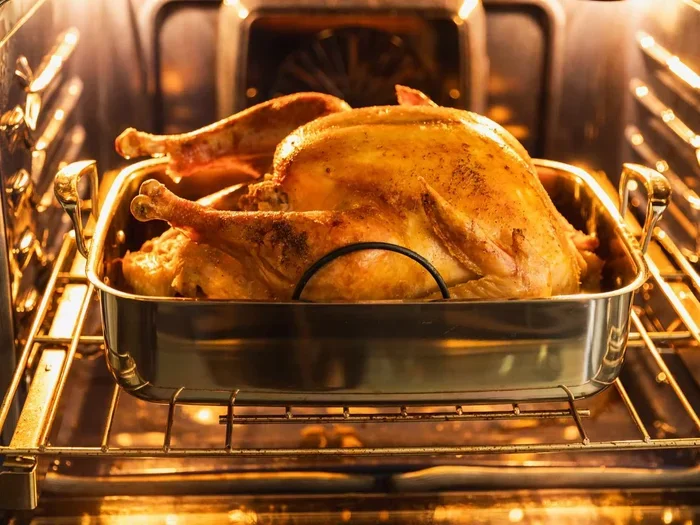
Place the turkey breast-side up in a turkey roasting pan fitted with a rack. The rack lifts the bird off the bottom of the pan, allowing hot air to circulate around the entire surface. This promotes even browning and prevents the bottom from getting soggy. If you do not have a rack, you can layer chopped onions and carrots in the bottom of the pan to lift the bird slightly.
Basting And Monitoring Progress
Basting is an important step that many people skip. Every 45 minutes or so, open the oven and spoon the hot turkey juice and melted butter over the breast and thighs. Basting adds flavor, keeps the meat moist, and helps the skin turn a beautiful golden brown.
About halfway through the estimated cooking time, start checking the internal temperature turkey with a meat thermometer. Insert the probe into the thickest part of the thigh without touching the bone. The turkey cooking temperature you are aiming for is 165 degrees Fahrenheit. If the bird is browning too quickly on the outside, you can loosely tent it with aluminum foil to prevent burning while the inside continues to cook.
Common Mistakes People Make When Cooking Turkey
Even experienced cooks make mistakes when roasting a turkey. Knowing what to avoid saves you from a dry, overcooked bird or a meal that is not ready on time.
Overcooking The Bird
The most common mistake is cooking the turkey too long. Many people leave the bird in the oven until the clock says it is done, but the internal temperature is what really matters. An overcooked turkey loses its moisture quickly, and no amount of gravy can bring it back. The turkey cooking temperature for the breast should reach 165 degrees, and the thigh should be between 175 and 180 degrees for the best texture.
To avoid overcooking, start checking the temperature about 30 minutes before the estimated finish time. Every oven runs a little differently, and the bird size varies. Staying attentive in the final stages of cooking is the best way to protect your oven-baked turkey from drying out.
Skipping The Resting Time
Another big mistake is cutting into the turkey the moment it comes out of the oven. The turkey resting time is just as important as the cooking time. When you remove the bird from the oven, the juices inside are under a lot of heat and pressure. If you slice right away, those juices run out onto the cutting board instead of staying in the meat.
Let the turkey rest for at least 20 to 30 minutes before carving. Tent it loosely with foil to keep it warm. During this time, the internal temperature will rise a few degrees (this is called carryover cooking), and the juices will redistribute throughout the meat. The result is a much more moist and flavorful roast.
Quick Tips For The Best Turkey At 375 Degrees
Here are some extra tips that will help you get the best results when what temp to cook turkey in oven at 375:
- Dry the skin thoroughly before seasoning. Dry skin crisps up much better than wet skin.
- Use compound butter under the skin of the breast for extra flavor and moisture.
- Add broth to the roasting pan to create steam and keep the bottom from burning.
- Let the turkey come to room temperature before roasting for more even cooking.
- Invest in a good instant-read thermometer so you can check the temperature quickly without losing heat.
- Save the drippings for making a rich and flavorful gravy to serve alongside the bird.
- Do not skip the brine if you have time. It makes a noticeable difference in juiciness.
These simple steps might seem small, but they add up to a big difference in the final dish. The turkey roasting pan you choose also matters. A sturdy, heavy pan conducts heat more evenly than a thin, flimsy one. If you have a disposable aluminum pan, consider upgrading to a stainless steel or enameled roasting pan for better results.
When the turkey is done, the skin should be a deep golden brown, and the juices should run clear when you pierce the thickest part of the thigh. The aroma filling your kitchen will tell you that everything went right. Trust your thermometer, trust your instincts, and enjoy the process of creating a memorable meal.
Conclusion
Cooking a turkey at 375 degrees Fahrenheit gives you the best balance of crispy skin, juicy meat, and reliable cooking times. Whether you are roasting a small breast for a family dinner or a large whole bird for the holidays, this temperature delivers consistently excellent results. Remember to brine the bird, season it well, and use a meat thermometer to check that the internal temperature turkey reaches 165 degrees in the thickest part.
The key to a perfect roast is patience and attention. Do not rush the process, and do not skip the resting time. With the tips and guidelines in this article, you now have everything you need to answer what temp to cook turkey in oven at 375 with confidence. Your turkey will be golden, juicy, and full of flavor. Enjoy the cooking, and enjoy the meal.
Frequently Asked Questions
Can I Cook A Turkey At 375 Degrees If It Is Frozen?
It is not recommended to cook a frozen turkey at 375 degrees. You should always thaw the bird completely in the refrigerator for 24 hours for every 4 to 5 pounds before roasting. Cooking a frozen turkey at 375 degrees leads to uneven cooking and increases the risk of foodborne illness. Plan ahead and thaw the turkey safely for the best results.
How Do I Know When The Turkey Is Done At 375 Degrees?
The best way to know your turkey is done is by using a meat thermometer. Insert it into the thickest part of the thigh and the thickest part of the breast. Both should read 165 degrees Fahrenheit. The skin should be deep golden brown, and the juices should run clear when you pierce the thigh. Do not rely on the clock alone, as every oven and bird is different.
Should I Cover The Turkey With Foil While Roasting At 375?
You do not need to cover the turkey for the entire roasting time. Leaving it uncovered allows the skin to crisp up and turn golden brown. However, if the bird is browning too quickly on the outside before the inside is done, you can loosely tent the breast with aluminum foil for the last 30 to 45 minutes of cooking. This protects the breast from burning while the thighs finish cooking.
What Is The Best Turkey Seasoning For 375 Degree Roasting?
A simple blend of salt, pepper, garlic powder, paprika, and dried herbs like rosemary and thyme works beautifully at 375 degrees. You can also make a compound butter with these seasonings and rub it under the skin of the breast for extra flavor and moisture. The moderate heat of 375 allows the seasoning to infuse the meat without burning the herbs or spices on the surface.
How Long Should I Let The Turkey Rest After Roasting At 375?
Let the turkey rest for at least 20 to 30 minutes after removing it from the oven at 375 degrees. Tent it loosely with foil to keep it warm during this time. The resting period allows the juices to redistribute throughout the meat, making every slice moist and flavorful. This step is just as important as the roasting itself and should never be skipped.
Can I Use The Same Temperature For A Turkey Breast And A Whole Turkey?
Yes, 375 degrees works well for both a whole turkey and a turkey breast. The main difference is the cooking time, since a breast is smaller and thinner than a whole bird. A bone-in turkey breast at 375 degrees typically takes 2 to 2.5 hours, while a whole turkey may take 3 to 5 hours depending on its size. Always check the internal temperature to confirm doneness for both cuts.