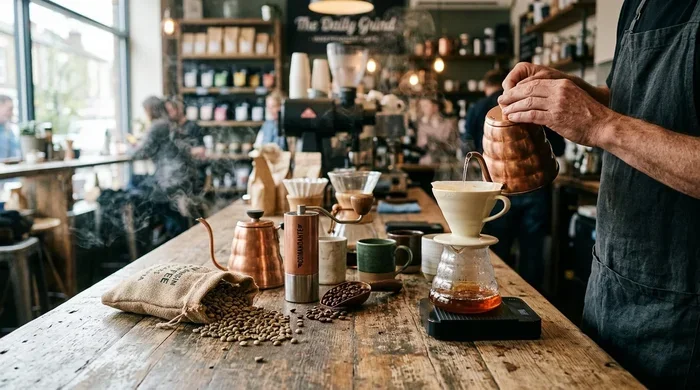
What Makes Coffee Special and Why You Will Love It
Coffee is one of the most beloved drinks on Earth, and its magic comes from a fascinating mix of history, science, and culture. From the moment coffee beans are grown on lush farms to the final sip in your morning cup, every step adds something special. Understanding what makes coffee special helps you appreciate it even more.
There are few things in life that bring people together quite like a warm cup of coffee. Whether you sip it slowly at sunrise or grab a quick shot on your way to work, coffee holds a special place in our daily routines. But have you ever stopped to think about what makes coffee special?
The answer goes way beyond caffeine. It’s a blend of history, science, geography, and artistry. Every cup tells a story — from the soil where the beans grew to the hands that roasted them. In this article, we’ll explore the fascinating world of coffee and discover why it has captured the hearts of billions of people worldwide.
Whether you’re a casual drinker or a full-on coffee enthusiast, there’s always something new to learn. So grab your favorite mug, settle in, and let’s dive into the magic of coffee.
Key Takeaways
- Coffee has a rich history spanning centuries, originating in Ethiopia and spreading across the world.
- The type of bean, roast level, and grind size all play a huge role in flavor.
- Brewing method matters — each technique brings out different notes and aromas.
- Coffee offers real health benefits, including antioxidants and improved focus.
- Coffee culture varies worldwide, making it a truly global experience.
- Freshness and proper storage keep your coffee tasting its best.
- Temperature control is key in both brewing and storing coffee, much like precision in the kitchen — similar to how getting the right temperature settings matters for cooking.
📑 Table of Contents
The Rich History of Coffee
Coffee isn’t just a drink — it’s a journey through time. The story of coffee begins in the highlands of Ethiopia, where legend says a goat herder named Kaldi first noticed his goats becoming energetic after eating certain berries. That was around the 9th century, and from there, coffee spread across the world in the most unexpected ways.
By the 15th century, coffee had reached the Middle East. People in Yemen were roasting and brewing beans into a drink they called “qahwa.” Coffeehouses, known as “qahveh khaneh,” became popular social spots where people gathered to talk, play games, and discuss ideas. These early coffee shops were a lot like the cafés we love today.
How Coffee Spread Across the Globe
Coffee traveled from the Middle East to Europe in the 17th century. At first, some people called it “the bitter invention of Satan.” But Pope Clement VIII tried it, loved it, and gave it his approval. That was all the push coffee needed to explode in popularity across the continent.
By the 18th century, coffee plantations had spread to the Americas, Asia, and Africa. Today, countries like Brazil, Colombia, Vietnam, and Ethiopia lead the world in coffee production. Each region grows beans with unique flavors shaped by the local climate, soil, and farming traditions.
What makes coffee special in terms of history is how it shaped entire economies and cultures. It fueled revolutions, inspired artists, and built trade routes. A simple cup of coffee carries centuries of human connection in every sip.
What Makes Coffee Beans So Unique
Not all coffee is created equal. The foundation of every great cup starts with the bean itself. Coffee beans are actually seeds found inside bright red or purple fruits called coffee cherries. Inside each cherry are two beans, and those beans are the starting point for everything you love about coffee.
There are two main types of coffee beans that dominate the market:
- Arabica: This is the most popular type, making up about 60 to 70 percent of global production. Arabica beans are known for their smooth, complex flavors with hints of sugar, fruit, and berries. They grow best at higher altitudes and need careful attention from farmers.
- Robusta: Robusta beans are stronger and more bitter than Arabica. They contain nearly double the caffeine content. Robusta plants are hardier and more resistant to pests, which makes them easier to grow. You’ll often find them in espresso blends and instant coffee.
The Role of Geography and Climate
Where coffee grows matters a lot. The “coffee belt” — a region around the equator — provides the perfect conditions for coffee plants. Altitude, rainfall, temperature, and soil quality all influence the final flavor profile of the beans.
For example, Ethiopian beans often taste fruity and floral. Colombian beans tend to be balanced and nutty. Kenyan beans are known for their bold, wine-like acidity. This diversity is one of the main reasons what makes coffee special is so hard to pin down — every origin tells a different story through taste.
Even the way farmers harvest and process beans changes the flavor. Some beans are sun-dried, while others are washed in water. Each method brings out different characteristics in the final product. It’s like nature adding its own secret spices to every batch.
The Art of Coffee Roasting
Raw coffee beans are green, soft, and smell nothing like the rich aroma you expect from a fresh brew. The transformation happens during roasting, where heat unlocks hundreds of flavor compounds locked inside each bean. This is where the real magic begins.
Roasters carefully control temperature and time to bring out specific flavors. The process is part science, part art, and a whole lot of patience. Here’s a quick look at the main roast levels:
- Light Roast: Light brown in color, with no oil on the surface. Light roasts preserve the original flavors of the bean, often highlighting floral, fruity, and acidic notes. They have the highest caffeine content by weight.
- Medium Roast: Medium brown with a balanced flavor profile. Medium roasts offer a mix of acidity and sweetness, making them a crowd-pleaser for everyday drinking. This is the most common roast you’ll find in grocery stores.
- Dark Roast: Dark brown to almost black with an oily surface. Dark roasts have bold, smoky, and sometimes chocolatey flavors. The original bean characteristics take a back seat to the roast itself. Caffeine content is slightly lower per bean.
Why Fresh Roasting Matters
Freshness is everything when it comes to coffee. Once beans are roasted, they start to lose their flavor rapidly. Most coffee experts recommend using beans within two to four weeks of roasting. Storing them in an airtight container away from light and heat helps preserve that fresh taste.
Some coffee lovers go as far as roasting their own beans at home. It gives them complete control over the flavor profile. If you’re curious about this, think of it like precision cooking — you’re managing temperature and timing carefully, much like how you’d manage heat in the kitchen. For instance, just as you’d check what happens if you leave your oven on all day to avoid wasting energy or ruining food, coffee roasters must monitor their equipment closely to avoid over-roasting.
The smell of freshly roasted coffee is one of life’s simplest pleasures. It fills the kitchen, wakes up the senses, and sets the tone for the day ahead. No wonder so many people say the aroma alone is enough to make their morning.
Brewing Methods That Bring Out the Best
One of the most exciting things about coffee is how many ways you can brew it. Each method extracts different flavors and creates a completely different experience. The coffee brewing technique you choose can completely transform the cup in your hand.
Drip Coffee Makers
Drip coffee makers are the workhorses of morning kitchens around the world. They’re simple, reliable, and perfect for making multiple cups at once. Hot water drips through a filter filled with ground coffee, and the brewed coffee collects in a carafe below.
The result is a clean, balanced cup that’s easy to enjoy. Most drip machines brew at temperatures between 195 and 205 degrees Fahrenheit, which is the sweet spot for proper coffee extraction.
Pour Over Coffee
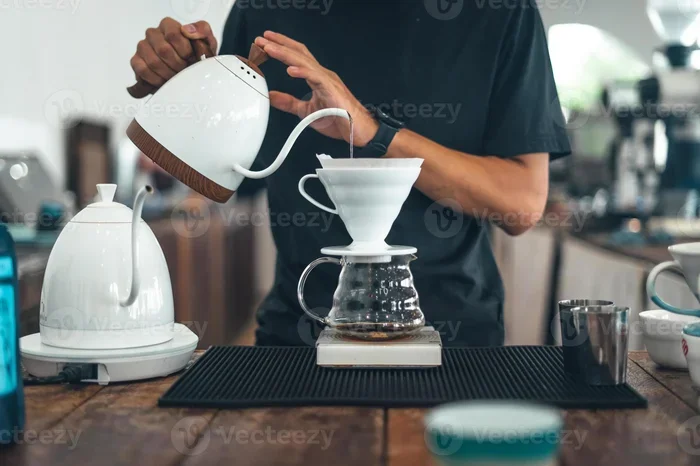
Pour over brewing is a favorite among coffee purists. It gives you complete control over every variable — water temperature, grind size, pour speed, and brew time. The result is a bright, clean cup that highlights the subtle flavors of single origin beans.
Popular pour over devices include the Hario V60, Chemex, and Kalita Wave. Each one has its own design quirks that affect how water flows through the grounds. The process takes a bit more time and attention, but most fans say the result is worth the effort.
Espresso Machines
Espresso is a concentrated form of coffee made by forcing hot water through finely ground beans at high pressure. A single shot packs a punch of bold flavor and rich crema — that golden foam on top that coffee lovers can’t get enough of.
Espresso machines range from simple stovetop moka pots to high-end professional models. Whether you prefer a classic latte, a cappuccino, or a flat white, espresso serves as the base for countless beloved coffee drinks.
French Press and Cold Brew
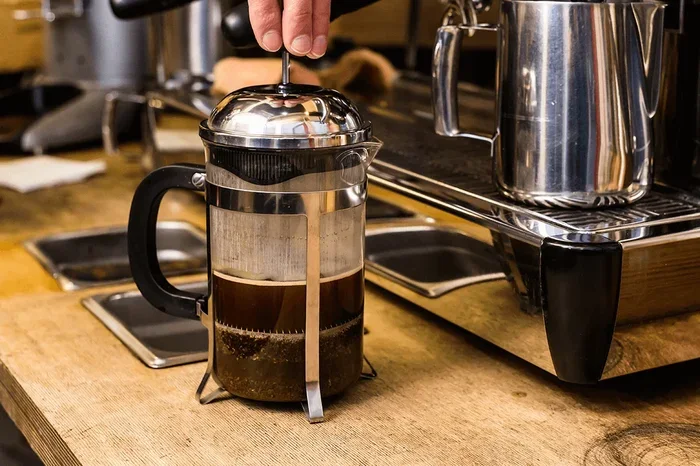
The French press is beloved for its simplicity. You add coarse grounds, pour hot water over them, wait four minutes, and press down the plunger. The result is a full-bodied, rich cup with natural oils still in the mix.
Cold brew, on the other hand, uses time instead of heat. Coarse grounds steep in cold water for 12 to 24 hours. The final product is smooth, low in acidity, and incredibly refreshing — perfect for hot summer days.
Temperature and Precision
No matter which method you choose, temperature plays a critical role. Water that’s too hot will over-extract the grounds and create bitterness. Water that’s too cool will under-extract and leave your coffee tasting flat. The ideal range is generally between 195 and 205 degrees Fahrenheit.
This attention to temperature is similar to precision in other kitchen tasks. Just as drying herbs at the right temperature matters for preserving flavor — as covered in what temp to dry herbs in oven — getting the right water temperature is essential for a great cup of coffee.
The Health Benefits of Coffee
Good news for coffee lovers — your daily habit might actually be good for you. Modern research has uncovered a surprising number of health benefits linked to moderate coffee consumption. Of course, adding too much sugar or cream can offset some of these perks, so keep that in mind.
Antioxidants and Nutrients
Coffee is packed with antioxidants, which help fight inflammation and protect your cells from damage. In fact, for many people, coffee is the single largest source of antioxidants in their diet. It also contains small amounts of important nutrients like vitamin B2, vitamin B3, potassium, and magnesium.
Improved Focus and Energy
Caffeine, the most well-known compound in coffee, blocks adenosine — a brain chemical that makes you feel tired. This leads to increased alertness, better concentration, and improved physical performance. That’s why many athletes reach for a cup before a workout.
Reduced Risk of Certain Diseases
Studies have linked regular coffee consumption to a lower risk of several serious conditions. These include type 2 diabetes, Parkinson’s disease, Alzheimer’s disease, and certain types of liver disease. While coffee isn’t a cure-all, the evidence is encouraging for those who enjoy it in moderation.
Mood and Mental Health
A warm cup of coffee can do wonders for your mood. Research suggests that coffee drinkers have a lower risk of depression. The ritual of making and enjoying coffee provides a moment of calm in a busy day, which matters more than people realize.
As always, it’s best to enjoy coffee in moderation — typically three to four cups per day is considered safe for most adults. And if you’re sensitive to caffeine, decaf options still provide many of the antioxidants without the buzz.
Coffee Culture Around the World
Coffee isn’t just a drink — it’s a cultural experience that looks different everywhere you go. The way people prepare, serve, and enjoy coffee reflects the traditions and values of their communities. This global diversity is another reason what makes coffee special feels so personal and meaningful.
Italy: The Espresso Tradition
In Italy, coffee is fast, strong, and social. Espresso is the standard, and most Italians drink it standing at the bar. A cappuccino is strictly a morning drink — ordering one after lunch or dinner might earn you a raised eyebrow from the barista.
Turkey: A Ritual of Hospitality
Turkish coffee is thick, strong, and unfiltered. It’s brewed in a small pot called a cezve and served in tiny cups with the grounds still in the bottom. In Turkish culture, offering coffee to a guest is a sign of respect and friendship. The leftover grounds are even used for fortune-telling!
Ethiopia: The Birthplace of Coffee
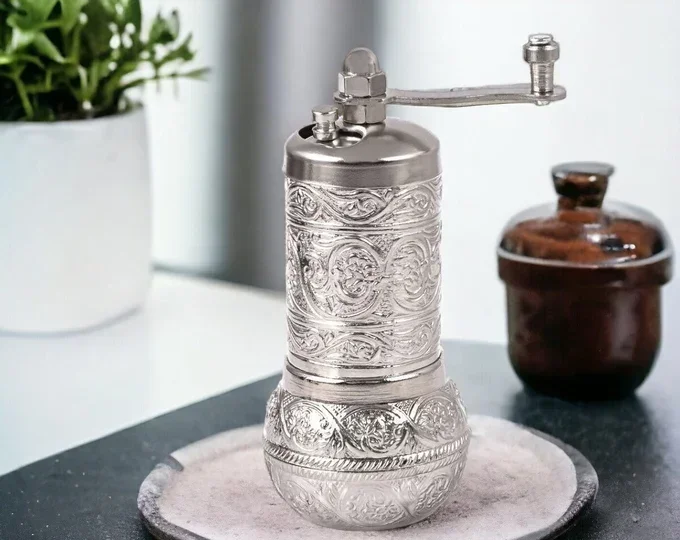
In Ethiopia, coffee ceremonies are a deeply respected tradition. The process involves roasting green beans over an open flame, grinding them by hand, and brewing them in a special pot called a jebena. The ceremony can take over an hour and is a time for community, storytelling, and connection.
Japan: Precision and Innovation
Japan has embraced coffee with a level of precision and craftsmanship that’s truly remarkable. Siphon brewing, cold drip towers, and hand-drip cafes are everywhere in cities like Tokyo. Japanese baristas treat every cup with the care of an art form.
The Rise of Specialty Coffee
In recent years, specialty coffee has taken the world by storm. This movement focuses on quality from farm to cup — single origin beans, precise roasting profiles, and expert brewing techniques. Specialty coffee shops have become gathering places where people connect over shared appreciation for great coffee.
The rise of third-wave coffee culture has also brought more transparency to the supply chain. Consumers now care about fair trade practices, sustainable farming, and direct relationships with coffee growers. It’s not just about the taste anymore — it’s about making a positive impact.
Much like how kitchen tools and appliances have evolved to give home cooks more control — from understanding what an air fryer toaster oven is to mastering different cooking techniques — the world of coffee has also evolved with new tools and methods that put quality within everyone’s reach.
How to Make the Most of Your Coffee Experience
Now that you know more about what makes coffee special, here are some practical tips to elevate your daily cup:
- Buy whole beans and grind fresh. Pre-ground coffee loses flavor fast. A simple burr grinder makes a huge difference in taste.
- Store beans properly. Keep them in an airtight container at room temperature. Avoid the fridge, which can introduce moisture and odors.
- Use clean, filtered water. Coffee is 98 percent water, so the quality of your water directly affects the flavor.
- Experiment with brew methods. Try pour over one week, French press the next, and cold brew on weekends. Each method reveals different aspects of the same beans.
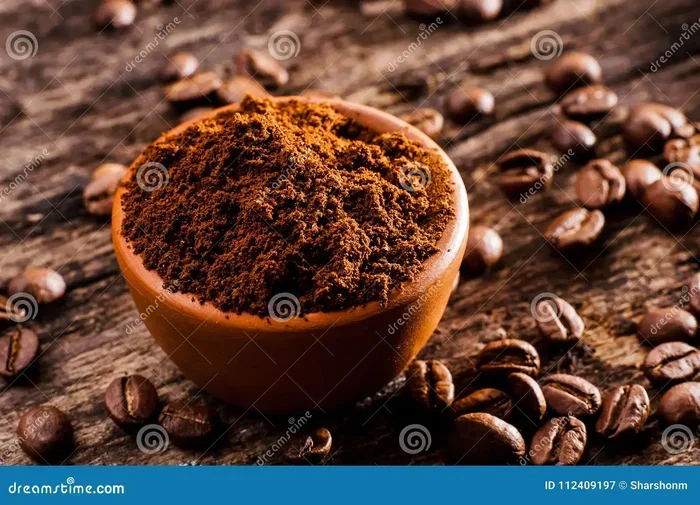
- Pay attention to grind size. Different brew methods need different grind sizes. Espresso needs fine grounds, while French press works best with coarse ones.
- Taste with intention. Try to identify the flavors in your cup — is it fruity, nutty, chocolatey, or floral? Coffee tasting, much like wine tasting, is a skill that grows with practice.
These small changes can transform your daily coffee ritual from routine to something truly enjoyable. And once you start tasting the differences, you’ll never look at your morning cup the same way again.
The beauty of coffee is that there’s always something new to discover. A new origin, a new roast, a new brewing method — the possibilities are endless. That’s what keeps coffee lovers coming back day after day.
Conclusion
So, what makes coffee special? It’s everything — the centuries of history, the care that goes into growing and roasting each bean, the science behind every brew, and the cultural traditions that surround it. Coffee is more than just a caffeine fix. It’s a ritual, a comfort, a conversation starter, and a window into cultures around the world.
Whether you drink it for the energy, the flavor, or the feeling of holding a warm mug on a quiet morning, coffee has a way of making ordinary moments feel a little more special. The next time you brew a cup, take a moment to appreciate everything that went into it — from the farmer’s hands to the roaster’s craft to your own personal touch in the kitchen.
Coffee brings people together in ways few other things can. It sparks creativity, fuels productivity, and creates connections between strangers and friends alike. And that, in the end, is what makes coffee truly special.
So here’s to your next cup — may it be hot, fresh, and full of everything you love. Cheers!
Frequently Asked Questions
What makes coffee different from tea?
Coffee and tea come from different plants and have distinct flavor profiles. Coffee is made from roasted beans and tends to be bolder and more aromatic. Tea is made from leaves and offers a wider range of flavors from floral to earthy. Both contain caffeine, but coffee generally has more per serving.
Is coffee good for your health?
Moderate coffee consumption has been linked to several health benefits, including improved focus, antioxidants, and a lower risk of certain diseases. However, drinking too much caffeine can cause jitters, anxiety, and sleep issues. Balance is key for getting the benefits without the downsides.
What is the best way to store coffee beans?
Store whole coffee beans in an airtight container at room temperature, away from light, heat, and moisture. Avoid storing them in the fridge or freezer, as they can absorb odors and moisture. Use your beans within two to four weeks of opening for the freshest flavor.
Why does coffee taste different at different cafes?
Every cafe uses different beans, roast levels, grind sizes, and brewing methods. Water quality and temperature also play a role. Even the type of filter or machine used changes the final taste. These small differences add up to create unique flavor experiences at each location.
Can I drink coffee if I’m sensitive to caffeine?
Yes! Decaf coffee still contains most of the antioxidants and flavor compounds of regular coffee, with very little caffeine. You can also try half-caf options or switch to cold brew, which is naturally lower in acidity and often easier on sensitive stomachs.
What makes single origin coffee special?
Single origin coffee comes from one specific region or farm, which means its flavor reflects the unique soil, climate, and farming practices of that area. This transparency and distinctiveness give single origin beans a character that blended coffees can’t replicate, making each cup a true representation of its origin.