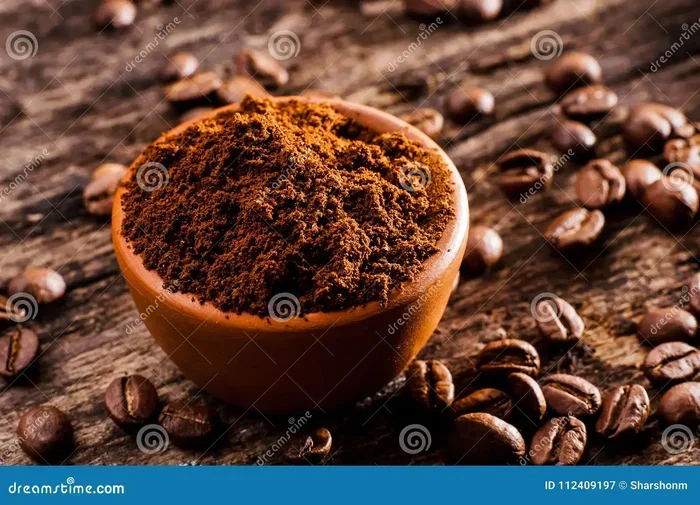
Is It Cheaper To Grind Your Own Coffee at Home Daily
Grinding your own coffee at home every day can save you serious money over time. Buying whole beans and grinding them fresh costs less per cup than pre-ground coffee, especially if you drink coffee daily. Beyond savings, you get better flavor, more control over grind size, and a richer morning routine. This guide covers the true costs, the best grinders, and whether the daily habit is worth your time and effort.
Every morning, millions of people reach for a container of pre-ground coffee without thinking twice. But have you ever stopped to wonder if there is a cheaper way? The question is it cheaper to grind your own coffee comes up more often than you might think. And the answer might surprise you.
Grinding coffee at home every day is not just a trend. It is a practical choice that can cut your daily coffee costs significantly. When you buy whole beans and grind them yourself, you control the freshness, the flavor, and the price. In this article, we will walk through the real numbers, the best tools, and the simple steps to make grind coffee at home part of your daily routine.
Whether you are a casual coffee drinker or someone who cannot start the day without a fresh cup, this guide has something for you. We will look at the true cost of pre-ground versus whole beans, compare grinder options, and help you decide if a home grinding setup makes sense for your budget and lifestyle.
Key Takeaways
- Save money daily: Grinding whole beans at home is cheaper per cup than buying pre-ground coffee.
- Better flavor: Freshly ground coffee tastes noticeably better and stays fresh longer.
- Grinder types matter: Burr grinders give the best results, but blade grinders work for beginners.
- Small upfront cost: A decent grinder pays for itself within weeks of daily use.
- Control your brew: Adjusting grind size lets you perfect every brewing method.
- Storage counts: Proper bean storage keeps coffee fresh and maximizes your savings.
📑 Table of Contents
The Real Cost of Pre-Ground Coffee vs. Whole Beans
To understand if grinding your own coffee saves money, you need to compare the two options side by side. Pre-ground coffee is convenient, but that convenience comes at a price. Whole beans cost more upfront, but they go further and taste better.
What You Pay for Pre-Ground Coffee
A standard 12-ounce bag of pre-ground coffee usually costs between 8 and 15 dollars. That bag makes roughly 16 cups of coffee. So each cup costs about 50 to 95 cents. Sounds reasonable, right? But here is the catch. Pre-ground coffee loses its freshness fast. Once the bag is opened, the flavor starts to fade within days. Many people end up throwing out stale coffee without even realizing it.
Also, pre-ground coffee is often the lowest quality beans the brand has. Companies grind the less desirable beans and sell them as pre-ground to move inventory quickly. You are paying for convenience, not quality.
What You Pay for Whole Beans
Whole bean coffee typically runs 12 to 20 dollars for a 12-ounce bag. That seems more expensive at first glance. But here is the thing. A 12-ounce bag of whole beans makes about 20 to 24 cups because you lose less waste. The grind size can be adjusted to match your brewing method, which means less coffee wasted per cup.
When you do the math, whole beans cost roughly 50 to 85 cents per cup. That is already cheaper or about the same as pre-ground. And because freshly ground coffee tastes so much better, you waste less of it. The coffee cost savings add up fast, especially if you drink multiple cups a day.
| Factor | Pre-Ground Coffee | Whole Beans |
|---|---|---|
| Price per 12 oz | 8 – 15 dollars | 12 – 20 dollars |
| Cups per bag | 16 | 20 – 24 |
| Cost per cup | 50 – 95 cents | 50 – 85 cents |
| Freshness | Fades in 3-7 days | Lasts weeks when stored properly |
| Waste | Higher | Lower |
| Flavor control | None | Full control |
As you can see, the cost difference is not huge at first. But over weeks and months, the savings from grind coffee beans at home really add up. You also get a better product, which means less waste and more enjoyment.
How Much You Actually Spend on Coffee Daily
Let us talk numbers. If you drink two cups of coffee every single day, your monthly coffee habit can vary a lot depending on how you prepare it. Here is a simple breakdown of what different approaches cost over a year.
The Daily Cost Breakdown
- Pre-ground coffee at home: About 15 to 20 dollars per month
- Whole beans ground at home: About 12 to 18 dollars per month
- Coffee shop drinks daily: About 60 to 120 dollars per month
- Daily coffee habit total savings at home: Up to 100+ dollars per month
Even comparing just pre-ground to freshly ground at home, you save a few dollars every month. That might not sound like much. But over a full year, those savings reach 50 to 100 dollars or more. And that is before factoring in the better taste and the satisfaction of making your own fresh ground coffee every morning.
For people who buy coffee shop drinks every day, switching to home-brewed freshly ground coffee can save hundreds of dollars per year. The daily coffee routine becomes not just cheaper but also more enjoyable when you control every step.
The Grinder Investment
Now, you need a grinder to make this work. A basic blade grinder costs 15 to 30 dollars. A burr grinder, which gives a much more consistent grind, runs 50 to 200 dollars depending on the brand and features. That upfront cost might feel intimidating, but it pays for itself quickly. If a 50-dollar burr grinder saves you even 10 dollars a month on coffee, it pays for itself in five months. After that, every month is pure coffee cost savings.
Types of Coffee Grinders Worth Your Money
Not all coffee grinders are created equal. The type you choose affects the price, the grind quality, and how easy your daily routine will be. Let us look at the main options.
Blade Grinders
Blade grinders are the most affordable option. They use a spinning blade to chop the beans into grounds. They are simple to use and easy to clean. The downside is inconsistency. Blade grinders produce a mix of fine powder and larger chunks, which leads to uneven extraction. Some sips taste bitter, and others taste weak.
Still, if you are just starting out or have a tight coffee budget, a blade grinder is a solid entry point. They work fine for drip coffee makers and French presses where a little inconsistency is easier to overlook.
Burr Grinders
Burr grinders are the gold standard for home coffee grinding. They use two revolving surfaces to crush beans into a consistent size. You can adjust the grind setting from fine to coarse, which is perfect for different brewing methods. A consistent grind size means better extraction and a much tastier cup.
Burr grinders come in two styles: flat burr and conical burr. Conical burr grinders are quieter and easier to clean. Flat burr grinders offer the most consistent results. Both types will make your daily home coffee setup feel professional and rewarding.
Manual Grinders
Manual hand grinders are a great budget-friendly option. They do not require electricity, so they are perfect for travel or small kitchens. A good manual grinder costs 30 to 80 dollars and produces surprisingly consistent grounds. The downside is that grinding takes more effort and time. If you are grinding enough coffee for a full pot every morning, it can feel tiring.
But for single-cup brewing or someone who enjoys the ritual of making coffee by hand, a manual grinder is a wonderful choice. It is quiet, portable, and very affordable.
Electric Burr Grinders
Electric burr grinders combine consistency with convenience. You load the beans, press a button, and walk away. Most models grind enough for 8 to 12 cups in under 30 seconds. They are ideal for people who want a fast daily coffee routine without sacrificing quality.
Look for models with removable burrs for easy cleaning and a wide range of grind settings. Brands like Baratza, Fellow Ode, and Krups offer reliable options at different price points. When you compare the cost of an electric grinder to months of coffee shop visits, the value is clear.
Step-by-Step: Starting Your Daily Grind Routine
Getting started with grinding your own coffee at home is simple. You do not need fancy equipment or a complicated process. Here is how to build a routine that works for you.
Step 1: Buy Quality Whole Beans
Start by choosing a good brand of whole beans. Look for beans with a roast date listed on the bag. Freshness matters a lot. Ideally, use beans within two to four weeks of the roast date. Store them in an airtight container away from light and heat.
Step 2: Choose Your Grind Size
Different brewing methods need different grind sizes. Here is a quick guide:
- Coarse: French press, cold brew
- Medium: Drip coffee makers, pour-over
- Fine: Espresso, moka pot
- Extra fine: Turkish coffee
Getting the right grind size is one of the most important steps. Too fine and your coffee turns bitter. Too coarse and it tastes weak and sour. Experiment until you find what works best for your brewer.
Step 3: Measure and Grind
Use a kitchen scale to measure your beans. A good starting ratio is 2 tablespoons of whole beans per 6 ounces of water. Grind the beans just before brewing for the best flavor. This is the secret that coffee shops know but many home brewers overlook.
Step 4: Brew and Enjoy
Once you have fresh grounds, brew your coffee as usual. You will notice the aroma is stronger and more pleasant. The flavor is cleaner and more balanced. This is what fresh ground coffee tastes like, and once you start, you will not want to go back.
Quick Tips for Your Morning Routine
- Grind the night before if you are short on time in the morning
- Clean your grinder once a week to prevent oil buildup
- Buy beans in bulk to save money per pound
- Keep beans in a cool, dark place, not in the fridge
- Experiment with different roasts and origins to find your favorite
The Hidden Benefits of Grinding at Home
Saving money is the main reason most people start grinding their own coffee. But the benefits go far beyond your wallet. Once you make the switch, you will notice differences you did not expect.
Flavor and Aroma
Freshly ground coffee has a richer aroma and more complex flavor. Pre-ground coffee loses its aromatic compounds within hours of being ground. Whole beans stay fresh for weeks, so every cup tastes vibrant and full. Once you taste the difference, it is hard to go back to pre-ground.
Health Benefits
Coffee is full of antioxidants and other beneficial compounds. Grinding right before brewing preserves more of these nutrients. Pre-ground coffee has been exposed to air and light for longer, which degrades some of the healthy compounds. Freshly ground coffee gives you more of what makes coffee good for you.
Less Waste
When you grind only what you need, you waste less coffee. Pre-ground coffee often sits in the container too long and goes stale. With whole beans, you grind a small batch each morning. This means less thrown-out coffee and less money in the trash.
More Control Over Your Brew
One of the best parts of grinding at home is the control. You decide the grind size, the amount, and the freshness level. This level of control lets you experiment with different brewing methods and dial in your perfect cup. Over time, you develop a deeper appreciation for coffee and the craft behind it.
Kitchen Appliance Connections
Setting up a grinding routine fits naturally into a broader kitchen setup. For instance, if you use a toaster oven for warming pastries or reheating breakfast items, keeping your grinder on the counter nearby makes the morning flow smoother. You can even store your beans near other appliances you use daily, like your air fryer toaster oven or regular oven, to keep your morning station organized and efficient. When you are maintaining your kitchen tools, knowing how to clean things properly helps too, such as learning how to clean the bottom tray of a toaster oven to keep your whole setup running smoothly.
The same goes for temperature control in the kitchen. Understanding how your oven works, like knowing what button to press to preheat oven, helps you build a more efficient morning routine. When your kitchen tools are organized and well-maintained, your entire daily ritual becomes smoother and more enjoyable.
Is It Worth It? A Final Honest Look
So, is it actually cheaper to grind your own coffee at home every day? The honest answer is yes, but with some nuance. You will save money on every cup compared to pre-ground coffee, and the savings are even bigger compared to coffee shop drinks. The upfront cost of a grinder is the main barrier, but it pays for itself quickly.
Beyond money, the benefits of freshly ground coffee are hard to ignore. Better flavor, more control, less waste, and a more enjoyable morning routine are all real advantages. If you drink coffee daily, the investment in a good grinder and quality beans is one of the best decisions you can make for your wallet and your taste buds.
Start small if you need to. Buy a simple blade grinder and a bag of whole beans. Try grinding your own coffee for a week and taste the difference. Once you experience fresh ground coffee every morning, going back to pre-ground will feel like a step backward. The habit of grinding at home is one of those small changes that makes a big difference over time.
Your coffee routine is personal, and there is no one right way to do it. But if you are looking for a way to save money, improve flavor, and bring more intention to your mornings, grinding your own beans is a fantastic place to start. The savings add up, the quality improves, and the ritual itself becomes something you look forward to every single day.
Frequently Asked Questions
Is grinding your own coffee really cheaper than buying pre-ground?
Yes, grinding your own coffee is generally cheaper per cup than buying pre-ground coffee. Whole beans last longer, waste less, and give you more cups per bag. Over time, the savings build up significantly, especially if you drink coffee every day.
How long does it take to grind coffee beans each morning?
Grinding coffee beans takes less than a minute with an electric grinder. A manual grinder takes about 2 to 3 minutes. The process is quick and simple, and most people find it becomes a seamless part of their morning routine within the first week.
What type of grinder is best for beginners?
A blade grinder is the best starting point for beginners because it is affordable and easy to use. However, a burr grinder gives much better results and is worth the investment if you drink coffee regularly and want consistent flavor every time.
Can you save money by grinding coffee at home if you only drink one cup a day?
Absolutely. Even if you drink just one cup a day, grinding at home saves you money compared to buying pre-ground or going to a coffee shop. The savings are smaller with one cup, but they still add up over weeks and months.
Does freshly ground coffee really taste that much better?
Yes, freshly ground coffee tastes noticeably better than pre-ground coffee. The aroma is stronger, the flavor is cleaner, and the overall experience is more enjoyable. Once you make the switch, most people agree the difference is immediately apparent.
How should you store whole coffee beans to keep them fresh?
Store whole coffee beans in an airtight container in a cool, dark place. Avoid the fridge because moisture can affect the beans. A pantry or cupboard works perfectly. Proper storage keeps beans fresh for two to four weeks after opening the bag.