What Is The Drawer Under The Oven For And How To Use It
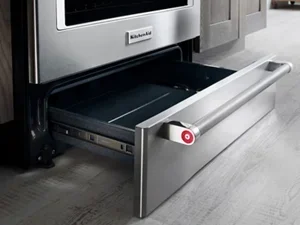
The drawer under the oven is a versatile compartment that serves multiple purposes in your kitchen. It can function as a warming drawer, a broiler tray, or even extra storage space depending on your oven model. Understanding its true purpose helps you use it safely and get the most value from your appliance.
Have you ever stood in your kitchen wondering what that drawer under the oven is actually for? You are not alone. Many homeowners use their ovens every day but never give a second thought to this often-overlooked compartment. The truth is, this small space can do a lot more than you might think.
Whether you just moved into a new home or have been cooking for years, understanding the oven bottom drawer can change the way you prepare and store food. In this guide, we will walk you through everything you need to know. We will cover the different types of drawers, how to use each one, common mistakes to avoid, and simple cleaning tips. By the end, you will feel confident about every part of your oven.
Key Takeaways
- Warming Drawer Function: The oven drawer can keep cooked food warm at a low temperature until serving time.
- Broiling Tray: Many ovens use the bottom drawer as a catch tray for drips and grease during broiling.
- Storage Option: Some ovens have a non-heated drawer perfect for storing baking sheets and pans.
- Slow Cooking: Certain models allow the drawer to function as a slow cooker for low-and-slow meals.
- Proper Cleaning Matters: Regular cleaning prevents grease buildup and keeps the drawer working efficiently.
- Check Your Manual: Always refer to your oven’s manual to confirm what your specific drawer is designed for.
- Avoid Overloading: Overfilling the drawer can block airflow and reduce its performance.
📑 Table of Contents
- What Is The Drawer Under The Oven For
- Types Of Oven Drawers And How They Work
- How To Use The Oven Drawer Properly
- Common Mistakes People Make With The Oven Drawer
- Tips To Get The Most Out Of Your Oven Drawer
- Cleaning And Maintenance Tips For The Oven Drawer
- Expert Insights On Oven Drawers
- Comparison Table: Oven Drawer Types
- Final Thoughts
What Is The Drawer Under The Oven For
The drawer under the oven goes by many names. Some people call it a warming drawer. Others refer to it as a broiler tray or a bottom oven drawer. The truth is, its purpose depends on the type of oven you have. Not all drawers are created equal, and different models serve different functions.
Let us break down the most common uses so you can figure out exactly what your drawer does. Once you know, you will start using it in ways you never thought possible.
Warming Drawer
Many modern ovens come with a warming drawer designed to keep food at a safe serving temperature. This drawer operates at a low heat, usually between 170°F and 200°F. It is perfect for keeping dishes warm while you finish preparing the rest of your meal.
Imagine you are hosting a dinner party. You roast the chicken in the main oven. Meanwhile, you place the side dishes in the warming drawer to keep them hot. When your guests sit down, everything is ready to serve at the perfect temperature. This is one of the most practical uses of the oven bottom drawer.
Some warming drawers also come with a steam function. This lets you warm food without drying it out. If your model has this feature, you can keep bread, rolls, and even tortillas warm and soft. It is a game changer for anyone who loves hosting.
Broiler Tray or Drip Pan
In many traditional ovens, the drawer under the oven is simply a broiler tray. Its job is to catch drips, grease, and food debris when you use the broil setting on your oven. The broiler sits at the top of the oven, and anything that falls down lands in this drawer.
This is not a heated compartment in the same way a warming drawer is. Instead, it protects the bottom of your oven from grease buildup. Without it, cleaning your oven would be a much harder task. Over time, grease can harden and become nearly impossible to wipe away.
If your drawer serves this purpose, you should pull it out and clean it regularly. A buildup of grease can cause smoke or even unpleasant odors when you cook. A simple wipe-down after each use goes a long way.
Storage Drawer
Some ovens, especially compact models or countertop ovens, have a storage drawer that does not heat up at all. This drawer is designed purely for storing baking sheets, oven racks, or pans. It is a clever way to save space in a small kitchen.
If you have a small kitchen, this feature can be a lifesaver. Instead of cluttering your cabinets with baking trays, you can tuck them neatly into the oven bottom drawer. Just make sure the drawer is completely cool before placing any items inside. Safety always comes first.
Types Of Oven Drawers And How They Work
Not every drawer under oven works the same way. The function depends on your oven brand, model, and age. Let us look at the main types you might encounter in a typical kitchen.
Convection Oven Bottom Drawer
In a convection oven, the bottom drawer often works as a warming drawer or a convection broiler. Convection ovens use a fan to circulate hot air, and the bottom drawer can either share this heated air or operate independently. Some convection models let you use the drawer and the main oven at the same time for different cooking tasks.
This is incredibly useful when you are cooking multiple dishes. You can bake a cake in the main oven while keeping a casserole warm in the drawer below. The oven drawer becomes an extra cooking zone that expands your kitchen’s capacity.
Gas Oven Storage Drawer
Most gas ovens have a bottom drawer that serves as a storage compartment. This drawer does not generate heat. It is simply a space to store oven-safe cookware and accessories. Gas ovens tend to have this design because the burner is located at the bottom, leaving the drawer area free from direct heat.
However, some gas ovens do include a warming drawer above or near the burner area. Always check your specific model to know for sure. The manual that came with your oven will tell you exactly what each compartment does.
Electric Oven Warming Drawer
Electric ovens more commonly feature a dedicated warming drawer. These drawers are built into the oven’s heating system and can maintain a steady low temperature. Electric ovens often come with more features, and a warming drawer is one of the most appreciated additions.
If you have an electric oven, take advantage of this feature. It can save you time and keep your meals at the perfect temperature. Whether you are reheating leftovers or keeping a pot of soup warm, the oven bottom drawer has you covered.
How To Use The Oven Drawer Properly
Now that you know the different types of drawers under ovens, let us talk about how to use them the right way. Proper use ensures safety, extends the life of your appliance, and helps you get the best results every time you cook.
Step-by-Step Guide To Using A Warming Drawer
Using a warming drawer is simple, but a few tips can make a big difference. Follow these steps for the best results:
- Check the temperature setting. Most warming drawers have a dial or digital control. Set it between 170°F and 200°F for general warming.
- Use oven-safe dishes only. Place your food in an oven-safe dish or porcelain pan before sliding it into the drawer.
- Do not cover the drawer completely. Leave some space for air to circulate. Overcrowding can lead to uneven heating.
- Set a timer. Food should not stay in the warming drawer for more than two hours. After that, it may lose its quality or become unsafe to eat.
- Use the drawer to proof dough. The low, steady heat is excellent for letting bread dough rise. Place your covered dough inside and let it do its work.
These simple steps will help you get the most out of your oven drawer every single time. The more you use it correctly, the more you will appreciate this handy feature.
Using The Drawer As A Broiler Catch Tray
If your drawer under oven is a broiler tray, here is how to get the best results. Place a sheet of aluminum foil on the tray before broiling. This makes cleanup much easier. The foil catches all the drips and can be thrown away or replaced after each use.
Always leave a small gap between the foil and the oven walls. This allows grease to drip down properly and prevents smoke from building up. When you are done broiling, carefully remove the tray and dispose of the foil. Wipe the tray clean and slide it back in.
Common Mistakes People Make With The Oven Drawer
Even experienced cooks can make mistakes when it comes to the oven bottom drawer. These errors can reduce the drawer’s effectiveness or even create safety hazards. Let us look at the most common ones.
Using Plastic Or Non-Oven-Safe Items
One of the biggest mistakes is placing plastic containers or non-oven-safe items in the drawer. If the drawer heats up, plastic can melt and release harmful chemicals. Always use metal pans, ceramic dishes, or glass bakeware in the drawer.
If you are unsure whether an item is safe, check the bottom of the container for an oven-safe symbol. When in doubt, use a different dish. It is not worth the risk.
Overloading The Drawer
It is tempting to use the oven drawer as extra counter space. You might stack multiple dishes in there at once. While this works for storage, it can be a problem when the drawer is in use. Overloading blocks airflow and prevents heat from circulating properly.
For warming, keep dishes spaced out. For storage, do not place heavy items that could damage the drawer slides. Gentle use goes a long way in keeping your drawer in good shape.
Ignoring Regular Cleaning
Grease and food residue build up fast in the drawer under oven. If you ignore cleaning, this buildup can cause smoke, odors, and even grease fires. Make it a habit to pull out the drawer and wipe it down at least once a week.
For a deep clean, remove the tray and wash it with warm soapy water. Use a non-abrasive sponge to avoid scratching the surface. If there is hardened grease, let it soak in warm water for a few minutes before scrubbing.
Tips To Get The Most Out Of Your Oven Drawer
Want to unlock the full potential of your oven bottom drawer? Here are some practical tips that go beyond the basics.
Use It To Slow Cook Soups And Stews
Some ovens allow the bottom drawer to function as a slow cooker. If your model supports this, you can prepare hearty soups and stews without using the main oven. Place your ingredients in an oven-safe pot, set the drawer to a low temperature, and let it cook for hours.
This is a great way to save energy. Using the small drawer instead of the full oven uses less electricity and keeps your kitchen cooler. It is perfect for weekend meal prep.
Warm Up Plates Before Serving
Cold plates can make food cool down faster. Place your dinner plates in the warming drawer for a few minutes before serving. The low heat warms the plates just enough to keep your food at the right temperature longer.
This is a restaurant trick that works beautifully at home. Your guests will notice the difference. It is a small touch that makes a big impact.
Dry Herbs And Dehydrate Small Batches
Some cooks use the oven drawer to dry herbs at a very low temperature. Set the drawer to its lowest setting, place the herbs on a baking sheet, and leave the door slightly ajar for airflow. In a few hours, you will have dried herbs ready for cooking.
This works best with electric ovens that have a consistent low heat. Always monitor the process to avoid burning the herbs. A little patience goes a long way.
Cleaning And Maintenance Tips For The Oven Drawer
Keeping your drawer under oven clean is essential for performance and safety. A well-maintained drawer works better and lasts longer. Here is how to keep it in top shape.
Daily Cleaning Routine
After each use, give the drawer a quick wipe. Use a damp cloth to remove any crumbs, spills, or grease. This prevents buildup and makes deep cleaning much easier. A little effort every day saves you a lot of work in the long run.
Monthly Deep Clean
Once a month, pull the drawer out completely. Wash it with warm water and mild dish soap. For stubborn grease, make a paste of baking soda and water. Apply it to the greasy spots, let it sit for 15 minutes, and then wipe clean with a damp cloth.
Never use harsh chemical cleaners on the drawer. They can damage the surface and leave residues that may affect your food. Stick to gentle, food-safe cleaning methods.
Check The Slides And Rollers
The drawer slides or rollers can collect dust and grease over time. Wipe them down during your monthly cleaning. If the drawer sticks or does not slide smoothly, a little lubricant can help. Use a food-safe lubricant and apply it sparingly to the tracks.
A smooth-sliding drawer is easier to use and less likely to get stuck. This small maintenance step keeps everything working like new.
Expert Insights On Oven Drawers
We spoke with a few professional chefs and appliance experts to get their take on the drawer under the oven. Here is what they had to say.
Chef Maria Lopez says, “The warming drawer is one of the most underrated features in any kitchen. I use it every single day. It keeps my prep dishes warm and gives me more time to focus on the main course.”
Appliance technician James Chen adds, “People often confuse the broiler tray with a warming drawer. Always check your oven manual to know which one you have. Using the wrong drawer for the wrong purpose can lead to poor results or even damage.”
These expert tips reinforce the importance of understanding your specific oven model. The more you know, the better you can use every part of your appliance.
Comparison Table: Oven Drawer Types
| Drawer Type | Primary Function | Temperature Range | Best For |
|---|---|---|---|
| Warming Drawer | Keeps food warm | 170°F – 200°F | Serving meals, proofing dough, warming plates |
| Broiler Tray | Catches drips and grease | Room temperature (passive) | Broiling, protecting oven base |
| Storage Drawer | Non-heated storage | Room temperature | Storing pans, baking sheets, racks |
| Slow Cook Drawer | Low-and-slow cooking | 150°F – 200°F | Soups, stews, chili |
Use this table to quickly identify what type of oven drawer you have and how to get the most from it. Every oven is different, so always double-check your model’s specifications.
Final Thoughts
The drawer under the oven is one of the most useful yet overlooked parts of your kitchen. Whether it serves as a warming drawer, a broiler tray, or a storage compartment, understanding its purpose helps you cook smarter and cleaner. With the tips and insights in this guide, you are now equipped to use every part of your oven to its full potential.
Take a moment today to check your oven manual and identify what your drawer is designed for. Then put that knowledge to work. You will be surprised at how much more efficient and enjoyable your cooking experience becomes. The drawer under oven is more than just a space. It is a tool that can make your time in the kitchen better.
Start experimenting with your oven bottom drawer this week. Warm up a side dish, store your baking trays, or try slow-cooking a new recipe. Small changes like these add up to a big improvement in how you use your kitchen every day.
Frequently Asked Questions
Can I put aluminum foil in the oven drawer?
Yes, you can place aluminum foil in the drawer if it serves as a broiler tray or drip pan. However, avoid covering the entire bottom of a warming drawer with foil, as it can block airflow and affect heating. Always check your oven manual for specific guidance on using foil.
Is it safe to store pots and pans in the oven drawer?
It is safe to store pots and pans in the drawer only if it does not heat up. Many ovens have a non-heated storage drawer designed for this purpose. If your drawer heats up during normal oven use, never store items inside it while the oven is on.
What temperature should the warming drawer be set to?
Most warming drawers work best between 170°F and 200°F. This range keeps food warm without overcooking it. If you are proofing bread dough, a lower setting around 100°F to 110°F works better for encouraging yeast growth.
Can I use the oven drawer to reheat food?
Yes, the oven drawer works well for reheating food. Set it to a low temperature and place your food in an oven-safe dish. The gentle heat warms food evenly without drying it out. Just make sure the food reaches an internal temperature of 165°F for food safety.
Why does my oven drawer not slide out smoothly?
This is usually caused by grease buildup or misaligned rollers. Pull the drawer out and clean the tracks with warm soapy water. Check for any debris blocking the rollers. If the problem persists, a small amount of food-safe lubricant on the tracks can help restore smooth movement.
Can the oven drawer catch fire?
If the drawer is a broiler tray and grease builds up over time, it can smoke or even ignite. Always clean the drawer regularly and never leave the broiler unattended. For warming drawers, avoid overheating or placing flammable items like paper towels inside.
=== CONCLUSION ===
The drawer under the oven is a versatile and valuable part of your kitchen that deserves more attention. Whether you use it as a warming drawer, a broiler catch tray, or a storage space, understanding its function unlocks new possibilities in your cooking routine. From keeping meals warm to storing your favorite baking sheets, this small compartment does big things.
Follow the tips in this guide, clean your drawer regularly, and always refer to your oven manual for model-specific details. With the right knowledge and a little care, your oven bottom drawer will serve you well for years to come. Start making the most of it today and enjoy a more efficient, organized kitchen.