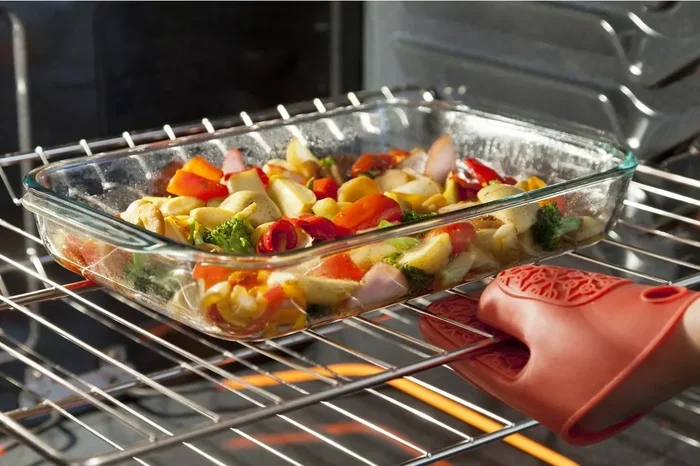
Is It Okay To Put Glass In The Oven And Not Melt It
Is it okay to put glass in the oven? The short answer is yes, but only if you use the right type of glass and follow safe temperature guidelines. Not all glass is created equal, and putting the wrong kind in a hot oven can lead to cracks, shattering, or even a messy cleanup disaster. In this guide, we walk you through everything you need to know about using glass bakeware safely so your next meal comes out perfect every time.
You are standing in the kitchen, ready to bake something delicious. You pull out your favorite glass baking dish, and a question pops into your head. Is it okay to put glass in the oven? You do not want to ruin your dish or, worse, cause a dangerous situation in your kitchen. This is a question many home cooks ask, and it is smart to get the answer right before you start cooking.
The truth is, putting glass in the oven is perfectly fine as long as you know what you are doing. The wrong type of glass, the wrong temperature, or the wrong technique can lead to disaster. But with the right knowledge, you can use glass bakeware safely and confidently. This guide covers everything you need to know about oven safe glass, from understanding the different types to learning the best practices for baking.
Glass bakeware has many fans. People love it because it looks nice, heats evenly, and lets you see the food as it cooks. But glass and heat have a complicated relationship. Glass reacts to temperature changes in ways that can surprise you if you are not prepared. That is exactly why we created this guide. We want to give you the facts, the tips, and the confidence to use glass in your oven without worry.
Whether you use Pyrex, a handmade glass dish, or a cheap glass container from the dollar store, this article is for you. We will cover what types of glass go in the oven, what temperatures are safe, how to avoid thermal shock, and much more. By the end, you will know exactly how to put glass in the oven without melting it, cracking it, or causing any accidents.
Key Takeaways
- Not all glass is oven safe: Only tempered or borosilicate glass can handle high oven temperatures without cracking.
- Thermal shock is the biggest enemy: Sudden temperature changes cause glass to expand unevenly and break.
- Check for oven-safe labels: Always look for symbols or markings on the bottom of your glass dish before using it.
- Stick to recommended temperatures: Most oven-safe glass handles up to 350-450°F, but always verify with the manufacturer.
- Never put cold glass in a hot oven: Let glass come to room temperature before placing it inside.
- Pyrex and borosilicate brands are reliable: These brands are specifically designed for oven use and thermal resistance.
- Inspect glass for damage before each use: Chips, cracks, or scratches weaken glass and increase the risk of breakage.
📑 Table of Contents
What Happens When You Put Glass In The Oven
Understanding what happens to glass when it heats up is the first step to using it safely. Glass is not like metal. It does not conduct heat the same way. Instead, glass absorbs heat and holds it. This quality makes it great for baking, but it also creates risks if you are not careful.
Why Glass Breaks In The Oven
Glass breaks in the oven for a few key reasons. The most common cause is thermal shock. This happens when one part of the glass gets hot faster than another part. For example, if the bottom of the dish touches a hot oven rack while the sides stay cooler, the uneven expansion creates stress. That stress builds up until the glass cracks or shatters.
Another reason glass breaks is sudden temperature changes. Taking a cold glass dish straight from the fridge and placing it in a hot oven is a recipe for disaster. The cold glass expands rapidly when it hits the heat, and the outer surface stretches faster than the inner structure can handle. This causes the glass to crack, sometimes immediately and sometimes after a few minutes.
Low-quality glass is also a major factor. Glass that is not designed for oven use, such as drinking glasses or window glass, cannot handle high temperatures. These types of glass have impurities and uneven compositions that make them much more likely to break when heated.
Understanding Thermal Shock In Glass
Thermal shock is the biggest danger when using glass in the oven. It refers to the stress caused by uneven heating or cooling. When glass heats up, it expands. When it cools down, it contracts. If these changes happen too fast or unevenly, the glass cannot handle the pressure.
Think of it this way. Imagine pulling a warm blanket off one side of your body while leaving the other side cold. Your body would feel uncomfortable and stressed. Glass feels the same kind of stress when different parts of it experience different temperatures at the same time.
To avoid thermal shock, always let glass come to room temperature before putting it in the oven. Never place cold glass on a hot surface. And never add cold liquid to hot glass. These simple steps go a long way in keeping your glass bakeware intact.
Which Types Of Glass Are Oven Safe
Not all glass is the same. Some types of glass are specifically designed to handle high temperatures, while others will crack or even melt in the oven. Knowing the difference is essential for safe cooking.
Borosilicate Glass vs Soda Lime Glass
Borosilicate glass is the gold standard for oven-safe glass. It is made with boron trioxide, which gives it a very low coefficient of thermal expansion. This means it does not expand or contract much when the temperature changes. That makes it highly resistant to thermal shock. Brands like Pyrex (the original European formula) and Anchor Hocking use borosilicate glass in many of their products.
Soda lime glass is the most common type of glass in everyday life. It is what most drinking glasses, window panes, and cheap glass containers are made of. Soda lime glass has a higher thermal expansion rate, which means it is much more prone to breaking when exposed to rapid temperature changes. It is not ideal for oven use, even though some people do use it that way.
The difference between these two types of glass is huge. Borosilicate glass can handle temperature swings much better than soda lime glass. If you want to bake with confidence, always choose borosilicate or tempered glass bakeware.
Pyrex And Other Popular Brands
Pyrex is one of the most well-known names in glass bakeware. The original Pyrex was made from borosilicate glass and could handle very high oven temperatures. However, it is important to know that Pyrex changed its manufacturing process in the United States in the 1990s. Modern American Pyrex is made from tempered soda lime glass, not borosilicate.
This does not mean modern Pyrex is unsafe. Tempered glass is still oven safe, but it has different limits. Most modern Pyrex products are safe up to 425°F to 450°F. Always check the bottom of the dish or the packaging for specific temperature guidelines.
Other popular brands include Anchor Hocking, Libbey, and Duralex. Each brand has its own specifications, so always read the instructions. When in doubt, contact the manufacturer or look for an oven-safe symbol on the product.
Temperature Guidelines For Glass In The Oven
Temperature is one of the most important factors when using glass in the oven. Going too high can cause the glass to soften, warp, or even melt. Going too fast from cold to hot can cause it to crack. Understanding the safe temperature range for your glass bakeware is critical.
Maximum Safe Temperatures For Glass Bakeware
Most oven-safe glass bakeware can handle temperatures between 350°F and 450°F. Some high-quality borosilicate glass dishes can go even higher, up to 500°F. But these numbers vary by brand and product, so always check the manufacturer’s guidelines.
Here are some general temperature guidelines to keep in mind:
- Standard tempered glass bakeware: Safe up to 350°F to 425°F
- Borosilicate glass (traditional Pyrex): Safe up to 450°F to 500°F
- Glass ceramic (like CorningWare): Safe up to 450°F to 500°F
- Non-oven-safe glass: Do not use in the oven at all
If you are baking at 350°F, which is one of the most common baking temperatures, most oven-safe glass dishes will handle it just fine. But if you want to bake at 450°F or higher, make sure your glass is rated for that temperature.
How To Check If Your Glass Is Oven Safe
Checking if your glass is oven safe is easy and should always be done before you start baking. Look at the bottom of the dish for any markings or symbols. Most oven-safe glass will have a label that says “oven safe” or shows an oven icon. Some dishes also list the maximum temperature they can handle.
If there are no markings, do not guess. Contact the manufacturer or check the product packaging. You can also look up the brand and model online to find the specifications. Never put a glass dish in the oven if you are unsure whether it is safe.
Also, pay attention to the condition of your glass. Chips, cracks, or scratches weaken the structure of the glass and make it more likely to break in the oven. If your glass bakeware is damaged, it is best to replace it rather than risk a breakage in the oven.
Can You Put Glass In A Preheated Oven
Many people wonder if they can place glass bakeware in a preheated oven. The answer is yes, but with some important precautions. How you place the glass and at what temperature matters a great deal.
Best Practices For Using Glass Bakeware
Follow these best practices to use glass bakeware safely and get the best results every time:
- Always preheat the oven before placing the glass inside. This ensures the temperature rises gradually and evenly.
- Place the glass on a center oven rack. This allows for even heat distribution around the dish.
- Avoid touching the sides or bottom of the oven with the glass. Direct contact with hot metal surfaces can cause uneven heating and cracking.
- Use oven mitts when handling hot glass. Glass retains heat very well and can burn your hands if you are not careful.
- Let the glass cool before washing it. Placing hot glass under cold water is one of the fastest ways to cause thermal shock and breakage.
- Add liquid to the bottom of the dish before baking. A small amount of liquid helps distribute heat more evenly and reduces the risk of cracking.
Common Mistakes To Avoid
Even experienced cooks make mistakes with glass bakeware. Here are the most common errors and how to avoid them:
- Putting cold glass in a hot oven: Always let the dish come to room temperature first. Take it out of the fridge at least 15 to 30 minutes before baking.
- Using glass on the stovetop: Most glass bakeware is not designed for direct stovetop use. The direct flame can cause uneven heating and cracking.
- Overfilling the dish: Leave some space at the top. Food expands as it cooks, and overflowing can put extra stress on the glass.
- Ignoring cracks or chips: Even a small crack can grow when the glass is heated. Always inspect your bakeware before each use.
- Using the broiler with glass: The intense, direct heat from the broiler is too much for most glass dishes. Avoid using glass bakeware under the broiler unless the manufacturer specifically says it is safe.
Glass Vs Metal Baking Dishes
When it comes to baking, glass and metal are the two most popular choices. Each has its own advantages and disadvantages. Understanding these differences helps you choose the right dish for every recipe.
Pros And Cons Comparison
Glass bakeware has several benefits. It heats up more slowly than metal, which means it distributes heat more evenly. This results in more uniform baking and browning. Glass also allows you to see the bottom of your food, so you can check for doneness without opening the oven and losing heat.
On the other hand, glass takes longer to heat up and longer to cool down. This means your baking time may be slightly longer with glass compared to metal. Also, glass is more fragile than metal. It can break if not handled properly, and it is not as durable over time.
Metal bakeware, especially aluminum and stainless steel, heats up quickly and responds fast to temperature changes. This makes it great for recipes that need high, direct heat. Metal is also more durable and less likely to break. However, metal can cause foods to brown faster on the bottom and edges, which sometimes leads to overcooking.
For most everyday baking tasks like casseroles, cobblers, and baked pasta, glass works beautifully. For recipes that need a crispy bottom, like pizza or bread, metal is usually the better choice.
How To Safely Remove Glass From The Oven
Taking glass out of the oven safely is just as important as putting it in. A slip or a bump can cause hot glass to break, potentially causing burns or a mess inside your oven.
Always use dry oven mitts when handling glass bakeware. Wet oven mitts conduct heat and can burn your hands. Place the glass dish on a dry, heat-resistant surface like a wooden cutting board or a trivet. Never place hot glass directly on a cold countertop, a wet surface, or a metal stovetop. The sudden temperature change can cause the glass to crack or shatter.
Let the glass cool for at least 15 to 20 minutes before washing it or moving it to another location. If you need to speed up the cooling process, place the dish on a wire rack where air can circulate around it. Patience is your best friend when working with hot glass.
What To Do If Glass Breaks In The Oven
Despite your best efforts, glass can sometimes break in the oven. If this happens, turn off the oven and let it cool completely before opening the door. Do not try to remove the broken glass while the oven is still hot. Once the oven is cool, carefully remove the pieces using gloves and dispose of them properly.
Clean the inside of the oven thoroughly to make sure no small glass fragments are left behind. Check the oven racks and walls for any damage as well. If the glass broke due to a manufacturing defect, contact the manufacturer. Many companies offer warranties or replacements for defective products.
Conclusion
Is it okay to put glass in the oven? Absolutely, as long as you use the right type of glass and follow safe practices. Always choose oven-safe glass, check the temperature limits, and avoid sudden temperature changes. By understanding thermal shock, knowing your glass type, and following the tips in this guide, you can bake with confidence every single time.
Glass bakeware is a wonderful tool in any kitchen. It looks beautiful, bakes evenly, and lets you monitor your food as it cooks. With the right care and attention, your glass dishes will serve you well for years to come. So go ahead, preheat your oven, and bake something amazing. Just remember to keep your glass oven safe practices front of mind, and you will never have to worry about melting or breaking your favorite dishes.
The key to success is simple knowledge and a little caution. Now that you know how to use glass in the oven safely, you are ready to create delicious meals without any stress. Happy baking!
Frequently Asked Questions
Can all glass go in the oven?
No, not all glass is oven safe. Only glass that is specifically labeled as oven safe, such as borosilicate or tempered glass, should be used in the oven. Drinking glasses, window glass, and decorative glass should never go in the oven because they are not designed to handle high temperatures.
What temperature does glass melt in the oven?
Glass does not melt at typical oven temperatures. Most household ovens reach a maximum of 500°F to 550°F. Glass melting requires temperatures above 1,000°F. However, glass can soften, warp, or crack at much lower temperatures if it is not oven safe or if it experiences thermal shock.
Is it safe to put Pyrex in the oven?
Yes, Pyrex is generally safe to use in the oven. Most modern Pyrex products are rated for temperatures up to 425°F to 450°F. However, you should always check the specific product guidelines, avoid sudden temperature changes, and never use Pyrex under the broiler or on the stovetop.
Why did my glass dish crack in the oven?
Glass dishes crack in the oven most often due to thermal shock. This happens when the glass experiences a sudden temperature change, such as going from the fridge to a hot oven. Other causes include placing glass on a hot oven rack, using a damaged dish, or exceeding the maximum temperature rating for the glass.
Can you bake a cake in a glass pan?
Yes, you can bake a cake in a glass pan. Glass pans work well for cakes, brownies, and casseroles because they heat evenly and allow you to check the bottom for doneness. Just remember that glass takes longer to heat up than metal, so you may need to increase your baking time slightly.
How do I know if my glass is oven safe?
Look for an oven-safe symbol or label on the bottom of the glass dish. Most oven-safe glass will have a printed marking or an icon showing a oven with safe temperature ranges. If you cannot find any markings, check the packaging or contact the manufacturer directly to confirm.