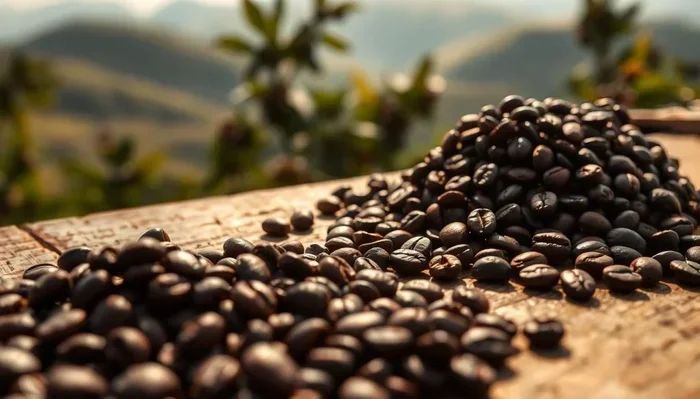
How To Make Every Day Dose Coffee Better Every Morning
Making your everyday dose coffee better every morning is easier than you think. With the right beans, water temperature, and brewing method, you can transform your daily cup into something truly special. This guide covers simple, actionable steps to upgrade your morning coffee ritual and help you enjoy a better cup every single day.
Key Takeaways
- Use fresh, quality beans: Freshly roasted coffee beans make a huge difference in taste and aroma.
- Master your coffee ratio: The right ratio of coffee to water ensures a balanced cup every time.
- Control water temperature: Brewing at the right temperature unlocks the best coffee flavor.
- Grind just before brewing: Freshly ground coffee tastes far better than pre-ground options.
- Clean your equipment regularly: A clean coffee maker produces better-tasting coffee.
- Experiment with brewing methods: Different methods bring out different notes and strengths in your coffee.
- Build a morning coffee ritual: A consistent routine helps you enjoy every cup more.
📑 Table of Contents
Why Your Morning Coffee Deserves an Upgrade
Let’s be honest. Most of us start our morning with a cup of coffee and call it good. But what if your everyday dose coffee could be so much better? You don’t need expensive equipment or a barista degree. A few simple changes can turn your morning beverage into something you genuinely look forward to.
Think about your morning coffee routine for a moment. You probably grab your coffee maker, scoop some ground coffee in, and hit start. That’s fine. But it’s also leaving flavor and aroma on the table. The good news is that even small tweaks can make a big impact on your coffee taste and overall enjoyment.
Whether you’ve been drinking the same daily coffee habit for years or you’re just starting to explore better coffee, this guide is for you. We’re going to walk through everything you need to know about making your everyday dose coffee taste amazing. From choosing the right beans to nailing your brew time, you’ll find practical advice you can use starting tomorrow morning.
The best part? You don’t have to change everything at once. Pick one or two tips and try them this week. Once you taste the difference, you’ll want to keep going. Let’s dive in.
Understanding Your Everyday Dose Coffee
What Makes a Great Cup of Coffee
At its core, a great cup of coffee comes down to a few key factors. Coffee quality starts with the beans. But how you handle them matters just as much. The water temperature, brew time, and coffee ratio all play a role in the final coffee flavor in your cup.
Think of it like cooking. You can have the best ingredients in the world, but if you don’t prepare them right, the result won’t be great. The same goes for your morning brew. Understanding these basics gives you the power to control your coffee strength and coffee aroma every single time.
Here are the four pillars of a great cup:
- Bean quality: Fresh, high-quality beans are the foundation.
- Grind freshness: Grinding just before brewing preserves flavor.
- Water quality: Clean, filtered water makes a noticeable difference.
- Precision: Consistent ratios and temperatures lead to consistent results.
Why Consistency Matters in Your Morning Beverage
One of the best things about a good morning routine is consistency. When you know how to make your everyday dose coffee the same way each morning, you remove guesswork. This is especially important if you’re sharing a kitchen or making multiple cups.
Consistency also helps you identify problems faster. If your coffee taste changes one day, you can look at what changed in your process. Did you use a different grind size? Was the water hotter? This kind of awareness turns you from a passive coffee drinker into an active one.
Choosing the Right Beans and Grind
Fresh Beans vs. Pre-Ground Coffee
This is the single biggest upgrade you can make. Fresh coffee beans simply taste better than anything that’s been sitting in a bag on a shelf for months. When you buy whole beans and grind them yourself, you unlock a level of coffee aroma that pre-ground coffee just can’t match.
Here’s why it matters: once coffee is ground, it starts to lose its flavor quickly. Within 15 to 30 minutes, much of the coffee flavor has already begun to fade. By grinding right before you brew, you capture all those volatile compounds that give your morning drink its character.
If buying whole beans feels intimidating, start small. Buy a small bag of freshly roasted beans and try grinding just enough for one cup. You’ll taste the difference immediately. Many grocery stores now have coffee grinders in the bean aisle, so you can even grind on the spot.
Finding the Right Grind Size
The coffee grind size you choose should match your brewing method. This is one of those details that makes a real difference. Here’s a simple breakdown:
- Coarse grind: Best for French press and cold brew. Looks like sea salt.
- Medium grind: Great for drip coffee makers and pour-over. Looks like sand.
- Fine grind: Ideal for espresso and moka pots. Looks like table salt.
Using the wrong grind size can lead to over-extraction or under-extraction. Over-extracted coffee tastes bitter and harsh. Under-extracted coffee tastes sour and weak. Getting the grind right is a simple way to dramatically improve your everyday dose coffee.
Mastering the Brewing Process
The Perfect Coffee-to-Water Ratio
Getting the coffee ratio right is like following a recipe. Too much coffee and your drink is overpowering. Too little and it’s weak and watery. The golden standard for most brewing methods is about two tablespoons of ground coffee per six ounces of water. But feel free to adjust based on your preference.
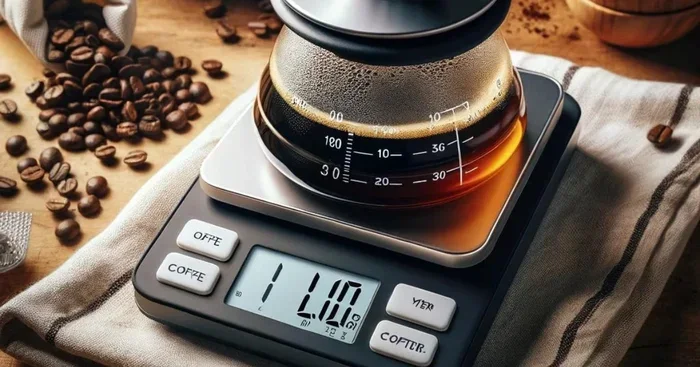
If you like a stronger coffee strength, try adding a bit more coffee rather than brewing longer. Brewing time and coffee amount are two different levers, and they affect your cup in different ways. A kitchen scale is a great investment here. Weighing your coffee and water removes guesswork entirely.
Water Temperature: The Hidden Factor
Most people don’t think about water temperature when brewing coffee, but it matters a lot. Water that’s too hot will scorch the grounds and create a bitter coffee taste. Water that’s too cool won’t extract enough flavor, leaving you with a flat cup.
The ideal temperature range is between 195 and 205 degrees Fahrenheit. That’s just below boiling. If you don’t have a thermometer, let your water boil and then wait about 30 seconds before pouring it over your grounds. This small pause makes a real difference in your morning beverage.
Brew Time Matters
How long your coffee brews directly affects the coffee flavor in your cup. Different methods require different brew times:
- Drip coffee maker: About 5 minutes total.
- French press: 4 minutes of steeping time.
- Pour-over: 3 to 4 minutes of contact time.
- Espresso: 25 to 30 seconds per shot.
Setting a timer might sound over the top, but it takes the guesswork out of your daily coffee habit. Once you nail the right brew time for your method, you’ll get consistent results every single morning.
Building a Better Morning Routine Around Coffee
Pair Your Coffee with a Great Breakfast
A good cup of everyday dose coffee pairs wonderfully with a solid breakfast. While your coffee maker is doing its thing, take a few minutes to prepare something to eat. A warm breakfast makes the whole morning feel more put-together and enjoyable.
If you’re into breakfast sandwiches, you might also want to know how to keep burgers warm in the oven so your breakfast stays hot while you enjoy your first sip. There’s something satisfying about sitting down to a warm meal and a great cup of coffee at the same time.
For something lighter, warming up some pita bread in the oven is a quick and easy option. You can find out how to warm pita bread in the oven in just a few minutes. It pairs nicely with eggs, cheese, or even a simple spread of butter and honey.
Meal Prep for Busy Mornings
On busy mornings, having something ready to eat alongside your morning coffee ritual saves time and stress. If you meal prep on weekends, you can reheat portions during the week. For example, if you make chicken pot pie ahead of time, knowing how to warm up chicken pot pie in the oven means you can enjoy a homemade breakfast without any extra effort.
The key is to keep your morning routine simple and enjoyable. When your coffee and breakfast are both easy to prepare, you’re far more likely to stick with your daily coffee habit and actually savor the experience.
Create a Coffee Station That Works for You
Having a dedicated coffee setup makes a big difference. Keep your coffee beans, grinder, and coffee maker in one easy-to-reach spot. When everything is organized, you’re more likely to make your coffee each morning instead of rushing out the door.
Here are some ideas for setting up your coffee station:
- Store beans in an airtight container near your grinder.
- Keep a small kettle or gooseneck kettle on the counter.
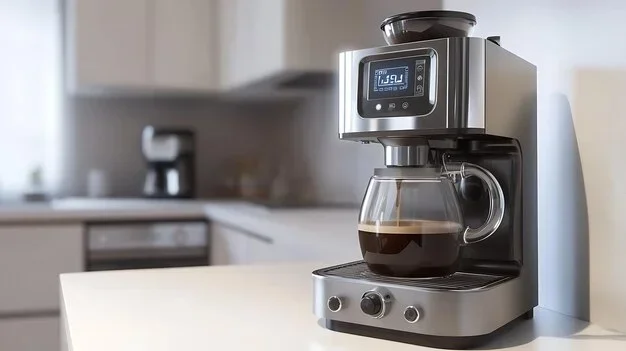
- Use a timer on your coffee maker for fresh coffee when you wake up.
- Keep a clean cloth nearby to wipe up spills quickly.
A well-organized station reduces friction. Less friction means you’ll actually enjoy the process instead of just getting it done. That shift in mindset can completely change how you experience your everyday dose coffee.
Troubleshooting Common Coffee Problems
Why Does My Coffee Taste Bitter?
Bitter coffee is usually a sign of over-extraction. This happens when the water temperature is too high or the brew time is too long. It can also mean your grind is too fine for your brewing method.
To fix this, try lowering your water temperature slightly or shortening your brew time by 30 seconds. If you’re using a coffee grinder, try a coarser setting. These small adjustments often solve the problem right away.
Why Does My Coffee Taste Weak or Sour?
Weak or sour coffee usually means under-extraction. The coffee ratio might have too much water, or your grind might be too coarse. Try adding more ground coffee or grinding a bit finer. You can also extend the brew time slightly to pull more flavor from the grounds.
How Often Should You Clean Your Coffee Maker?
Regular cleaning is essential for maintaining coffee quality. Mineral buildup and old coffee oils can make your morning beverage taste off, even when you’re using fresh beans. A good rule of thumb is to clean your coffee maker once a week with a vinegar and water solution.
For coffee makers with removable parts, run those through warm soapy water after each use. This simple habit keeps your equipment in great shape and ensures your everyday dose coffee always tastes fresh.
Expert Tips to Elevate Your Coffee Game
Once you’ve mastered the basics, there are a few more tricks that can take your morning beverage to the next level. These are the kind of tips that separate casual coffee drinkers from people who truly appreciate their cup.
First, try filtering your water before brewing. Even if your tap water tastes fine, filtering removes chlorine and other impurities that can affect coffee taste. Second, experiment with different bean origins. Ethiopian beans often have fruity, floral notes. Colombian beans tend to be nutty and smooth. Trying different origins is like exploring new coffee flavor profiles every week.
Third, consider the coffee aroma as part of the experience. The smell of fresh coffee is half the enjoyment. If your kitchen doesn’t smell great in the morning, your coffee ritual won’t feel as special. Keep your area clean and open a window if possible.
Finally, don’t be afraid to try new brewing methods. If you’ve always used a drip machine, try a French press one weekend. If you love espresso, experiment with a moka pot. Each method brings out different characteristics in your everyday dose coffee, and you might discover a new favorite way to brew.
Conclusion
Making your everyday dose coffee better every morning doesn’t require a huge commitment or expensive gear. It starts with fresh beans, the right coffee ratio, proper water temperature, and a little attention to detail. These small changes add up to a noticeably better cup of coffee every single day.
Your morning coffee routine sets the tone for the rest of your day. When you take a few extra minutes to brew with intention, you’re not just making coffee. You’re creating a moment of calm, quality, and enjoyment before the rush of the day begins. That’s worth the effort.
Start with one or two tips from this guide and build from there. Before long, you’ll wonder how you ever settled for mediocre coffee. Your everyday dose coffee deserves to be the best part of your morning, and now you have the tools to make it happen.
Frequently Asked Questions
What is the best water temperature for brewing everyday dose coffee?
The ideal water temperature for brewing coffee is between 195 and 205 degrees Fahrenheit. Water that’s too hot will make your coffee taste bitter, while water that’s too cool will result in a weak and sour cup. Letting boiled water rest for about 30 seconds before pouring is an easy way to hit the sweet spot.
How much coffee should I use per cup?
A good starting point is about two tablespoons of ground coffee for every six ounces of water. This ratio produces a balanced cup that isn’t too strong or too weak. You can adjust the amount based on your personal preference for coffee strength.
Can I make everyday dose coffee in a French press?
Absolutely. A French press is one of the best ways to brew a rich and full-bodied cup of coffee. Use a coarse grind and let the coffee steep for about four minutes before pressing. This method brings out deep flavors and a smooth texture that many coffee lovers prefer.
How do I store coffee beans to keep them fresh?
Store your coffee beans in an airtight container at room temperature, away from direct sunlight and moisture. Avoid keeping them in the fridge, as the moisture and odors can affect the coffee flavor. For the best taste, try to use your beans within two to four weeks of roasting.
Why does my coffee sometimes taste bitter?
Bitter coffee is usually caused by over-extraction, which happens when the water is too hot or the brew time is too long. It can also result from grinding the beans too finely. Try lowering the water temperature, shortening the brew time, or using a coarser grind to fix the problem.
How often should I clean my coffee maker?
You should clean your coffee maker at least once a week to prevent mineral buildup and old coffee oils from affecting your morning beverage’s taste. Run a cycle with a vinegar and water solution, then follow up with two to three plain water cycles to rinse out any remaining vinegar. This simple habit keeps your coffee tasting fresh and clean.