Is A Burr Or Blade Coffee Grinder Better For Your Morning
Choosing between a burr and blade coffee grinder changes everything about your morning cup. A burr grinder crushes beans evenly for rich, balanced flavor, while a blade grinder chops beans inconsistently. Most coffee lovers prefer burr grinders for control and quality. This guide breaks down every difference so you can pick the right one for your budget and brewing style.
Every morning, millions of people reach for their coffee grinder without thinking twice. But did you know that the type of grinder you use can completely change the taste of your coffee? The debate between burr vs blade grinder is one of the most talked-about topics among home brewers. Whether you drink espresso, French press, or simple drip coffee, your grinder plays a huge role in the final cup.
A burr coffee grinder uses two abrasive surfaces to crush beans into even particles. A blade coffee grinder uses a spinning blade to chop beans into random sizes. These two machines work very differently. And those differences matter more than most people realize. Let us walk through everything you need to know so you can make the best choice for your morning routine.
If you care about coffee flavor and coffee freshness, this article is for you. We will compare every aspect of both grinder types. You will learn about grind size, extraction, price, durability, and much more. By the end, you will know exactly which grinder fits your needs.
Key Takeaways
- Burr grinders deliver a uniform grind size that brings out the best flavor in every brewing method.
- Blade grinders are affordable and fast but produce inconsistent grounds that can taste bitter or weak.
- Grind size matters a lot for espresso, French press, pour over, and drip coffee.
- Burr grinders last longer and offer more adjustment options for serious coffee drinkers.
- Blade grinders work fine for casual users who want a quick cup without spending much money.
- Your brewing method should guide your choice of grinder type.
📑 Table of Contents
- What Is A Burr Coffee Grinder?
- What Is A Blade Coffee Grinder?
- Burr vs Blade Grinder: The Key Differences
- Why Grind Size Matters for Coffee Extraction
- Which Grinder Is Better for Your Morning Routine?
- Common Mistakes People Make With Coffee Grinders
- Expert Tips for Getting the Best Grind
- Final Verdict: Burr or Blade Coffee Grinder Better?
- Conclusion
What Is A Burr Coffee Grinder?
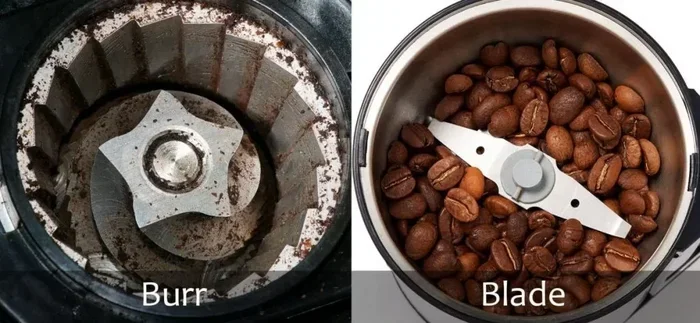
A burr grinder uses two revolving surfaces called burrs to crush coffee beans. The beans sit between these surfaces and get ground down to a consistent size. You can adjust the gap between the burrs to control your grind size. This is why burr coffee grinders are the favorite of coffee enthusiasts everywhere.
How Burr Grinders Work
The process is simple but brilliant. Beans fall into the hopper at the top. They then move between the inner and outer burr. The burrs crush the beans into small, even pieces. The grounds then fall out of the grinder into your collection area. Because the grinding mechanism is so precise, every particle ends up roughly the same size.
This uniform grind is the key to great coffee extraction. When all your grounds are the same size, they brew at the same rate. This creates a balanced, flavorful cup. Grind settings on burr grinders can range from extra fine for espresso to extra coarse for French press or cold brew.
Types of Burr Grinders
There are two main types of burr grinders. Flat burr grinders have two flat burrs that sit parallel to each other. Conical burr grinders have one cone-shaped burr inside a ring-shaped burr. Both produce excellent results. Flat burrs are often found in more expensive models. Conical burrs are common in home brewing setups and mid-range grinders.
Many people choose conical burr grinders because they are quieter and produce less heat. Heat can damage coffee beans and affect flavor. So keeping the temperature low during grinding is a big plus. If you want to learn more about maintaining your coffee equipment, check out how to clean your coffee machine water tank for helpful tips on keeping your gear in top shape.
What Is A Blade Coffee Grinder?
A blade coffee grinder works a lot like a blender. It has a single spinning blade at the bottom of a container. When you turn it on, the blade chops the beans into pieces. The faster and longer you run it, the finer the grounds get.
How Blade Grinders Work
The blade spins very fast, usually around 20,000 to 30,000 rotations per minute. It hits the beans randomly from all directions. This means some pieces become very fine while others stay large. The result is an inconsistent grind with a wide range of particle sizes.
There is no way to adjust a blade grinder. You cannot set a specific grind size. You just pulse the button and hope for the best. Some people use a timer approach, but even then, the results vary from batch to batch.
Who Are Blade Grinders Best For?
Blade grinders are great for people who want a quick and cheap solution. They are perfect for beginners who are not ready to invest in a burr grinder. They also work well for people who only drink coffee occasionally. If you just need a fast cup in the morning and do not care about perfect flavor, a blade grinder gets the job done.
Blade grinders are also very portable and compact. They take up very little counter space. This makes them ideal for small kitchens, dorm rooms, and offices. You can find a decent blade grinder for under $20, which makes them very accessible.
Burr vs Blade Grinder: The Key Differences
This is the heart of the burr vs blade grinder debate. Let us break down the most important differences so you can see exactly what sets them apart.
Grind Consistency
This is the single biggest difference. A burr grinder produces a uniform grind where most particles are the same size. A blade grinder produces a mix of fine powder and large chunks. This inconsistency causes problems during brewing.
When some grounds are too fine and others are too coarse, extraction becomes uneven. The fine grounds over-extract and taste bitter. The coarse grounds under-extract and taste sour. A uniform grind from a burr grinder avoids this problem entirely.
Grind Size Control
Burr grinders offer many grind settings. You can go from espresso fine to French press coarse in seconds. This flexibility lets you experiment with different brewing methods. You can make perfect pour over coffee, espresso, or cold brew using the same grinder.
Blade grinders have zero grind size control. You are stuck with whatever the blade produces. If you want to try different brewing methods, a blade grinder will hold you back. For serious home brewing, this lack of control is a major drawback.
Price Comparison
Blade grinders are much cheaper. You can buy a good one for $15 to $40. Burr grinders start around $50 and go up to $500 or more for high-end models. The price gap is significant, and it is the main reason many people choose blade grinders.
However, think of it as an investment. A burr grinder lasts longer and produces better coffee every single day. Over time, the extra cost pays for itself in better flavor and fewer replacements. If you are on a tight budget, a blade grinder is a reasonable starting point. But if you love coffee, a burr grinder is worth every penny.
Speed and Noise
Blade grinders are very fast. They can grind beans in 10 to 15 seconds. Burr grinders take longer, usually 30 to 60 seconds depending on the model. The extra time is a small price to pay for better results.
Noise is another factor. Blade grinders tend to be louder because of the high-speed spinning blade. Burr grinders are generally quieter, especially conical burr models. If you make coffee early in the morning, a quieter grinder is a nice bonus.
Durability and Lifespan
Burr grinders are built to last. The grinding burrs can handle thousands of pounds of beans over their lifetime. Many quality burr grinders last 5 to 10 years or more with proper care. Blade grinders have a much shorter lifespan. The blade can dull over time, and the motor often burns out after a year or two of regular use.
If you want long-term value, a burr grinder is the clear winner. You will not need to replace it as often. This also means less waste, which is better for the environment. For tips on keeping your kitchen equipment running smoothly, you might also enjoy this guide on toaster ovens, which covers kitchen appliance care and usage.
Why Grind Size Matters for Coffee Extraction
The size of your coffee grounds directly affects how water interacts with them. This process is called coffee extraction. It is what turns ground beans into a delicious cup of coffee. And grind size is one of the most important variables you can control.
When water passes through coffee grounds, it pulls out flavors, oils, and compounds. The speed of extraction depends on the surface area of the grounds. Finer grounds have more surface area, so they extract faster. Coarser grounds have less surface area, so they extract slower.
Extraction and Flavor Balance
Under-extraction happens when water does not pull enough flavor from the grounds. The coffee tastes sour, thin, or watery. Over-extraction happens when too much flavor is pulled out. The coffee tastes bitter, harsh, or astringent.
The sweet spot is called balanced extraction. This is where the coffee tastes smooth, sweet, and complex. A burr grinder makes balanced extraction much easier because every ground is the same size. A blade grinder makes it nearly impossible because the grounds vary so much.
Grind Size by Brewing Method
Different brewing methods need different grind sizes. Here is a quick guide:
- Espresso: Very fine grind, like powdered sugar
- Moka Pot: Fine grind, slightly coarser than espresso
- Pour Over: Medium-fine grind, like table salt
- Drip Coffee Maker: Medium grind, like sand
- French Press: Coarse grind, like sea salt
- Cold Brew: Extra coarse grind, like peppercorns
As you can see, having adjustable grind settings is essential if you drink more than one type of coffee. A burr grinder gives you this flexibility. A blade grinder does not.
Many people who start with a blade grinder eventually switch to a burr grinder once they taste the difference. The flavor improvement is dramatic. If you want to explore more about grinding techniques, check out this article on grinding coffee beans finer to understand how grind size affects strength and flavor.
Which Grinder Is Better for Your Morning Routine?
The answer depends on your coffee habits, budget, and goals. Let us look at different scenarios to help you decide.
Choose a Burr Grinder If
- You drink coffee every day and care about quality
- You use multiple brewing methods like espresso, pour over, or French press
- You want to experiment with different grind sizes
- You value coffee freshness and flavor
- You are willing to invest in a long-term coffee tool
- You want coffee shop quality at home
Choose a Blade Grinder If
- You are on a tight budget
- You only drink coffee occasionally
- You do not care about perfect flavor
- You need something fast and portable
- You are new to grinding your own beans
For most people who take their coffee seriously, a burr grinder is the better choice. The consistency, control, and flavor improvement are hard to beat. Even an affordable burr grinder will outperform a high-end blade grinder in terms of taste.
If you are still unsure, start with a budget burr grinder. You do not need to spend hundreds of dollars. Many excellent burr grinders are available for $50 to $100. This is a great way to enter the world of freshly ground coffee without a big investment.
Common Mistakes People Make With Coffee Grinders
Whether you use a burr or blade grinder, some common mistakes can ruin your coffee. Here are the ones to avoid.
Grinding Too Far in Advance
Coffee starts losing flavor as soon as it is ground. The oils and aromas escape quickly. For the best taste, grind your beans right before brewing. This is one of the easiest ways to improve your morning cup. If you are interested in making great coffee without fancy equipment, you can also read how to make coffee without a filter or machine for simple and effective methods.
Using the Wrong Grind Size
Using a grind size that does not match your brewing method is a very common mistake. Too fine grounds will clog your coffee maker and cause over-extraction. Too coarse grounds will produce weak, watery coffee. Always match your grind size to your brewer.
Not Cleaning Your Grinder
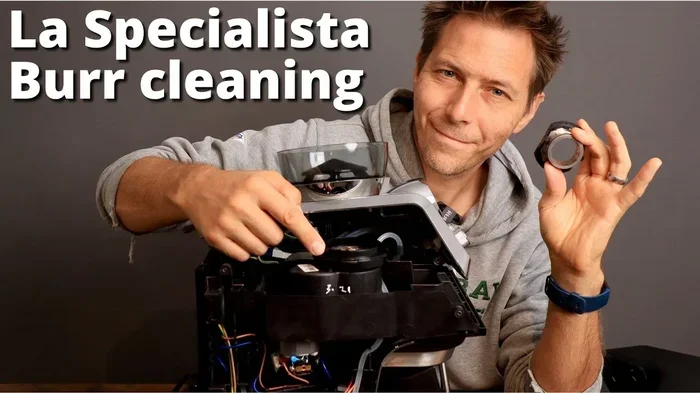
Old coffee oils build up inside grinders over time. These oils go rancid and affect the taste of fresh coffee. Clean your grinder regularly to keep your coffee tasting fresh. For burr grinders, use a brush to remove stuck grounds. For blade grinders, wipe out the container after each use.
Overfilling the Grinder
Adding too many beans at once leads to uneven grinding. The beans do not get enough space to move around properly. Follow the manufacturer’s guidelines for the maximum fill level. This applies to both burr and blade grinders.
Expert Tips for Getting the Best Grind
Even with the right grinder, a few pro tips can take your coffee to the next level.
- Use fresh beans: Buy whole beans and grind them just before brewing. Stale beans produce flat, boring coffee no matter how good your grinder is.
- Store beans properly: Keep your beans in an airtight container away from light and heat. This preserves flavor and aroma for longer.
- Experiment with settings: Do not be afraid to adjust your grind size. Small changes can make a big difference in flavor.
- Weigh your grounds: Use a kitchen scale for consistent results. Scooping grounds leads to inconsistency from cup to cup.
- Clean regularly: A clean grinder produces better-tasting coffee. Make it part of your weekly routine.
These simple habits will help you get the most out of any grinder. Whether you choose a burr or blade model, these tips apply to all types of coffee grinding.
Final Verdict: Burr or Blade Coffee Grinder Better?
After comparing every aspect, the answer is clear. A burr coffee grinder is better for most people. It delivers consistent grounds, precise grind size control, and superior flavor. It also lasts longer and works with every brewing method.
A blade coffee grinder has its place. It is affordable, fast, and simple. It works well for casual coffee drinkers or people just starting to grind their own beans. But if you want to truly enjoy your morning coffee, a burr grinder is the way to go.
The coffee grinder you choose affects every sip you take. It is worth taking the time to pick the right one. Your taste buds will thank you every morning.
Conclusion
The burr vs blade grinder debate comes down to your priorities. If you want quality, consistency, and control, choose a burr grinder. If you want simplicity and a low price, a blade grinder works fine. Most coffee lovers will benefit from upgrading to a burr grinder over time.
Your morning coffee is too important to settle for mediocre grounds. Take a few minutes to understand your grinder, adjust your grind settings, and enjoy the process. A great grinder transforms ordinary beans into an extraordinary cup. Start your mornings right with the perfect coffee grinder for your needs.
Remember, the best grinder is the one that fits your lifestyle, budget, and coffee goals. Whether you are a beginner or a seasoned home barista, there is a perfect option waiting for you. Happy brewing!
Frequently Asked Questions
Can I use a blade grinder for espresso?
You can, but the results will not be great. Espresso requires a very fine and uniform grind, which blade grinders cannot provide. The inconsistent particle sizes lead to uneven extraction and a sour or bitter taste. For espresso, a burr grinder is strongly recommended.
How often should I clean my coffee grinder?
You should clean your grinder at least once a week if you use it daily. Remove any leftover grounds and wipe down the inside. For burr grinders, use a small brush to clean between the burrs. Regular cleaning keeps your coffee tasting fresh and prevents oil buildup.
Do burr grinders last longer than blade grinders?
Yes, burr grinders typically last much longer. The burrs can handle years of daily use, and many quality models last 5 to 10 years. Blade grinders often wear out within 1 to 2 years of regular use due to dull blades and motor burnout.
Is a burr grinder worth the extra cost?
Absolutely. The improved flavor, consistency, and control make a burr grinder worth the investment. Even an affordable burr grinder under $50 will outperform most blade grinders in taste. If you drink coffee regularly, the extra cost pays for itself quickly.
Can I grind spices in a coffee grinder?
Yes, both burr and blade grinders can grind spices. However, burr grinders give you more control over the grind size, which is useful for different spice recipes. If you use the same grinder for both coffee and spices, clean it thoroughly between uses to avoid flavor transfer.
What is the best grind size for a French press?
A coarse grind works best for French press. The grounds should look like sea salt or peppercorns. A coarse grind prevents over-extraction and keeps your coffee from becoming muddy. Burr grinders make it easy to dial in the perfect coarse setting every time.
=== META INFORMATION ===
SEO Title: Is A Burr Or Blade Coffee Grinder Better For Morning
Meta Title: Burr vs Blade Coffee Grinder: Which Is Better For Morning?
URL Slug: burr-or-blade-coffee-grinder-better-morning