How To Descale A Commercial Bunn Coffee Maker Easily
Descaling your commercial Bunn coffee maker is essential for great-tasting coffee and machine longevity. This guide walks you through everything you need to know, from supplies and steps to frequency and prevention tips. You will learn how to remove mineral buildup quickly and keep your Bunn brewer performing at its best.
Running a commercial Bunn coffee maker means serving hundreds of cups every day. Over time, mineral deposits build up inside the machine. This buildup, often called scale, can slow your brewer and change the taste of your coffee. That is exactly why you need to know how to descale a commercial Bunn coffee maker the right way.
Descaling is not just a maintenance chore. It is a critical step that keeps your machine running smoothly and your coffee tasting great. Whether you run a busy office kitchen, a café, or a restaurant, your Bunn brewer deserves regular care. In this guide, we will walk you through every step of the process in plain, simple language.
You do not need to be a technician to descale your machine. With a few common supplies and about 30 minutes of your time, you can restore your Bunn coffee maker to peak performance. Let us get into it.
Key Takeaways
- Regular descaling prevents mineral buildup: Hard water causes scale that slows your machine and affects taste.
- White vinegar or commercial descaler works best: Both options are affordable and effective for Bunn coffee makers.
- The process takes about 30 minutes: Running a cleaning cycle with the solution flushes out deposits easily.
- Descale every 3 to 6 months: Frequency depends on how often you use the machine and your water hardness.
- Rinse thoroughly after descaling: Residual vinegar or cleaner can affect the flavor of your next brew.
- Prevention is easier than treatment: Using filtered water reduces scale buildup between descaling sessions.
📑 Table of Contents
- Why Descaling Your Bunn Coffee Maker Matters
- What You Will Need To Descale A Bunn Coffee Maker
- Step By Step Guide To Descaling Your Bunn Coffee Maker
- How Often Should You Descale A Commercial Bunn Coffee Maker
- Common Mistakes To Avoid When Descaling
- Expert Tips For Keeping Your Bunn Coffee Maker In Top Shape
- Final Thoughts
Why Descaling Your Bunn Coffee Maker Matters
Water contains minerals like calcium and magnesium. When hot water passes through your Bunn brewer over and over, these minerals stick to the inside surfaces. Over weeks and months, this mineral buildup forms a hard layer of scale. Even a thin layer can cause real problems.
How Scale Affects Your Coffee
Scale acts like an insulator inside your machine. It traps heat and forces your Bunn brewer to work harder. This means your coffee may not brew at the right temperature. The result? Coffee that tastes flat, bitter, or just off. Your customers or coworkers will notice the difference.
How Scale Affects Your Machine
Beyond taste, scale can damage your Bunn coffee maker over time. It can clog tubes, reduce water flow, and strain the heating element. A heavily scaled machine may break down faster. Repairing or replacing a commercial unit is expensive. Regular coffee maker maintenance saves you money in the long run.
Think of descaling like changing the oil in a car. You would not skip oil changes and expect the engine to last. The same logic applies to your Bunn brewer. A little care goes a long way.
What You Will Need To Descale A Bunn Coffee Maker
Before you start, gather everything you need. Having your supplies ready makes the process smooth and fast. Here is a simple checklist.
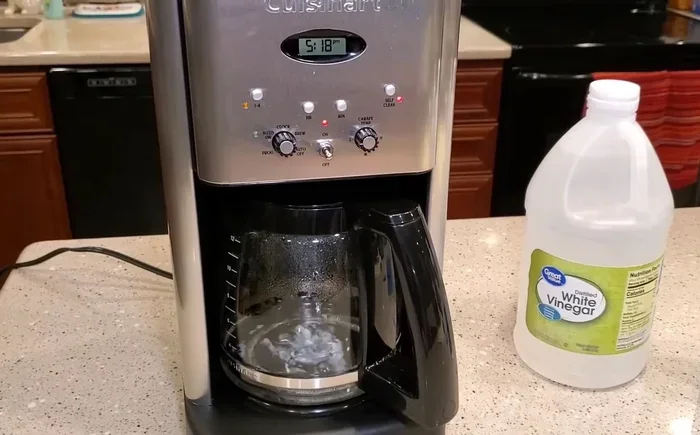
- White vinegar or a commercial descaling solution
- Clean water (filtered is best)
- A large container or bucket
- A clean cloth or sponge
- A measuring cup
- Gloves (optional but recommended)
White vinegar is the most popular choice. It is cheap, safe, and works well for most machines. If you prefer a store-bought option, many coffee equipment brands sell descaling solutions made specifically for commercial brewers. These products often come with clear instructions on the label.
Some operators also ask about how to make coffee without filter or machine when they are troubleshooting brewing issues. While that is a different topic, it shows how important clean equipment is for good coffee. Keeping your Bunn brewer descaled is one of the best investments you can make.
Step By Step Guide To Descaling Your Bunn Coffee Maker
Now let us walk through the actual process. Follow these steps carefully and your machine will be scale-free in no time.
Step 1: Turn Off And Cool Down The Machine
Start by turning off your Bunn coffee maker and unplugging it. Let it cool for at least 15 minutes. You do not want to work with hot parts. Safety comes first, especially in a commercial setting where the machine sees heavy daily use.
Step 2: Empty The Water Reservoir
Open the top lid and remove any remaining water from the reservoir. Pour it out completely. If your Bunn model has a spray head, take it off if you can. This gives you better access to the inside surfaces where scale tends to collect.
Step 3: Prepare Your Descaling Solution
Mix your descaling solution in the reservoir. For white vinegar, use a 1:1 ratio of vinegar and water. For a commercial descaler, follow the product instructions. Most solutions work well at this dilution. Fill the reservoir to the max line if it is not too full.
If you are curious about how other kitchen equipment handles tough cleaning jobs, you might also enjoy learning about how to self clean a gas oven. Both tasks rely on simple solutions breaking down stubborn buildup over time.
Step 4: Run A Full Cleaning Cycle
Plug the machine back in and turn it on. Let it brew the vinegar solution through the system as if you were making a full pot of coffee. Do not use coffee grounds for this step. Let the machine cycle through completely.
You may notice a bubbling or fizzing sound. That is normal. It means the solution is reacting with the mineral deposits. Let the machine run until the reservoir is empty.
Step 5: Let The Solution Sit
Once the first cycle is done, leave the vinegar solution sitting in the machine for about 15 to 30 minutes. This soak time helps dissolve stubborn scale. Do not skip this step. The longer the solution sits, the more buildup it can break down.
Step 6: Run Two To Three Rinse Cycles
After the soak, empty the reservoir and refill it with clean water. Run the machine through a full cycle. Repeat this rinsing process two to three times. This is crucial because leftover vinegar can leave a lingering taste in your next pot of coffee.
After the final rinse, wipe down the outside of the machine with a clean damp cloth. Pay attention to the spray head, the drip tray, and any removable parts. A clean exterior reflects a well-maintained machine inside.
If you have ever dealt with cleaning kitchen appliances, you know that regular care makes everything easier. Just as you would clean the bottom tray of a toaster oven after heavy use, routine descaling keeps your Bunn coffee maker in top shape for years.
How Often Should You Descale A Commercial Bunn Coffee Maker
The answer depends on a few factors. How often do you use the machine? How hard is your water? Here are some general guidelines to help you plan.
| Usage Level | Water Hardness | Recommended Descaling Frequency |
|---|---|---|
| Light Use (under 50 cups/day) | Soft Water | Every 6 months |
| Light Use (under 50 cups/day) | Hard Water | Every 3 months |
| Medium Use (50 to 150 cups/day) | Soft Water | Every 4 months |
| Medium Use (50 to 150 cups/day) | Hard Water | Every 2 months |
| Heavy Use (over 150 cups/day) | Soft Water | Every 3 months |
| Heavy Use (over 150 cups/day) | Hard Water | Every 6 to 8 weeks |
Hard water has more minerals, so it causes scale faster. If you are not sure about your water hardness, contact your local water utility. They can usually provide a free report. You can also use a simple test strip to check at home.
Watch for warning signs between scheduled descaling sessions. Slow brewing, strange noises, or off-tasting coffee are all signals that your machine needs attention. Catching these early makes the descaling process much easier.
Common Mistakes To Avoid When Descaling
Even experienced operators make mistakes. Here are the most common ones and how to avoid them.
- Using too much vinegar: More is not better. Excess vinegar can damage rubber seals and plastic parts over time. Stick to the recommended ratio.
- Skipping the rinse cycles: This is the most common mistake. Residual vinegar left in the machine will affect coffee flavor. Always rinse thoroughly.
- Using harsh chemicals: Bleach or abrasive cleaners can ruin your Bunn coffee maker. Stick to vinegar or a commercial descaler designed for coffee equipment.
- Ignoring the spray head: The spray head is where scale builds up the most. Remove it and soak it separately for the best results.
- Not descaling often enough: Some operators wait until the machine breaks down. By then, the damage may already be done. Stay on a regular schedule.
Avoiding these mistakes keeps your descaling routine effective and safe. A little discipline goes a long way toward extending the life of your machine.
Expert Tips For Keeping Your Bunn Coffee Maker In Top Shape
Descaling is just one part of the equation. Here are some extra tips from coffee equipment experts to help you get the most out of your Bunn brewer.
Use Filtered Water
Installing a simple water filter on your machine’s water line can dramatically reduce mineral buildup. Filtered water has fewer dissolved minerals, which means less scale forms inside your Bunn coffee maker. This is one of the easiest and most cost-effective upgrades you can make.
Wipe Down The Machine Daily
Spend two minutes at the end of each day wiping the exterior, the drip tray, and the spray head. This prevents coffee oils and residue from hardening. Daily cleaning takes almost no time but pays off in the long run.
Replace Parts As Needed
Rubber gaskets, spray heads, and tubes wear out over time. Check these parts regularly and replace them when they show signs of wear. A worn part can cause leaks or uneven brewing, even after a thorough descaling.
Keep A Maintenance Log
Write down each descaling date and any issues you notice. This log helps you track patterns and stay on schedule. It also comes in handy if you ever need to troubleshoot a problem or prove maintenance for warranty purposes.
Train Your Staff
If you manage a team, make sure everyone knows how to descale the machine and why it matters. A well-trained staff keeps the machine in better shape than one person trying to handle everything alone. Post a simple checklist near the machine as a reminder.
Final Thoughts
Descaling a commercial Bunn coffee maker does not have to be complicated or intimidating. With the right supplies, a clear plan, and a regular schedule, you can keep your machine running like new. The process is simple, fast, and incredibly rewarding for the quality of coffee you serve.
Remember that prevention is your best tool. Use filtered water, clean daily, and never skip a scheduled descaling session. Your Bunn brewer will reward you with great-tasting coffee for years to come. Take the time today to give your machine the care it deserves. Your coffee, your customers, and your wallet will all thank you.
Good coffee starts with a clean machine. Make descaling a regular part of your routine and enjoy the difference in every cup.
Frequently Asked Questions
Can I use lemon juice instead of vinegar to descale my Bunn coffee maker?
Yes, lemon juice works as a natural descaling alternative. It contains citric acid, which breaks down mineral deposits effectively. Use the same 1:1 ratio with water and follow the same steps as you would with vinegar.
Is it safe to descale my Bunn coffee maker with bleach?
No, bleach is not safe for coffee makers. It can damage rubber seals, plastic parts, and leave harmful residues. Always use white vinegar or a commercial descaler specifically designed for coffee equipment to keep your machine safe and your coffee tasting clean.
How do I know if my Bunn coffee maker needs descaling?
Common signs include slow brewing, unusual noises during the cycle, and a funny or metallic taste in the coffee. If you notice any of these issues, it is time to descale your machine. Regular maintenance helps you catch these problems early.
Can I use a commercial descaler instead of vinegar?
Absolutely. Commercial descalers are formulated specifically for coffee machines and often work faster than vinegar. They are safe for all parts of your Bunn brewer. Just follow the product instructions on the label for the best results.
What happens if I do not descale my Bunn coffee maker regularly?
Without regular descaling, mineral scale builds up inside the machine. This reduces water flow, lowers brewing temperature, and ruins the taste of your coffee. Over time, heavy scale can cause permanent damage to the heating element and other internal parts, leading to costly repairs or replacement.
How long does the descaling process take for a commercial Bunn coffee maker?
The entire process takes about 30 to 45 minutes. This includes the cleaning cycle, a 15 to 30 minute soak, and two to three rinse cycles. The actual hands-on time is minimal, but the soak and rinse steps are important for thorough cleaning.
=== CONCLUSION ===
Descaling your commercial Bunn coffee maker is one of the simplest and most impactful things you can do for your machine and your coffee. It takes just a few supplies, about half an hour, and a regular schedule. The payoff is huge: better-tasting coffee, a longer-lasting machine, and fewer costly repairs.
Follow the steps in this guide, avoid the common mistakes, and make descaling part of your routine. Your Bunn brewer will serve you well for many years. Start today and taste the difference clean water makes in every cup.