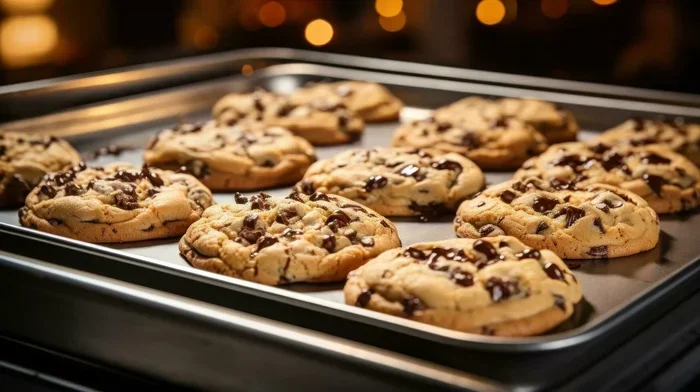
How To Warm Up Cookies In The Oven For Warm Soft Treats
Warming cookies in the oven is the best way to bring back that fresh-baked softness and flavor. Whether your cookies have gone slightly stale or you simply want warm, gooey treats, the oven method works better than microwaving every time. This guide walks you through the exact temperatures, timing, and techniques to warm up cookies in the oven perfectly. You will learn how different cookie types respond to heat, common mistakes to avoid, and expert tips for bakery-quality results at home.
There is something magical about a warm cookie fresh out of the oven. The aroma fills your kitchen, the edges turn slightly crispy, and the center stays soft and gooey. But what happens when your cookies have been sitting in the pantry or the cookie jar for a day or two? They lose their warmth. They lose their softness. And they just do not taste the same.
The good news is that you do not have to throw away stale cookies or settle for a sad, room-temperature treat. Warming up cookies in the oven is a simple technique that brings them back to life. It is quick, easy, and produces results that no microwave can match. In this guide, we will walk you through everything you need to know about reheating cookies in the oven for warm, soft, delicious treats every single time.
Whether you baked a big batch over the weekend or brought home a box from the bakery, learning how to properly warm your cookies makes a huge difference. Keep reading to discover the best oven temperatures, timing tips, and simple tricks that will make your cookies taste like they just came out of the oven.
Key Takeaways
- Low and slow is key: Warming cookies at 300-325°F preserves softness without over-baking.
- Add moisture for extra softness: A small piece of bread or a damp paper towel helps revive stale cookies.
- Timing matters: Most cookies only need 2-5 minutes in a warm oven to reach the perfect texture.
- Different cookies need different approaches: Chewy, crispy, and cakey cookies each warm best at slightly different temperatures.
- Avoid the microwave: The oven method produces far superior results in texture and flavor compared to microwaving.
- Storage affects warming: Properly stored cookies warm up more evenly and retain their quality better.
📑 Table of Contents
- Why Warming Cookies In The Oven Makes A Difference
- The Best Oven Temperature For Warming Cookies
- Step-By-Step Guide To Warming Cookies In The Oven
- Types Of Cookies And How To Warm Each One
- Common Mistakes To Avoid When Warming Cookies
- Expert Tips For Perfectly Warm Cookies Every Time
- Frequently Asked Questions
- Conclusion
Why Warming Cookies In The Oven Makes A Difference
You might be wondering why you should bother warming cookies in the oven at all. Can you not just eat them at room temperature? The truth is that there is a big difference between a cold cookie and a warm one. Heat changes the texture, releases the aroma, and brings back the fresh-baked feeling that makes cookies so irresistible.
When you warm cookies in the oven, the gentle heat softens the butter and sugars that have hardened as the cookies cooled. This restores a slight chewiness and gives the edges that subtle crispness you love. The microwave, on the other hand, heats unevenly and often turns cookies rubbery or soggy. The oven warms them evenly and keeps the texture intact.
The Science Behind Warm Cookies
Cookies are made with butter, sugar, flour, and eggs. When they bake, the heat causes the sugars to caramelize and the butter to melt and then solidify again as the cookie cools. This is why cookies go hard over time. The sugar crystals form and the butter re-solidifies. When you apply gentle heat again, you reverse this process slightly. The sugars soften and the butter melts just enough to give you that warm, fresh-baked texture.
This is why oven-warmed cookies taste so much better than room-temperature ones. You are essentially resetting the cooling process without over-baking the cookie. The oven gives you control over the temperature and the timing, which is exactly what you need for perfect results.
Oven-Warmed vs. Microwave-Warmed Cookies
Many people reach for the microwave when they want a quick warm cookie. While the microwave works in seconds, it does not produce the same quality of result. Here is a quick comparison to help you understand why the oven method wins.
| Factor | Oven Warming | Microwave Warming |
|---|---|---|
| Texture | Soft edges, chewy center, even warmth | Often rubbery, uneven, or soggy |
| Aroma | Releases fresh-baked smell | Minimal aroma change |
| Time | 3-5 minutes | 10-15 seconds |
| Control | Precise temperature and timing | Limited control, easy to overheat |
| Best For | All cookie types, especially soft and chewy | Quick fix, not ideal for quality |
| Cookie Freshness | Restores near-fresh quality | Can make cookies worse |
As you can see, the oven method gives you far better results. The extra few minutes are well worth it for warm, soft, bakery-quality treats.
The Best Oven Temperature For Warming Cookies
Getting the temperature right is the most important step in warming cookies in the oven. Too hot and you will over-bake them. Too cool and they will not warm through properly. The sweet spot for most cookies is between 300°F and 325°F.
This low temperature gently warms the cookies without drying them out or changing their shape. It gives the heat enough time to penetrate through to the center while keeping the edges from becoming too crispy. Think of it as a slow, gentle revival rather than a quick blast of heat.
Temperature Guide By Cookie Type
Different types of cookies respond best to slightly different temperatures. Here is a simple guide to help you choose the right setting for your favorite treats.
- Soft and chewy cookies: 300°F for 3-4 minutes. These cookies have more moisture and need lower heat to stay soft.
- Crispy cookies: 325°F for 4-5 minutes. The higher heat helps restore that satisfying crunch.
- Cakey cookies: 300°F for 3 minutes. These are delicate and can dry out quickly with too much heat.
- Cookie dough (not baked): 325°F for 5-7 minutes if you want fresh-baked cookies from refrigerated dough.
- Large cookies or thick slices: 300°F for 5-6 minutes. They need more time to warm through the center.
Always start with the lower end of the temperature range and check your cookies early. You can always add another minute, but you cannot undo an over-baked cookie.
Why Low And Slow Works Best
The reason low heat works so well for warming baked cookies comes down to how heat moves through food. At a lower temperature, the heat spreads evenly throughout the cookie. The outer edges warm first, and then the warmth gradually reaches the center. This prevents the outside from burning while the inside stays cold, which is exactly what happens when you use too high a temperature.
At 300-325°F, your cookies also have time to absorb a small amount of moisture back into the cookie if you use the bread trick (more on that below). This is why the oven method produces cookies that feel genuinely fresh rather than just warm on the outside.
Step-By-Step Guide To Warming Cookies In The Oven
Now that you know the best temperature, let us walk through the exact steps to warm up cookies in the oven. This process takes only a few minutes and requires very little effort.
Step 1: Preheat Your Oven
Start by preheating your oven to 300°F. If you are warming crispy cookies, you can set it to 325°F. Use an oven thermometer if you are unsure about your oven’s accuracy. Many home ovens run hotter or cooler than the displayed temperature, which can affect your results.
Step 2: Prepare Your Cookies
Take your cookies out of the container or bag they are stored in. Place them on a baking sheet lined with parchment paper. Make sure the cookies are not touching each other. Leaving space between them allows the heat to circulate evenly around each cookie.
If your cookies are very stale, you can place a small piece of bread on the baking sheet next to the cookies. The bread releases moisture as it warms, and this steam helps soften the cookies. It is a simple trick that works surprisingly well.
Step 3: Place The Baking Sheet In The Oven
Put the baking sheet on the middle rack of your oven. The middle rack ensures the most even heat distribution. Avoid placing cookies on the top or bottom rack, as these spots tend to be hotter or cooler than the center.
Step 4: Set Your Timer
Set a timer for 2-3 minutes to start. For softer cookies, 2-3 minutes is usually perfect. For crispier cookies or larger cookies, you may need 4-5 minutes. The key is to watch them closely and check frequently.
When the time is up, open the oven and touch the cookies gently. They should feel warm all the way through but not hot to the touch. If they still feel cool in the center, give them another minute.
Step 5: Let Them Cool Slightly
Remove the baking sheet from the oven and let the cookies sit for 1-2 minutes before eating. This brief rest allows the heat to distribute evenly throughout the cookie. The center will finish warming up while the edges set slightly. The result is a perfectly warm cookie with the ideal texture.
Quick Tips For Perfect Results
- Never skip preheating: A preheated oven warms cookies evenly from the start.
- Use parchment paper: It prevents sticking and promotes even browning.
- Do not stack cookies: Stacking blocks heat from reaching the bottom cookies.
- Check early and often: Cookies can go from perfectly warm to overdone in under a minute.
- Use a damp paper towel: Place a slightly damp paper towel over the cookies on the baking sheet for extra softness.
Types Of Cookies And How To Warm Each One
Not all cookies are the same, and different types of cookies need slightly different approaches to warming cookies in the oven. A thin, crispy chocolate chip cookie needs different treatment than a thick, soft oatmeal raisin cookie. Here is how to handle the most popular cookie varieties.
Soft And Chewy Cookies
Soft cookies like chocolate chip, peanut butter, and snickerdoodles are the most rewarding to warm up in the oven. These cookies have a higher moisture content, which means they respond beautifully to gentle heat. Warm them at 300°F for 2-3 minutes. The result is a cookie that feels almost as good as the day it was baked. The chocolate melts slightly, the edges get a hint of crispness, and the center stays beautifully soft.
Crispy And Crunchy Cookies
If you love crispy cookies like lace cookies, biscotti, or thin mints, you will want to warm them at a slightly higher temperature. Try 325°F for 3-4 minutes. The extra heat helps restore that satisfying crunch without burning the cookies. Be careful not to leave them too long, as crispy cookies can go from perfectly crunchy to overly hard very quickly.
Cakey Cookies
Cakey cookies, like certain gorgeous chocolate cake cookies or lemon cookies, are more delicate. They can dry out fast if you apply too much heat. Keep the temperature at 300°F and warm them for just 2-3 minutes. These cookies benefit from the bread trick as well, since the extra moisture helps maintain their tender, cake-like texture.
Cookie Dough (Ready To Bake)
Have you ever wanted fresh cookies but did not feel like going through the whole baking process? You can warm pre-made cookie dough in the oven at 325°F for 5-7 minutes. The result is a warm, soft cookie that is not fully baked but has a wonderful texture. This works especially well with refrigerated dough slices or pre-portioned cookie dough balls.
Homemade Vs Store-Bought Cookies
There is a difference between warming homemade cookies and store-bought or bakery cookies. Homemade cookies often have more moisture and respond better to oven warming. Store-bought cookies may contain preservatives that make them slightly more resistant to softening. If you are warming commercial cookies, add an extra minute to the warming time and consider using the damp paper towel method for better results.
Common Mistakes To Avoid When Warming Cookies
Warming cookies in the oven is simple, but there are a few common mistakes that can ruin your results. Avoiding these errors will help you get the best warm cookies every time.
Using Too High A Temperature
This is the number one mistake people make. It is tempting to crank up the heat to warm cookies faster, but high temperatures will over-bake the edges while the center stays cold. Always stick to 300-325°F and be patient. The extra few minutes at a lower temperature make all the difference.
Leaving Cookies In Too Long
Cookies continue to cook slightly even after you remove them from the oven due to residual heat. If you wait until they look perfectly warm in the oven, they will be overdone by the time they cool on the baking sheet. Pull them out when they still look slightly underdone, and they will be perfect after resting.
Skipping The Preheat
Putting cookies in a cold oven and turning it on leads to uneven warming. The cookies start to dry out in the slowly increasing heat before the oven reaches the target temperature. Always preheat first for the best results.
Not Using Parchment Paper Or A Baking Mat
Cookies placed directly on a bare baking sheet can stick and scorch on the bottom. Parchment paper or a silicone baking mat creates a protective barrier and promotes even heat distribution. This small step makes a big difference in the final texture of your warm cookies.
Ignoring The Type Of Cookie
As we covered above, different cookies need different temperatures and times. Treating all cookies the same way will lead to inconsistent results. Take a moment to consider what type of cookie you are warming and adjust accordingly.
Expert Tips For Perfectly Warm Cookies Every Time
Once you have the basics down, these expert tips will take your oven-warmed cookies to the next level. These are the small details that separate good results from amazing results.
The Bread Trick
This is a chef-recommended trick that works wonders. Place a single slice of white bread on the baking sheet next to your cookies before warming them. The bread releases moisture as it warms, and this steam gently softens the cookies. It is especially effective for cookies that have been stored for more than a day. After warming, the bread will be dry and crispy, and your cookies will be soft and warm.
The Damp Paper Towel Method
Similar to the bread trick, placing a slightly damp paper towel over your cookies on the baking sheet adds moisture during the warming process. This works great for cookies that have become very hard or stale. The towel creates a small steam environment that helps soften the cookies without making them soggy.
Warm The Plate Too
For an extra-special treat, warm your serving plate in the oven along with the cookies. A warm plate keeps the cookies at the perfect temperature for longer. Simply place your plate on the baking sheet during the last minute of warming. Just make sure the plate is oven-safe before doing this.
Add A Fresh Ingredient
For an indulgent twist, try adding a small scoop of ice cream, a drizzle of warm chocolate sauce, or a spread of cream cheese on top of your warm cookies. The contrast between the warm cookie and the cold or creamy topping creates a dessert experience that is truly memorable.
Store Cookies Properly For Better Warming
How you store your cookies affects how well they warm up later. Keep cookies in an airtight container at room temperature. Avoid refrigerating them, as the fridge dries them out and makes them harder to revive. If you bake in batches, store the cookies in a single layer with parchment paper between the layers to prevent sticking and maintain their texture.
Key Takeaways
- Low heat is essential: 300-325°F is the ideal range for warming cookies without over-baking.
- Moisture helps: Use the bread trick or a damp paper towel to restore softness to stale cookies.
- Timing varies by cookie type: Soft cookies need 2-3 minutes, crispy cookies need 3-5 minutes.
- Always preheat the oven: This ensures even warming from the very start.
- Let cookies rest after warming: A 1-2 minute rest on the baking sheet finishes the job perfectly.
- The oven beats the microwave: For quality, texture, and flavor, the oven method is far superior.
Frequently Asked Questions
Can I warm up cookies in the oven without parchment paper?
Yes, you can warm cookies without parchment paper, but using it is highly recommended. Parchment paper prevents sticking and promotes even browning. If you do not have parchment paper, a silicone baking mat works as a great alternative. Avoid using wax paper, as it can stick to cookies and create a mess.
How long can you keep warmed cookies before they go stale again?
Warmed cookies stay at their best texture for about 15-20 minutes after removing them from the oven. After that, they will gradually return to room temperature. If you are not planning to eat them right away, it is better to warm them in small batches so each cookie is enjoyed at its warmest and softest.
Is it safe to warm store-bought packaged cookies in the oven?
Yes, it is perfectly safe to warm store-bought cookies in the oven. The process works the same way as with homemade cookies. Just keep in mind that commercial cookies may have a slightly different texture due to preservatives. Add an extra minute to the warming time and consider using the damp paper towel method for the best results.
Can you warm frozen cookies in the oven?
Absolutely. You can warm frozen cookies directly in the oven at 300°F for 5-7 minutes. You may need to add a minute or two depending on the size and thickness of the cookies. Make sure the cookies are warmed through to the center before enjoying them. The oven method works much better than microwaving frozen cookies, which often results in a cold center and overcooked edges.
What is the best way to warm multiple batches of cookies?
When warming multiple batches, use the same preheated oven at 300°F. Place each batch on a separate baking sheet and warm them one at a time for the best results. If you need to warm several batches quickly, you can place two sheets in the oven at once, one on the upper-middle rack and one on the lower-middle rack. Rotate the sheets halfway through for even warming.
Can warming cookies in the oven make them softer than fresh?
In some cases, yes. Freshly baked cookies are often still slightly firm as they cool. When you warm them properly in the oven at 300°F for 2-3 minutes, the heat can actually make them softer than they were when first taken out of the oven. This is especially true for cookies that have been stored for a day or two. The gentle warmth melts the sugars and softens the butter just enough to create an incredibly soft, almost gooey texture.
Conclusion
Warming cookies in the oven is one of the simplest and most satisfying kitchen techniques you can learn. It transforms stale, room-temperature cookies into warm, soft, delicious treats that taste almost as good as the day they were baked. With just a few minutes and an oven set to 300-325°F, you can enjoy bakery-quality warm cookies whenever you want them.
Remember the key points: use low heat, preheat your oven, add moisture with the bread trick if needed, and watch your cookies closely to avoid over-baking. Different cookie types respond best to slightly different temperatures and times, so feel free to experiment and find what works best for your favorites.
The oven method beats the microwave every time when it comes to texture, aroma, and flavor. Whether you are warming chocolate chip cookies, crispy biscotti, or soft peanut butter cookies, the gentle heat of the oven brings out the best in every treat. So the next time your cookies lose their warmth or you simply crave that fresh-baked feeling, reach for the oven instead of the microwave. Your taste buds will thank you.
Now that you know exactly how to warm up cookies in the oven, you have all the tools to enjoy warm, soft, perfectly textured cookies any time of day. Try it today and taste the difference for yourself.